Top 24/7 Security Cameras: Tech Insider’s Choice for Continuous Recording
Security camera systems have evolved dramatically over the past decade, transforming from grainy, limited-view devices to sophisticated surveillance solutions capable of capturing crystal-clear footage around the clock. Whether you’re protecting a residential property, commercial establishment, or critical infrastructure, selecting the best security camera for 24 hour recording requires understanding the technical specifications, storage requirements, and reliability factors that distinguish premium systems from mediocre alternatives.
The demand for continuous surveillance has never been higher. Property owners, business managers, and security professionals recognize that threats don’t operate on a 9-to-5 schedule. A comprehensive 24/7 security camera system provides peace of mind, creates a documented record of activities, and serves as a powerful deterrent against criminal activity. However, choosing the right equipment involves more than simply purchasing the most expensive option available—it requires careful evaluation of your specific security needs, environmental conditions, and integration requirements.
This guide examines the top-performing security cameras designed for continuous 24-hour recording, analyzing their capabilities, comparing their strengths and limitations, and providing actionable recommendations for different use cases. We’ll explore the technical innovations that enable reliable long-term surveillance, discuss storage solutions that support extended recording periods, and help you make an informed decision about your security infrastructure investment.
Understanding 24/7 Security Camera Requirements
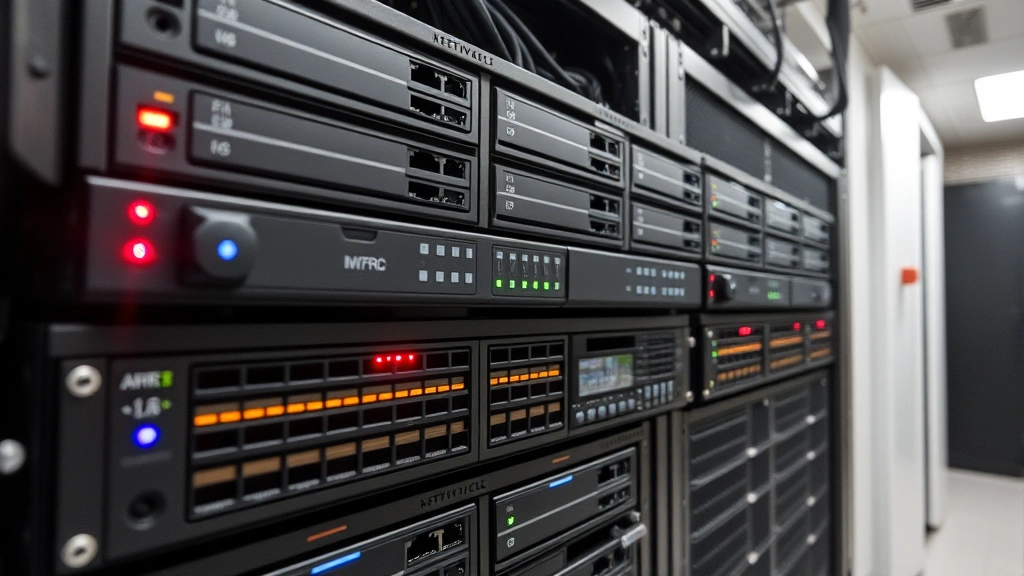
Before investing in security cameras, it’s crucial to understand what differentiates 24-hour recording systems from standard surveillance equipment. Continuous operation places unique demands on hardware, power systems, and storage infrastructure that don’t apply to motion-triggered or scheduled recording setups.
A reliable 24-hour security camera system must maintain consistent image quality throughout varying lighting conditions—from bright daylight to complete darkness. This requires advanced sensor technology, infrared illumination capabilities, and intelligent image processing algorithms that preserve detail without consuming excessive storage space. The camera must also withstand environmental stressors including temperature fluctuations, humidity, dust, and potential weather exposure.
Power reliability becomes paramount when cameras operate continuously. Unlike motion-activated systems that draw power intermittently, 24/7 cameras demand stable electrical supply or robust battery backup solutions. A momentary power interruption can create security gaps and compromise the continuity of your recorded evidence.
Storage capacity calculations for continuous recording require careful planning. A single 4K security camera can generate 100-500 GB of footage daily, depending on compression settings and frame rates. Over 30 days, this translates to 3-15 TB of storage requirements per camera. Organizations implementing comprehensive surveillance documentation need scalable storage architecture that balances capacity with cost-effectiveness.
Network bandwidth represents another critical consideration. Continuous streaming of high-resolution video requires reliable internet connectivity with sufficient upload capacity. Poor network conditions can result in dropped frames, reduced image quality, or system failures that compromise your security posture.
Top Security Camera Models for Continuous Recording
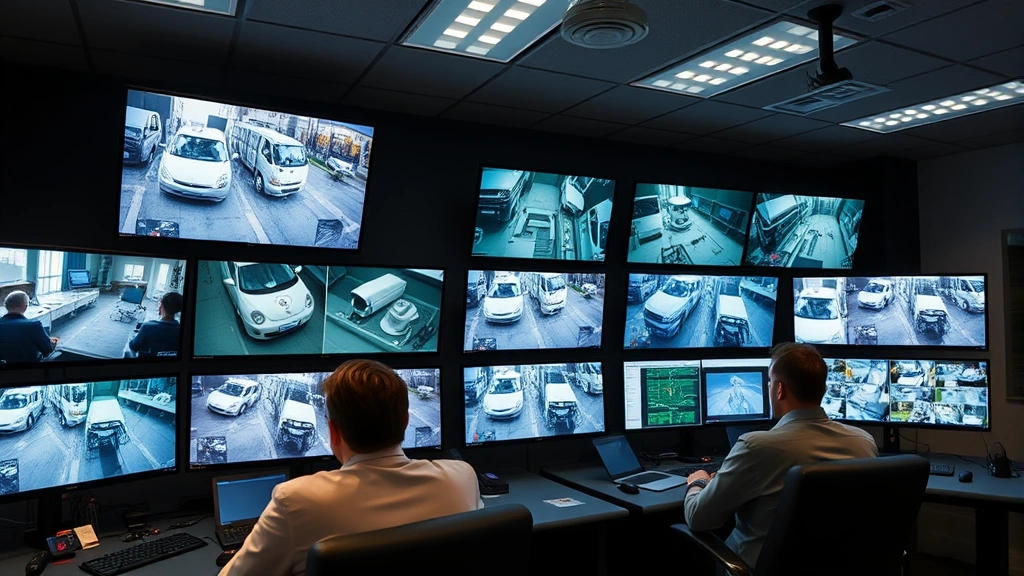
The market offers numerous excellent options for 24-hour surveillance. Industry leaders have developed specialized systems that prioritize reliability, image quality, and operational efficiency for extended recording periods.
Professional-Grade IP Cameras dominate the 24/7 recording market. These networked devices offer superior image processing, flexible storage options, and integration capabilities that exceed consumer-grade alternatives. Leading manufacturers including Axis Communications, Hikvision, and Dahua have engineered systems specifically designed for continuous operation in demanding environments.
The Axis Q1645-LE represents the pinnacle of professional surveillance technology. This compact thermal and visible-light camera combines infrared sensitivity with advanced image stabilization, delivering consistent 24-hour coverage in challenging conditions. Its 1080p resolution paired with intelligent video compression ensures manageable storage requirements without sacrificing critical detail.
Hikvision’s DS-2CD2147FWD-L offers exceptional value for continuous recording applications. The camera features 4MP resolution, advanced H.265+ compression technology that reduces bandwidth and storage consumption by 50% compared to standard H.264 encoding, and reliable infrared illumination extending visibility to 30 meters in complete darkness.
For organizations requiring maximum image clarity, the Dahua IPC-HDBW5433E-ZE delivers exceptional 4K performance with intelligent image processing. Its motorized lens provides flexible focal length adjustment, accommodating diverse surveillance requirements across different areas without requiring multiple camera installations.
Consumer-oriented security systems like Reolink RLC-810A provide budget-conscious alternatives without sacrificing essential functionality. These PoE-powered cameras operate reliably on standard network infrastructure while delivering 4MP resolution and infrared night vision suitable for residential and small commercial applications.
Ubiquiti UniFi Protect cameras integrate seamlessly with broader network security ecosystems. Their local processing architecture eliminates cloud dependency, ensuring continuous operation even during internet outages—a critical advantage for mission-critical surveillance applications.
When evaluating comprehensive system documentation, consider that professional installations often combine multiple camera types. Wide-angle overview cameras capture general activity patterns while telephoto or specialized optics focus on specific areas requiring detailed forensic evidence.
Storage Solutions for Extended Recording
Selecting appropriate storage infrastructure represents one of the most consequential decisions in 24-hour surveillance system design. Storage choices directly impact system reliability, footage accessibility, and long-term operational costs.
Network Video Recorder (NVR) Systems provide dedicated storage and processing for IP camera networks. Enterprise-class NVRs like the Hikvision DS-9608NI-I8 accommodate multiple high-resolution cameras while providing redundant storage, advanced search capabilities, and integration with other security systems. These devices typically support 8-32 camera channels with storage capacities ranging from 4 TB to 128 TB.
Direct-attached storage solutions using RAID configurations offer superior performance and redundancy. A properly configured RAID 6 system provides fault tolerance against dual drive failures, ensuring surveillance continuity even when hardware malfunctions occur. For 24-hour recording with multiple cameras, RAID 6 with 8-12 enterprise-class hard drives delivers both capacity and reliability.
Cloud storage integration provides geographic redundancy and eliminates on-site storage limitations. Services like AWS S3, Microsoft Azure, and specialized security platforms offer scalable capacity with sophisticated retention policies. However, cloud solutions require reliable internet connectivity and introduce ongoing subscription costs that should factor into long-term budget planning.
Hybrid approaches combining local and cloud storage optimize both performance and resilience. Local storage provides instant access to recent footage and ensures system operation during internet outages, while cloud backup protects against catastrophic local failures such as theft or facility damage.
Video compression technology critically impacts storage efficiency. Modern H.265 (HEVC) encoding reduces file sizes by 50% compared to H.264 while maintaining visual quality. Smart codec technology further optimizes compression by analyzing scene content—assigning higher quality to areas with important activity while compressing static backgrounds more aggressively.
Storage capacity calculations should account for retention requirements specified by applicable regulations, insurance policies, or organizational standards. Most security best practices recommend 30-90 day retention periods for continuous recording, though critical applications may require longer archives.
Network and Power Considerations
Reliable network infrastructure forms the foundation of any 24-hour IP camera system. Unlike traditional analog surveillance that operates independently of network conditions, modern digital systems depend entirely on consistent network performance.
Power over Ethernet (PoE) technology has revolutionized security camera deployment by enabling simultaneous power and data transmission through standard network cabling. This eliminates the need for separate electrical runs to each camera, reducing installation complexity and cost. Modern PoE+ standards support sufficient power delivery for high-resolution cameras with infrared illumination, making separate power supplies unnecessary in most residential and commercial applications.
Uninterruptible Power Supply (UPS) systems provide essential protection against power interruptions. A properly sized UPS ensures that cameras, network switches, and recording equipment continue operating during outages. For small systems, a 1-2 kVA UPS typically suffices; larger installations may require 5+ kVA capacity with battery backup modules.
Network bandwidth planning requires careful analysis of your camera specifications and desired video quality. A single 4K camera streaming at 20 Mbps continuously requires substantial upload capacity. Multiple cameras can quickly saturate residential internet connections, necessitating business-class broadband with guaranteed minimum speeds.
Redundant network connections provide fault tolerance for mission-critical surveillance. Dual internet service providers with automatic failover ensure continuous recording even when primary connectivity fails. For large installations, dedicated security network segments isolated from general corporate traffic improve reliability and security.
Wireless camera systems offer flexibility but introduce reliability challenges for 24-hour operation. WiFi connectivity depends on consistent signal strength, and interference from neighboring networks can degrade performance. If wireless deployment is necessary, dedicated WiFi 6 access points with professional-grade roaming capabilities provide superior reliability compared to consumer equipment.
Integration with Security Systems
Modern security camera systems achieve maximum effectiveness through integration with complementary security infrastructure. Access control, alarm systems, and intrusion detection platforms work synergistically with video surveillance to create comprehensive protection.
Video management software platforms like Milestone XProtect, Genetec Security Center, and Axis Companion provide centralized control for multi-camera systems. These sophisticated applications enable synchronized recording, intelligent search across multiple cameras, and automated alerts triggered by detected events. Integration capabilities allow triggering cameras to zoom toward motion detection zones or automatically recording at higher quality when alarms occur.
Access control system integration creates powerful forensic capabilities. When an unauthorized door opening triggers an alarm, integrated video systems automatically capture and highlight footage from relevant cameras, dramatically improving incident investigation efficiency. This correlation between security events and video evidence accelerates response and provides irrefutable documentation.
Analytics integration enables intelligent video monitoring that identifies suspicious activity patterns automatically. Advanced systems detect loitering, unauthorized area access, or abnormal behavior patterns that human operators might miss during extended monitoring periods. These capabilities transform video from passive recording to active threat detection.
When implementing comprehensive security infrastructure, consider how your camera system will integrate with existing facilities management systems. Integration with documented facility procedures ensures that security protocols align with operational workflows.
Installation Best Practices
Proper installation determines whether your security camera system achieves its intended performance and longevity. Professional deployment incorporates technical best practices developed through extensive field experience.
Camera placement strategy should prioritize coverage of critical areas while minimizing blind spots. Entry and exit points, asset storage areas, and personnel work zones warrant primary attention. Supplementary cameras provide overview coverage of larger areas while specialized units focus on detailed identification of individuals or small objects.
Height and angle considerations affect both image quality and security. Cameras mounted 8-12 feet high capture wider areas while remaining difficult to tamper with. Slight downward angles improve facial recognition and provide superior perspective for identifying specific individuals. Avoid mounting cameras directly facing bright light sources, which can cause glare and sensor washout.
Environmental protection ensures camera longevity in challenging conditions. Outdoor installations require IP67-rated housings that withstand rain, dust, and temperature extremes. Properly sized conduit protects network cabling from physical damage and environmental exposure. Mounting hardware should utilize stainless steel fasteners resistant to corrosion.
Cable management deserves careful attention during installation. Organized, secured cabling prevents accidental disconnection, reduces electromagnetic interference, and enables future maintenance or expansion. Quality network cabling certified for PoE applications ensures reliable power delivery and data transmission.
Testing and commissioning procedures validate system performance before deployment. Comprehensive testing verifies camera focus, exposure settings, infrared illumination effectiveness, network connectivity, and recording functionality across all cameras. Documentation of baseline performance enables rapid identification of degradation or malfunctions.
Regular maintenance schedules preserve system reliability throughout its operational lifespan. Quarterly lens cleaning removes dust and environmental contaminants that degrade image quality. Annual hardware inspections identify early signs of corrosion, cable damage, or mounting deterioration. Firmware updates address security vulnerabilities and introduce performance improvements from manufacturers.
Professional installation services from certified security integrators ensure compliance with industry standards and applicable regulations. Expert installers understand local electrical codes, network security requirements, and privacy regulations that affect system design and deployment.
Frequently Asked Questions
What resolution do I need for 24-hour continuous recording?
Resolution requirements depend on your specific use case. For identification of individuals, 4MP (2688×1520) or higher resolution provides sufficient detail for facial recognition and forensic analysis. For overview coverage and activity detection, 2MP (1920×1080) offers acceptable performance at lower storage and bandwidth costs. Critical applications may require 8MP or higher resolution.
How much storage do I need for 30 days of continuous recording?
Storage requirements vary based on camera resolution, compression settings, and frame rates. A single 4MP camera with H.265 compression typically requires 2-5 TB for 30 days of continuous recording. Multiple cameras compound storage needs linearly. Consider implementing tiered storage where recent footage uses higher quality while older recordings employ more aggressive compression.
Can I use consumer security cameras for 24-hour recording?
Consumer cameras like Ring or Nest can support continuous recording, but they’re optimized for cloud storage and may impose bandwidth limitations or subscription requirements. Professional-grade systems offer superior reliability, local storage flexibility, and integration capabilities better suited for continuous operation. Consumer systems work adequately for small residential installations with modest recording requirements.
Do I need an NVR or can I record directly to a computer?
Dedicated NVR systems provide superior reliability, redundancy, and performance compared to general-purpose computers. NVRs are optimized specifically for continuous video recording with fault-tolerant storage configurations. For small systems (1-4 cameras), powerful computers with RAID storage can work adequately, but dedicated NVRs offer better long-term reliability and support.
What’s the difference between H.264 and H.265 compression?
High-definition video compression technology H.265 (HEVC) provides approximately 50% better compression than H.264 while maintaining equivalent visual quality. This reduces storage requirements and bandwidth consumption significantly. However, H.265 requires more processing power for encoding and decoding. For 24-hour recording systems, H.265 provides substantial cost savings through reduced storage needs.
How do I ensure my security footage is admissible as evidence?
Maintaining proper chain of custody and documentation procedures ensures footage admissibility in legal proceedings. Implement access controls restricting who can modify or delete recordings. Document camera specifications, maintenance activities, and system integrity verification procedures. Consult with legal counsel regarding retention periods and compliance requirements applicable to your jurisdiction.
What security measures should I implement for my surveillance system?
According to CISA security guidelines, surveillance systems should implement strong authentication, network segmentation, encrypted communications, and regular security updates. Change default credentials immediately, disable unnecessary network services, and restrict administrative access to authorized personnel only. Monitor system logs for unauthorized access attempts.
Can I monitor my security cameras remotely?
Modern IP-based systems support remote monitoring through secure applications and web interfaces. Implement VPN access or dedicated secure channels rather than exposing cameras directly to the internet. Use strong authentication including multi-factor authentication for remote access. Ensure encryption protects video streams during transmission to prevent interception.


