
Secure Your Home: Battery Powered Security Camera No WiFi Guide
Home security has evolved dramatically over the past decade, yet many homeowners still struggle with traditional surveillance systems that require constant WiFi connectivity and complex network configurations. Battery powered security cameras without WiFi represent a revolutionary approach to residential protection, offering independence from internet infrastructure while maintaining robust monitoring capabilities. These devices eliminate vulnerabilities associated with wireless networks, providing offline storage and direct access mechanisms that keep your surveillance data entirely within your control.
The shift toward WiFi-independent security solutions reflects growing concerns about cybersecurity threats targeting connected home devices. According to CISA (Cybersecurity and Infrastructure Security Agency), compromised IoT devices represent significant entry points for home network breaches. Battery powered cameras with local storage and no internet connectivity sidestep these risks entirely, making them ideal for privacy-conscious homeowners seeking maximum security without digital surveillance exposure.
This comprehensive guide explores everything you need to know about selecting, installing, and maintaining battery powered security cameras that operate independently of WiFi networks. We’ll examine the technology behind these systems, compare available options, address common concerns, and provide expert recommendations for optimal home protection.
Understanding No-WiFi Camera Technology
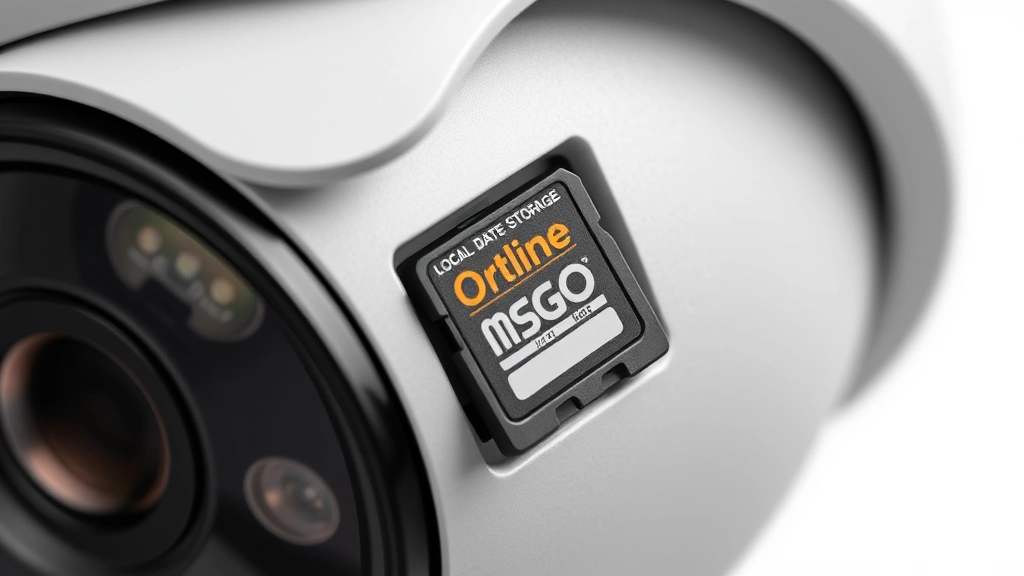
Battery powered security cameras without WiFi functionality operate on fundamentally different principles than connected IoT devices. These systems utilize local storage mechanisms such as SD cards, microSD slots, or built-in flash memory to record video footage directly without transmitting data across networks. The camera captures video, processes it locally, and stores it on physical media that remains in your possession at all times.
Modern no-WiFi cameras employ sophisticated motion detection algorithms that activate recording only when movement occurs within their field of view. This intelligent triggering mechanism dramatically extends battery life by preventing continuous recording and unnecessary power consumption. Many models feature adjustable sensitivity settings, allowing homeowners to customize detection parameters based on their specific environment and security needs.
The absence of wireless connectivity doesn’t mean these cameras lack intelligence. Advanced models incorporate edge computing capabilities, processing video data on the device itself rather than relying on cloud servers. This local processing ensures that video analysis happens instantaneously without latency issues or dependency on internet bandwidth. Homeowners reviewing footage experience immediate playback without buffering delays associated with cloud-based systems.
These cameras typically feature high-resolution sensors ranging from 1080p to 4K quality, providing clear identification of faces, license plates, and other critical details. Night vision capabilities utilizing infrared LEDs or low-light sensors enable 24-hour monitoring regardless of lighting conditions. Wide-angle lenses and adjustable mounting options ensure comprehensive coverage of entry points, driveways, and perimeter areas.
Key Advantages of Battery Powered Systems
Security through isolation represents the primary advantage of battery powered cameras without WiFi connectivity. These devices cannot be remotely hacked, their signals cannot be intercepted, and they don’t participate in any network that could be compromised. This fundamental security posture makes them exceptionally resistant to the cyberattacks that plague connected smart home devices. Unlike internet-connected alternatives, no-WiFi cameras eliminate entire categories of vulnerability.
Installation flexibility stands as another significant benefit. Without requiring network configuration, WiFi passwords, or router proximity, these cameras deploy anywhere within your property. Remote locations far from your home’s wireless infrastructure become viable monitoring points. Renters appreciate no-WiFi options since they don’t require network access permissions or modifications to existing home infrastructure. The setup process typically involves mounting the camera, inserting a storage device, and activating power—no technical expertise required.
Privacy protection reaches maximum levels with offline storage systems. Your video footage never travels through internet service provider networks, cloud servers, or third-party platforms. No data collection companies monitor your home activities. No subscription services hold your surveillance data hostage. This complete data autonomy appeals to privacy advocates and those concerned about digital surveillance capitalism.
Cost efficiency improves substantially without recurring subscription fees. Traditional WiFi cameras often require monthly payments for cloud storage, remote access, and advanced features. Battery powered no-WiFi alternatives eliminate these ongoing expenses. Initial investment remains competitive with connected alternatives, but lifetime costs decrease dramatically due to absence of service subscriptions.
Power independence provides operational resilience during internet outages. When broadband services fail, battery powered cameras continue functioning normally. This capability proves invaluable during emergencies, natural disasters, or infrastructure failures when home security matters most. Your surveillance system remains operational regardless of external network conditions.
Storage Solutions for Offline Cameras
MicroSD card technology dominates offline camera storage, offering reliable, affordable, and expandable capacity. Most battery powered models accommodate standard microSD cards ranging from 32GB to 1TB capacity. High-speed cards rated for continuous recording ensure smooth video capture without dropped frames or buffering interruptions. When selecting storage devices, prioritize cards specifically designed for video surveillance with consistent write speeds and enhanced durability.
Storage capacity calculations depend on video resolution, frame rate, and compression algorithms. A 1080p camera recording at 30 frames per second typically consumes approximately 1GB per hour of continuous footage. Higher resolutions like 2K or 4K increase consumption proportionally. Loop recording functionality automatically overwrites oldest footage when storage reaches capacity, ensuring continuous monitoring without manual intervention. This feature prevents accidental data loss due to full storage conditions.
Built-in flash memory alternatives eliminate dependency on external storage cards. Some premium models include integrated storage ranging from 32GB to 256GB, providing substantial recording capacity without additional purchases. These integrated systems offer advantages in durability and weatherproofing, as they don’t require openable access ports for card insertion. However, they provide less flexibility for capacity expansion compared to microSD-based systems.
Hybrid storage approaches combine local devices with optional cloud backup for critical footage. Some no-WiFi cameras include USB connectivity enabling direct file transfer to computers or external hard drives. This approach maintains your offline security posture while allowing selective backup of important recordings. You retain complete control over which footage transfers and where it stores, avoiding automatic cloud synchronization.
Storage redundancy strategies protect against device failure or accidental footage loss. Maintaining multiple backup copies on separate devices ensures critical security recordings survive hardware failures. Regular manual exports of important footage to external storage creates additional protection layers. For high-value property or security-critical applications, dual-camera setups recording to independent storage devices provide ultimate redundancy.
Installation Best Practices
Camera placement determines surveillance effectiveness more than any other factor. Entry points including front doors, back doors, and garage entrances demand priority positioning. These locations capture individuals entering your property, providing essential identification evidence. Side yard areas and perimeter boundaries deserve secondary placement to detect unauthorized access attempts from less obvious angles.
Height considerations significantly impact identification capability. Mounting cameras 8-10 feet above ground positions them at angles that capture facial features clearly when individuals look toward the property entrance. Lower placements risk capturing only the top of heads or obscured faces. Conversely, excessively high mounting angles looking downward may miss important details from standing individuals. Finding optimal height balance ensures maximum identification potential.
Weatherproofing requirements vary by climate and mounting location. Cameras exposed to direct rainfall need IP65 or higher water resistance ratings. Extreme temperature environments demand cold-weather battery formulations and thermal stabilization features. Direct sunlight causes glare and sensor degradation, so strategic shade positioning extends equipment lifespan. Overhanging eaves, soffit placement, or protective enclosures shield cameras from harsh weather while maintaining clear sightlines.
Angle optimization prevents wasted coverage and maximizes monitoring effectiveness. Avoid pointing cameras directly into bright light sources or reflective surfaces that cause washout. Position lenses to cover high-traffic areas rather than empty lawn spaces. Test camera views before permanent installation by positioning them temporarily and reviewing captured footage. This preview process reveals blind spots and allows adjustments before final mounting.
Concealment considerations balance deterrence and covert monitoring. Visible cameras deter casual opportunists and advertise that property surveillance exists. Hidden cameras capture unguarded behavior and identify individuals who specifically target properties with visible security. Many homeowners employ combination approaches with obvious cameras as deterrents and concealed units capturing additional evidence.
Cable management and power routing prevent tripping hazards and weather exposure. Run power cables along building edges, roof lines, or underground conduits rather than across open ground. Weatherproof cable covers protect exposed wiring from UV degradation and moisture infiltration. For battery powered models, establish regular charging schedules and accessible charging locations that don’t require extensive cable runs.
Comparing Top No-WiFi Camera Models
Professional-grade battery powered cameras like the Hikvision DS-2CD2443G0-I represent enterprise-quality offline surveillance. These models feature exceptional 4MP resolution, intelligent motion detection, and SD card storage supporting up to 256GB capacity. Extended battery life reaches 90+ days under typical conditions. The robust construction withstands harsh environmental conditions, making them suitable for long-term outdoor deployment. However, premium pricing reflects their professional capabilities and advanced features.
Mid-range alternatives such as the Reolink Argus 3 Pro balance capability and affordability effectively. These cameras deliver 2K resolution, impressive night vision, and reliable battery performance lasting 3-4 months between charges. Two-way audio enables direct communication, and person detection algorithms reduce false alarms from non-human movement. The user-friendly interface appeals to homeowners without technical backgrounds. Competitive pricing makes them accessible to budget-conscious security implementers.
Budget-friendly options from established manufacturers maintain quality while minimizing investment. These models typically feature 1080p resolution, basic motion detection, and battery life extending 1-2 months. Storage capacity limits remain modest at 32-64GB, requiring regular footage review and archival. Despite reduced capabilities, budget models provide legitimate security monitoring for secondary locations or supplementary coverage areas.
Specialized models address specific security scenarios. Doorbell cameras integrate monitoring at entry points with direct visitor communication. Panoramic models capture wider fields of view with multiple lenses. Thermal imaging cameras detect heat signatures in complete darkness, useful for perimeter security. Underwater-rated models monitor pools and water features. Selecting the right model type for your specific application ensures optimal functionality and cost-effectiveness.
Battery Life and Maintenance
Battery technology fundamentally determines camera practicality and operational costs. Lithium-ion batteries dominate modern designs due to superior energy density, extended lifespan, and predictable discharge curves. Quality batteries maintain 80% capacity after 500+ charge cycles, translating to 2-3 years of reliable service. Battery management systems prevent overcharging and over-discharging that degrades performance.
Environmental factors dramatically impact battery performance. Cold temperatures reduce battery capacity significantly, with some models losing 30-50% performance in freezing conditions. Conversely, excessive heat accelerates chemical degradation and shortens lifespan. Optimal operating ranges typically fall between 32-104°F (0-40°C). Seasonal adjustments to monitoring intensity help manage battery consumption in temperature extremes.
Motion detection sensitivity directly correlates with battery consumption. Aggressive sensitivity triggering continuous recordings depletes batteries rapidly, sometimes in weeks rather than months. Balancing detection responsiveness with battery conservation requires parameter tuning based on your specific environment. Adjusting sensitivity downward for low-traffic periods or off-hours extends battery life significantly.
Charging infrastructure planning prevents operational gaps. Weatherproof charging stations near camera locations simplify maintenance workflows. USB-C charging compatibility with standard mobile chargers offers convenience and cost savings. Some models feature solar panel integration, enabling indefinite operation without manual charging. Evaluating charging accessibility during installation prevents frustration during regular maintenance cycles.
Preventive maintenance extends equipment lifespan and ensures reliable operation. Regular lens cleaning removes dust and environmental buildup that degrades image quality. Battery health monitoring through device indicators alerts users to declining performance. Firmware updates when available improve functionality and address security issues. Seasonal inspections identify weathering, corrosion, or mounting deterioration requiring attention.
Security Considerations for Offline Systems
Physical security becomes paramount for offline systems lacking remote monitoring capabilities. Cameras mounted accessibly to thieves risk removal and destruction. Strategic placement behind barriers, at heights difficult to reach, or in concealed locations protects equipment from tampering. Dummy cameras paired with hidden real units provide deterrent value while protecting actual monitoring devices. For high-value properties, consider protective enclosures or reinforced mounting brackets.
Footage protection mechanisms prevent unauthorized access to recorded data. Storing microSD cards in secure locations separate from camera bodies protects data even if equipment is stolen. Password-protecting USB access to stored files prevents casual viewing. Encryption of sensitive footage adds protection layers, though this requires compatible playback equipment. Consider NIST guidelines on data protection when developing security protocols for sensitive recordings.
Chain-of-custody procedures maintain evidence integrity for legal proceedings. Documenting footage timestamps, storage locations, and handling procedures creates verifiable records acceptable in court. Avoiding footage editing or manipulation preserves evidentiary value. Maintaining original files alongside any copies ensures authentication capability. These practices prove essential if security recordings become evidence in criminal or civil proceedings.
Legal compliance considerations vary by jurisdiction regarding surveillance in residential settings. Recording audio typically requires all-party consent in many regions, making video-only recording the safest approach. Recording individuals in areas with reasonable privacy expectations (bathrooms, bedrooms) violates laws universally. Reviewing local statutes before installation ensures compliance with applicable regulations. Consulting legal professionals for high-security implementations provides confidence in lawful operation.
Cybersecurity for storage devices remains important despite offline operation. Computers used to review or backup footage should employ robust security practices including antivirus software and regular updates. USB devices used for footage transfer should be dedicated to security purposes only, minimizing malware exposure risks. Air-gapped systems storing critical security footage maintain maximum isolation from potential compromise.
Incident response planning prepares for security breaches or equipment failures. Documenting camera locations, storage capacity, and battery schedules enables rapid response to issues. Maintaining spare parts including batteries and storage cards prevents extended monitoring gaps. Regular backup procedures ensure footage survives device failures. Developing response procedures for theft, vandalism, or equipment damage minimizes security impact.
FAQ
How long do battery powered security cameras typically operate between charges?
Battery life varies significantly based on model, environmental conditions, and usage patterns. Most quality no-WiFi cameras operate 2-4 months between charges under typical conditions with motion-based recording. Factors including cold temperatures, continuous recording, and aggressive motion detection sensitivity reduce battery life substantially. Premium models with larger batteries or solar charging capabilities extend operational periods to 6+ months. Reviewing manufacturer specifications and real-world user reports provides accurate expectations for specific models.
Can I view footage from offline cameras remotely without WiFi?
True remote viewing requires internet connectivity, which contradicts no-WiFi system principles. However, alternative approaches provide flexibility. Visiting the camera location with a laptop or tablet allows direct playback from microSD cards. USB-equipped models enable data transfer to portable drives for viewing elsewhere. Some homeowners employ hybrid approaches using cellular hotspots for selective viewing while maintaining primary offline operation. This balance preserves security benefits while enabling occasional remote access.
What storage capacity do I need for continuous monitoring?
Storage requirements depend on resolution, frame rate, and compression. A 1080p camera recording continuously consumes approximately 1GB hourly. A 256GB microSD card provides roughly 10 days continuous recording at 1080p. Loop recording overwrites oldest footage automatically, enabling indefinite operation within storage limits. For 30-day retention at 1080p, calculate roughly 720GB capacity (30 days × 24 hours × 1GB/hour). Motion-triggered recording dramatically reduces requirements by recording only when activity occurs.
Are no-WiFi cameras less secure than connected alternatives?
No-WiFi cameras actually provide superior security by eliminating network vulnerability categories entirely. They cannot be remotely hacked, their signals cannot be intercepted, and they don’t participate in compromised networks. Connected cameras face risks from IoT botnets, man-in-the-middle attacks, and cloud service breaches. The tradeoff involves losing remote viewing convenience in exchange for eliminating entire attack surfaces. For maximum security, offline systems prove superior to internet-connected alternatives.
Can battery powered cameras work in extreme weather conditions?
Operating temperature ranges vary by model, typically 14-122°F (-10-50°C). Cold temperatures significantly reduce battery capacity and performance. Heavy rain requires IP65 or higher waterproofing ratings. Direct sunlight causes sensor degradation and glare. Strategic placement protecting cameras from weather extremes while maintaining clear sightlines optimizes performance. Some premium models include thermal management and enhanced weatherproofing for harsh environments. Reviewing environmental specifications ensures selection of models suitable for your climate.
How do I back up important security footage?
Regular manual exports to external storage create backup copies. USB card readers enable microSD card data transfer to computers or external drives. Dedicated security storage devices provide specialized backup solutions. Cloud backup of selected critical footage maintains offline security while creating geographic redundancy. Establishing regular backup schedules (weekly or monthly) ensures important footage survives device failures. Maintaining multiple backup copies on separate devices provides ultimate protection against data loss.


