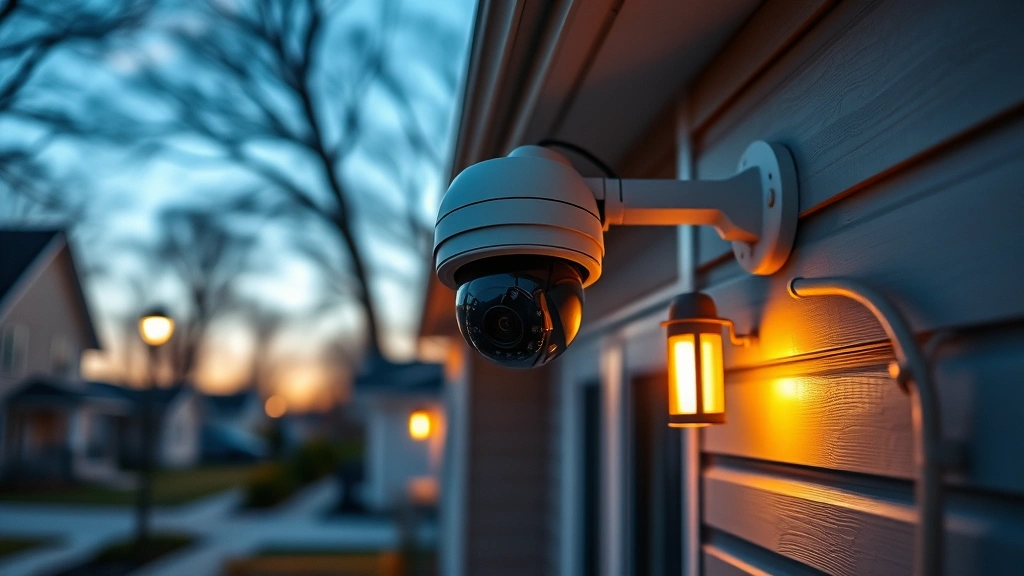
Best Outdoor Security Camera? Tech Guru Insights on Battery Operated Solutions
Home security has evolved dramatically over the past decade, and battery operated outdoor security cameras now represent one of the most practical and accessible options for homeowners seeking comprehensive surveillance without complex installation. Unlike their wired counterparts, these wireless systems offer flexibility, ease of deployment, and freedom from electrical infrastructure constraints. Whether you’re protecting a remote property, rental unit, or simply want to upgrade your existing security setup, understanding the nuances of battery-powered cameras is essential.
The shift toward battery-operated solutions reflects broader changes in consumer technology preferences. Modern homeowners demand systems that balance professional-grade functionality with user-friendly installation and operation. Battery cameras accomplish this by eliminating the need for electricians, extensive wiring, and permanent modifications to your property. This democratization of security technology means that robust surveillance is now within reach for virtually any budget and property type.
In this comprehensive guide, we’ll explore the critical factors that differentiate quality outdoor security cameras, examine real-world performance metrics, and provide actionable insights from cybersecurity and surveillance experts. Our focus remains on identifying solutions that deliver genuine security value while maintaining reasonable battery life and operational efficiency.
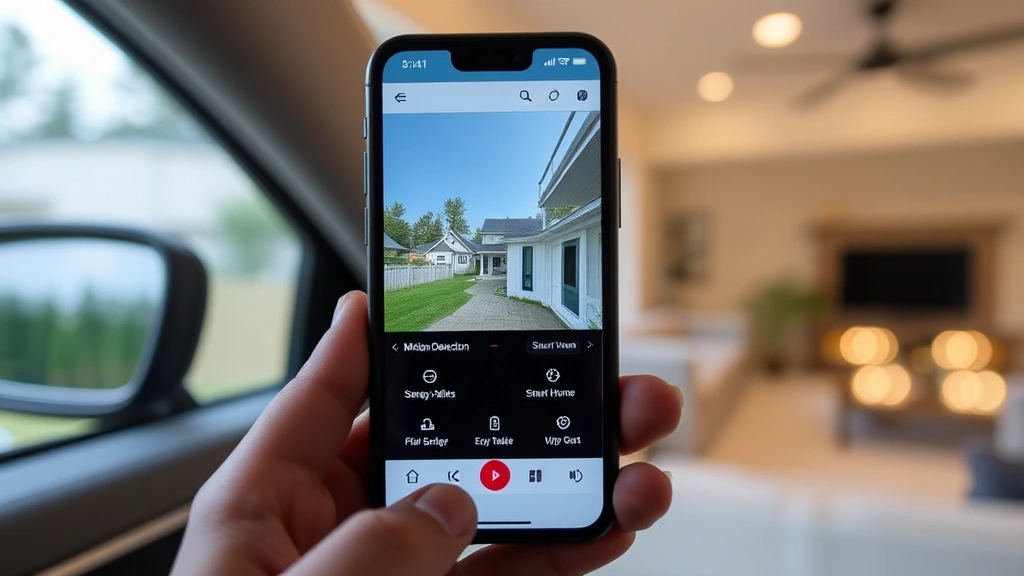
Understanding Battery Operated Outdoor Security Cameras
Battery operated outdoor security cameras function as standalone surveillance devices that capture, process, and transmit video footage without dependence on power outlets or complex electrical infrastructure. The fundamental appeal lies in their independence—you mount them where they’re needed, configure them via mobile applications, and let them operate autonomously. This architectural simplicity, however, masks considerable technological sophistication beneath the surface.
Modern battery cameras employ advanced power management systems that balance video quality, transmission frequency, and standby modes to maximize operational duration. The typical battery-powered camera uses rechargeable lithium-ion batteries that can sustain 3-6 months of operation under normal conditions, though this varies significantly based on environmental factors, usage patterns, and specific device configurations. Some premium models incorporate solar charging panels that can extend battery life indefinitely under adequate sunlight conditions.
The wireless transmission protocols employed by these cameras—primarily WiFi and cellular networks—represent another critical dimension of their functionality. WiFi cameras offer lower latency and better image transmission quality when positioned near your router, while cellular models provide coverage in remote locations where traditional internet infrastructure may be absent. Understanding these distinctions helps you select systems aligned with your specific property topology and connectivity landscape.
Key Technical Specifications and Performance Metrics
When evaluating battery powered outdoor cameras, several technical parameters deserve your attention. Resolution, measured in megapixels, directly impacts your ability to identify faces, license plates, and other critical details. Most quality outdoor cameras now offer 1080p (2 megapixels) minimum resolution, with many premium options delivering 2K (2560×1440) or 4K (3840×2160) capabilities. Higher resolution demands greater battery consumption and storage requirements, so balance your identification needs against operational constraints.
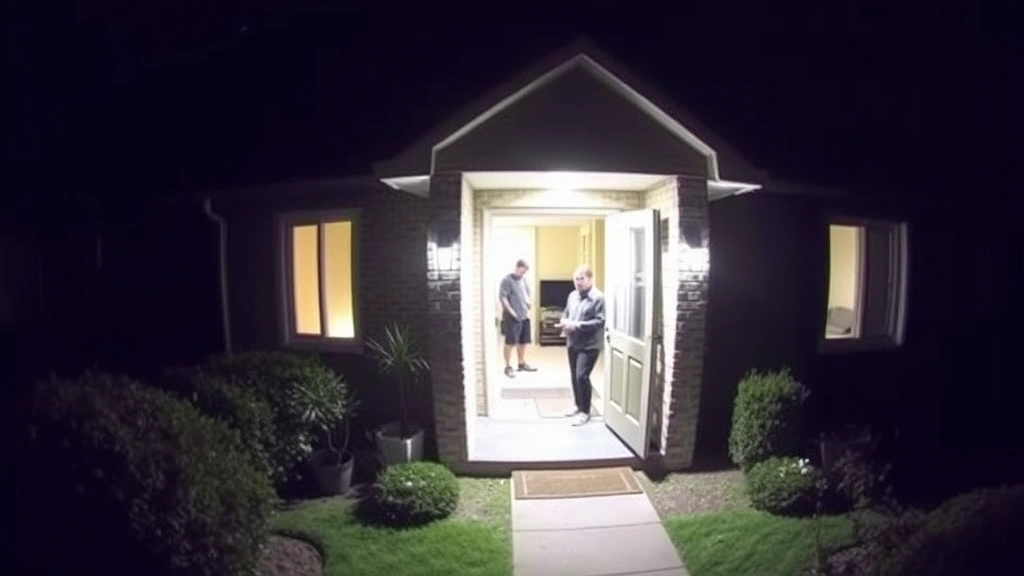
Night vision capability—typically achieved through infrared LEDs or thermal imaging—proves essential for 24-hour surveillance effectiveness. Infrared night vision penetrates darkness up to 20-30 feet for most consumer-grade cameras, while advanced thermal imaging can detect heat signatures at significantly greater distances. Consider your property’s lighting conditions and the distance at which you need identification capability when evaluating these specifications.
Field of view (FOV) determines the spatial coverage each camera provides. Standard models offer 90-110 degrees horizontal FOV, adequate for monitoring doorways and pathways. Wide-angle options extend to 150+ degrees, useful for covering large areas but introducing barrel distortion that can complicate facial recognition. Panoramic or multi-sensor cameras can stitch together multiple perspectives for comprehensive coverage without distortion artifacts.
Weather resistance ratings—typically expressed as IP (Ingress Protection) codes—indicate durability against environmental challenges. IP65 ratings provide excellent protection against rain, dust, and temperature extremes suitable for most climates. IP67 ratings offer even greater resilience, withstanding temporary submersion. For coastal properties or areas with severe weather, these specifications become critical decision factors.
Frame rate, measured in frames per second (fps), affects video smoothness and motion detection accuracy. Most outdoor cameras operate at 24-30 fps during normal recording, adequate for surveillance purposes. Higher frame rates (60 fps) improve motion clarity but consume battery power more rapidly and require greater storage capacity.
Top Contenders: Features and Comparisons
The outdoor security camera market includes several standout performers that exemplify different approaches to balancing performance, cost, and practicality. Leading options typically feature advanced motion detection algorithms that distinguish between humans, vehicles, and environmental disturbances like wind-blown vegetation or passing clouds. This artificial intelligence-driven filtering reduces false alerts that plague less sophisticated systems.
Premium brands often incorporate two-way audio systems enabling real-time communication with visitors or potential intruders. This functionality, combined with siren capabilities, transforms passive cameras into active deterrent systems. The psychological impact of an occupant responding to a doorbell visitor—even remotely—significantly increases security effectiveness beyond what static video recording alone provides.
Cloud storage integration has become standard across quality camera systems, with most offering tiered plans ranging from free limited storage to comprehensive archival solutions. Local storage options—via SD cards or network attached storage (NAS) devices—provide alternatives for privacy-conscious users who wish to avoid cloud dependencies. Hybrid approaches combining local and cloud storage offer optimal flexibility and redundancy.
Integration capabilities with popular smart home platforms like Amazon Alexa, Google Home, and Apple HomeKit expand functionality beyond standalone surveillance. These integrations enable voice commands, automated routines based on camera events, and consolidated control through unified mobile applications. When evaluating systems, verify compatibility with your existing smart home infrastructure.
Installation and Placement Strategy
Optimal camera placement maximizes coverage while accounting for environmental factors that degrade performance. Position cameras at 8-10 feet elevation to balance facial recognition capability with protection from tampering or vandalism. Higher mounting—15+ feet—provides superior coverage of larger areas but compromises detailed identification at ground level.
Angle cameras slightly downward (15-30 degrees) to capture faces of approaching visitors while minimizing sky exposure that can cause backlit silhouettes. Avoid positioning cameras where direct sunlight creates lens glare or where vegetation can obstruct views as it grows seasonally. Test placement during both day and night conditions before finalizing permanent installation.
Strategic redundancy—deploying multiple cameras to monitor the same critical area from different angles—dramatically improves identification success rates and provides coverage if one unit malfunctions. Entry points, vehicle parking areas, and perimeter boundaries warrant this multi-camera approach, while less critical zones may justify single-camera coverage.
WiFi signal strength proves crucial for battery camera performance. Cameras operating on weak WiFi signals consume significantly more power as they struggle to maintain connectivity and transmit video. Conduct site surveys measuring signal strength (typically -50 dBm or stronger indicates adequate performance) before finalizing placement. WiFi range extenders or mesh network systems may be necessary for remote property areas.
Data Security and Privacy Considerations
Battery operated outdoor security cameras create valuable datasets that attract sophisticated threat actors. According to CISA (Cybersecurity and Infrastructure Security Agency), compromised IoT devices including security cameras frequently become vectors for lateral network attacks. Protecting your camera system requires understanding both device-level security and broader network architecture considerations.
Ensure cameras employ modern encryption standards (TLS 1.2 or higher) for all data transmission, including video streams and configuration communications. Verify that manufacturers implement regular security updates addressing newly discovered vulnerabilities. Outdated firmware represents one of the most common security weaknesses in deployed camera systems, as many users neglect firmware updates indefinitely.
Create strong, unique passwords for all camera accounts, avoiding default credentials that attackers can exploit through automated scanning. Enable two-factor authentication wherever available to prevent unauthorized account access even if passwords become compromised. Review access logs periodically to identify suspicious login attempts from unfamiliar locations.
Network segmentation—placing cameras on isolated WiFi networks separate from devices handling sensitive data like financial accounts or health information—limits damage if a camera system becomes compromised. Modern routers typically support guest networks or IoT-specific SSIDs that enable this isolation. While this approach requires slightly more complex initial configuration, the security benefits justify the modest additional effort.
Research manufacturer privacy policies carefully, as camera systems collect and transmit video containing your property, visitors, and potentially sensitive activities. Some manufacturers retain footage longer than necessary or share anonymized data with third parties for analytics purposes. Electronic Frontier Foundation resources provide detailed privacy assessment frameworks for evaluating these policies.
Consider local privacy regulations governing video surveillance. Many jurisdictions restrict recording audio without consent, limit surveillance of neighboring properties, or require disclosure signage. Consulting local regulations before deployment prevents potential legal complications and ensures your security system remains compliant with applicable law.
Battery Life and Maintenance Best Practices
Maximizing battery longevity requires understanding the power consumption characteristics of your specific camera model. Video recording consumes the most power, followed by WiFi transmission, infrared illumination, and processing. Cameras operating in well-lit environments with minimal motion detection events will sustain significantly longer battery life than those in dark areas with frequent activity.
Enable power-saving features available in most quality cameras. “Smart recording” modes activate video capture only during detected motion, reducing idle power consumption. “Adaptive bitrate” transmission adjusts video quality based on network conditions, preventing unnecessary high-quality transmissions over poor connections. These features can extend battery life 30-50% compared to continuous recording modes.
Seasonal adjustments optimize battery performance across temperature variations. Cold weather significantly reduces battery capacity—expect 20-40% performance reduction in freezing temperatures compared to optimal conditions. Conversely, extreme heat can damage batteries permanently. Positioning cameras to minimize direct sun exposure and selecting models with extended operating temperature ranges helps mitigate these environmental factors.
Establish regular maintenance schedules including lens cleaning, which accumulates dust and moisture reducing image clarity and increasing motion detection false positives. Clean lenses monthly or quarterly depending on your environment. Inspect weatherproofing seals annually, replacing them if visible deterioration appears. These simple maintenance tasks prevent performance degradation that could compromise security effectiveness.
Battery replacement timing depends on your specific model and usage patterns. Most quality cameras provide battery health indicators via mobile applications, alerting you when capacity drops below acceptable thresholds. Plan replacement before battery depletion leaves your property unmonitored. Purchasing replacement batteries in advance prevents security gaps during lead time.
Integration with Smart Home Ecosystems
Modern outdoor security camera systems function most effectively as components within broader smart home security frameworks rather than isolated devices. Integration with motion sensors, door/window contacts, and smart locks enables sophisticated automation scenarios that enhance both security and convenience.
Geofencing capabilities—using smartphone location data to trigger camera recording or alert profiles when residents leave or approach home—provide contextual awareness that improves system responsiveness. When geofencing indicates nobody home, cameras can shift to enhanced alert sensitivity, immediately notifying you of any motion detection. Conversely, when you’re present, the system can suppress non-critical alerts while maintaining recording for security archival.
Integration with NIST cybersecurity guidelines frameworks helps ensure your smart home security implementation follows established security architecture principles. The NIST Cybersecurity Framework provides structured approaches to identifying, protecting, detecting, and responding to security incidents across connected systems.
Voice control integration enables convenient system management without manual app interaction. “Alexa, show me the front door camera” provides instant visual confirmation of visitors without fumbling with smartphones. “Google Home, arm my security system” triggers coordinated actions across multiple devices. This accessibility encourages more frequent security awareness compared to systems requiring deliberate app launching.
Automation rules linking camera events to other smart home devices create powerful security responses. Motion detection triggering lights, siren activation, or door locking provides layered security responses beyond passive video recording. These automated responses work continuously, independent of human attention, providing 24/7 active protection.
Cross-platform compatibility assessment helps prevent vendor lock-in and ensures long-term system flexibility. Cameras supporting IFTTT (If This Then That) integration or open API standards provide greater flexibility for custom automation compared to proprietary ecosystems. This flexibility becomes increasingly valuable as your smart home expands with additional devices.
Frequently Asked Questions
How long do outdoor security camera batteries typically last?
Quality battery operated outdoor cameras typically sustain 3-6 months of operation under normal conditions, depending on activity levels, environmental temperature, and power-saving settings. Models with solar panels can extend operational duration indefinitely under adequate sunlight exposure. Cold weather significantly reduces battery life—expect 20-40% performance reduction in freezing temperatures. High-activity environments with frequent motion detection drain batteries more rapidly than low-activity areas. Most manufacturers provide battery health indicators via mobile applications, alerting users when replacement becomes necessary.
Can battery cameras provide adequate nighttime surveillance?
Modern battery cameras employ infrared LEDs or thermal imaging providing effective night vision capability. Standard infrared systems penetrate darkness 20-30 feet, adequate for monitoring entry points and immediate surroundings. Thermal imaging extends detection range significantly but increases power consumption. Position cameras to minimize direct light sources that can wash out infrared illumination. Test night performance before finalizing placement to ensure adequate coverage for your specific security needs.
What weather conditions affect outdoor camera performance?
Extreme temperatures—both hot and cold—impact battery capacity and electronic component reliability. Freezing temperatures reduce battery capacity 20-40%, while extreme heat can damage batteries permanently. Heavy rain and snow accumulation on lenses degrades image quality and triggers false motion detection. IP65 or IP67 rated cameras provide excellent weather resistance for most climates. Regular lens cleaning and weatherproofing seal inspection help maintain performance across seasonal variations. Position cameras to minimize direct sun exposure in hot climates.
Are battery cameras secure against hacking?
Battery camera security depends on firmware currency, strong authentication, and network architecture. Outdated firmware represents the most common vulnerability—ensure your camera manufacturer provides regular security updates and deploy them promptly. Use strong, unique passwords and enable two-factor authentication. Network segmentation—placing cameras on isolated networks separate from sensitive devices—limits damage if compromise occurs. Verify manufacturers encrypt all data transmission with modern standards (TLS 1.2+). Review privacy policies to understand data retention and sharing practices.
How do I choose between WiFi and cellular battery cameras?
WiFi cameras offer lower latency, better image transmission quality, and no recurring service fees when positioned near adequate WiFi coverage. Cellular cameras provide coverage in remote locations without WiFi infrastructure but require monthly service plans. Evaluate your property’s connectivity landscape—if strong WiFi coverage exists throughout monitored areas, WiFi cameras typically offer superior performance and lower lifetime costs. For remote properties or areas with poor WiFi, cellular options justify their recurring expenses through coverage reliability.
What resolution do I need for effective identification?
1080p (2 megapixels) provides adequate resolution for most residential applications, enabling clear facial identification within 10-15 feet. 2K (2560×1440) cameras improve identification ranges to 15-25 feet, useful for larger properties or perimeter monitoring. 4K (3840×2160) provides excellent detail but consumes more battery power and requires greater storage capacity. Consider your identification requirements—doorbell monitoring needs less resolution than perimeter surveillance—and balance against battery life constraints. Test specific models at your property before committing to higher resolutions that may impact operational duration.


