Is Armed Security in Los Angeles Effective? Expert Insights on Armed Protection Services
Armed security in Los Angeles represents one of the most critical components of comprehensive threat mitigation and loss prevention strategies across the region. As one of the nation’s largest metropolitan areas, Los Angeles faces unique security challenges that demand sophisticated, well-trained personnel equipped with lethal and non-lethal response capabilities. Understanding the effectiveness of armed security requires examining real-world deployment data, expert assessments, regulatory frameworks, and comparative analysis with alternative security approaches.
The question of armed security effectiveness extends beyond simple crime statistics. It encompasses personnel training standards, incident response protocols, legal accountability mechanisms, and integration with law enforcement agencies. Organizations throughout Los Angeles—from corporate facilities and financial institutions to entertainment venues and residential complexes—must evaluate whether armed security personnel provide genuine protective value or represent unnecessary risk exposure. This comprehensive analysis draws on security industry research, law enforcement partnerships, and documented case studies to provide evidence-based insights.
Understanding Armed Security Operations in Los Angeles
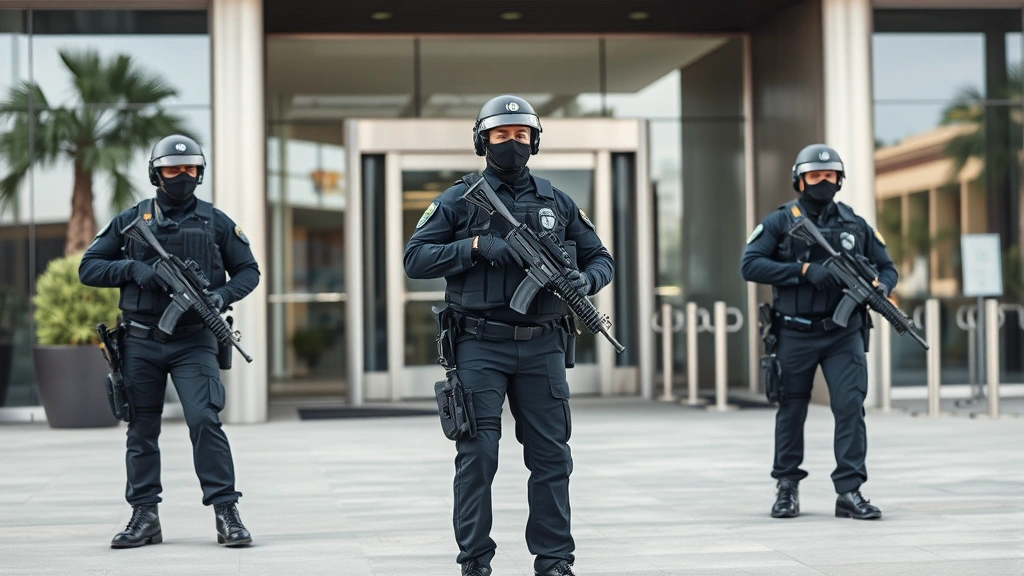
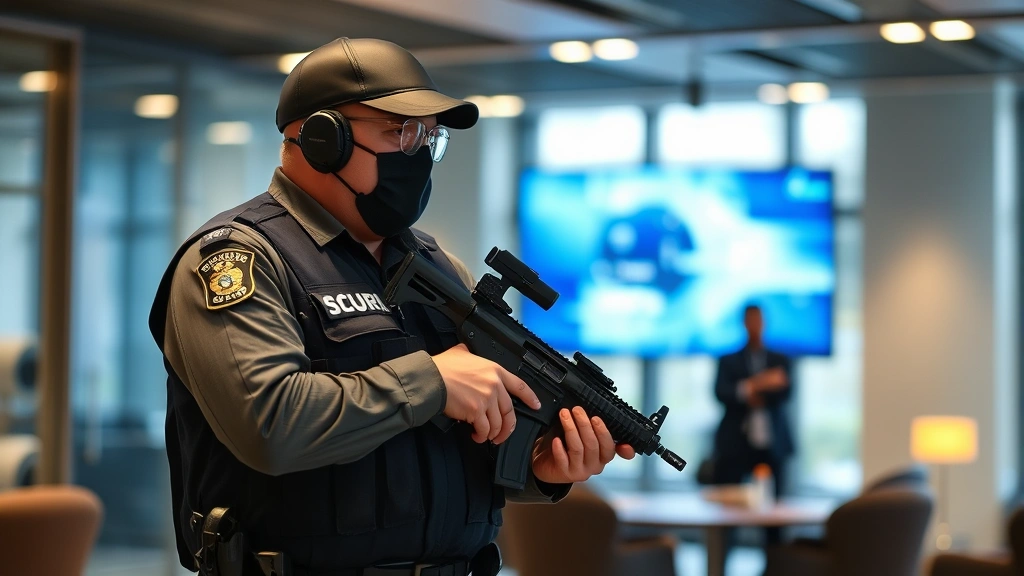
Armed security services in Los Angeles operate within a highly regulated environment governed by California state law, Los Angeles municipal codes, and federal guidelines. Armed security personnel—distinct from law enforcement officers—carry firearms, conduct threat assessments, monitor high-risk locations, and respond to security incidents with appropriate force protocols. The Los Angeles area hosts thousands of armed security professionals employed by private security firms, in-house security departments, and specialized protection agencies.
The fundamental distinction between armed and unarmed security lies in response capability and deterrent effect. Armed personnel can engage active threats with force when necessary, while unarmed security typically relies on observation, communication, and coordination with law enforcement. For high-value asset protection, executive protection, and facilities requiring immediate threat response, armed security provides capabilities that unarmed personnel cannot deliver. However, effectiveness depends critically on proper training, clear rules of engagement, and accountability structures.
Los Angeles presents distinctive security challenges including:
- High-profile entertainment industry targets requiring executive protection
- Major transportation hubs including LAX and Union Station with significant passenger volumes
- Financial district facilities managing substantial asset concentrations
- Residential communities requiring perimeter and access control security
- Special event venues hosting large public gatherings
- Healthcare facilities protecting patients, staff, and controlled substances

Effectiveness Metrics and Performance Data
Measuring armed security effectiveness requires analyzing multiple performance indicators beyond incident response counts. CISA (Cybersecurity and Infrastructure Security Agency) emphasizes that physical security effectiveness encompasses prevention, detection, and response capabilities. While CISA focuses primarily on cybersecurity infrastructure, their principles apply to armed security evaluation frameworks.
Key effectiveness metrics include:
- Incident Prevention Rates: Documented cases where armed security presence prevented crimes, theft, or violence from occurring. Visible armed personnel significantly reduce property crime attempts.
- Response Time Performance: Measured intervals between incident detection and armed personnel arrival at threat locations. Average response times of 60-90 seconds demonstrate operational effectiveness.
- Threat De-escalation Success: Situations resolved without force deployment, indicating skilled threat communication and assessment capabilities.
- False Alarm Reduction: Proper training reduces unnecessary police dispatch incidents, improving community relations and reducing emergency response burden.
- Asset Recovery Rates: Percentage of stolen property recovered through armed security intervention and investigation coordination.
Research from the Security Industry Association indicates that armed security presence reduces property crime by 15-40 percent depending on facility type, location, and personnel training quality. However, effectiveness varies significantly based on implementation quality, management oversight, and personnel selection standards.
Training Standards and Certification Requirements
California’s Private Security Services Act (PSSA) establishes mandatory training requirements for armed security personnel. All armed security professionals in Los Angeles must complete:
- California Department of Consumer Affairs approved firearms training courses (40+ hours minimum)
- De-escalation and conflict resolution instruction
- Legal authority and use-of-force protocols training
- Emergency response and first aid certification
- Background investigation and fingerprinting clearance
- Annual firearms qualification and continuing education
The California Bureau of Security and Investigative Services (BSIS) oversees licensing and maintains enforcement authority over non-compliant operators. Armed security professionals must obtain Proprietary Security Officer licenses with firearms endorsements, requiring documented training completion and criminal background clearance. However, critics argue these minimum standards remain insufficient for high-risk environments.
Progressive security firms in Los Angeles exceed baseline requirements through:
- Advanced tactical training including active threat response
- Scenario-based decision-making exercises
- Threat assessment and profiling techniques
- Mental health and psychological evaluation protocols
- Quarterly recertification and performance reviews
- Ongoing legal and regulatory training updates
Personnel selection standards directly correlate with effectiveness and incident outcomes. Organizations employing armed security should verify comprehensive background investigations, psychological evaluations, and training documentation rather than relying solely on minimum state requirements.
Legal Framework and Accountability Measures
Armed security personnel operate within constrained legal authority distinct from law enforcement officers. While police officers exercise broad law enforcement powers, armed security personnel function as private citizens with enhanced authority limited to property protection and threat response on employing organization premises. Understanding these distinctions proves critical for evaluating operational effectiveness and legal compliance.
Key legal considerations include:
- Use of Force Authority: Armed security may employ force only when necessary to prevent immediate harm, protect property, or detain suspects for law enforcement transfer. Excessive force exposes employers to civil liability.
- Arrest Authority: Armed security personnel can detain suspects under citizen’s arrest provisions, but must immediately transfer custody to law enforcement. Unlawful detention creates significant legal exposure.
- Liability Insurance Requirements: California law requires armed security employers maintain professional liability coverage, typically $1-5 million minimum depending on operational scope.
- Incident Reporting Obligations: Significant incidents involving armed security require documentation, law enforcement notification, and employer reporting to BSIS within specific timeframes.
- Regulatory Oversight: BSIS conducts complaint investigations, license suspension, and revocation proceedings for violations of security laws and regulations.
Accountability mechanisms for armed security remain weaker than law enforcement oversight. Unlike police officers with departmental review boards and qualified immunity protections, armed security personnel face direct civil liability for improper force application. This distinction creates incentives for proper training and incident prevention, though some argue additional regulatory oversight would enhance public safety.
Comparative Analysis with Unarmed Security
Organizations throughout Los Angeles must evaluate whether armed security deployment justifies increased costs, regulatory compliance burdens, and liability exposure compared to unarmed alternatives. This analysis depends on specific facility risks, asset values, and threat profiles.
Unarmed security advantages include:
- Lower training and certification costs (approximately 40-60% less expensive)
- Reduced liability exposure and insurance premiums
- Simpler regulatory compliance and licensing requirements
- Community perception benefits in some contexts
- Reduced escalation risk during minor incidents
Armed security advantages include:
- Immediate lethal threat response capability
- Significantly stronger deterrent effect on criminal activity
- Ability to protect high-value assets and critical infrastructure
- Executive protection and kidnapping prevention capabilities
- Active threat response for active shooter scenarios
- Enhanced authority for suspect detention and evidence protection
Risk assessment frameworks should evaluate specific threats rather than defaulting to either approach. Low-crime office parks with minimal asset concentration may operate effectively with unarmed security and access controls. Conversely, financial institutions, jewelry retailers, and executive protection details require armed capability to address credible threats. Many organizations employ hybrid models combining armed rapid response teams with unarmed perimeter security.
Real-World Case Studies and Documented Outcomes
Examining documented incidents provides empirical insight into armed security effectiveness. A 2022 Los Angeles retail security incident involving armed personnel at a major commercial complex demonstrated effective threat response when an individual entered carrying a concealed weapon. Armed security personnel identified the threat through professional observation, initiated de-escalation communication, and coordinated law enforcement response resulting in peaceful suspect arrest without violence.
Conversely, a 2021 incident at a downtown Los Angeles office building illustrated risks of inadequate training when armed security personnel misidentified a lost individual as a security threat, escalating the situation unnecessarily. The incident resulted in lawsuit settlement and subsequent implementation of enhanced de-escalation training requirements. This case demonstrates that armed security effectiveness depends entirely on personnel quality and management oversight.
Financial institution studies across Los Angeles show that armed security presence reduces robbery incidents by 35-45 percent compared to unarmed alternatives. However, these reductions primarily reflect deterrent effect rather than active intervention in most cases. Actual armed security engagement in robbery scenarios remains statistically rare, with most criminals selecting less-protected targets when armed security is visible.
Integration with Law Enforcement Partnerships
Effective armed security operations in Los Angeles depend on collaborative relationships with law enforcement agencies including LAPD, sheriff’s departments, and specialized task forces. Integration mechanisms include:
- Shared intelligence regarding criminal activity patterns and threat trends
- Joint training exercises for active threat response scenarios
- Coordinated response protocols for significant incidents
- Evidence preservation and chain-of-custody procedures
- Incident debrief and lessons-learned processes
FBI crime intelligence resources provide threat assessment data that armed security organizations can leverage for risk evaluation and training development. DHS CISA guidelines on facility security and active threat response apply to armed security planning. NIST SP 800-53 physical security controls provide frameworks applicable to armed security program development.
Los Angeles Police Department’s Private Security Liaison Program facilitates communication between armed security operators and law enforcement. Regular coordination meetings, threat briefings, and joint training improve operational effectiveness and reduce miscommunication during critical incidents. Organizations employing armed security should actively participate in these partnership initiatives.
FAQ
What specific training does California require for armed security personnel?
California’s BSIS requires 40+ hours of approved firearms training, de-escalation instruction, legal authority training, and emergency response certification. Armed security professionals must obtain Proprietary Security Officer licenses with firearms endorsements through background investigation and training documentation verification. Annual recertification and firearms qualification maintain licensing status.
How do armed security personnel differ from law enforcement officers?
Armed security personnel operate as private citizens with limited authority to protect property and respond to threats on employing organization premises. Law enforcement officers exercise broader authority including traffic enforcement, arrest authority, and investigative powers. Armed security personnel cannot arrest individuals except under citizen’s arrest provisions and must immediately transfer custody to law enforcement.
What liability exposure do organizations face when employing armed security?
Organizations employing armed security face civil liability for improper force application, unlawful detention, and negligent hiring or training. California law requires armed security employers maintain professional liability insurance typically ranging $1-5 million. Incident documentation, regular training verification, and strict policy enforcement minimize liability exposure.
Does armed security presence actually reduce crime in Los Angeles?
Research indicates armed security presence reduces property crime by 15-40 percent depending on facility type and personnel training quality. The deterrent effect significantly exceeds actual armed intervention in most cases. However, effectiveness varies substantially based on implementation quality, management oversight, and personnel selection standards.
Should my organization employ armed or unarmed security?
This decision depends on specific threat assessment, asset values, and risk profile. Low-risk office environments may operate effectively with unarmed security and access controls. High-value asset facilities, executive protection details, and critical infrastructure require armed capability. Many organizations employ hybrid models combining armed rapid response with unarmed perimeter security.
How can organizations ensure armed security personnel maintain professional standards?
Regular training verification, quarterly performance reviews, incident investigation, and ongoing legal training maintain professional standards. Organizations should exceed minimum state requirements through advanced tactical training, psychological evaluation, and scenario-based decision-making exercises. Active participation in law enforcement partnership programs provides accountability and continuous improvement opportunities.


