Get Armed Security License in Texas: Expert Guide
Becoming an armed security professional in Texas requires navigating a complex regulatory landscape, but the opportunity for a rewarding career in protection services makes the effort worthwhile. Texas has established comprehensive requirements through the Texas Department of Public Safety (DPS) and the Texas Commission on Private Security Examiners (TCPSE) to ensure that armed security personnel meet strict standards for training, background checks, and professional conduct.
Whether you’re transitioning from law enforcement, military service, or starting fresh in the security industry, this guide provides you with the essential steps, requirements, and insights needed to successfully obtain your armed security license in Texas. Understanding the nuances of Texas security regulations will help you avoid common pitfalls and accelerate your path to licensure.
Understanding Texas Armed Security Licensing Requirements
Texas distinguishes between unarmed and armed security licenses, with armed positions requiring significantly more stringent qualifications. The Texas Commission on Private Security Examiners, established under the Texas Occupations Code Chapter 1702, oversees all private security licensing in the state. An armed security professional in Texas must meet baseline requirements before even applying for a license.
First, you must be at least 21 years old and a U.S. citizen or permanent resident. You’ll need a high school diploma or GED equivalent, and you cannot have certain criminal convictions on your record. Specifically, felony convictions, crimes involving dishonesty or moral turpitude, and weapons-related offenses will disqualify you from obtaining licensure. Texas takes background integrity seriously because armed professionals have access to weapons and sensitive environments.
The state requires that all applicants demonstrate good moral character through a comprehensive background investigation. This includes reviewing your driving record, financial history, and any civil judgments against you. Employment history verification is mandatory, and the TCPSE will contact previous employers to confirm your work experience and conduct. Understanding these foundational requirements helps you assess your eligibility before investing time and money in training.
Texas also requires that you obtain an armed security license in Texas through proper channels rather than attempting to work armed without credentials. Working as an armed security professional without a valid license is a criminal offense that can result in fines up to $4,000 and potential jail time. This enforcement mechanism ensures that only qualified individuals carry weapons in professional security capacities.
Pre-Licensing Education and Training
Before you can sit for the armed security licensing exam, Texas mandates completion of specific training courses. The state requires a minimum of 40 hours of classroom instruction covering essential security topics. This coursework must be completed through an approved training provider, and the curriculum is standardized across the state to ensure consistency in knowledge and competency.
The required training curriculum covers several critical areas. You’ll learn about Texas security laws and regulations, ethical standards in the security profession, and the legal limitations of private security authority. The coursework includes instruction on access control systems, surveillance equipment operation, emergency response procedures, and communication protocols. Understanding these fundamentals is essential for performing your duties safely and legally.
Additionally, you must complete 8 hours of specialized training in armed security operations if you’re pursuing an armed license. This training covers the legal use of force, liability concerns specific to armed security, and scenario-based decision-making. The armed security training is distinct from general security education and focuses specifically on the responsibilities and risks associated with carrying a firearm in a professional capacity.
Many training providers in Texas offer accelerated programs where you can complete both the general 40-hour requirement and the 8-hour armed security training in intensive weekend courses or week-long programs. However, selecting a reputable, TCPSE-approved training provider is crucial. Verify that your chosen provider is listed on the official TCPSE website before enrolling to ensure your training credits will be accepted toward your license application.
Some applicants with prior law enforcement or military experience may qualify for training hour reductions. If you’ve served in law enforcement within the past five years, you may be eligible for a waiver of some classroom requirements. Similarly, military service with weapons training may count toward your armed security training hours. Contact the TCPSE directly to determine if your background qualifies for any exemptions.
Background Investigation and Fingerprinting Process
The background investigation is one of the most critical components of obtaining your armed security license in Texas. The TCPSE conducts a thorough examination of your history, and any discrepancies or undisclosed information can result in application denial. You’ll be required to submit to fingerprinting, which is processed through the Texas Department of Public Safety and the FBI for national background checks.
Schedule your fingerprinting appointment at an authorized location well in advance. The TCPSE maintains a list of approved fingerprinting vendors throughout Texas, and many local law enforcement agencies also provide this service. You’ll receive a fingerprint card that must be submitted with your application. The fingerprinting process is straightforward but takes time to process through state and federal databases, so don’t delay this step.
The background investigation examines multiple aspects of your history. Investigators will review any criminal arrests, convictions, or pending charges. They’ll examine civil lawsuits, bankruptcy filings, and restraining orders. Your financial history is evaluated to identify patterns of irresponsibility that might indicate untrustworthiness. Employment verification calls will be made to previous employers to confirm your work history and inquire about your reliability and conduct.
Be completely transparent and honest on your application. Any attempt to conceal, minimize, or misrepresent information will likely result in denial. Even minor discrepancies between your application and investigation findings can trigger additional scrutiny. If you have any past issues, it’s better to disclose them upfront with context than to have investigators discover them and question your integrity.
The background investigation process typically takes 30-60 days, though complex cases may take longer. During this time, the TCPSE may contact you with follow-up questions or requests for additional documentation. Respond promptly to any inquiries to keep your application moving forward. Delays in providing requested information can extend the timeline significantly.
Firearm Training and Certification
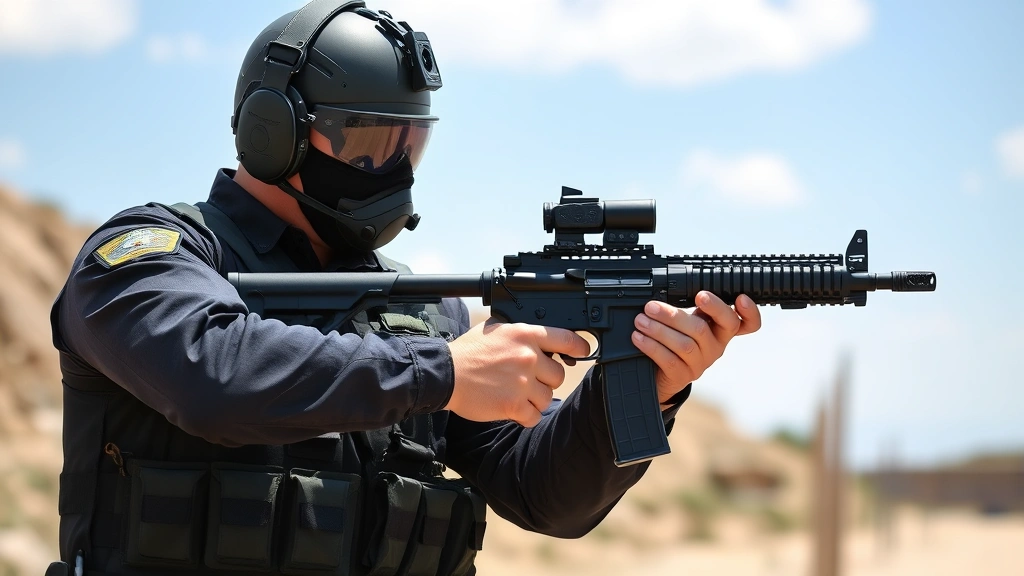
Armed security professionals must demonstrate competency with firearms before licensure. Texas requires that you complete firearms training from an approved instructor and pass a proficiency test. This training is separate from the general security training and focuses specifically on safe handling, marksmanship, and legal use of force considerations.
The firearms training must cover safe firearm handling procedures, including proper grip, stance, and trigger control. You’ll learn about different firearm types and their operation, ammunition safety, and secure storage requirements. The training emphasizes the legal and ethical aspects of carrying a firearm in a professional security role, including the circumstances under which force is justified and the potential consequences of improper use.
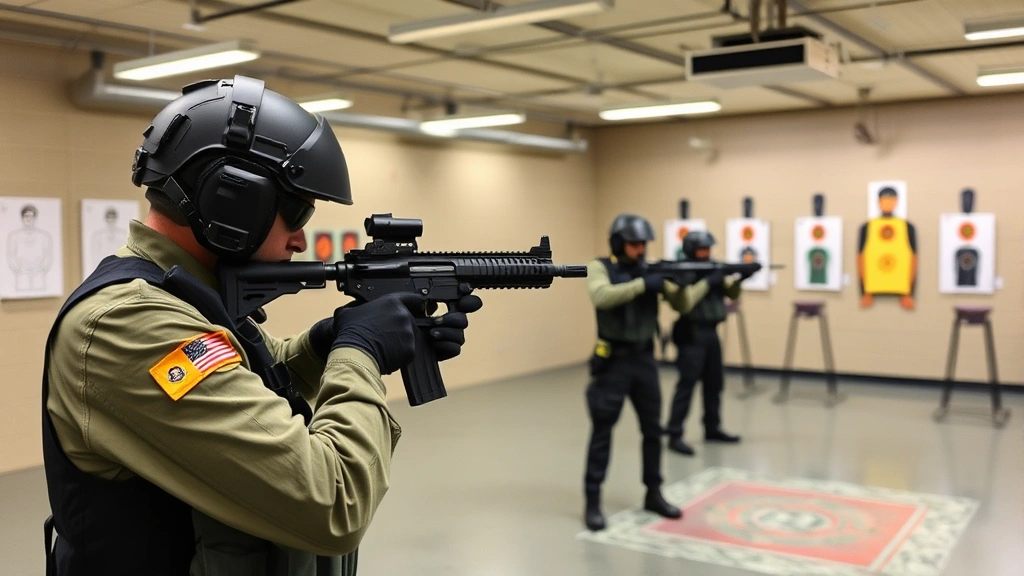
You’ll need to qualify with your firearm by achieving a minimum score on a shooting accuracy test. The specific qualification requirements vary depending on the type of armed security position you’re pursuing. Most armed security roles require you to demonstrate accuracy at multiple distances, typically including close-range and intermediate-distance shooting scenarios. Accuracy standards are designed to ensure that you can use your weapon effectively and safely in actual situations.
Choose your firearms instructor carefully. The instructor must be approved by the TCPSE and have specific credentials in armed security training. Many law enforcement training academies offer firearms courses that meet these requirements. Some private security companies also maintain approved instructors on staff. Before enrolling, verify that the instructor and course are TCPSE-approved and that you’ll receive proper documentation of completion.
It’s advisable to practice regularly at a shooting range even after completing your required training. Maintaining proficiency with your firearm is both a legal and ethical responsibility. Many employers require proof of regular range practice and may conduct their own proficiency testing. Developing and maintaining strong shooting skills protects both you and the public and demonstrates your commitment to professional standards.

” alt=”Armed security professional demonstrating proper firearm handling and safety protocols during training session” style=”max-width: 100%; height: auto; border-radius: 8px;”>
Application Process and Documentation
Once you’ve completed your training and fingerprinting, you’re ready to submit your formal application to the TCPSE. The application process requires careful attention to detail and submission of multiple supporting documents. Incomplete applications will be returned without processing, delaying your path to licensure.
Your application package must include the completed TCPSE application form, copies of your training certificates, fingerprint card results, and a detailed employment history. You’ll need to provide copies of your identification, proof of citizenship or permanent residency, and documentation of your high school diploma or GED. Some applicants also need to submit character references or letters of recommendation from previous employers or supervisors.
The application requires you to disclose any criminal history, civil judgments, or financial issues. Be comprehensive and honest in this disclosure. The TCPSE will verify all information you provide, and any omissions or inaccuracies will be discovered during the background investigation. Transparency builds your credibility and demonstrates your integrity to investigators.
Submit your application through the TCPSE’s online portal or by mail, depending on current procedures. The state’s website provides specific instructions for submission and current processing times. Application fees must be paid at the time of submission, and these fees are non-refundable. Keep copies of everything you submit and maintain documentation of your submission date.
After submission, your application enters the background investigation phase. You may receive requests for additional information or clarification during this period. Respond promptly to any inquiries from the TCPSE. Delays in providing requested information can significantly extend the processing timeline and may result in application denial if required information isn’t provided within specified deadlines.
Examination and Testing Procedures
After your background investigation is completed and approved, you’ll be scheduled to take the armed security licensing examination. This comprehensive test evaluates your knowledge of Texas security laws, regulations, and professional standards. The exam covers material from your required training courses and tests your understanding of legal and ethical security practices.
The examination consists of multiple-choice questions covering various topics related to armed security work. Questions focus on Texas Occupations Code Chapter 1702, the regulations governing private security, and the legal use of force. You’ll be tested on your knowledge of access control, surveillance, emergency procedures, and your responsibilities under Texas law. The exam also evaluates your understanding of discrimination laws and ethical standards in the profession.
To pass the examination, you must achieve a minimum score, typically around 70-75 percent depending on current TCPSE standards. You’ll have a limited time to complete the exam, usually around two to three hours. The exam is administered at TCPSE-approved testing locations throughout Texas, and you can typically schedule your test within a few weeks of your application approval.
Prepare for the exam by thoroughly reviewing all training materials and studying the relevant sections of Texas law. Many training providers offer study guides and practice exams that help you prepare. Take advantage of these resources to familiarize yourself with the types of questions you’ll encounter. Understanding the material deeply, rather than memorizing answers, is essential for success.
If you don’t pass the exam on your first attempt, you can retake it after a waiting period. The TCPSE allows multiple attempts, though you may need to pay an additional fee for each retake. However, passing on your first attempt is ideal, so invest adequate time in preparation. Studying with others who are also pursuing their armed security license can provide motivation and help you learn the material more effectively.
License Renewal and Continuing Education
Once you receive your armed security license, maintaining it requires ongoing compliance with Texas regulations. Texas armed security licenses must be renewed every two years, and renewal requires proof of continuing education. Understanding renewal requirements helps you avoid lapses in your license and maintain your professional standing.
Texas requires that armed security professionals complete a minimum of 8 hours of continuing education during each two-year license period. This continuing education must cover topics relevant to armed security work and must be provided by TCPSE-approved instructors or training providers. Topics might include updates to security laws, new technologies in the security field, or advanced training in specific security scenarios.
To renew your license, submit a renewal application to the TCPSE before your expiration date, along with proof of your continuing education hours and the renewal fee. The renewal process is typically faster than initial licensure since a full background investigation isn’t required, but you must still maintain compliance with all requirements. Renewing on time prevents your license from lapsing, which would require reapplication and a full new background investigation.
Keep detailed records of all continuing education you complete. Maintain copies of certificates of completion, course descriptions, and instructor credentials. These records protect you if the TCPSE ever questions your compliance during a renewal or audit. Some employers also maintain records of employee training, and having your own documentation ensures you can quickly verify your compliance.
As you progress in your armed security career, consider pursuing advanced certifications and specialized training beyond the minimum requirements. Many security professionals pursue supervisor or manager certifications, specialized training in executive protection or facility security, or certifications in related fields. These additional qualifications enhance your professional credibility and often lead to higher-paying positions and greater career opportunities.
” alt=”Security professional reviewing compliance documentation and renewal requirements at desk with computer” style=”max-width: 100%; height: auto; border-radius: 8px;”>
FAQ
How long does it take to get an armed security license in Texas?
The timeline typically ranges from 2-4 months from application to license issuance. Training completion takes 1-2 weeks, background investigation takes 30-60 days, and exam scheduling and completion adds another 2-4 weeks. Delays in providing requested information can extend this timeline significantly.
Can I work as armed security while my license application is pending?
No, you cannot legally work as an armed security professional without a valid license. Working armed without proper licensure is a criminal offense in Texas. You must wait until your license is officially issued before accepting armed security positions.
What disqualifies you from getting an armed security license in Texas?
Felony convictions, crimes involving dishonesty or moral turpitude, weapons-related offenses, and certain domestic violence convictions disqualify you. Additionally, outstanding warrants, active restraining orders, or a pattern of financial irresponsibility may result in denial.
Do I need to own a firearm to get licensed?
You don’t need to own a firearm to obtain your license, but you must complete firearms training and qualify with a firearm. Many training providers have firearms available for use during training. Your employer will typically provide your duty weapon once you’re employed.
What’s the difference between armed and unarmed security licenses in Texas?
Armed security licenses allow professionals to carry firearms as part of their job duties and require additional training and firearms qualification. Unarmed security licenses don’t permit firearm carry and have reduced training requirements. Armed licenses are more restrictive but allow for more diverse job opportunities.
How much does it cost to get an armed security license in Texas?
Total costs typically range from $500-$1,500, including training ($300-$800), fingerprinting ($50-$100), and application/exam fees ($150-$400). Costs vary depending on your training provider and whether you qualify for any waivers based on prior experience.
Can I get my license faster with prior law enforcement experience?
Yes, prior law enforcement or military experience may qualify you for waivers or reductions in training hour requirements. Contact the TCPSE directly with documentation of your prior service to determine what reductions you might qualify for. This can reduce your timeline and costs significantly.


