Cybersecurity in Fire Systems: Expert Insights on Approved Fire Protection
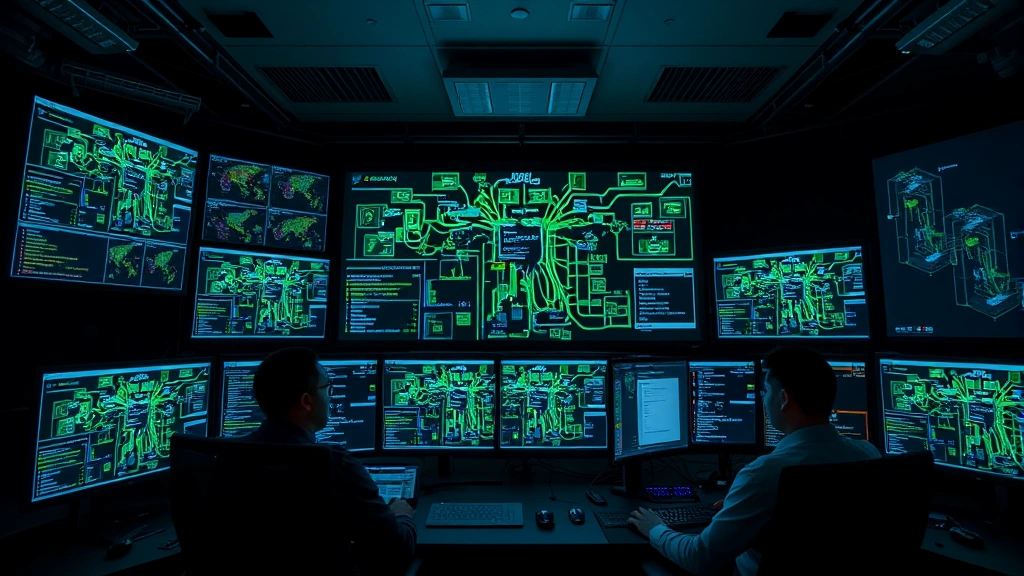
Modern fire protection systems have evolved far beyond simple mechanical triggers and manual alarms. Today’s advanced fire detection and suppression infrastructure relies heavily on interconnected digital networks, automated controls, and real-time monitoring capabilities. However, this technological sophistication introduces a critical vulnerability: cybersecurity threats that could compromise life safety systems when they matter most. Understanding how to secure approved fire protection systems has become essential for facility managers, security professionals, and organizations responsible for protecting people and assets.
The convergence of operational technology (OT) and information technology (IT) in fire systems creates a complex security landscape. Unlike traditional IT environments where breaches might compromise data, vulnerabilities in fire protection systems could have catastrophic consequences—delayed alarm signals, disabled sprinklers, or false alarms that undermine public trust and emergency response protocols. This comprehensive guide explores the intersection of cybersecurity and fire systems, drawing on expert perspectives and industry best practices to help organizations implement robust protection strategies.
Understanding Fire System Vulnerabilities
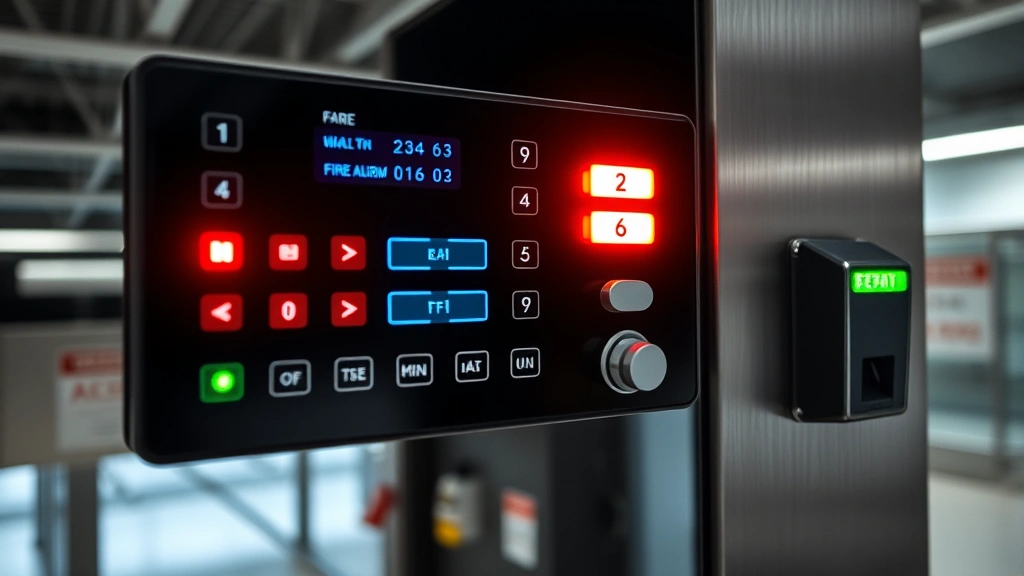
Fire protection systems represent critical infrastructure components that operate 24/7 to detect and respond to emergencies. These systems typically comprise interconnected sensors, control panels, notification devices, and communication networks. Each component represents a potential attack surface where cybercriminals or malicious actors could introduce vulnerabilities.
The primary vulnerability categories in fire systems include:
- Legacy system integration: Many facilities operate decades-old fire panels connected to modern networked systems, creating compatibility challenges and security gaps
- Wireless communication vulnerabilities: Wireless fire alarm transmitters and mesh networks can be susceptible to jamming, eavesdropping, or unauthorized signal injection
- Remote monitoring access: Central station monitoring and cloud-based fire system management introduce internet-facing access points
- Software and firmware vulnerabilities: Unpatched systems running outdated software versions remain exposed to known exploits
- Supply chain risks: Compromised components or firmware from manufacturers could introduce backdoors into approved fire protection systems
According to research from the Cybersecurity and Infrastructure Security Agency (CISA), critical infrastructure sectors including fire protection have experienced increasing targeting from state-sponsored and criminal threat actors. The convergence of IT and OT environments in modern fire systems means that vulnerabilities traditionally associated with corporate networks now threaten life safety systems.
Critical Infrastructure and Compliance Requirements
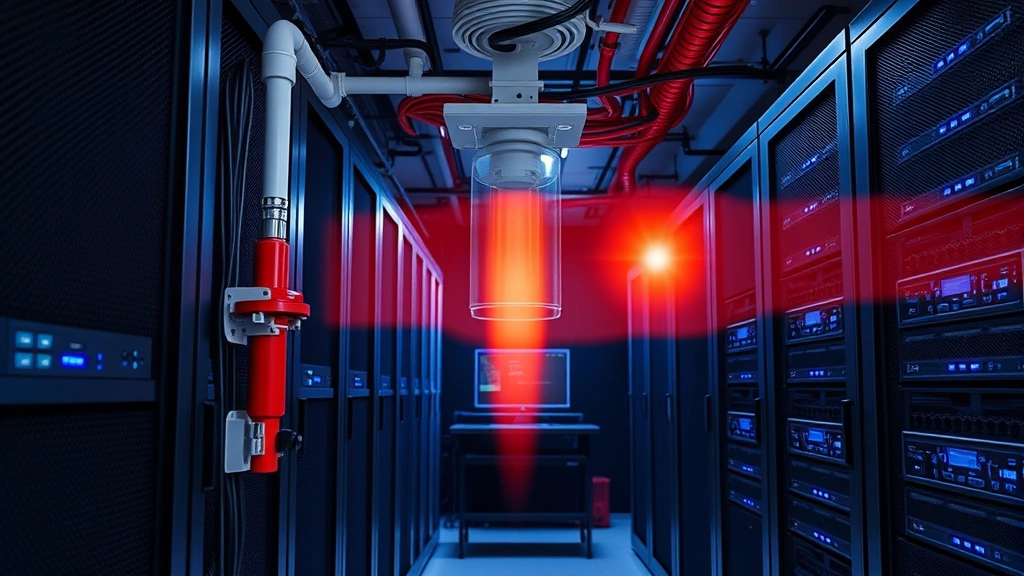
Organizations operating approved fire protection systems must navigate a complex landscape of regulatory requirements and industry standards. Understanding these frameworks is essential for implementing comprehensive cybersecurity strategies that align with legal obligations and expert recommendations.
National Fire Protection Association (NFPA) Standards: NFPA 72 (National Fire Alarm and Signaling Code) establishes requirements for fire alarm systems, including emerging cybersecurity considerations. Recent updates emphasize the importance of protecting fire systems from cyber threats while maintaining reliability and safety functionality.
NIST Cybersecurity Framework: The National Institute of Standards and Technology (NIST) Cybersecurity Framework provides guidance applicable to fire protection systems. The framework’s five functions—Identify, Protect, Detect, Respond, and Recover—offer a structured approach to managing cybersecurity risks in critical infrastructure.
ISO/IEC 27001 and 27002: These international standards for information security management provide comprehensive controls applicable to systems handling critical safety functions. Organizations can leverage these frameworks when developing information security policies that encompass fire system cybersecurity.
Regulatory compliance extends beyond fire-specific standards. Organizations in regulated industries must consider:
- HIPAA requirements for healthcare facilities with fire systems
- PCI DSS considerations for retail environments with networked fire protection
- SEC cybersecurity disclosure requirements for publicly traded companies operating critical infrastructure
- State and local building codes incorporating cybersecurity provisions
The relationship between comprehensive security frameworks and operational safety represents a critical consideration. Approved fire protection systems must maintain their primary safety function while implementing robust cybersecurity controls that don’t create operational delays or false negatives in fire detection.
Network Architecture and Segmentation
Implementing proper network architecture represents one of the most effective strategies for protecting approved fire protection systems from cyber threats. Network segmentation creates isolated zones that limit lateral movement if an attacker gains access to any single component.
Demilitarized Zone (DMZ) Implementation: Fire system central station monitoring and remote access capabilities should operate through a dedicated DMZ that separates fire system networks from general corporate networks. This architectural approach ensures that compromises in office IT systems cannot directly propagate to life safety systems.
Air-Gapped Critical Components: Core fire alarm control panels and life safety logic should operate on networks that are physically separated from internet-connected systems. While this creates operational challenges for remote monitoring, it provides maximum protection for critical detection and alarm functions.
Wireless Network Segmentation: If fire systems incorporate wireless sensors or communication, these devices should operate on dedicated, isolated wireless networks with strong encryption and authentication. Separate SSIDs with WPA3 encryption prevent unauthorized devices from connecting to fire system wireless infrastructure.
VPN and Secure Tunnels: Remote access for system maintenance or monitoring should occur through encrypted VPN connections with multi-factor authentication. This approach maintains the capability for authorized personnel to access systems while preventing unauthorized access.
Network segmentation strategies should include:
- Identifying all fire system network segments and their communication requirements
- Installing firewalls between segments with rules allowing only necessary traffic
- Implementing network access control (NAC) to prevent unauthorized devices from connecting
- Monitoring inter-segment communications for anomalous patterns
- Regularly testing segmentation effectiveness through authorized penetration testing
Authentication and Access Control
Controlling who can access fire system components and configurations represents a fundamental cybersecurity principle applicable to approved fire protection systems. Authentication and authorization mechanisms must balance security requirements with operational necessity.
Multi-Factor Authentication (MFA): All remote access to fire systems should require MFA combining something the user knows (password), something they have (hardware token or authenticator app), and ideally something they are (biometric). MFA significantly increases the difficulty of unauthorized access even if credentials are compromised.
Role-Based Access Control (RBAC): Fire system personnel should have access restricted to functions necessary for their role. A technician performing routine maintenance should not have access to modify alarm thresholds or disable notifications. A central station operator should not have access to modify system configuration.
Credential Management: Organizations should implement centralized credential management systems that:
- Generate strong, unique passwords for each fire system account
- Rotate credentials on regular schedules (quarterly minimum)
- Audit credential usage and access attempts
- Immediately revoke access when personnel change roles or leave the organization
- Prevent credential reuse across different systems
Physical Access Controls: Fire system components should be housed in locked, environmentally controlled rooms with restricted access. Badge readers, biometric locks, or other physical access controls should log all entries and exits. This prevents unauthorized personnel from directly accessing control panels or network connections.
Default credentials represent a critical vulnerability in approved fire protection systems. All manufacturer default passwords must be changed immediately upon installation. Organizations should maintain an inventory of all system accounts and credentials in a secure password management system, never in plain text files or shared documents.
According to guidance from leading cybersecurity firms specializing in critical infrastructure protection, access control failures represent one of the most common vectors for fire system compromises. Regular access audits identifying unused accounts, overprivileged users, or inactive credentials should occur quarterly.
Monitoring and Threat Detection
Continuous monitoring of fire system activity enables organizations to detect and respond to cyber threats before they compromise life safety functions. Effective monitoring strategies combine multiple detection approaches to identify various attack patterns.
Security Information and Event Management (SIEM): Centralizing fire system logs and events into a SIEM platform enables correlation of activities across multiple components. SIEM systems can identify suspicious patterns such as multiple failed authentication attempts, unusual configuration changes, or communications with unknown external systems.
Anomaly Detection: Machine learning-based anomaly detection systems can identify deviations from normal fire system behavior. These systems learn typical communication patterns, data flows, and user activities, then alert when unusual patterns emerge that might indicate compromise.
Network Traffic Analysis: Monitoring network traffic to and from fire system components can reveal unauthorized communications, data exfiltration attempts, or command and control connections. Deep packet inspection (DPI) technologies can identify specific protocols and communication patterns indicative of attacks.
Log Analysis and Forensics: Fire system components generate logs of all activities including sensor activations, configuration changes, and access attempts. Regular review of these logs can identify indicators of compromise. Logs should be retained for minimum 90 days and preferably longer to enable forensic analysis if incidents occur.
Organizations should establish baseline metrics for normal fire system operation including:
- Typical sensor false alarm rates
- Normal maintenance window frequency and duration
- Expected communication patterns between system components
- Authorized remote access frequency and duration
- Typical software update schedules
Deviations from these baselines warrant investigation. A sudden increase in false alarms might indicate sensor tampering. Unexpected configuration changes could suggest unauthorized access. Unusual remote access patterns might reveal compromised credentials.
The threat intelligence community focused on critical infrastructure continuously identifies new attack patterns targeting fire and building management systems. Organizations should subscribe to threat intelligence feeds and maintain awareness of emerging threats relevant to their specific fire system technologies.
Incident Response Planning
Despite robust preventive measures, organizations must prepare for the possibility that fire system cybersecurity incidents could occur. Comprehensive incident response planning ensures that organizations can quickly identify, contain, and recover from cyber threats while maintaining life safety functions.
Incident Response Team Composition: Organizations should establish a dedicated incident response team including:
- Fire system technicians and engineers familiar with system operation
- IT security professionals experienced in incident investigation
- Facility management personnel
- Legal and compliance representatives
- Communication specialists for stakeholder notification
Incident Response Procedures: Organizations should develop detailed procedures addressing:
- Detection and reporting: Clear procedures for identifying potential incidents and escalating to appropriate personnel
- Containment: Steps to isolate compromised components while maintaining critical fire detection functions
- Eradication: Procedures for removing malware, closing vulnerabilities, and preventing re-compromise
- Recovery: Steps to restore normal operations while verifying system integrity
- Post-incident analysis: Root cause analysis and lessons learned documentation
Business Continuity and Disaster Recovery: Organizations should maintain backup fire detection capabilities and documented procedures for manual operations if automated systems become unavailable. This might include portable fire detection equipment, manual alarm systems, or temporary notification procedures.
Communication Planning: Incident response procedures should address communication with:
- Building occupants and emergency services
- Fire system monitoring central stations
- Equipment manufacturers and integrators
- Regulatory agencies and compliance bodies
- Insurance providers and legal counsel
Regular tabletop exercises simulating fire system cyber incidents help organizations test response procedures, identify gaps, and improve coordination. These exercises should occur at least annually and should involve all incident response team members.
Organizations should also develop relationships with external resources including:
- Fire safety authorities and emergency management agencies
- Cybersecurity incident response firms with critical infrastructure experience
- Fire system manufacturers and integrators
- Industry information sharing organizations
The importance of maintaining comprehensive documentation and review processes extends to fire system cybersecurity. Regular review and updates of incident response plans ensure they remain relevant as systems, threats, and organizational structures evolve.
FAQ
What makes fire systems vulnerable to cyber attacks compared to other building systems?
Fire systems are particularly vulnerable because they often operate legacy hardware and software designed before cybersecurity was a primary consideration. Additionally, the safety-critical nature of fire systems means that security controls must never interfere with life safety functions, creating unique implementation challenges. Many facilities have also delayed cybersecurity upgrades to fire systems due to cost and operational concerns, leaving systems exposed to known vulnerabilities.
Can we implement cybersecurity measures without disrupting fire system reliability?
Yes, when properly implemented, cybersecurity controls enhance rather than diminish fire system reliability. Network segmentation, access controls, and monitoring improve system integrity without affecting detection or alarm functions. However, implementation requires careful planning, testing, and coordination with qualified fire system professionals to ensure that security measures don’t create latency or false negatives in fire detection.
How often should we update fire system software and firmware?
Organizations should establish a regular update schedule, typically quarterly, for fire system software and firmware. Security patches addressing known vulnerabilities should be applied as soon as testing confirms compatibility with the specific system configuration. However, updates must be thoroughly tested in non-production environments before deployment to critical fire systems to prevent introducing new issues.
What should we do if we suspect a cyber attack on our fire system?
Immediately activate your incident response plan. Contact your fire system monitoring central station and local emergency services to ensure they’re aware of the situation. Isolate the affected components if possible while maintaining alternative fire detection capabilities. Document all suspicious activities and preserve evidence for forensic analysis. Contact your fire system integrator and consider engaging external cybersecurity incident response specialists experienced with critical infrastructure.
Are wireless fire alarm systems less secure than hardwired systems?
Wireless systems introduce different security considerations than hardwired systems. While wireless systems eliminate some physical access vulnerabilities, they introduce radio frequency vulnerabilities including jamming and unauthorized signal injection. Both wireless and hardwired systems can be secured effectively when proper encryption, authentication, and monitoring are implemented. The choice between wireless and hardwired should consider security requirements alongside operational needs.
How do we balance cybersecurity with operational convenience for fire system maintenance?
This represents a critical challenge in fire system cybersecurity. The solution involves implementing security controls that enable authorized maintenance while preventing unauthorized access. Multi-factor authentication, role-based access control, VPN connections for remote access, and comprehensive audit logging enable legitimate maintenance activities while maintaining security. Regular security awareness training for fire system personnel helps them understand the importance of security procedures.
What regulatory compliance requirements apply to fire system cybersecurity?
Fire system cybersecurity requirements vary based on industry, location, and system configuration. NFPA 72 provides fire alarm system standards including emerging cybersecurity considerations. Organizations in regulated industries must also consider industry-specific requirements. Local building codes increasingly incorporate cybersecurity provisions. Consulting with local fire marshals, code officials, and qualified fire system professionals helps ensure compliance with applicable requirements in your jurisdiction.


