Best Apartment Security Cameras? Tech Insider’s Guide
Apartment living presents unique security challenges that differ dramatically from traditional homes. Renters face restrictions on installation, shared wall vulnerabilities, and limited control over common areas. A robust apartment security camera system bridges these gaps, providing 24/7 surveillance without permanent modifications. Whether you’re concerned about package theft, break-ins, or monitoring suspicious activity in hallways, selecting the right camera technology requires understanding both your rental agreement and cybersecurity implications.
This comprehensive guide explores apartment-specific camera solutions, installation best practices, and critical security considerations that protect both your physical space and your digital privacy. We’ll examine wireless options, cloud storage safety, local recording alternatives, and integration with smart home ecosystems while addressing the surveillance concerns that matter to renters.
Why Apartment Security Cameras Matter
Apartment dwellers face distinct security threats that stationary homes don’t encounter. Package theft from doorsteps costs Americans over $5 billion annually, with apartment communities experiencing disproportionately higher rates. Beyond theft, renters contend with unauthorized entry attempts, harassment from neighbors, and surveillance gaps in common areas controlled by management.
A strategically placed apartment security camera system acts as both deterrent and evidence collector. When potential intruders know surveillance exists, criminal activity decreases significantly. Should incidents occur, video documentation provides law enforcement with actionable evidence and protects you legally by establishing a clear timeline of events.
Unlike homeowners who can install permanent infrastructure, apartment renters require solutions that respect lease agreements while delivering professional-grade protection. Modern wireless cameras, adhesive mounts, and portable systems accomplish this balance effectively.
Renter-Friendly Camera Types
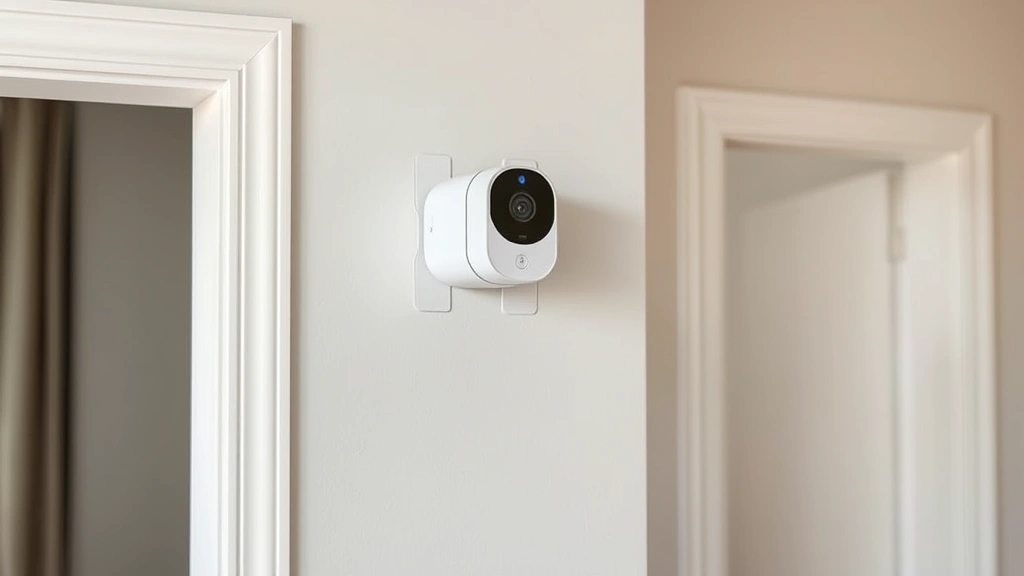
Wireless Indoor Cameras represent the most popular apartment choice. These compact units mount on shelves, nightstands, or window sills without drilling or wiring. Battery-powered or plug-in options eliminate installation complexity. Leading models from Ring, Wyze, and Arlo provide 1080p to 4K resolution with night vision, two-way audio, and motion detection—all accessible via smartphone apps.
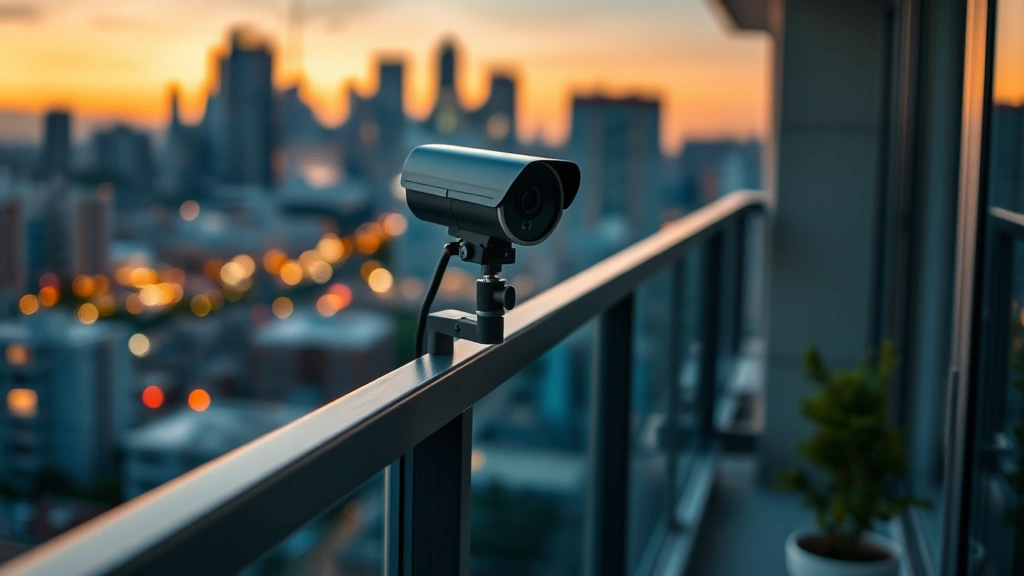
Adhesive-Mount Outdoor Cameras suit apartment balconies and entryways where permanent installation isn’t permitted. Heavy-duty mounting strips hold weatherproof units securely while remaining damage-free upon removal. These cameras monitor package deliveries, deter porch pirates, and record approaching visitors before they reach your door.
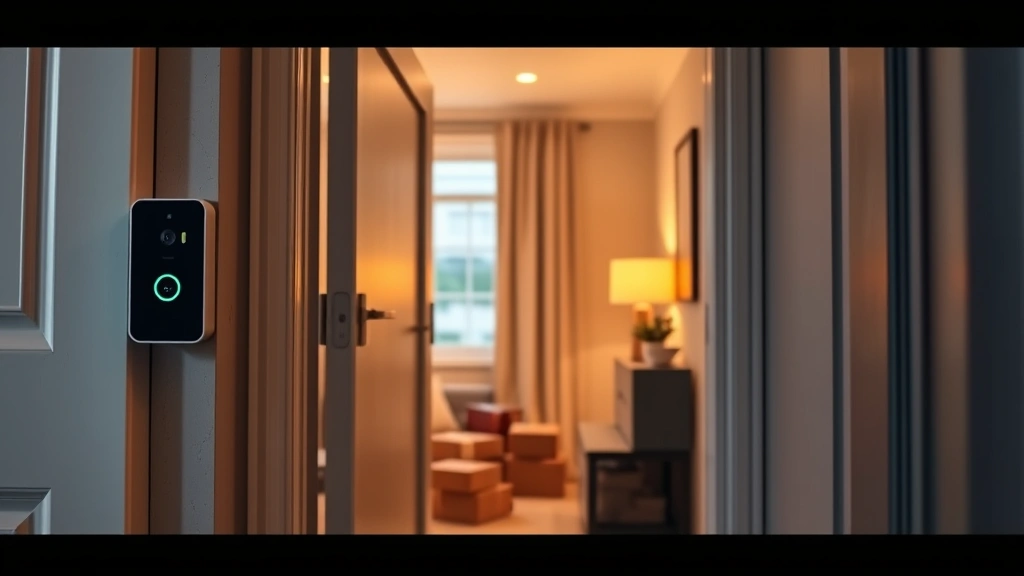
Doorbell Cameras integrate seamlessly into apartment entrances. Video doorbells like Ring or Nest Hello replace existing doorbells or mount adjacent to doors, capturing facial recognition data and package activity. They provide the most natural security checkpoint for visitors.
Pan-Tilt-Zoom (PTZ) Cameras offer flexibility for larger apartments or those with multiple vulnerable areas. Remote-controlled movement lets you track activity across wider spaces, and zoom capabilities capture distant details. These suit apartments with extensive balconies or common area oversight needs.
Hidden or Discreet Cameras appeal to renters wanting unobtrusive monitoring. Smoke detector cameras, clock cameras, or plant-based units blend into environments while recording continuously. However, verify local laws before deploying covert surveillance—some jurisdictions require visible signage indicating active monitoring.
Installation Without Damage
Lease agreements typically prohibit drilling, wall anchors, or permanent installations. Successful apartment camera deployment requires damage-free mounting strategies:
- Command Strips and Adhesive Mounts: 3M Command strips hold cameras up to 5 pounds and leave no residue when removed properly. Test weight limits carefully and apply strips to clean, dry surfaces for maximum durability.
- Window Suction Cups: Secure outdoor-facing cameras to windows using suction cup mounts. This method works exceptionally well for monitoring entry points and balcony activity without exterior installation.
- Tripod and Stand Bases: Freestanding tripods provide flexibility to reposition cameras as needed. They work indoors for monitoring living spaces and can transition outdoors temporarily during high-risk periods.
- Corner Shelf Placement: Position cameras on existing furniture—shelves, entertainment centers, or nightstands—to achieve optimal angles without any mounting hardware.
- Tension Rods and Clamps: Adjustable clamps attach to door frames, window sills, or balcony railings without permanent damage. These work particularly well for doorway monitoring.
Document your installation method and take before/after photos. When moving, photograph the apartment in original condition to prove you caused no damage. This protects your security deposit and demonstrates responsible renter behavior to management.
Cybersecurity & Privacy Protection
Security cameras represent significant cyber vulnerabilities if not properly configured. Hackers target poorly secured camera systems to gain apartment access, monitor residents, or launch broader network attacks. Cybersecurity experts at CISA (Cybersecurity and Infrastructure Security Agency) emphasize that connected devices require robust protection protocols.
Password Security: Create unique, complex passwords combining uppercase, lowercase, numbers, and symbols. Avoid default credentials—manufacturers’ standard passwords are publicly available to attackers. Change passwords immediately upon setup and update them quarterly.
Network Encryption: Ensure your WiFi uses WPA3 encryption (or WPA2 if WPA3 unavailable). Connect cameras to your home network rather than public WiFi. Separate IoT devices onto a guest network isolated from personal computers and smartphones containing sensitive data.
Two-Factor Authentication: Enable 2FA on all camera accounts. This prevents unauthorized access even if passwords are compromised. Authenticator apps provide more security than SMS-based verification.
Firmware Updates: Manufacturers regularly patch security vulnerabilities through firmware updates. Enable automatic updates when available, or manually check monthly. Outdated firmware exposes systems to known exploits.
Data Privacy: Review manufacturer privacy policies before purchasing. Some companies share metadata, analytics, or video footage with third parties. Electronic Frontier Foundation (EFF) maintains detailed privacy assessments of popular camera brands. Select providers prioritizing end-to-end encryption and limiting data collection.
Account Activity Monitoring: Regularly review login history and connected devices within camera apps. Remove unrecognized devices immediately and change passwords if suspicious activity appears.
Cloud vs. Local Storage
Video storage methodology significantly impacts both security and accessibility. Understanding tradeoffs between cloud and local solutions helps you choose the best apartment configuration.
Cloud Storage Advantages: Remote access from anywhere allows apartment monitoring while traveling. Automatic backup ensures footage survives camera theft or hardware failure. Scalability accommodates growing storage needs without equipment upgrades. Most providers offer 24-48 hour rolling buffers free, with extended retention available via subscription.
Cloud Storage Risks: Data breaches expose video footage to unauthorized parties. Subscription dependencies mean losing access if service discontinues. Internet outages interrupt cloud uploads, creating surveillance gaps. Privacy concerns arise when providers access footage for analytics or law enforcement requests without warrants.
Local Storage Advantages: Complete data control eliminates third-party access. No subscription fees or privacy concerns regarding external storage. Network outages don’t affect local recording. Footage remains available even if cloud services fail.
Local Storage Limitations: Hardware failure destroys all footage without backup. Theft of local storage devices means losing evidence. Manual management requires technical proficiency. Limited remote access complicates monitoring while away from the apartment.
Hybrid Approach: Combine local storage (microSD cards in cameras or connected NAS devices) with cloud backup for critical footage. This strategy provides accessibility, redundancy, and privacy simultaneously. Record everything locally while uploading important events to cloud storage.
Top Features for Apartments
Apartment-specific security demands require cameras with particular capabilities optimized for rental environments.
Motion Detection with Smart Alerts: Advanced motion detection distinguishes between pets, passing pedestrians, and genuine security threats. AI-powered systems recognize human versus vehicle movement, reducing false alerts that overwhelm residents. Customize detection zones to ignore hallway traffic while alerting for balcony activity.
Night Vision and Low-Light Performance: Apartments often feature dim hallways, covered balconies, or nighttime monitoring needs. Infrared night vision reveals activity in complete darkness. Alternatively, select cameras with exceptional low-light sensors that maintain color detail in dim conditions.
Two-Way Audio: Communicate with delivery personnel, deter intruders, or verify visitor identity through built-in microphones and speakers. This feature proves invaluable for package management and emergency communication.
Wide Field of View: Apartment spaces are compact, making wide-angle lenses (100-130 degrees) essential. This captures more area with fewer cameras, reducing both expense and complexity. However, ensure wide angles don’t create privacy issues with neighboring apartments.
Compact, Aesthetic Design: Visible cameras deter crime but shouldn’t dominate apartment décor. Modern designs blend with contemporary interiors, maintaining both security and aesthetics.
Activity Zones and Scheduling: Program cameras to record specific areas during particular times. Monitor entry points 24/7 while recording living spaces only during away periods. This balance maximizes security while respecting personal privacy.
Legal Considerations
Apartment security camera installation intersects with rental law, tenant rights, and privacy regulations. Understanding these legal frameworks prevents disputes with landlords and protects your rights.
Lease Agreement Review: Many leases explicitly prohibit surveillance equipment or restrict installation methods. Some require landlord approval before adding cameras. Violating lease terms risks eviction or security deposit forfeiture. Request written permission before installing, documenting the landlord’s approval.
Recording Consent Laws: Two-party consent states (California, Illinois, Florida, and others) require all parties’ permission before audio recording. Video-only surveillance typically doesn’t trigger these laws, but two-way audio cameras demand explicit consent from anyone recorded. Research your state’s wiretapping laws before enabling audio features.
Neighbor Privacy Rights: Cameras shouldn’t capture neighboring apartments, balconies, or windows without consent. Aim lenses toward your own space exclusively. Recording neighbors without permission violates privacy laws and creates hostile living environments.
Landlord Surveillance Restrictions: Many jurisdictions prohibit landlords from installing surveillance in tenant spaces without consent. This protection extends to tenant-installed cameras—your private spaces remain protected from management oversight.
HOA Regulations: Homeowners associations often impose restrictions on camera placement, visible equipment, or recording policies. Review CC&Rs (Covenants, Conditions, and Restrictions) before installation.
Consult your state attorney general’s office or a local attorney if uncertainty exists regarding legal compliance. Nolo provides state-specific tenant rights information and surveillance law summaries.
For comprehensive cybersecurity guidance on smart home devices, the National Institute of Standards and Technology (NIST) publishes security frameworks applicable to residential surveillance systems.
FAQ
Can I install security cameras in my apartment without landlord permission?
This depends on your lease and local law. Most leases require written approval before installation. Damage-free mounting methods using adhesive strips or suction cups often don’t violate agreements, but verify first. Unauthorized installation risks eviction or security deposit loss. Always obtain written landlord consent before deploying cameras.
What’s the best apartment security camera for renters?
Wireless, adhesive-mounted cameras like Wyze Cam v3, Ring Indoor Cam, or Arlo Essential provide renter-friendly solutions. These require no installation, offer excellent features, and mount damage-free. Doorbell cameras work exceptionally well for apartment entryways. Choose based on your specific vulnerabilities—package theft demands doorway coverage, while break-in concerns require interior monitoring.
Are apartment security cameras legal?
Generally yes, with important exceptions. Recording your own space is legal in most jurisdictions. However, two-party consent states restrict audio recording. Cameras shouldn’t capture neighbors’ apartments or windows. Verify lease compliance and local recording laws before installation. When in doubt, consult local legal resources or your landlord.
How do I protect my security camera from hackers?
Use unique, complex passwords with two-factor authentication. Keep firmware updated automatically. Connect cameras to secure, encrypted home WiFi networks. Review privacy policies before selecting brands. Enable encryption features. Monitor account activity regularly for unauthorized access. Isolate IoT devices on separate networks from sensitive personal devices.
Should I use cloud or local storage for apartment camera footage?
A hybrid approach offers optimal balance. Local microSD card storage provides privacy and reliability without subscriptions. Cloud backup of critical events ensures accessibility and redundancy. This combination maximizes security while maintaining data control. Choose based on your privacy preferences and budget constraints.
Can my landlord access my security camera footage?
Landlords typically cannot access tenant-installed cameras without permission. However, your lease might include surveillance provisions. Ensure your camera placement doesn’t capture landlord common areas. If your apartment includes landlord-installed cameras, review the lease for access policies. Document your camera placement to clarify ownership and control.
What apartment areas need security cameras most?
Prioritize entry points first—doors, balconies, and windows. Then monitor high-theft areas like package drop zones. Living spaces come third for deterrence. Avoid recording bedrooms or bathrooms entirely. Hallways and common areas require landlord approval before surveillance. Start with doorway coverage and expand based on specific security concerns.
How long does apartment security camera footage typically store?
Local storage on microSD cards holds 24-48 hours depending on resolution and recording settings. Cloud storage varies by provider—free tiers typically offer 24-48 hours, while paid subscriptions extend to 30+ days. Continuous recording demands more storage than motion-triggered recording. Calculate your needs based on desired retention periods and select storage accordingly.


