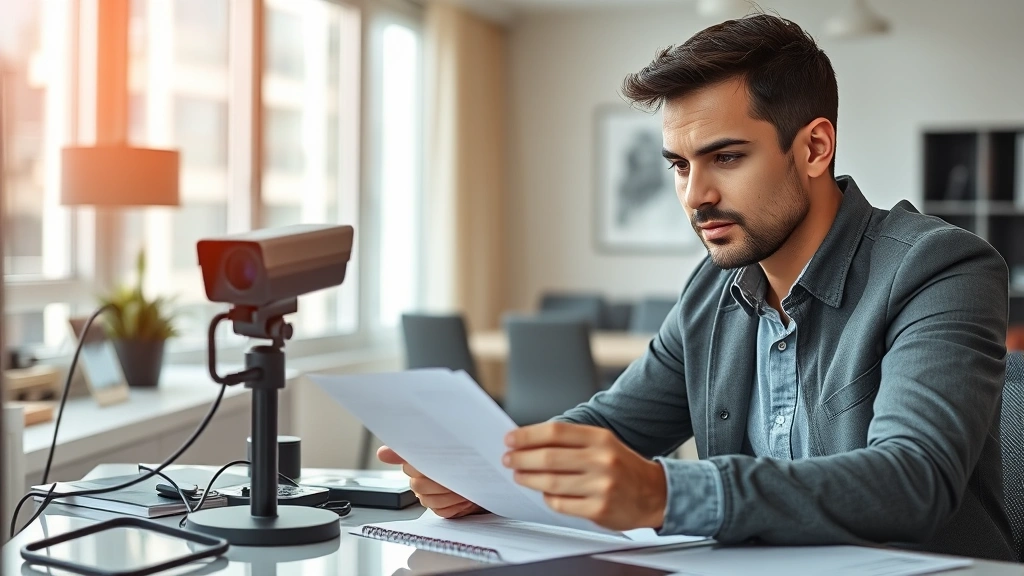
Are Tenant Security Cameras Legal? Lawyer Insights on Apartment Camera Laws
Tenant security cameras represent a growing concern in residential privacy law. As renters increasingly install surveillance devices to protect their belongings and monitor their living spaces, landlords, neighbors, and legal experts raise critical questions about privacy rights, lease violations, and potential liability. Understanding the legal landscape surrounding apartment security camera laws for tenants is essential before purchasing and installing any surveillance equipment in your rental unit.
The legality of tenant security cameras varies significantly across jurisdictions, lease agreements, and specific installation methods. While you generally have the right to protect your property, that right is not absolute—it must be balanced against the privacy expectations of others, including roommates, guests, and neighbors. This comprehensive guide explores the legal nuances, practical considerations, and expert recommendations for installing security cameras as a tenant.
Tenant Rights and Baseline Legal Framework
Tenants possess fundamental rights regarding personal security and property protection, but these rights exist within a structured legal framework. Unlike homeowners who enjoy broader autonomy over their property, tenants operate under rental agreements that restrict certain activities. However, most jurisdictions recognize that tenants have a legitimate interest in monitoring their own living space for security purposes.
The baseline legal principle is straightforward: you can generally install security cameras in areas where you have a reasonable expectation of privacy and sole occupancy. This typically includes the interior of your rental unit, particularly bedrooms and bathrooms. The challenge arises when cameras might capture shared spaces, adjacent units, or areas where other people have privacy expectations.
Federal law provides minimal restrictions on video recording in private spaces, but state and local laws fill this gap with specific regulations. The Cybersecurity and Infrastructure Security Agency notes that security device deployment must comply with applicable privacy statutes. Many states have enacted comprehensive video surveillance laws that establish clear guidelines for when recording is permissible.
Your rights as a tenant depend on several factors: your state’s privacy laws, your lease agreement terms, whether audio is being recorded, the location of cameras, and whether anyone else appears in the footage. Understanding these factors helps you determine what’s legally permissible in your specific situation.
Privacy Laws and Recording Consent Requirements
Video recording laws in the United States generally follow a principle: recording video in areas where individuals have no reasonable expectation of privacy is typically legal. However, this principle has important limitations and varies by state.
Most states allow one-party consent recording, meaning you can record conversations and activities you’re directly participating in without informing other parties. However, some jurisdictions require all parties to consent before recording. This distinction becomes critical when security cameras capture audio alongside video.
The concept of “reasonable expectation of privacy” is legally complex. Courts consider factors including:
- Whether the space is visible from common areas
- Whether individuals in the space would reasonably expect privacy
- Local customs and norms regarding privacy
- Physical barriers or seclusion of the space
- Whether the person being recorded has a legal right to be in that space
In your rental unit, you generally have a reasonable expectation of privacy in your bedroom, bathroom, and other personal spaces. However, common areas like hallways, lobbies, and shared outdoor spaces present gray areas. Recording in these spaces might violate the privacy rights of other tenants or building occupants.
External resources like NIST guidelines on privacy considerations recommend conducting a privacy impact assessment before deploying surveillance equipment. This assessment should identify who might be affected by your cameras and whether their privacy rights could be compromised.
Lease Agreements and Landlord Restrictions
Your lease agreement often contains the most restrictive provisions regarding security cameras. Even if state law permits tenant surveillance, your landlord can impose stricter requirements through your lease terms. This is a critical legal reality that many tenants overlook.
Common lease restrictions on security cameras include:
- Complete prohibition: Some leases forbid any surveillance equipment
- Interior-only restrictions: Cameras allowed inside but not in common areas
- Approval requirements: Landlord must approve camera placement before installation
- Audio recording bans: Video permitted but audio recording prohibited
- Exterior restrictions: Cameras cannot be mounted on building exteriors
- Data retention limits: Footage cannot be stored beyond specified periods
Before installing any security camera, you must review your lease agreement carefully. If your lease prohibits security cameras, installing them likely constitutes a lease violation, regardless of state law permissibility. This violation could result in warnings, fines, or even eviction proceedings.
If your lease doesn’t explicitly address security cameras, you should still notify your landlord of your intent to install them. Many landlords appreciate advance notice and may provide guidance on acceptable placement and specifications. Some landlords welcome tenant security cameras as they reduce liability and improve building security.
Disagreements about camera installation sometimes arise when leases are ambiguous. In such cases, tenants should seek clarification in writing. If you receive landlord opposition, document the communication and consider consulting a local tenant rights organization for guidance specific to your jurisdiction.
Audio Recording and Two-Party Consent States
While video recording laws are relatively permissive, audio recording laws are significantly more restrictive. This distinction is crucial because many modern security cameras include built-in microphones that capture audio alongside video.
The United States is divided into two categories regarding audio recording consent requirements:
One-Party Consent States (38 states): In these jurisdictions, you can record audio of conversations you’re participating in without informing other parties. You can legally record conversations in your own home without consent from others present.
Two-Party Consent States (12 states): These states require all parties to consent before any audio recording occurs. Two-party consent states include California, Florida, Illinois, Maryland, Massachusetts, Michigan, Montana, New Hampshire, Pennsylvania, Washington, and a few others. In these states, recording someone without their knowledge and consent—even in your own home—is illegal.
This creates a significant legal trap for tenants in two-party consent states who install cameras with audio capabilities. If your camera records audio without the knowledge and consent of anyone who might be recorded, you’re potentially committing a criminal offense. Violations can result in criminal charges, civil lawsuits, and substantial fines.
The practical solution is straightforward: if you live in a two-party consent state, disable the audio recording function on your security cameras or use cameras without microphones. Alternatively, obtain written consent from anyone who might be recorded, including roommates, guests, and service providers.
Federal wiretapping law (Title III of the Omnibus Crime Control and Safe Streets Act) establishes baseline audio recording restrictions that apply nationwide. Understanding both federal and state audio recording requirements is essential for legal compliance.
Liability and Legal Consequences
Installing security cameras as a tenant creates potential legal liability in several areas. Understanding these risks helps you make informed decisions about whether and how to install surveillance equipment.
Privacy Invasion Claims: If your cameras record neighbors, guests, or service providers in ways that violate their reasonable expectation of privacy, they could sue you for invasion of privacy. Damages in such cases can include actual damages, punitive damages, and attorney fees. Even if you win the lawsuit, defending against it is expensive and time-consuming.
Criminal Charges: In two-party consent states, illegal audio recording can result in criminal prosecution. Conviction can carry jail time, substantial fines, and a permanent criminal record. Some states classify audio recording violations as felonies.
Lease Violations and Eviction: If your camera installation violates your lease, your landlord can pursue lease violation procedures, potentially leading to eviction. Eviction records severely damage your rental history and make future housing difficult to obtain.
Data Breach Liability: If your camera system is hacked and footage is stolen or leaked, you might face liability for damages suffered by people whose privacy was compromised. Additionally, you could face regulatory penalties if footage contains sensitive information.
To mitigate these risks, consult with a local attorney familiar with tenant law before installing security cameras. An attorney can review your specific situation, your lease agreement, and applicable state and local laws to provide guidance tailored to your circumstances.

Best Practices for Legal Camera Installation
If you’ve determined that security cameras are legal in your situation, following best practices minimizes legal risk and protects your rights.
Step 1: Research Applicable Laws Start by identifying your state’s video and audio recording laws. Check whether your state is a two-party consent jurisdiction and understand your state’s privacy statutes. Resources like your state attorney general’s office and tenant rights organizations provide this information.
Step 2: Review Your Lease Agreement Thoroughly read your lease to identify any restrictions on security cameras. If the lease is unclear, request written clarification from your landlord. Document all communication in writing.
Step 3: Notify Your Landlord Even if not required, informing your landlord of your camera installation demonstrates good faith and often prevents disputes. Provide details about camera placement, types, and data retention practices. Request written acknowledgment of your notification.
Step 4: Disable Audio Recording If you live in a two-party consent state, disable microphones on your cameras or use cameras without audio capabilities. If audio recording is enabled, obtain written consent from anyone who might be recorded.
Step 5: Limit Camera Coverage Position cameras to record only areas where you have exclusive control and occupancy. Avoid capturing neighbors’ units, common hallways, or areas where others have privacy expectations. Use privacy masking features if your camera system offers them.
Step 6: Post Notices While not always legally required, posting notices informing visitors that surveillance is occurring demonstrates transparency and reduces legal exposure. Notices should be visible at entry points to your unit.
Step 7: Implement Data Security Protect recorded footage with strong passwords, encryption, and secure storage. Limit access to footage to yourself and authorized individuals. Establish a data retention schedule and delete old footage regularly. Consider working with cybersecurity professionals to ensure your camera system meets current security standards.
Step 8: Document Everything Keep records of your lease agreement, landlord communications, camera specifications, placement diagrams, and any incidents captured on video. This documentation protects you if disputes arise.
Common Legal Misconceptions
Several misconceptions about tenant security cameras lead people to install cameras illegally or in ways that create unnecessary legal risk.
Misconception 1: “It’s my apartment, so I can record anything.” This is false. Even in your own apartment, you cannot record others without their consent in two-party consent states. Additionally, your lease might restrict cameras regardless of state law. Ownership doesn’t eliminate privacy obligations.
Misconception 2: “Audio recording is the same as video recording legally.” This is incorrect. Audio recording laws are significantly more restrictive than video recording laws. Many jurisdictions that permit video recording prohibit audio recording without consent. Always treat audio and video recording as legally distinct.
Misconception 3: “Posting a notice makes recording legal.” This is partially true but incomplete. Posting a notice demonstrates transparency but doesn’t necessarily make illegal recording legal. In two-party consent states, notice doesn’t replace the requirement for actual consent. Review applicable laws before relying on notice alone.
Misconception 4: “Landlords can’t restrict cameras if state law permits them.” This is false. Landlords can impose restrictions more stringent than state law through lease agreements. State law sets the legal floor, not the ceiling, for permissible conduct.
Misconception 5: “Hidden cameras are legal if they’re in private areas.” This depends on circumstances and jurisdiction. While you might legally record in private areas, intentionally hiding cameras to record people without their knowledge can violate privacy laws and create criminal liability, particularly regarding audio recording.
Misconception 6: “I can record common areas because I’m a tenant.” This is generally false. Common areas are shared spaces where other tenants have privacy expectations. Recording common areas typically violates other tenants’ privacy rights unless you have legitimate security reasons and proper authorization.
FAQ
Can I install a security camera in my apartment without my landlord’s permission?
This depends on your lease agreement and state law. Many leases require landlord approval before installing any equipment. Even if state law permits cameras, your lease might restrict them. Review your lease carefully and, when in doubt, request written landlord approval. Installing cameras against lease terms risks lease violations and eviction.
Are security cameras legal in rental apartments?
Security cameras are generally legal in rental apartments for recording areas where you have exclusive occupancy and control. However, legality depends on your state’s privacy laws, your lease agreement, whether audio is recorded, and camera placement. Cameras recording shared spaces or capturing neighbors typically violate privacy laws. Consult local resources or an attorney for jurisdiction-specific guidance.
Can my landlord prohibit security cameras in my apartment?
Yes. Landlords can restrict or prohibit security cameras through lease agreements. If your lease forbids cameras, your landlord can enforce this restriction and pursue lease violation procedures if you install them anyway. Always review your lease and seek written clarification if camera policies are unclear.
What about recording audio with my security camera?
Audio recording is significantly more restricted than video recording. In two-party consent states, recording audio without everyone’s consent is illegal and can result in criminal charges. In one-party consent states, you can record audio of conversations you participate in. Disable audio recording if you live in a two-party consent state, or obtain written consent from anyone who might be recorded.
Can I record my roommate without their knowledge?
This depends on camera placement and your state’s laws. Recording your roommate in shared living spaces or private areas without consent is problematic legally and ethically. In two-party consent states, this is illegal. Even in one-party consent states, recording a roommate in shared spaces or private areas they use can violate privacy expectations. Always disclose camera placement to roommates and obtain consent for audio recording.
What if my security camera captures my neighbor’s unit?
If your camera captures your neighbor’s unit, you’re likely violating their privacy rights. Reposition your camera to avoid capturing neighbors’ units, windows, or balconies. If repositioning isn’t possible, disable the camera or inform your neighbor and obtain consent. Recording neighbors without their knowledge and consent creates significant legal liability.
Should I notify visitors that I have security cameras?
Yes. Posting visible notices informing visitors of surveillance demonstrates transparency and reduces legal exposure. Notices should be visible at entry points to your unit. While notice doesn’t necessarily make illegal recording legal, it does demonstrate good faith and can help establish that visitors consented to being recorded by entering your space.
What are the consequences of illegal security camera recording?
Consequences include civil lawsuits for invasion of privacy, criminal charges (particularly for audio recording violations), lease violations leading to eviction, financial penalties, and damage to your reputation. In two-party consent states, audio recording violations can result in felony charges, jail time, and permanent criminal records. The consequences are serious enough to warrant careful legal compliance before installation.


