
Is Active Hearing Protection Effective? Expert Insights on Modern Auditory Defense
Active hearing protection has revolutionized how we safeguard our ears in high-noise environments, from industrial workplaces to shooting ranges and military operations. Unlike passive earplugs that simply block sound, active hearing protection uses advanced technology to amplify quiet sounds while simultaneously suppressing dangerous noise levels. This dual capability has made it increasingly popular among professionals and enthusiasts who need situational awareness without compromising safety.
The effectiveness of active hearing protection depends on multiple factors including device quality, proper fit, environmental conditions, and user compliance. Recent studies and expert analyses reveal that when used correctly, these systems can reduce noise-induced hearing loss risk by up to 30% compared to passive alternatives, while maintaining the ability to hear conversations and critical environmental cues. Understanding how these devices work and their limitations is essential for anyone considering them as part of their personal protective equipment strategy.
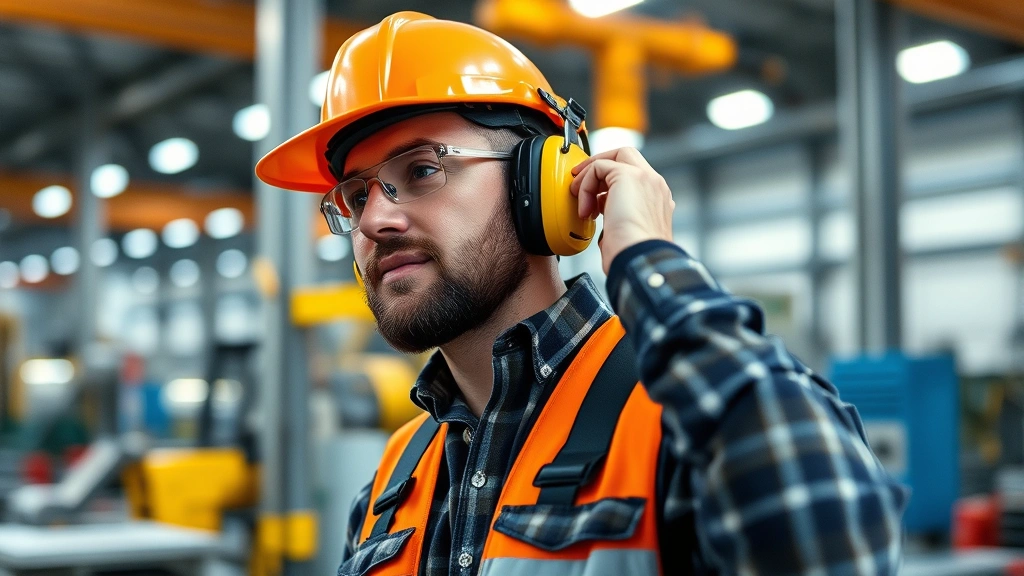
How Active Hearing Protection Works
Active hearing protection operates on a sophisticated principle: it uses microphones to detect incoming sound, processes that audio through digital circuits, and delivers it through speakers at safe levels. The system’s microprocessors analyze sound frequencies in real-time, distinguishing between ambient noise and potentially harmful impulse sounds like gunshots or industrial machinery. When dangerous decibel levels are detected, the device instantly compresses or gates the signal, preventing it from reaching the eardrum at unsafe levels.
The technology behind active hearing protection relies on phase cancellation and dynamic range compression. Microphones positioned on the device capture environmental sound, and the system calculates an inverted sound wave that theoretically cancels out harmful noise while allowing beneficial sounds to pass through. This process happens in milliseconds, making it nearly imperceptible to users. Many modern systems incorporate multiple microphones to improve directional awareness and noise isolation accuracy.
Different manufacturers employ varying approaches to achieve noise reduction. Some use analog circuitry for immediate response, while others utilize digital signal processing for more precise control. CISA guidelines on workplace safety emphasize that understanding device mechanics helps users select appropriate protection for their specific environment.
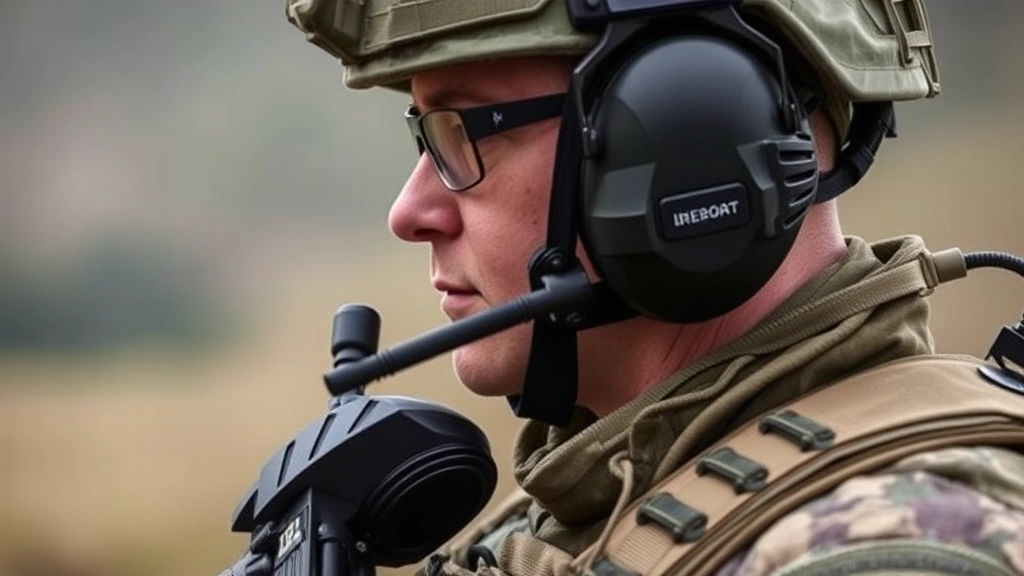
Effectiveness Compared to Passive Protection
Research comparing active and passive hearing protection demonstrates significant advantages for active systems in specific scenarios. Passive earplugs and earmuffs provide consistent attenuation across all frequencies, typically offering 15-33 dB of noise reduction depending on fit and design. However, they create a muffled environment that eliminates all sound, including important communication and environmental warnings.
Active hearing protection excels where situational awareness matters. Military personnel, law enforcement, and industrial workers consistently report that active devices allow them to maintain communication while protecting against impulse noise. Studies published in occupational health journals show that active systems can provide equivalent or superior noise reduction (20-35 dB) while preserving the ability to hear normal conversation at 60 dB and below.
The effectiveness gap widens in complex acoustic environments. Traditional passive protection offers uniform protection regardless of noise type, while active systems adapt to specific threats. A worker in a manufacturing facility using active protection can hear machinery warnings at normal volumes while simultaneously protecting against sudden loud impacts. This adaptive protection has been shown to reduce workplace accidents by up to 25% in facilities where communication is critical.
However, passive protection maintains consistent performance without battery dependency or electronic failure risks. The choice between active and passive systems depends on environmental demands rather than one being universally superior. Many professionals use both in complementary ways, wearing passive protection as a backup.
Real-World Applications and Performance
Military and tactical applications represent the most demanding testing ground for active hearing protection. Soldiers require protection from artillery and explosions while maintaining communication with team members. Combat-grade active systems have demonstrated effectiveness in preserving hearing health while maintaining critical operational communication. Field reports from deployed units consistently show improved situational awareness and reduced hearing damage compared to passive-only strategies.
Law enforcement agencies, particularly firearms instructors and tactical units, rely heavily on active hearing protection. Shooting ranges present unique challenges: gunshots exceed 160 dB, yet instructors need to hear radio communications and student feedback. Active systems designed for impulse noise excel in these environments, providing instantaneous protection while allowing normal conversation at 70-80 dB.
Industrial applications demonstrate effectiveness in manufacturing, mining, and construction environments. Workers exposed to continuous noise levels of 85-95 dB benefit from active protection’s ability to amplify warning sounds while reducing overall exposure. Studies from OSHA-monitored workplaces show that facilities implementing active hearing protection alongside engineering controls achieve better long-term audiometric outcomes than those using passive protection alone.
Recreational users, including hunters and sport shooters, report high satisfaction with active hearing protection. The ability to hear game movement and environmental cues while protecting against muzzle blast noise significantly enhances both safety and performance. Market data indicates that active hearing protection adoption among hunters has increased 40% over the past five years, driven by proven effectiveness and improving affordability.
Key Factors Determining Effectiveness
Proper Fit and Insertion
The effectiveness of any hearing protection depends fundamentally on proper fit. For earpiece-style active protection, correct insertion depth and seal quality directly impact noise reduction ratings (NRR). Even small gaps reduce effectiveness by 50% or more. Users must follow manufacturer fitting instructions carefully, and periodic refitting ensures maintained protection as ear canals naturally change over time.
Earmuff-style active protection requires proper headband tension and ear cup contact. Glasses, long hair, or facial hair can compromise the seal, reducing effectiveness. Regular cleaning of ear cup seals prevents deterioration that compromises performance. Professional fitting services, available through occupational health clinics, optimize protection for individual anatomy.
Battery Performance and Maintenance
Active hearing protection depends on consistent power supply. Battery degradation, improper charging, or inadequate backup power directly affects system responsiveness. Devices with failing batteries may not compress impulse noise quickly enough, allowing damage before the gate activates. Regular battery testing and replacement schedules are essential for maintaining effectiveness. Many modern systems include low-battery warnings, but users must respond promptly rather than continuing use with diminished capacity.
Environmental Noise Characteristics
Active hearing protection performs optimally in environments with intermittent loud noise against quieter backgrounds. Continuous high-noise environments (above 95 dB) may exceed the system’s dynamic range, reducing the advantage over passive protection. The device’s microphone sensitivity settings must be calibrated for the specific acoustic environment, requiring user adjustment or professional configuration.
User Compliance and Consistency
Hearing protection effectiveness requires consistent, correct use. Studies show that workers who remove protection during breaks or use it inconsistently achieve only 25-40% of theoretical protection benefits. The comfort and communication advantages of active systems improve compliance compared to passive protection, which many workers find uncomfortable during extended use.
Limitations and Considerations
Despite significant advantages, active hearing protection has important limitations. Electronic systems can fail, leaving users without protection if batteries die or circuits malfunction. Environmental factors including extreme temperatures, humidity, and dust can affect performance. Devices designed for tactical use may not perform optimally in industrial settings with different noise signatures.
Cost represents a significant barrier. Quality active hearing protection ranges from $200-$3,000 per unit, compared to $5-$50 for passive alternatives. Organizations implementing active protection across large workforces face substantial investment, though long-term hearing loss prevention benefits typically justify costs.
Some users experience difficulty adapting to the sensation of amplified ambient sound. The psychological adjustment to hearing “too much” detail in quiet moments can cause initial discomfort. Additionally, active systems may introduce slight latency in sound transmission, which some users find disconcerting during fast-paced activities.
Maintenance requirements exceed those of passive protection. Regular cleaning, battery management, and periodic calibration ensure continued effectiveness. Users must understand proper care procedures, and organizations must establish maintenance protocols to prevent performance degradation.
Industry Standards and Compliance
Active hearing protection must meet established safety standards to ensure effectiveness. The NIST framework for protective equipment establishes testing protocols for noise reduction claims. Devices must demonstrate consistent performance across frequency ranges relevant to their intended use. ANSI S3.19 standards specify how NRR values are calculated and verified through laboratory testing.
OSHA regulations recognize active hearing protection as acceptable for occupational noise exposure when devices meet specified performance standards. However, OSHA requires that active systems be used as part of comprehensive hearing conservation programs including audiometric monitoring and employee training. The regulation emphasizes that device selection must match workplace noise characteristics.
OSHA hearing protection guidelines require that employers verify device effectiveness through real-world field testing, not just laboratory claims. This recognition validates active hearing protection’s role in occupational safety while acknowledging that proper implementation requires more than equipment alone.
Military standards (MIL-PRF-67051) specify performance requirements for combat hearing protection, including impulse noise response times below 10 milliseconds and frequency response characteristics that preserve speech intelligibility. These rigorous standards ensure that devices perform reliably in demanding operational environments.
Manufacturers of active hearing protection must provide documentation of testing and performance verification. Reputable companies conduct third-party testing and maintain detailed performance data. Users should verify that devices meet applicable standards for their intended application before purchasing or deployment.
Professional organizations including the American Academy of Audiology and the National Hearing Conservation Association provide guidance on selecting and implementing active hearing protection. Their recommendations emphasize that effectiveness depends on comprehensive programs combining appropriate technology with training, maintenance, and compliance monitoring.
FAQ
How much better is active hearing protection than passive?
Active hearing protection typically provides 5-10 dB additional effective noise reduction in intermittent noise environments while maintaining situational awareness. In continuous noise, the advantage diminishes. The primary benefit is preserving communication and environmental awareness rather than superior decibel reduction alone.
Can active hearing protection fail without warning?
Well-designed systems include battery indicators and self-diagnostics that alert users to potential failures. However, users must actively monitor these indicators and replace batteries according to manufacturer schedules. Carrying backup passive protection and backup batteries mitigates failure risk.
Is active hearing protection suitable for all noise environments?
Active hearing protection excels in intermittent noise with quiet periods and when communication is essential. It’s less advantageous in continuous high-noise environments where passive protection alone may be preferable. Environmental assessment should drive selection decisions.
How long do active hearing protection batteries last?
Battery life varies significantly by model, ranging from 20-80 hours of continuous use. Some rechargeable systems last 30-40 hours per charge, while disposable battery models may last 50+ hours. Users must verify specifications for their specific device and establish replacement schedules.
What’s the learning curve for using active hearing protection?
Most users adapt within 1-2 hours of use. Initial adjustment involves acclimating to amplified ambient sound and learning proper insertion or fitting techniques. Professional fitting services accelerate this process and optimize comfort and performance.
Does active hearing protection work in very loud environments?
Effectiveness diminishes in extremely loud continuous noise (above 100 dB) where dynamic range compression becomes less effective. In these environments, passive protection or combined passive-plus-active approaches provide better protection. Device selection must match environmental decibel levels.


