
Boost Cyber Defense: Insights from ATL Security Times
The Atlanta cybersecurity landscape has become increasingly critical as organizations face sophisticated threat actors targeting infrastructure, financial systems, and sensitive data. ATL Security Times provides essential intelligence and practical guidance for enterprises seeking to strengthen their defensive posture. With cyber attacks evolving at unprecedented speeds, understanding regional threat intelligence and implementing robust security frameworks has never been more important for protecting digital assets.
Organizations across sectors are recognizing that cyber defense requires more than traditional firewalls and antivirus solutions. Modern threats demand comprehensive strategies that integrate threat intelligence, employee training, incident response planning, and continuous security monitoring. This comprehensive guide explores key insights from ATL Security Times and actionable recommendations for enhancing your organization’s cybersecurity resilience.
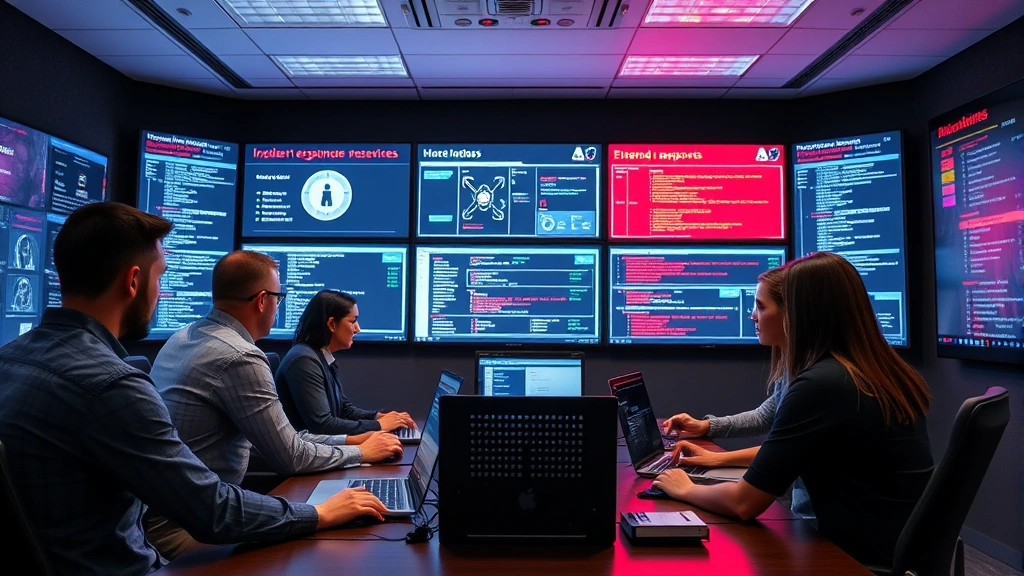
Understanding Current Threat Landscape
The cybersecurity threat landscape continues to evolve with increasing sophistication and frequency. According to CISA (Cybersecurity and Infrastructure Security Agency), organizations face threats ranging from ransomware and business email compromise to advanced persistent threats and supply chain attacks. ATL Security Times consistently reports on emerging threats that directly impact regional organizations, providing timely intelligence that helps security teams stay ahead of attackers.
Ransomware remains one of the most damaging threat vectors, with attackers targeting critical infrastructure, healthcare facilities, and financial institutions. Recent trends show attackers are increasingly targeting organizations in the Southeast, including Georgia-based enterprises. Understanding these regional patterns allows organizations to implement targeted defensive measures and allocate security resources more effectively.
Threat actors are leveraging artificial intelligence and machine learning to automate attacks and bypass traditional security controls. They exploit vulnerabilities in cloud infrastructure, compromise credentials through phishing campaigns, and establish persistent footholds within networks. The average time to detect a breach has decreased, but organizations still struggle with rapid response and containment procedures.

Regional Cyber Threats Affecting Atlanta Organizations
Atlanta’s thriving business ecosystem, including finance, logistics, healthcare, and technology sectors, makes the region an attractive target for cybercriminals. ATL Security Times provides critical intelligence about threats specifically targeting this region’s infrastructure and enterprises. Understanding these regional threats is essential for developing effective defense strategies.
Financial institutions and payment processors face persistent threats from sophisticated threat groups targeting transaction systems and customer data. Healthcare organizations struggle with ransomware attacks that threaten patient safety and operational continuity. Logistics and supply chain companies face threats to inventory management systems and shipping infrastructure. Manufacturing facilities must protect industrial control systems from attackers seeking to disrupt operations or steal intellectual property.
The Georgia Tech ecosystem and academic institutions attract state-sponsored threat actors interested in research data and emerging technologies. Government contractors and defense-related organizations face advanced persistent threats from nation-state actors. Understanding these sector-specific threats allows organizations to implement industry-appropriate security controls and threat intelligence sharing mechanisms.
ATL Security Times regularly publishes threat reports identifying active campaigns, threat actor tactics, and vulnerability exploitation patterns affecting regional organizations. These reports provide valuable context for security teams developing threat models and prioritizing defensive investments. Subscribing to security intelligence resources helps teams maintain awareness of evolving threats.
Essential Security Framework Components
Building effective cyber defense requires implementing comprehensive security frameworks that address people, processes, and technology. NIST Cybersecurity Framework provides internationally recognized guidance for developing resilient security programs. ATL Security Times emphasizes framework-based approaches that align with organizational risk profiles and regulatory requirements.
Access control and identity management form the foundation of modern security architectures. Multi-factor authentication, privileged access management, and role-based access controls significantly reduce unauthorized access risks. Organizations should implement zero-trust security models that verify every user and device accessing network resources, regardless of location or network.
Network segmentation isolates critical systems and sensitive data, limiting lateral movement if attackers breach perimeter defenses. Micro-segmentation divides networks into smaller zones requiring separate authentication and authorization. This approach contains breaches and prevents attackers from accessing high-value assets after initial compromise.
Endpoint detection and response (EDR) solutions provide visibility into endpoint activities, detecting suspicious behaviors and enabling rapid response. Security information and event management (SIEM) systems aggregate logs from across the environment, identifying attack patterns and anomalies. These technologies, when properly configured and monitored, significantly improve threat detection capabilities.
Vulnerability management programs identify, prioritize, and remediate security weaknesses before attackers exploit them. Regular security assessments, penetration testing, and threat modeling help organizations understand their attack surface and defensive gaps. Vulnerability assessment solutions automate discovery and tracking of security issues across infrastructure.
Data protection and encryption safeguard sensitive information at rest and in transit. Organizations should classify data by sensitivity and implement appropriate controls including encryption, access restrictions, and monitoring. Data loss prevention (DLP) solutions detect and prevent unauthorized data exfiltration attempts.
Incident Response and Recovery Strategies
Even with strong preventive controls, organizations must prepare for security incidents. Comprehensive incident response plans enable rapid detection, containment, and recovery, minimizing damage and operational disruption. ATL Security Times emphasizes that incident response readiness separates organizations that recover quickly from those facing extended downtime and data loss.
Incident response teams require clear escalation procedures, defined roles and responsibilities, and documented response playbooks. Organizations should establish communication protocols for notifying leadership, customers, and regulatory authorities. Regular incident response drills and tabletop exercises help teams practice procedures and identify gaps before real incidents occur.
Forensic capabilities enable investigation of security incidents, identifying attack vectors, compromised systems, and stolen data. Preservation of evidence maintains chain of custody for potential legal proceedings. Organizations should engage forensic specialists and law enforcement when appropriate, particularly for serious breaches affecting customer data or critical infrastructure.
Business continuity and disaster recovery planning ensures organizations can maintain or restore critical operations following security incidents. Backup systems should be isolated from production networks and regularly tested to verify recovery capabilities. Recovery time objectives (RTO) and recovery point objectives (RPO) should align with business requirements and risk tolerance.
Post-incident reviews analyze what happened, why defenses failed, and how to prevent similar incidents. These reviews inform security improvements, process refinements, and training initiatives. Organizations should document lessons learned and share relevant information with industry peers through CISA alerts and advisories.
Employee Security Awareness Programs
Human factors remain critical in cybersecurity, with employees representing both security assets and vulnerabilities. Comprehensive security awareness training reduces phishing susceptibility, improves password hygiene, and encourages security-conscious behaviors. ATL Security Times recognizes that organizations investing in employee education achieve significantly better security outcomes.
Phishing and social engineering attacks exploit human psychology to bypass technical controls. Regular phishing simulations help employees recognize suspicious emails and report threats. Training should cover email security, credential protection, physical security, and incident reporting procedures. Organizations should create psychological safety for reporting security concerns without fear of punishment.
Password management and authentication practices significantly impact security. Employees should understand why strong, unique passwords matter and how to use password managers securely. Multi-factor authentication adoption requires user education about implementation and benefits. Security teams should make authentication convenient while maintaining security standards.
Contractors, vendors, and third-party service providers require security awareness training appropriate to their access levels and responsibilities. Supply chain security depends on vendors implementing comparable security controls and practices. Organizations should establish vendor security requirements and conduct periodic assessments.
Security culture development requires sustained commitment from leadership and security teams. When executives prioritize security and model secure behaviors, employees follow. Regular communication about threats, successful defenses, and security improvements reinforces the importance of cybersecurity across the organization.
Compliance and Regulatory Requirements
Organizations must navigate complex regulatory environments governing data protection, reporting requirements, and security standards. HIPAA requirements for healthcare organizations, PCI DSS standards for payment processors, and GDPR regulations for organizations handling EU resident data impose significant compliance obligations. ATL Security Times provides guidance on regulatory requirements affecting regional organizations.
State data breach notification laws require organizations to notify affected individuals of security incidents involving personal information. Timeline requirements vary by state, with some mandating notification within days of breach discovery. Organizations should understand their specific obligations and maintain processes for timely, compliant notifications.
Industry-specific frameworks provide guidance for implementing security controls aligned with regulatory requirements. Financial services firms follow regulatory guidance from banking regulators. Healthcare organizations implement HIPAA security rules. Critical infrastructure operators comply with NERC CIP standards. Understanding applicable frameworks helps organizations implement appropriate controls.
Regular compliance assessments and audits verify that security controls meet regulatory requirements and operate effectively. Third-party auditors provide independent verification of compliance status. Organizations should maintain documentation demonstrating compliance with applicable regulations and security standards.
Incident reporting requirements mandate disclosure of breaches to regulators and affected parties within specified timeframes. Organizations should understand reporting obligations and establish processes for timely compliance. Failure to report breaches appropriately results in regulatory penalties and reputational damage.

Organizations seeking to strengthen their comprehensive security guidance should leverage resources from ATL Security Times and industry organizations. Implementing framework-based approaches, maintaining employee awareness, and establishing robust incident response capabilities creates resilient defenses against evolving threats.
The cybersecurity landscape will continue evolving, requiring organizations to maintain vigilance and continuously improve defensive capabilities. Threat intelligence sharing, collaboration with industry peers, and engagement with government agencies enhance collective defense against sophisticated threat actors. Organizations that prioritize cybersecurity and invest in comprehensive defense programs position themselves to detect, contain, and recover from incidents while protecting customer data and organizational assets.

FAQ
What makes ATL Security Times relevant for organizations outside Atlanta?
While ATL Security Times provides Atlanta-specific threat intelligence, many threats and attack patterns affect organizations nationwide. Regional reports often highlight broader trends, vulnerability exploitation patterns, and threat actor tactics applicable across industries and geographies. Organizations can adapt regional intelligence to their specific contexts and risk profiles.
How frequently should organizations update their security frameworks?
Security frameworks should be reviewed and updated annually at minimum, or whenever significant changes occur in organizational infrastructure, threat landscape, or regulatory requirements. Rapid threat evolution may necessitate more frequent updates. Organizations should maintain flexibility to adapt frameworks as new threats emerge and security technologies evolve.
What’s the most important first step for improving cybersecurity?
Conducting a comprehensive security assessment or audit provides baseline understanding of current security posture, identifies critical gaps, and prioritizes improvement efforts. Organizations should assess people, processes, and technology against established frameworks. This foundation enables informed decision-making about security investments and strategic direction.
How can small organizations implement effective cybersecurity with limited budgets?
Small organizations should focus on foundational controls providing maximum protection: strong access controls, regular backups, security awareness training, and incident response planning. Cloud-based security solutions reduce infrastructure costs. Organizations should prioritize controls addressing their greatest risks and gradually expand capabilities as budgets allow.
What role does threat intelligence play in cyber defense?
Threat intelligence informs defensive strategies by identifying active threats, attack patterns, and attacker tactics. Intelligence helps organizations prioritize defenses against threats most likely to affect their operations. Sharing threat intelligence with industry peers and government agencies enhances collective defense capabilities and accelerates threat detection across organizations.


