Active Hearing Protection: Expert Safety Insights
Hearing protection has evolved dramatically over the past two decades, transforming from simple foam earplugs to sophisticated active hearing protection systems that intelligently manage sound exposure. Active hearing protection represents a paradigm shift in occupational safety, military operations, and recreational activities, combining advanced electronics with acoustic science to provide users with unprecedented control over their auditory environment. Unlike passive hearing protection that merely dampens all sound indiscriminately, active systems use microphones, processors, and speakers to selectively amplify safe sounds while instantly suppressing dangerous noise levels.
The importance of understanding active hearing protection cannot be overstated, particularly as noise-induced hearing loss remains one of the most prevalent occupational hazards worldwide. The World Health Organization estimates that over 1.5 billion people globally suffer from hearing loss, with noise exposure accounting for a significant portion of preventable cases. Whether you work in construction, aviation, law enforcement, or manufacturing, or participate in shooting sports and hunting, active hearing protection offers tailored solutions that maintain situational awareness while protecting delicate inner ear structures from permanent damage.
How Active Hearing Protection Works
Active hearing protection systems operate on a sophisticated principle: they continuously monitor ambient sound levels through built-in microphones and process this audio data in real-time. When sound levels exceed safe thresholds—typically defined by NIOSH guidelines at 85 decibels for eight-hour exposures—the system’s electronics instantly activate compression circuits that reduce the volume of dangerous impulse noises while maintaining clarity for normal conversation and environmental awareness.
The core mechanism involves level-dependent compression, where loud sounds are compressed to safer levels while quieter sounds pass through with minimal alteration. This allows workers and enthusiasts to hear important communications, warning signals, and environmental cues that might be masked by traditional passive earplugs. The processing happens in milliseconds, faster than the human ear can detect, creating a seamless listening experience that maintains situational awareness—a critical factor in high-risk environments.
Most active systems utilize a dual-channel architecture, with separate microphones for each ear. This binaural processing enables directional hearing, allowing users to locate sound sources and maintain spatial awareness. Some advanced models incorporate multiple microphones to provide even more sophisticated noise cancellation and directional accuracy, similar to technology used in professional audio and hearing aid applications.
Key Technologies and Components
Modern active hearing protection systems integrate several critical technologies that work in concert to provide effective sound management. Understanding these components helps users appreciate the sophistication behind their protective equipment and make informed purchasing decisions.
Microphones and Sensors: High-fidelity microphones capture ambient sound with precision, feeding audio data to the processing unit. Premium systems use directional microphones that can distinguish between sounds coming from different directions, enhancing spatial awareness. Some units include additional sensors that detect vibration or impact, triggering protective responses even in extremely loud environments where microphones alone might be overwhelmed.
Digital Signal Processing (DSP): The computational heart of active hearing protection, DSP algorithms analyze incoming audio and make split-second decisions about compression ratios and response times. Advanced NIST-aligned systems employ machine learning approaches that adapt to different noise profiles, optimizing protection for specific work environments. These processors operate on dedicated chips, ensuring minimal latency and maximum battery efficiency.
Amplification Systems: Custom speakers or bone conduction transducers deliver processed audio directly to the user’s ears. Speaker quality significantly impacts comfort during extended use, with premium systems offering balanced frequency response that preserves speech intelligibility while suppressing dangerous impulse noises. Some models feature multiple output levels, allowing users to adjust amplification based on environmental conditions and personal preferences.
Power Management: Battery technology has improved dramatically, with modern systems offering 20-40 hours of continuous operation. Rechargeable lithium-ion batteries are standard in professional-grade equipment, while consumer models may use replaceable alkaline batteries. Smart power management systems automatically adjust processing intensity based on ambient noise levels, extending battery life significantly.
Connectivity Features: Contemporary active hearing protection increasingly incorporates wireless connectivity, enabling integration with communication systems, mobile devices, and industrial networks. CISA guidelines for connected devices emphasize the importance of secure implementations, and reputable manufacturers incorporate encryption and secure pairing protocols to prevent unauthorized access to audio feeds or system controls.
Applications Across Industries
Active hearing protection has become indispensable across numerous sectors where noise exposure represents a significant occupational hazard.
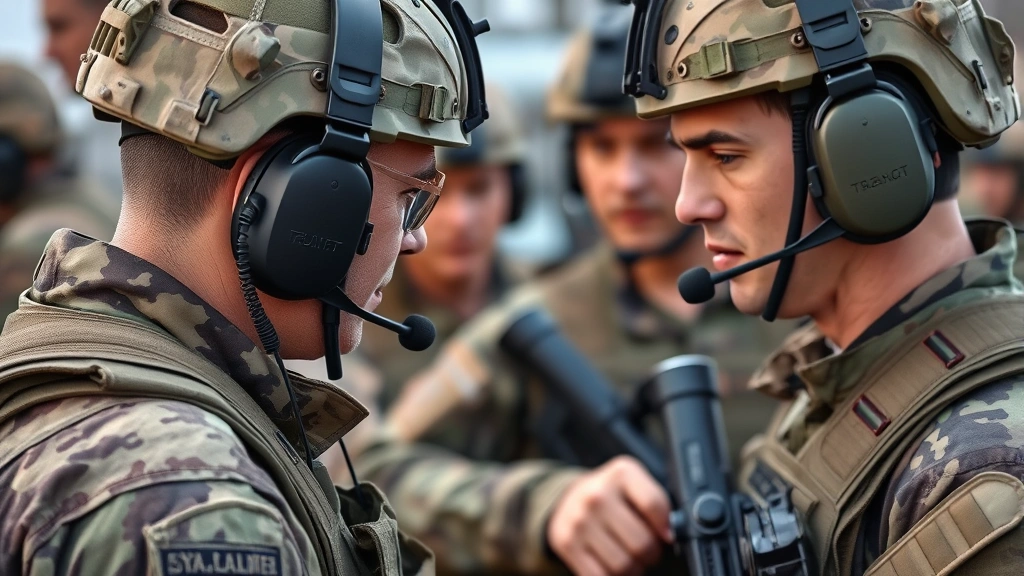
Military and Law Enforcement: Combat personnel and tactical teams rely on active hearing protection to suppress impulse noises from weapons fire while maintaining communication with team members. These systems often integrate with radio communications, allowing seamless coordination while protecting hearing from blast pressures that can cause permanent damage in milliseconds. Military-grade systems are engineered to withstand extreme conditions and often include ballistic protection for the protective devices themselves.
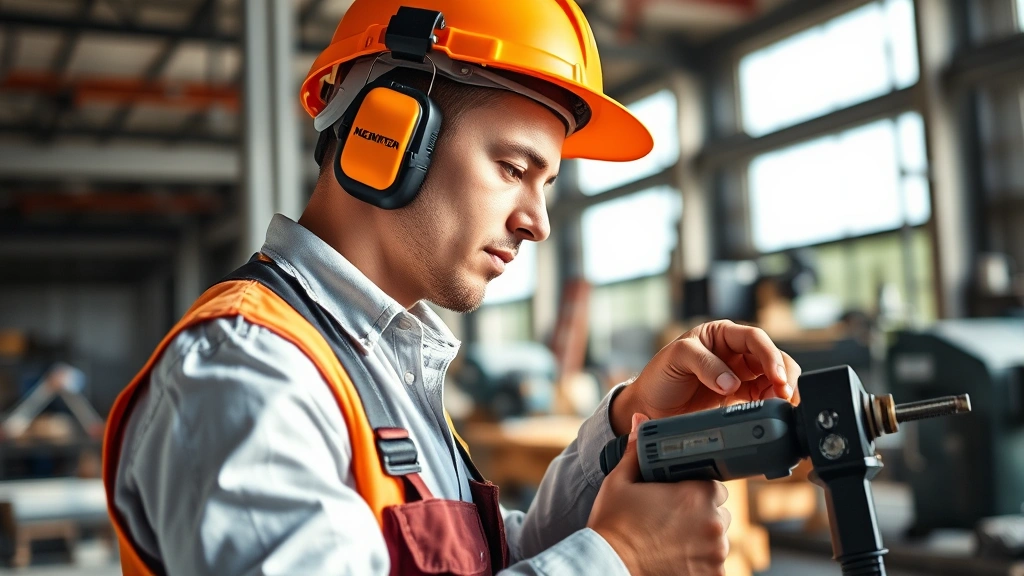
Construction and Heavy Industry: Workers exposed to continuous noise from machinery, power tools, and equipment benefit significantly from active protection. These systems enable communication on job sites without requiring workers to remove hearing protection, improving safety by maintaining auditory situational awareness. Construction applications often demand ruggedized designs that survive dust, moisture, and impact.
Aviation: Aircraft maintenance personnel, pilots, and ground crews operate in environments where noise levels routinely exceed 100 decibels. Active hearing protection integrated into aviation headsets allows critical communications while protecting hearing from engine noise and other aircraft sounds. The ability to hear radio communications clearly while suppressing ambient noise is essential for flight safety.
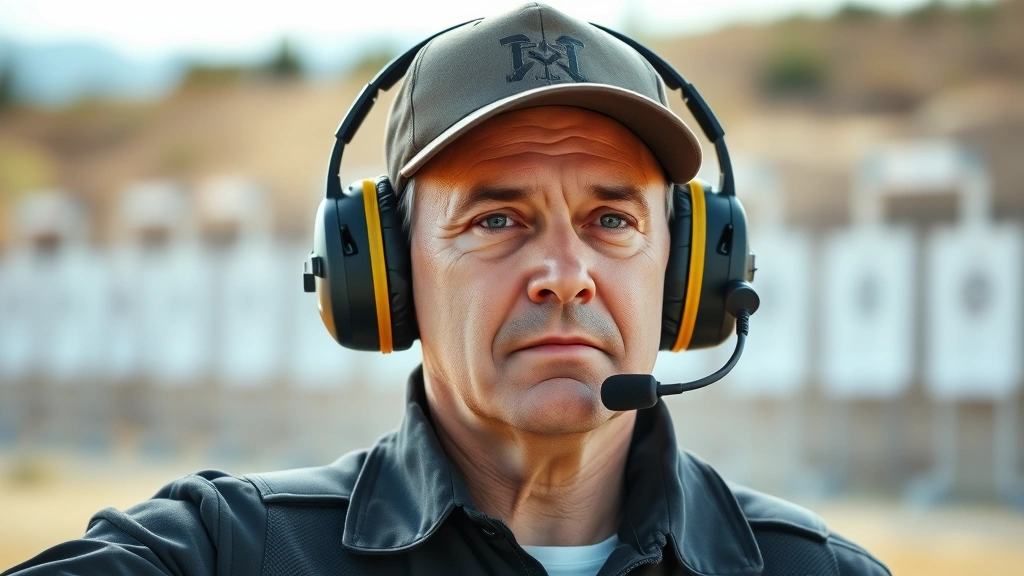
Shooting Sports and Hunting: Recreational and professional shooters face extreme impulse noise from firearms, with individual shots producing sound levels of 140-190 decibels depending on caliber and ammunition. Active hearing protection systems can suppress these impulses to safe levels (typically 82 decibels) while amplifying range commands and environmental sounds, enhancing both safety and performance. Many competitive shooters now consider active protection essential equipment.
Manufacturing and Plant Operations: Industrial facilities with continuous noise exposure benefit from active systems that protect hearing while allowing workers to hear warning signals, alarms, and communication. These systems often integrate with plant safety systems, triggering alerts when dangerous sound events occur.
Advantages Over Passive Systems
While passive hearing protection—foam earplugs, earmuffs, and earplugs—remains valuable and often required as a baseline, active systems offer distinct advantages that justify their higher cost in many applications.
Situational Awareness: Perhaps the most significant advantage, active protection maintains normal hearing for safe sounds while suppressing only dangerous noise. This preserves directional hearing, speech intelligibility, and environmental awareness—critical factors in safety-sensitive environments. Workers can hear approaching vehicles, warning signals, and communication without removing protective equipment.
Communication Clarity: Active systems amplify speech frequencies while suppressing background noise, resulting in superior communication quality compared to passive protection. In noisy environments, workers often struggle to hear instructions or warnings when wearing passive earplugs; active systems solve this by intelligently processing audio. Some advanced models include noise-canceling microphones that further enhance communication clarity.
Comfort During Extended Use: Many workers report that properly fitted active hearing protection feels more comfortable during long shifts than passive earplugs, which can cause ear canal irritation and pressure sensations. The ability to hear normally in quieter moments reduces the psychological discomfort of isolation that some experience with passive protection.
Adaptive Protection: Different work tasks may require different protection levels. Active systems adapt automatically to changing noise environments, providing appropriate protection without requiring manual adjustments. A construction worker might experience varying noise levels throughout the day; active protection handles these variations seamlessly.
Compliance and Safety Culture: Research indicates that workers are more likely to consistently wear active hearing protection because it doesn’t isolate them from their environment. This improved compliance translates directly to better hearing conservation outcomes. Additionally, the ability to maintain communication encourages a stronger safety culture where warnings and instructions are clearly heard.
Selecting the Right Protection
Choosing appropriate active hearing protection requires careful consideration of several factors specific to your use case and environment.
Noise Environment Characterization: Begin by understanding the noise profile of your environment. Is it continuous background noise, intermittent impulse noise, or a combination? Different active systems excel in different scenarios. Impulse-dominated environments (shooting ranges, construction with impact tools) benefit from systems with fast attack times that suppress peaks instantly. Continuous noise environments (manufacturing plants, aircraft hangars) benefit from systems optimized for steady-state compression.
Attenuation Requirements: Calculate required noise reduction rating (NRR) based on your noise exposure. Most occupational safety standards require reducing exposure to 85 decibels or below. Active systems typically provide 15-35 dB of attenuation depending on design and frequency range. Ensure selected equipment meets or exceeds your calculated requirements. Consult with an audiologist or occupational health professional if uncertain.
Comfort and Fit: Since you’ll wear protective equipment for extended periods, comfort is paramount. Try before purchasing when possible. Consider ear canal size, sensitivity to pressure, and personal preference for over-ear versus in-ear designs. Poorly fitting protection provides inadequate attenuation regardless of technology sophistication. Many manufacturers offer customizable options or fitting services.
Communication Integration: Assess whether you need integration with existing communication systems, radios, or mobile devices. Some active systems function standalone, while others integrate seamlessly with professional communication networks. This integration capability significantly impacts utility in team environments.
Battery Life and Power Requirements: Verify that battery life meets your operational needs. Professional-grade systems typically offer 20+ hours of continuous operation, while consumer models vary widely. Consider whether you need replaceable batteries for remote work or can rely on rechargeable systems with charging infrastructure.
Durability and Environmental Resistance: Evaluate expected operating conditions. Will your protection face dust, moisture, temperature extremes, or mechanical stress? Professional-grade equipment typically offers superior environmental sealing and impact resistance. Certifications like IP67 (dust and water resistance) indicate robust construction suitable for harsh environments.
Maintenance and Best Practices
Proper maintenance ensures your active hearing protection continues functioning optimally and provides maximum protection throughout its service life.
Regular Cleaning: Clean microphone ports and speaker openings regularly using appropriate tools. Dust accumulation can degrade audio quality and sensor responsiveness. Use manufacturer-recommended cleaning procedures, typically involving soft brushes and appropriate solvents. Never submerge units unless specifically rated for full water immersion.
Battery Management: For rechargeable systems, follow manufacturer guidelines for charging cycles and storage. Lithium-ion batteries degrade over time, so replace them according to recommendations—typically every 2-3 years for professional equipment. For replaceable battery systems, always use recommended battery types and remove batteries during extended storage to prevent corrosion.
Fit Verification: Periodically verify that your active protection still fits properly and seals adequately. Ear canal shape can change slightly over time, and earpads may compress with use. If you notice reduced attenuation or discomfort, consult with a fitting specialist. Many manufacturers offer replacement earpads and custom molding services.
Calibration and Testing: Professional-grade systems should be calibrated annually by qualified technicians. Many organizations maintain sound level meters and perform periodic attenuation verification testing. This ensures protection continues meeting required standards. Some advanced systems include self-diagnostic features that alert users to performance degradation.
Documentation: Maintain records of your hearing protection equipment, including model numbers, purchase dates, maintenance history, and calibration results. This documentation supports occupational health compliance and helps track equipment lifecycle. Many organizations use digital asset management systems for this purpose.
Training and Usage: Proper usage is as important as equipment quality. Ensure all users understand correct insertion techniques for in-ear models, proper positioning for over-ear designs, and system operation. Many hearing loss incidents result from improper fitting rather than equipment failure. Regular training refreshers improve compliance and protection effectiveness.
FAQ
What is the difference between active and passive hearing protection?
Passive hearing protection (foam earplugs, earmuffs) uses physical material to block sound indiscriminately. Active hearing protection uses electronics to intelligently process sound, suppressing dangerous noise while amplifying safe sounds. This allows active systems to maintain situational awareness and communication while passive systems typically isolate users from their environment.
How fast do active hearing protection systems respond to loud noise?
Quality active systems respond in 1-4 milliseconds, faster than the human ear can perceive. This rapid response is crucial for impulse noise protection, instantly compressing dangerous peaks before they reach the eardrum. Response time specifications are critical when selecting equipment for impulse-dominated environments.
Can I use active hearing protection with other personal protective equipment?
Yes, most active hearing protection systems integrate well with other PPE. In-ear models work under safety helmets and respirators. Over-ear models may require careful positioning with helmets, but modern designs accommodate this. Consult with your safety professional regarding compatibility with your specific equipment combination.
How long do batteries last in active hearing protection?
Professional-grade rechargeable systems typically provide 20-40 hours of continuous operation per charge. Consumer models vary widely, from 8-20 hours. Battery life depends on usage patterns—continuous processing drains batteries faster than intermittent use. Check manufacturer specifications for your specific model and consider your operational requirements.
Are active hearing protection systems suitable for people with existing hearing loss?
Many active systems include adjustable amplification that can benefit people with mild to moderate hearing loss. Some models offer frequency-specific amplification that emphasizes speech ranges. However, individuals with significant hearing loss should consult with an audiologist to determine appropriate protection and potential amplification settings.
What certifications should I look for when purchasing active hearing protection?
Look for ANSI S3.19 certification (hearing protection performance), ANSI S3.42 certification (level-dependent sound attenuation), and environmental certifications appropriate for your use case (IP ratings for water/dust resistance). Military applications should meet MIL-STD specifications. NIOSH recommendations provide detailed guidance on certification requirements for occupational applications.
Can active hearing protection integrate with communication systems?
Many professional-grade systems offer wireless connectivity and direct integration with radio systems, mobile devices, and industrial communication networks. Integration capability varies significantly between models, so verify compatibility before purchasing if communication integration is important for your application. Some systems use proprietary connections while others employ standard protocols like Bluetooth.
How do I know if my active hearing protection is providing adequate protection?
Proper protection should allow you to hear normal conversation and environmental sounds while impulse noises are noticeably suppressed. If you experience ringing in your ears (tinnitus) or temporary hearing threshold shifts after exposure, your protection may be inadequate. Have your system calibrated annually and monitor your hearing through audiometric testing if exposed to significant noise regularly.


