
Secure Your Scalp: Dermatologist Sun Safety Tips for Best Scalp Sun Protection
Your scalp is one of the most vulnerable areas of your body when it comes to sun damage, yet it’s frequently overlooked in skincare routines. Unlike your face, which receives regular sunscreen application and protective care, the scalp often goes unprotected, exposing delicate hair follicles and skin to harmful ultraviolet radiation. Dermatologists consistently warn that scalp sun damage can lead to painful sunburns, premature hair loss, and significantly increased risk of skin cancer, including melanoma. The scalp’s thin skin and constant exposure make it a critical zone requiring dedicated protection strategies.
Understanding the unique challenges of scalp protection is essential for maintaining long-term hair and skin health. The hair itself provides some natural UV filtering, but this protection is inconsistent and depends on hair density, color, and texture. Fair-haired individuals face particular vulnerability since lighter hair absorbs less UV radiation. Additionally, anyone experiencing hair thinning, hair loss, or maintaining shorter hairstyles needs enhanced protective measures. This comprehensive guide draws on dermatological expertise to help you develop an effective scalp sun safety regimen that goes beyond basic sunscreen application.
Understanding Scalp Sun Damage and UV Radiation
The scalp experiences unique vulnerability to UV radiation due to its anatomical position and constant exposure to direct sunlight. UVA and UVB rays penetrate the scalp’s thin epidermis, damaging cellular DNA and triggering inflammatory responses that manifest as painful burns. Unlike other body areas that can be easily covered, the scalp’s role in hair growth and skin health makes comprehensive protection challenging yet essential. Research from dermatological institutions demonstrates that cumulative sun exposure to the scalp significantly increases melanoma risk, with the scalp accounting for a disproportionate percentage of skin cancer cases among men, particularly those experiencing hair loss.
UV radiation affects the scalp at multiple biological levels. Acute exposure causes immediate sunburn symptoms including redness, swelling, and peeling. Chronic, repeated exposure damages melanocytes and accelerates photoaging of scalp skin, leading to texture changes, age spots, and weakened skin barrier function. The scalp’s proximity to the brain and its rich vascular supply mean that inflammation from sun damage can have systemic effects. Additionally, UV damage to hair follicles can disrupt the hair growth cycle, contributing to telogen effluvium and premature hair thinning. Understanding these mechanisms helps explain why dermatologists emphasize year-round scalp protection as non-negotiable for long-term health.
The Fitzpatrick skin type classification system helps determine individual scalp vulnerability. Individuals with fair skin, red or blonde hair, and family histories of skin cancer face elevated risk requiring more aggressive protection strategies. However, darker skin tones are not immune to UV damage; melanoma in individuals with darker skin often presents at more advanced stages due to delayed detection. Everyone benefits from consistent scalp sun protection regardless of skin tone, though the specific strategies may vary based on individual factors.
Sunscreen Selection and Application for Scalp Protection
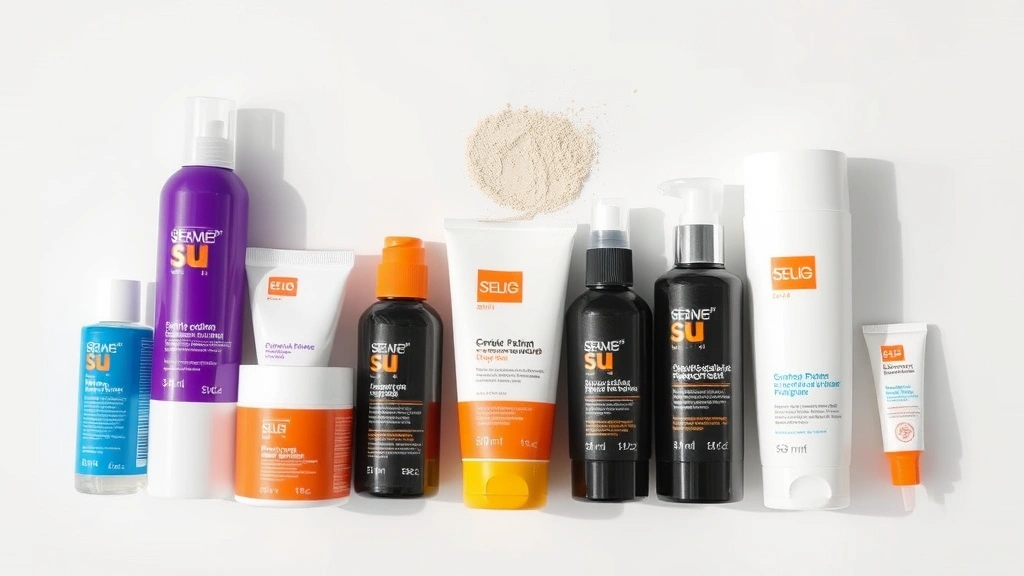
Selecting appropriate sunscreen for scalp application differs from facial sunscreen choices due to hair interference and scalp-specific considerations. Broad-spectrum sunscreens with SPF 30 minimum provide essential UVA and UVB protection, though SPF 50 offers additional security for high-risk individuals. The scalp presents unique application challenges since traditional lotion or cream formulations leave visible residue and feel uncomfortable in hair. Spray sunscreens offer convenient application but require careful technique to ensure adequate coverage and avoid inhalation. Powder sunscreens and specialized scalp products designed specifically for hair-bearing skin provide effective alternatives that integrate seamlessly into existing grooming routines.
Mineral sunscreens containing zinc oxide or titanium dioxide provide immediate UV protection without requiring absorption into skin, making them ideal for sensitive scalps. Chemical sunscreens containing oxybenzone, avobenzone, or octinoxate require fifteen to thirty minutes for activation and absorb into skin, potentially causing irritation on the scalp. For individuals with sensitive scalps, reactive skin conditions, or those applying sunscreen frequently, mineral formulations often prove more comfortable. Combination sunscreens offering both mineral and chemical filters provide broad-spectrum protection with improved cosmetic elegance. When selecting daily protective products, consider formulations specifically labeled for scalp and hair compatibility.
Application technique significantly impacts sunscreen efficacy on the scalp. Part your hair in multiple sections and apply sunscreen directly to exposed scalp areas using your fingertips or a specialized applicator brush. Many dermatologists recommend using approximately one-quarter teaspoon of sunscreen for the entire scalp, though this varies based on hair density and scalp size. Reapplication every two hours, or immediately after swimming or sweating, maintains protection throughout the day. For individuals with thinning hair or significant scalp exposure, applying sunscreen before sun exposure and reapplying after water activities prevents dangerous protection gaps. Consider using protective product guidance when evaluating new formulations.
Physical Barriers and Protective Clothing
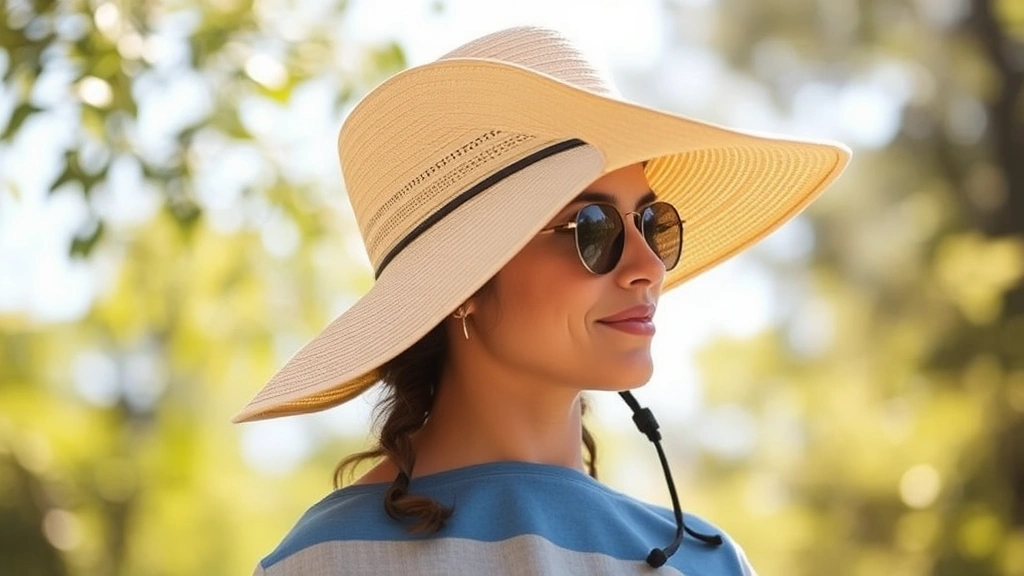
Physical barriers provide the most reliable scalp sun protection, eliminating reliance on chemical or mineral sunscreen reapplication. Wide-brimmed hats offering at least three inches of brim coverage on all sides protect the scalp, ears, and upper face from direct UV radiation. Dermatologists recommend hats with UPF (Ultraviolet Protection Factor) ratings, indicating textile certification for UV blocking. Straw hats, while aesthetically appealing, provide less protection than tightly woven fabrics; conversely, densely woven cotton or specialized performance fabrics deliver superior UV blocking. Baseball caps protect the scalp’s anterior regions but leave the back and sides vulnerable, making them insufficient as sole protection strategies.
UV-protective clothing extends scalp protection through specialized fabrics engineered to block harmful radiation. Lightweight, breathable UPF-rated shirts and long-sleeved garments provide full-body protection without heat accumulation, particularly valuable during extended outdoor activities. Neck gaiters and bandanas offer portable protection for the scalp’s posterior regions and sides. Umbrellas designed for sun protection provide mobile shade, though they offer incomplete protection since reflected radiation from ground surfaces still reaches exposed skin. When planning outdoor activities during peak UV hours (10 AM to 4 PM), combining multiple protective strategies—hats, clothing, sunscreen, and shade-seeking—provides comprehensive defense.
Hair coverings including scarves, wraps, and specialized UV-blocking head gear serve both protective and cultural purposes. Silk or satin materials reduce friction damage while providing modest sun protection; densely woven cotton or linen fabrics offer enhanced UV blocking. For individuals engaging in water sports, swim caps protect hair and scalp from UV exposure and chlorine damage. Workplace and recreational settings may benefit from establishing scalp protection protocols, particularly for outdoor industries. The CDC provides occupational sun safety guidelines for workers with significant outdoor exposure.
Daily Habits and Lifestyle Modifications
Behavioral modifications complement topical and physical protection strategies, creating comprehensive scalp safety practices. Limiting sun exposure during peak UV hours (10 AM to 4 PM) significantly reduces cumulative radiation exposure; scheduling outdoor activities for early morning or late afternoon provides meaningful protection. When outdoor exposure is unavoidable, seeking shade whenever possible—beneath trees, umbrellas, or structures—reduces direct radiation while allowing continued outdoor engagement. Monitoring daily UV indices through weather services helps inform protection intensity; higher indices warrant more aggressive protective measures including multiple sunscreen applications and additional physical barriers.
Regular scalp inspections enable early detection of concerning changes requiring dermatological evaluation. Monthly self-examinations using a handheld mirror and good lighting allow identification of new moles, changing pigmentation, or unusual scaling that might indicate precancerous changes. Photographing the scalp monthly creates documentation enabling comparison over time. Any lesions that itch, bleed, change appearance, or persist beyond two weeks warrant immediate professional evaluation. Establishing relationships with dermatologists for annual skin cancer screenings ensures expert assessment of scalp changes and personalized risk stratification. For high-risk individuals, baseline scalp photography and periodic professional documentation support early intervention if concerning changes develop.
Dietary modifications supporting skin health complement external protection strategies. Antioxidant-rich foods including berries, leafy greens, and fatty fish provide photoprotective compounds that strengthen skin resilience to UV damage. Adequate hydration maintains skin barrier function, improving protection efficacy. Limiting alcohol consumption and avoiding smoking reduces systemic inflammation and improves healing capacity. Stress management through meditation, exercise, or other relaxation techniques supports immune function, enhancing the body’s ability to repair UV-induced damage. While dietary changes cannot replace sunscreen or physical barriers, they provide complementary protection addressing damage at cellular and systemic levels.
Treatment Options for Existing Sun Damage
When sun damage has already occurred, dermatological interventions can improve appearance and reduce health risks. Topical retinoids including prescription tretinoin and over-the-counter retinol stimulate collagen production and accelerate skin cell turnover, improving sun-damaged skin texture and reducing age spots. These treatments require consistent application over months to demonstrate benefits and increase sun sensitivity, necessitating enhanced protection during use. Vitamin C serums and other antioxidant treatments provide additional support by neutralizing free radicals generated by UV exposure and supporting collagen synthesis.
Professional procedures address more advanced sun damage. Chemical peels using glycolic acid, salicylic acid, or TCA penetrate damaged skin layers, promoting healing and revealing healthier skin beneath. Laser treatments including fractional lasers and intense pulsed light (IPL) therapy target pigmentation irregularities and stimulate dermal remodeling. Microdermabrasion mechanically removes damaged outer skin layers, improving texture and appearance. These procedures require professional administration and post-treatment sun protection to prevent complications. Dermatologists assess individual damage patterns and skin characteristics to recommend appropriate interventions balancing efficacy against downtime and risk.
Preventive approaches prove more effective than treating established damage, emphasizing the importance of early intervention. Individuals with significant sun damage history should consult dermatologists regarding skin cancer surveillance protocols. Actinic keratosis, precancerous lesions caused by cumulative sun exposure, require monitoring and treatment to prevent progression to squamous cell carcinoma. Early detection and removal of concerning lesions dramatically improves outcomes, underscoring why consistent protection and regular screening represent optimal strategies for long-term scalp health.
Special Considerations for Different Hair Types
Hair characteristics significantly influence scalp sun vulnerability and optimal protection strategies. Individuals with fine, thin, or sparse hair experience greater UV penetration to scalp skin, necessitating more aggressive protection including frequent sunscreen application and consistent hat usage. Those with curly, coily, or textured hair benefit from protective styling techniques including braids and updos that reduce scalp exposure while protecting hair from sun-induced dryness. Individuals with color-treated hair face compounded damage from both UV radiation and chemical processing; enhanced protection prevents accelerated color fading and hair deterioration. Understanding your specific hair type enables tailored protection approaches maximizing both scalp and hair health.
Hair loss and thinning create urgent scalp protection needs since reduced hair density eliminates natural UV filtering. Individuals experiencing androgenetic alopecia, alopecia areata, or chemotherapy-related hair loss require dedicated scalp protection including sunscreen, hats, and potentially scalp-specific treatments. Those with receding hairlines or expanding bald spots face particular vulnerability to the crown and frontal regions. Consulting dermatologists about hair loss causes enables concurrent treatment addressing underlying conditions while implementing protective strategies. For individuals considering hair transplantation or other restoration procedures, pre-operative scalp health assessment and post-operative sun protection protocols prevent complications.
Certain scalp conditions including psoriasis, seborrheic dermatitis, and atopic dermatitis complicate sun protection strategies. While controlled sun exposure sometimes benefits these conditions, excessive UV exposure triggers flares and worsens symptoms. Individuals with inflammatory scalp conditions should consult dermatologists regarding safe sun exposure limits and sunscreen selections compatible with their specific conditions. Some treatments for scalp conditions, including certain biologics and topical medications, increase photosensitivity, requiring enhanced protection. Integrated approaches addressing both underlying scalp health and sun protection optimization ensure comprehensive care.
Age-related considerations influence scalp protection priorities. Children and adolescents face particularly high lifetime UV exposure risk, making early protection establishment critical for preventing future skin cancer development. Elderly individuals with decades of cumulative sun exposure require vigilant surveillance and aggressive protection to prevent new skin cancers. Individuals with immunosuppression from transplantation, HIV infection, or immunosuppressive medications face elevated skin cancer risk, necessitating heightened protection vigilance. Understanding life-stage-specific vulnerabilities enables appropriate resource allocation and protection intensity.
FAQ
How often should I reapply sunscreen to my scalp?
Dermatologists recommend reapplying sunscreen every two hours during continuous sun exposure, or immediately after swimming, sweating, or towel-drying hair. For daily activities with intermittent sun exposure, applying sunscreen before outdoor time and once during midday provides adequate protection for most individuals. Those with fair skin, significant scalp exposure, or history of skin cancer should follow more frequent reapplication schedules.
Can I use facial sunscreen on my scalp?
While facial sunscreen provides UV protection, scalp-specific formulations designed to work with hair are preferable. Facial sunscreens often leave visible residue in hair and feel uncomfortable. Scalp sunscreens, sprays, and powders integrate better with hair while delivering equivalent protection. However, in emergency situations, facial sunscreen application to exposed scalp areas provides better protection than none.
What’s the best hat for scalp sun protection?
Wide-brimmed hats offering three inches of brim coverage on all sides provide optimal protection. UPF-rated hats with densely woven fabrics block more radiation than loosely woven materials. Boonie hats and wide-brimmed sun hats outperform baseball caps, which leave the back and sides vulnerable. Combining hat use with sunscreen and other protective strategies maximizes scalp safety.
Are mineral or chemical sunscreens better for scalp use?
Mineral sunscreens containing zinc oxide or titanium dioxide provide immediate protection and generally cause less scalp irritation, making them preferable for sensitive individuals. Chemical sunscreens may absorb better into hair but require fifteen to thirty minutes for activation. Individual tolerance varies; testing different formulations helps identify optimal choices for your scalp.
How can I protect my scalp during water activities?
Swim caps provide excellent scalp protection during water activities while also protecting hair from chlorine and salt water damage. Apply water-resistant sunscreen before swimming, then reapply after exiting water. Rash guards and UPF-rated swim shirts extend protection to shoulders and back. Seeking shade immediately after water activities and drying hair promptly prevents extended wet-scalp sun exposure.
What signs indicate scalp sun damage requiring medical attention?
Consult a dermatologist if you notice persistent scalp changes including new moles, changing pigmentation, unusual scaling, bleeding lesions, or areas that itch or hurt. Severe sunburns causing blistering or systemic symptoms require immediate medical evaluation. Annual professional skin cancer screenings enable early detection of concerning changes before they progress to advanced disease.


