
Top In-Ear Hearing Protection for Shooters: Expert Picks
Hearing protection is not optional for shooters—it’s essential. Exposure to gunfire produces noise levels exceeding 140-190 decibels, far surpassing the 85-decibel threshold where permanent hearing damage begins. Traditional foam earplugs offer basic protection but fail to preserve situational awareness, a critical safety factor at ranges and in hunting scenarios. Modern in-ear electronic hearing protection devices solve this problem by amplifying ambient sounds while instantly suppressing dangerous impulse noise from gunshots.
Electronic hearing protection represents a significant advancement in shooter safety, combining passive sound blocking with active noise management technology. These devices allow you to hear range commands, conversations, and environmental cues while protecting against sudden loud blasts. Whether you’re a competitive shooter, hunter, or recreational range enthusiast, selecting the right hearing protection directly impacts both safety and performance.
This comprehensive guide examines the market’s leading in-ear electronic hearing protection options, analyzing technology, comfort, battery life, and real-world performance to help you make an informed decision.
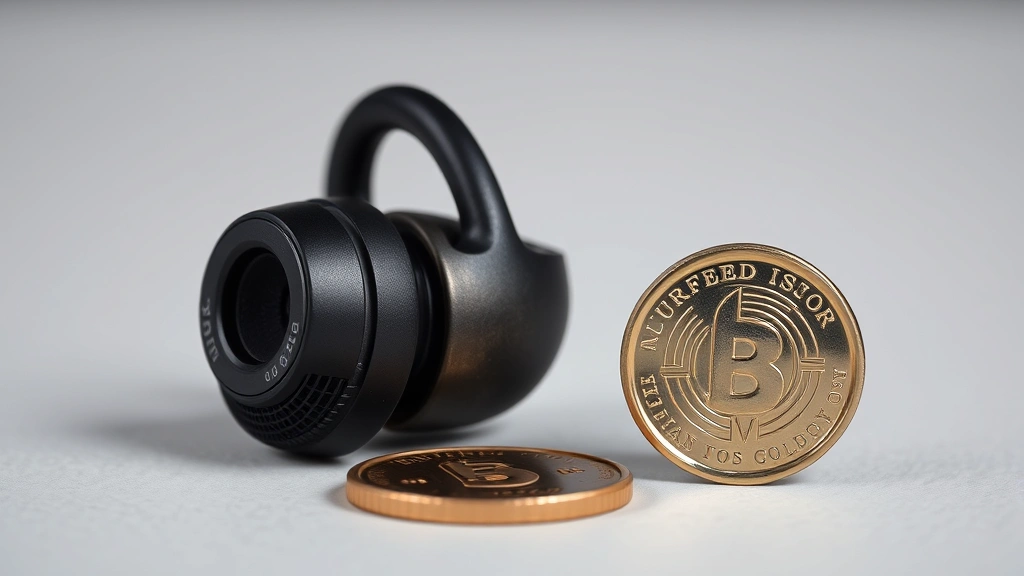
How Electronic Hearing Protection Works
Electronic hearing protection operates through sophisticated microphone and amplification systems that process sound in real-time. The technology works by continuously monitoring ambient noise levels through sensitive microphones embedded in each earpiece. When sound pressure exceeds a preset threshold—typically around 85-90 decibels—the device’s circuitry instantly stops amplification and engages a mechanical or electronic gate, blocking the dangerous sound wave.
The speed of this response is crucial. Quality devices respond in microseconds, faster than the human ear can detect the transition. This instantaneous reaction prevents the impulse from reaching your inner ear while maintaining amplification of normal conversation and environmental sounds. Most professional-grade devices can amplify quiet sounds up to 30 decibels, dramatically improving your ability to hear whispered commands or distant movements.
Digital signal processing has revolutionized this technology. Modern in-ear devices use sophisticated algorithms to distinguish between gunshot impulses and sustained loud noise. This differentiation allows devices to suppress a single shot while maintaining amplification during, for example, a loud engine or machinery sound. Some premium models even offer directional microphone technology, helping you locate sound sources more accurately—particularly valuable for hunters tracking game.
Battery technology powers these systems, with most quality in-ear models operating on standard hearing aid batteries (size 675 or 13) lasting 50-200 hours depending on usage intensity. Some advanced models feature rechargeable batteries, eliminating the need for frequent battery changes during extended shooting sessions.
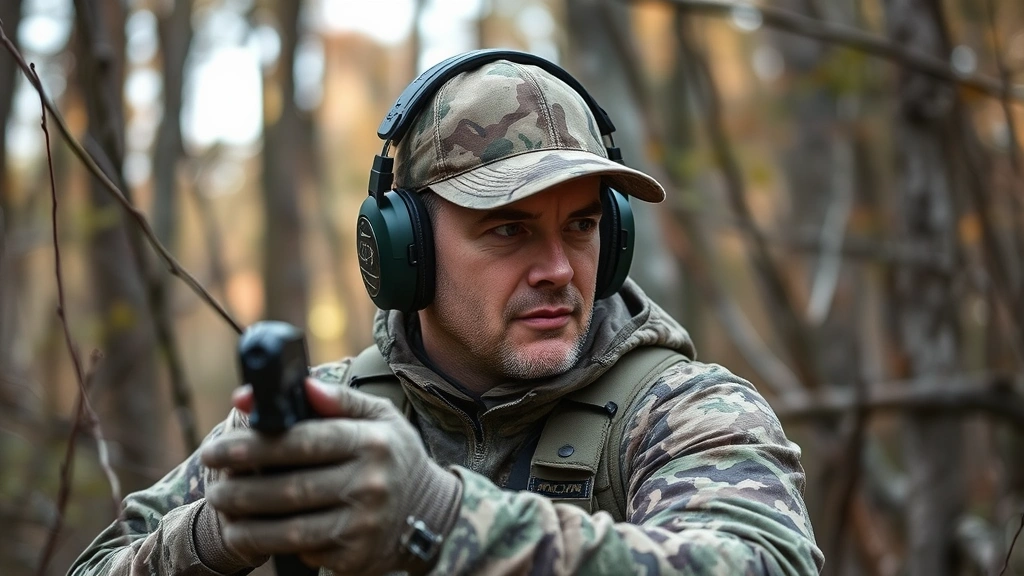
Key Features to Consider
Selecting appropriate electronic hearing protection requires evaluating multiple technical and practical specifications. Understanding these features ensures you choose a device matching your specific shooting environment and needs.
Noise Reduction Rating (NRR): This standardized measurement indicates passive sound reduction when no power is applied. In-ear devices typically offer NRR ratings between 15-33 decibels. Higher NRR provides better baseline protection but can reduce situational awareness. Look for balanced ratings around 20-25 NRR for most shooting applications.
Attack Time: Measured in milliseconds, attack time indicates how quickly the device responds to dangerous impulse noise. Superior devices respond in 2-4 milliseconds. Anything slower than 6 milliseconds risks allowing some harmful noise through to your ear canal. Always verify manufacturer specifications for this critical parameter.
Frequency Response: Quality devices amplify across a broad frequency spectrum (typically 100-8000 Hz), ensuring you hear speech clearly while suppressing dangerous impulse frequencies. Narrow frequency response can make communication difficult or fail to adequately protect against certain noise profiles.
Comfort and Fit: In-ear devices must stay securely positioned during shooting recoil and movement. Look for models offering multiple earpiece sizes, secure-fit designs, and lightweight construction. Comfort during extended wear directly impacts your ability to maintain consistent hearing protection throughout a shooting session.
Directional Microphones: Premium devices feature directional audio pickup, allowing you to better locate sound sources. This feature proves particularly valuable for hunters and tactical shooters who need precise environmental awareness.
Wireless Connectivity: Some modern devices offer Bluetooth connectivity to smartphones for audio streaming or communication. While convenient, wireless features may consume additional battery power and introduce potential connectivity issues at ranges.
Durability and Water Resistance: Shooting environments are often harsh—dusty ranges, wet hunting conditions, and sudden impacts from recoil. Select devices with robust construction, ideally rated IP54 or higher for water and dust resistance.
Top In-Ear Models for Shooters
Phonak Lyric: Originally designed as a hearing aid, the Phonak Lyric has gained significant popularity among shooters seeking discreet, insertion-canal protection. These tiny devices sit deep in the ear canal, virtually invisible to observers. The 24/7 wear capability and automatic sound processing provide consistent protection without daily insertion and removal. However, they require professional fitting and represent a premium investment. The directional microphone system excels at preserving spatial awareness, a critical advantage in dynamic shooting environments.
SureSafe Impulse: Engineered specifically for shooting sports, the SureSafe Impulse delivers impressive specifications at a reasonable price point. The device features a 2-millisecond attack time, exceeding performance standards for impulse noise suppression. Dual microphones provide directional audio enhancement, and the rugged design withstands heavy recoil. Battery life reaches approximately 150 hours, reducing frequent battery changes during competition seasons. The moderate size accommodates various ear canal sizes, though some users report initial fit adjustment periods.
3M Peltor ComTac: The Peltor line represents professional-grade hearing protection used by military and law enforcement agencies. The ComTac series offers exceptional build quality, multiple communication options, and outstanding sound amplification (up to 32 dB). Dual-microphone directional audio and adjustable gain settings accommodate diverse shooting scenarios. The trade-off involves higher cost and slightly larger form factor compared to custom-molded competitors. Battery life ranges from 40-200 hours depending on usage intensity and model selection.
Walker’s Razor Slim: Walker’s reputation for reliable hearing protection extends to their electronic line. The Razor Slim features a compact profile, comfortable fit for extended wear, and straightforward operation. The 35 dB amplification and dual-channel audio processing provide excellent environmental awareness. While not featuring the most advanced directional microphone technology, the device delivers solid performance at an accessible price point, making it popular among recreational shooters and hunters.
Etymotic Research GuardLine: Designed for maximum noise reduction while preserving communication clarity, the GuardLine employs innovative frequency-selective amplification. The device preferentially amplifies speech frequencies while suppressing dangerous impulse noise, creating an intuitive listening experience. Custom-molded options ensure perfect fit and seal, maximizing passive protection. This model particularly appeals to shooters prioritizing comfort and natural sound quality over advanced directional features.
Passive vs. Active Protection Comparison
Understanding differences between passive and active hearing protection clarifies why electronic devices have become industry standard for serious shooters. Passive protection relies solely on physical barriers—foam plugs, earmuffs, or custom-molded earplugs—to block sound. While effective at reducing impulse noise, passive systems eliminate all ambient sound, forcing you to remove protection to communicate or maintain situational awareness.
Active electronic protection maintains constant environmental monitoring while providing impulse suppression. This dual capability addresses the fundamental limitation of passive systems: the safety paradox where maximum protection requires sacrificing awareness. Electronic devices resolve this by amplifying safe sound levels while instantly blocking dangerous impulses.
Research from CDC NIOSH hearing protection guidelines confirms that active systems enable better compliance because users are more likely to wear devices that don’t impair communication. Studies show shooters using passive-only protection often remove devices between shots, eliminating protection during critical moments. Electronic devices encourage consistent wear by maintaining functional situational awareness.
Hybrid approaches combining passive and active protection offer maximum safety. Many shooters layer in-ear electronic devices with passive earmuffs, creating redundant protection systems. This combination provides the highest possible NRR while maintaining some directional audio capability through the earmuff’s microphone system. The redundancy ensures protection even if one system fails.
Cost considerations favor passive protection for casual shooters making occasional range visits. However, for competitive shooters, frequent hunters, and range instructors, electronic devices justify their premium pricing through improved safety compliance, enhanced performance, and reduced cumulative hearing damage over years of shooting.
Consider visiting the ScreenVibe Daily Blog for information on audio technology that complements your understanding of hearing protection sound engineering.
Maintenance and Longevity
Proper maintenance significantly extends electronic hearing protection lifespan and ensures consistent performance. In-ear devices accumulate earwax and debris, gradually reducing sound transmission quality. Weekly cleaning with provided tools or soft, dry cloths prevents buildup. Never use water or solvents that could damage sensitive electronics.
Battery management represents the most critical maintenance factor. Always carry spare batteries when shooting, as dead batteries eliminate active protection. Store batteries in cool, dry conditions, avoiding extreme temperatures that degrade performance. Remove batteries from devices during extended storage periods to prevent corrosion from battery leakage.
Microphone ports require periodic inspection. Accumulated dust or debris can impair sound pickup and directional accuracy. Use provided cleaning tools or a magnifying glass to inspect ports, and gently clean with compressed air if necessary. Never insert small objects into microphone openings, as this risks damaging sensitive transducers.
Environmental protection matters significantly. While many modern devices feature water and dust resistance ratings, excessive exposure to moisture accelerates corrosion. After hunting in wet conditions, allow devices to air-dry completely before storage. Protective carrying cases shield devices from impact damage and environmental contamination during transport.
Professional maintenance options exist for premium devices. Manufacturers often provide cleaning services, battery replacement, and component inspection. For devices costing $300 or more, professional service every 2-3 years ensures optimal performance and extends overall lifespan potentially by years.
Firmware updates available for some advanced models improve sound processing algorithms and add features. Regularly check manufacturer websites or apps for available updates, as these often enhance performance without additional cost.
Battery replacement costs typically range from $2-5 per set, making consumables quite affordable over the device lifetime. Even devices requiring battery changes every 100-150 hours cost less than $0.05 per hour of operation—negligible compared to the hearing protection value delivered.
Security and data considerations apply to Bluetooth-enabled devices. Ensure firmware is current to patch any security vulnerabilities, and avoid pairing with untrusted devices. For tactical or competitive applications, consider whether wireless connectivity introduces acceptable risks versus operational benefits.
Additional Resources: For comprehensive hearing protection information, consult OSHA hearing conservation standards, American Speech-Language-Hearing Association guidelines, and Military Audiology Association research for evidence-based protection recommendations.


