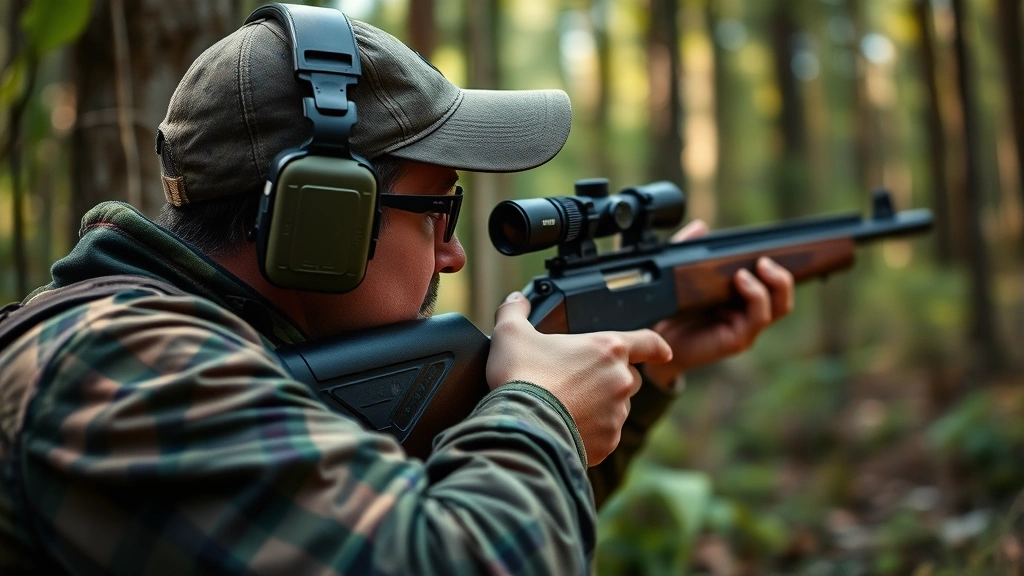
Top Hunting Ear Protection: Pro Insights Inside
Hearing protection is one of the most critical yet frequently overlooked aspects of safe hunting. Whether you’re a seasoned sportsman or a weekend enthusiast, exposure to gunfire can cause permanent hearing damage in seconds. A single rifle shot can reach 140-190 decibels, far exceeding the 85-decibel threshold where hearing loss begins. This comprehensive guide explores the best hearing protection options for hunters, examining technologies, comfort factors, and practical recommendations from industry experts.
The consequences of hunting without proper ear protection extend beyond immediate discomfort. Noise-induced hearing loss is cumulative and irreversible, meaning each hunting trip without protection contributes to long-term damage. Modern hearing protection technology has evolved dramatically, offering solutions that don’t sacrifice situational awareness or communication—two critical safety factors in the field. Understanding your options helps you make an informed decision that protects your hearing while enhancing your hunting experience.
Understanding Decibel Levels and Hearing Damage
Sound intensity is measured in decibels (dB), a logarithmic scale where every 10-decibel increase represents a tenfold increase in sound energy. To understand why hunting requires serious ear protection, consider these comparisons: normal conversation registers around 60 dB, a lawnmower produces 90 dB, and a chainsaw reaches 110 dB. By contrast, a .308 Winchester rifle generates approximately 165-170 dB of noise at the shooter’s ear position.
The Occupational Safety and Health Administration (OSHA) establishes that workers exposed to 85 dB for eight hours per day face hearing damage risk. Hunters experience much higher exposure in shorter timeframes. A single unsuppressed gunshot can cause immediate, permanent hearing loss. Repeated exposure without protection leads to noise-induced hearing loss (NIHL), characterized by difficulty hearing conversations, tinnitus (ringing in the ears), and reduced ability to distinguish sounds in noisy environments.
Age amplifies these risks. Younger hunters who neglect protection today may experience severe hearing impairment by their 40s. The CDC’s noise prevention guidelines emphasize that hearing loss from noise exposure is preventable through proper protection. Research from the National Institute on Deafness and Other Communication Disorders confirms that consistent hearing protection use significantly reduces NIHL risk.
Types of Hunting Hearing Protection
Hunters have several distinct categories of hearing protection to choose from, each with specific advantages and limitations. The primary distinction divides protection into passive and active systems, with hybrid options combining both approaches. Your choice depends on hunting style, environment, budget, and personal comfort preferences.
Passive hearing protection includes foam earplugs, pre-molded earplugs, and earmuffs that rely solely on material density to block sound. These devices provide consistent protection without batteries or electronics, making them reliable and affordable. However, they block all sound equally, which can impair communication and situational awareness—critical factors in hunting safety.
Active hearing protection uses electronic amplification to enhance quiet sounds while rapidly suppressing loud impulses. This technology allows hunters to hear approaching game, conversations, and environmental cues while remaining protected from gunfire. Modern systems employ sophisticated sound processing that reacts in milliseconds to dangerous noise levels.
The best hearing protection for hunting often involves layering strategies. Many experienced hunters combine multiple protection approaches depending on specific hunting situations, adjusting their strategy based on environment and activity level.
Electronic Hearing Protection Systems
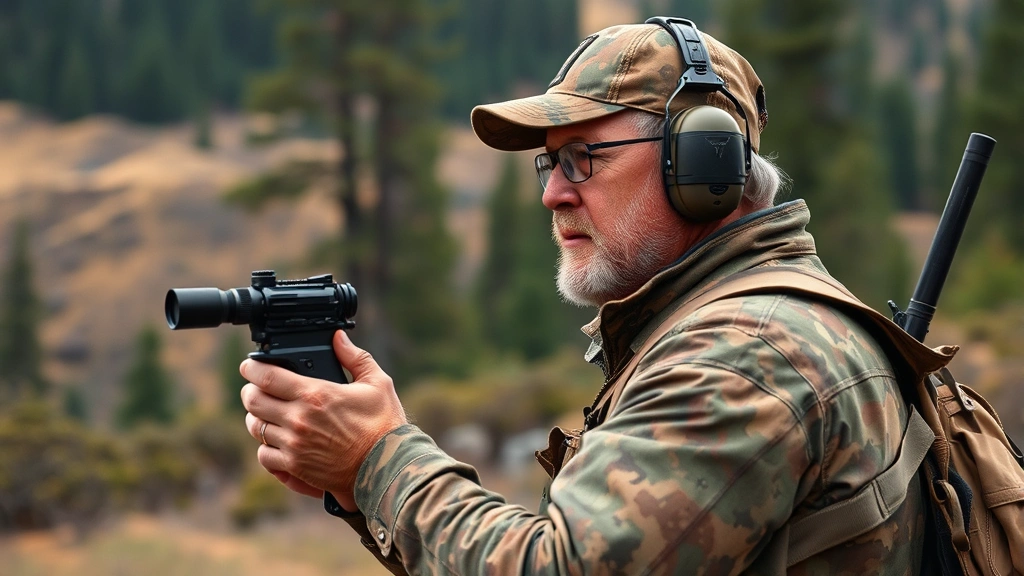
Electronic hearing protection represents the gold standard for serious hunters, particularly those pursuing multiple game species across varied terrain. These systems amplify ambient sound through built-in microphones while incorporating directional audio processing that helps hunters pinpoint sounds—a crucial advantage when locating game or monitoring other hunters in the field.
Premium electronic earmuffs from manufacturers like 3M Peltor, Bose, and Howard Leight feature noise reduction ratings (NRR) of 20-30 dB, with some advanced models reaching higher protection levels. The microphone sensitivity typically adjusts from 50x to 100x amplification, meaning a deer’s footstep becomes clearly audible while maintaining protection from gunshots. Battery life varies from 20 to 350+ hours depending on the model and usage intensity.
Wireless connectivity has become increasingly common in high-end models. Bluetooth-enabled systems allow hunters to receive calls or radio communications without removing their hearing protection. Some sophisticated units include smartphone connectivity, enabling access to weather data, mapping applications, and hunting companions’ locations—though such features come at premium price points.
The response time of electronic systems is critical for safety. Quality units suppress impulse noise in 2-4 milliseconds, fast enough that the shooter never experiences the dangerous sound peak. Budget models with slower response times may allow partial sound transmission before suppression engages, reducing their protective effectiveness.
Cost represents the primary barrier to electronic protection adoption. Quality electronic earmuffs range from $200 to $1,500 or more, compared to $5-50 for passive options. However, the enhanced hunting experience, improved safety, and long-term hearing preservation justify the investment for serious hunters.
Passive Protection Options
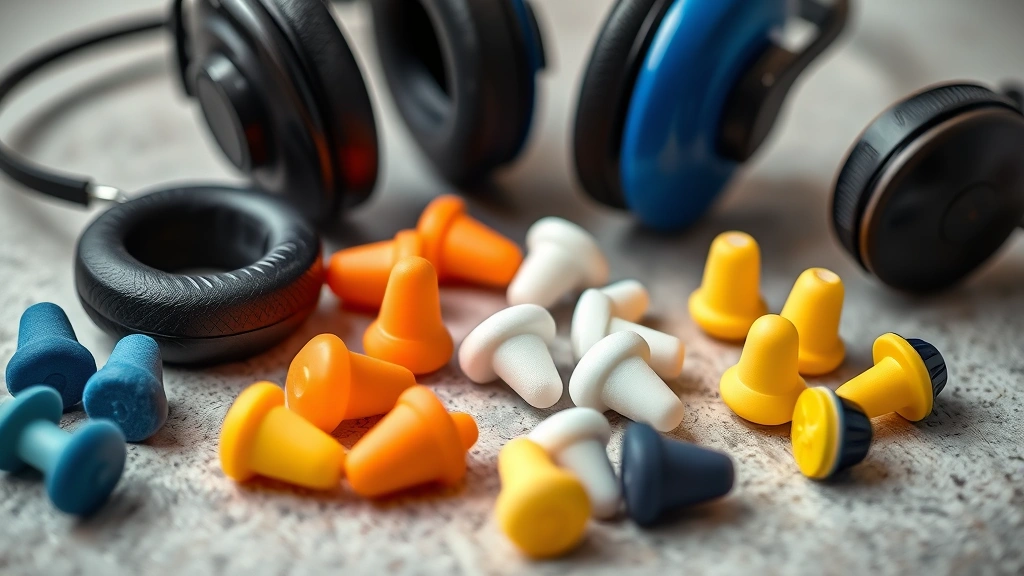
Despite their limitations, passive hearing protection devices remain popular due to affordability, simplicity, and reliability. Foam earplugs, when properly inserted, provide 20-30 dB of noise reduction and cost less than $1 per pair. Their effectiveness depends entirely on correct insertion technique—the plug must fill the entire ear canal, a step many users skip or perform incorrectly.
Pre-molded earplugs offer improved consistency compared to foam varieties. These reusable devices maintain their shape and provide reliable protection when properly seated. Triple-flange designs with multiple contact points in the ear canal often provide better sealing than single-piece alternatives. Brands like Mack’s Pillow Soft Silicone and Etymotic Research produce quality pre-molded options in the $10-30 range.
Custom-molded earplugs, created from ear impressions by an audiologist, provide superior comfort and seal consistency for hunters willing to invest $100-300. These devices accommodate individual ear canal anatomy perfectly, reducing the insertion learning curve and improving long-term compliance. Many serious hunters pair custom plugs with over-the-ear protection for enhanced defense against impulse noise.
Earmuffs provide over-the-ear passive protection with NRR ratings typically between 20-30 dB. Quality muff models feature comfortable padding, adjustable headbands, and sealed cups that maintain acoustic integrity. The advantage over earplugs is their ease of use and removal—hunters can quickly doff muffs to communicate or assess their environment, then replace them rapidly before firing.
Passive protection’s major limitation in hunting contexts is its inability to preserve situational awareness. The same material blocking gunfire also blocks the subtle sounds hunters depend on—rustling leaves, snapping twigs, or vocalizations indicating game presence. This acoustic isolation increases accident risk and reduces hunting success rates.
Hybrid and Advanced Technologies
Modern hearing protection increasingly combines passive and electronic elements for comprehensive solutions. Hybrid earmuffs integrate foam or rubber seals with electronic amplification, maximizing both comfort and functionality. These devices typically offer 25-35 dB NRR while maintaining the situational awareness benefits of electronic systems.
Level-dependent hearing protection represents an advancement in passive technology. These mechanical systems allow normal sounds through while blocking impulse noise through acoustic design alone—no batteries required. Earplugs with thin membranes that flex open for quiet sounds but snap shut under pressure provide passive level-dependent protection. While effective, they’re less sophisticated than electronic alternatives and don’t amplify ambient sound.
Directional audio processing in premium electronic systems provides tactical advantages beyond simple amplification. Some high-end units determine sound origin, helping hunters locate game position or identify other hunters in the area. This spatial audio awareness significantly enhances both hunting success and field safety.
Hearing aid integration represents an emerging frontier in hunting protection. Some premium electronic systems now include features that integrate with personal hearing aids, allowing hunters with hearing loss to use their correction devices while maintaining impulse protection. This development ensures that hunters with existing hearing challenges can participate safely in their sport.
The integration of comprehensive protection strategies with modern technology allows hunters to optimize their safety profile while maintaining the sensory experience essential to hunting success.
Comfort and Fit Considerations
Hearing protection effectiveness depends entirely on consistent use, making comfort paramount. Uncomfortable devices get removed or avoided, eliminating their protective benefits. Weight, padding quality, headband tension, and cup design all influence whether hunters will wear protection throughout a hunting session.
Earmuff weight matters significantly for all-day use. Premium models typically weigh 6-10 ounces, while budget options may exceed 12 ounces. The weight distributes across the head through the headband, and heavier units can cause neck fatigue during extended use. Quality padding in the headband and ear cups distributes pressure evenly, reducing discomfort.
Headband tension must balance security with comfort. Too-tight headbands cause headaches and ear pressure, while loose-fitting muffs fail to maintain acoustic seals. Adjustable headbands allow customization for different head sizes and shapes. Some modern designs use flexible materials that conform to individual head geometry without requiring manual adjustment.
Cup size and seal design accommodate different ear sizes and shapes. Standard cups fit most hunters, but individuals with smaller ears may experience gaps that compromise protection. Some manufacturers offer small and large cup options. Soft silicone or foam seals create better acoustic contact than rigid materials, improving both comfort and protection effectiveness.
Ventilation affects comfort during warm-weather hunting. Sealed cups can create pressure and heat buildup, causing discomfort during physical exertion. Some electronic earmuffs feature vented designs that reduce pressure while maintaining adequate noise reduction. The trade-off involves slightly lower protection ratings, but the improved comfort encourages consistent use.
Compatibility with other gear—hats, glasses, helmets—influences real-world usability. Hunters wearing safety glasses need earmuffs with wide-opening ear cups to accommodate both devices. Those hunting in cold weather need protection that fits under hats without shifting. Testing your chosen protection with your complete hunting setup ensures practical effectiveness.
Maintenance and Care
Proper maintenance extends hearing protection device lifespan and maintains their protective effectiveness. Foam earplugs are single-use items and should be discarded after each use or when they become soiled. Reusable pre-molded plugs require regular cleaning with mild soap and water, drying completely before storage in their carrying case.
Electronic earmuffs need regular battery replacement, typically annual or bi-annual depending on usage. Always keep spare batteries in your hunting pack. Clean electronic units with a dry cloth, avoiding moisture entry into microphone or speaker ports. Store in a cool, dry location away from extreme temperatures that degrade batteries and electronic components.
Foam and silicone seals on earmuffs deteriorate over time, losing their acoustic properties and comfort characteristics. Inspect seals regularly for cracks, hardening, or flattening. Most quality earmuffs allow seal replacement at modest cost—$15-40 for replacement cups. This maintenance preserves protection effectiveness across multiple seasons.
Headbands on earmuffs can crack or lose tension over time. Quality manufacturers provide replacement headbands, extending device life beyond the original seals’ durability. Proper storage—avoiding extreme heat, crushing, or prolonged sun exposure—slows degradation significantly. A protective carrying case prevents damage during transport to and from hunting locations.
Keep all hearing protection devices in your regular hunting gear inventory, not stored away between seasons. Ready access encourages consistent use. Many experienced hunters maintain multiple protection options for different hunting scenarios, ensuring they always have appropriate devices available.
FAQ
What is the best hearing protection for hunting?
Electronic earmuffs offer the optimal balance of impulse noise protection and situational awareness preservation. Quality models from 3M Peltor, Bose, or Howard Leight provide 25-30+ dB noise reduction while amplifying ambient sounds, allowing hunters to hear game and communicate safely. Budget-conscious hunters can effectively combine foam earplugs with quality passive earmuffs, achieving adequate protection at lower cost.
Can hearing loss from hunting be reversed?
Unfortunately, noise-induced hearing loss is permanent and irreversible. Damaged hair cells in the inner ear cannot regenerate. This makes prevention through consistent hearing protection use absolutely critical. Once hearing loss occurs, treatment focuses on management through hearing aids or other assistive devices, not restoration.
How do I ensure my earplugs are inserted correctly?
Proper foam earplug insertion requires rolling the plug into a tight cylinder, then inserting it deeply into the ear canal while the ear is pulled upward and backward. Hold the plug in place for 10-15 seconds while the foam expands to create a seal. If you can still hear normal conversation clearly, the plug isn’t inserted properly. The National Institute for Occupational Safety and Health provides detailed insertion videos on their website.
Are electronic earmuffs waterproof?
Most electronic earmuffs resist light moisture and rain but aren’t fully waterproof. Quality models use sealed microphone ports and water-resistant materials, handling typical hunting conditions. Avoid submerging devices or exposing them to heavy water spray. Always check manufacturer specifications for water resistance ratings before purchasing.
Can I use the same hearing protection for all hunting scenarios?
Different hunting situations benefit from different protection approaches. Rifle hunting typically requires maximum impulse protection, favoring electronic earmuffs or earplugs with high NRR. Shotgun hunting often involves similar protection needs. Archery and quiet hunting methods allow more flexible approaches. Many experienced hunters maintain multiple protection options for different scenarios.
How often should I replace hearing protection devices?
Foam earplugs should be replaced after each use. Pre-molded earplugs last 6-12 months with proper care. Earmuff seals typically require replacement every 1-2 years depending on usage intensity. Electronic earmuffs can function for many years if properly maintained, though seals and batteries need regular attention. Inspect devices before each hunting season and replace worn components.


