
Sun Protection Hats: Dermatologist’s Top Picks for Maximum UV Defense
Sun exposure is one of the most significant risk factors for skin cancer, premature aging, and other dermatological conditions. According to the American Academy of Dermatology, protecting your skin from harmful ultraviolet radiation should be a year-round priority. While sunscreen remains essential, dermatologists increasingly emphasize the importance of physical barriers like hats as a first line of defense against UV damage.
The best hat for sun protection goes far beyond aesthetics. It’s about selecting headwear with the right material, construction, and coverage to effectively block both UVA and UVB rays. This comprehensive guide explores dermatologist-recommended sun protection hats, their key features, and how to choose the ideal option for your lifestyle and climate.

Understanding UV Protection and Hat Ratings
Before selecting a hat, it’s crucial to understand how UV protection works and what rating systems exist. The National Institute of Standards and Technology and various dermatological organizations have established guidelines for measuring sun protection effectiveness. UPF (Ultraviolet Protection Factor) ratings indicate how effectively a fabric blocks ultraviolet radiation from reaching your skin.
UPF ratings function similarly to SPF ratings on sunscreen. A UPF 50+ rating means the fabric allows only 1/50th of the sun’s UV rays to penetrate, blocking approximately 98% of harmful radiation. Most dermatologists recommend selecting hats with a minimum UPF rating of 50+. The coverage area of your hat is equally important—a hat’s brim should extend at least three inches all around to protect your face, ears, and neck.
Different hat styles offer varying levels of protection. Wide-brimmed options provide superior coverage compared to baseball caps, which leave the ears and neck exposed. However, the best hat for sun protection ultimately depends on combining adequate UPF rating with sufficient coverage for your specific activities and environment.
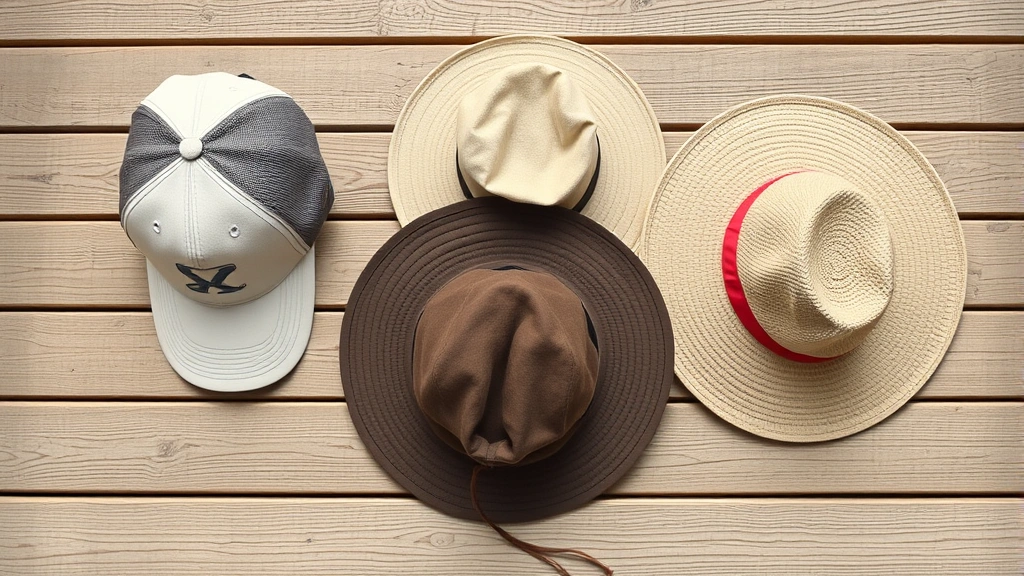
Wide-Brimmed Hats for Comprehensive Coverage
Wide-brimmed hats represent the gold standard in sun protection according to dermatological consensus. These hats typically feature brims extending 3-4 inches or more, providing shadow coverage over the entire face, ears, and upper neck area. The Centers for Disease Control and Prevention specifically recommends wide-brimmed hats as part of a comprehensive sun safety strategy.
Straw hats made from tightly woven materials offer excellent UV protection while maintaining breathability in warm climates. The tight weave is essential—loose, open-weave straw allows more UV radiation to penetrate. Premium straw hats often feature UPF 50+ ratings and provide natural cooling properties. Felt hats, traditionally made from wool or wool blends, offer year-round protection and maintain their structure better than straw options in humid conditions.
For those seeking aesthetics alongside protection, wide-brimmed hats come in numerous styles, from classic fedoras to sun-specific designs. The key consideration when choosing a wide-brimmed hat is ensuring the brim width provides adequate shadow coverage without compromising comfort during extended wear. Many dermatologists recommend keeping a wide-brimmed hat in your daily routine, similar to how you’d maintain other protective equipment.
Wide-brimmed options excel for prolonged outdoor activities like gardening, hiking, or beach days. The comprehensive coverage significantly reduces the cumulative UV exposure that contributes to melanoma and non-melanoma skin cancers. Research published in dermatological journals consistently shows that individuals regularly wearing wide-brimmed hats have lower rates of facial skin cancer compared to those relying solely on sunscreen.
Baseball Caps and Structured Options
While baseball caps don’t provide the comprehensive coverage of wide-brimmed alternatives, they remain popular and offer measurable sun protection benefits. The front bill shields the forehead and upper face, areas where skin cancer most frequently develops. Modern baseball caps designed for sun protection often feature UPF 50+ fabric and extended bills for enhanced coverage.
Structured baseball caps work particularly well for active pursuits where a wide brim might be impractical. Runners, cyclists, and sports enthusiasts often prefer baseball caps for their secure fit and minimal obstruction of peripheral vision. The key is selecting caps with bills at least 3 inches long and fabric with proven UPF ratings. Some premium options include neck flaps that extend down the back, providing additional coverage for this vulnerable area.
Dermatologists often recommend baseball caps as a supplementary protection measure rather than a primary defense. They work best when combined with sunscreen on exposed areas like the ears and neck. For optimal results with a baseball cap, apply broad-spectrum SPF 30+ sunscreen to all exposed skin not covered by the hat. The combination of physical barrier and chemical protection creates more comprehensive defense than either method alone.
Consider exploring various hat styles to find options that suit your lifestyle. Adjustable baseball caps accommodate different head sizes and provide secure fit during activity. Look for moisture-wicking fabrics if you’ll be wearing your cap during exercise or in hot climates, as sweat can reduce the effectiveness of UV-protective coatings.
Bucket Hats and Outdoor Versatility
Bucket hats have experienced a resurgence in popularity, partly due to renewed emphasis on sun protection. These hats feature a wide, downward-sloping brim that provides 360-degree protection for the face, ears, and neck. The design makes bucket hats particularly effective for comprehensive UV defense, rivaling traditional wide-brimmed options in coverage area.
The versatility of bucket hats makes them ideal for various activities and age groups. Children particularly benefit from bucket hat design, as the complete brim coverage protects developing skin from excessive UV exposure during formative years. Research indicates that childhood sun exposure significantly impacts lifetime skin cancer risk, making early sun protection habits crucial.
Modern bucket hats incorporate advanced fabrics with UPF 50+ ratings and moisture-wicking properties. Many feature packable designs, allowing easy transport for travel or day trips. The structured construction maintains the hat’s shape better than traditional wide-brimmed options, reducing the need for frequent adjustment. Some premium bucket hats include ventilation eyelets that improve airflow while maintaining UV protection.
For beach outings, hiking expeditions, or extended outdoor activities, bucket hats offer practical advantages. The complete coverage reduces the need for frequent sunscreen reapplication on the face and neck. When selecting a bucket hat, ensure the brim extends at least 2.5-3 inches all around and the fabric features verified UPF 50+ certification. Quality construction matters as much as material selection when choosing outdoor protection gear.
Visor and Neck Protection Styles
Visors offer a lighter alternative to full hats, providing frontal UV protection while maintaining a minimalist aesthetic. However, dermatologists note that visors alone are insufficient for comprehensive sun protection due to their limited coverage. The top of the head, ears, and back of the neck remain exposed. Visors work best as supplementary protection in combination with sunscreen and other protective measures.
For optimal sun defense with a visor, apply broad-spectrum SPF 50+ sunscreen to all exposed areas, including the ears, back of the neck, and top of the head. This combination approach can be effective for individuals who find full hats uncomfortable or impractical during certain activities. Athletes and outdoor workers sometimes prefer visors for their reduced heat retention and improved peripheral vision.
Specialized neck protection styles, including hats with built-in neck flaps or detachable neck covers, address one of the most frequently overlooked sun-exposed areas. The back of the neck receives significant UV exposure during outdoor activities and is particularly vulnerable to sun damage. These innovative designs combine the protection of a baseball cap with extended coverage that reaches the shoulders.
When choosing a hat with neck protection, look for materials that remain cool and comfortable when covering the neck area. Lightweight, breathable fabrics prevent excessive heat buildup while maintaining UPF effectiveness. The neck flap should be adjustable or removable for versatility in different weather conditions and activity levels.
Material Selection and Fabric Technology
The material composition of your hat directly impacts its sun protection effectiveness and durability. Natural fibers like cotton, wool, and straw offer inherent UV-protective properties, though the weave density matters significantly. Tightly woven natural fabrics can achieve UPF 50+ ratings without additional chemical treatments. Premium natural fiber hats often combine multiple materials to optimize both protection and comfort.
Synthetic materials like polyester and nylon have become increasingly popular in sun protection hats due to their durability and moisture-wicking properties. Many manufacturers incorporate UV-absorbing technology directly into synthetic fibers during production, creating fabric that maintains its protective properties through multiple wash cycles. These advanced synthetic options often outperform natural fibers in terms of longevity and consistent UPF ratings.
Hybrid materials combining natural and synthetic fibers offer balanced advantages. A cotton-polyester blend might provide the comfort and breathability of cotton with the durability and consistent UV protection of polyester. When evaluating material options, check for specific UPF certifications and verify that the manufacturer provides testing documentation from accredited laboratories.
The color of your hat also influences UV protection. Darker colors generally absorb more UV radiation, preventing it from reaching your skin, though lighter colors reflect more heat for improved comfort. Black hats offer superior UV protection but can feel uncomfortably warm in intense sunlight. Many dermatologists recommend dark-colored hats for maximum UV blocking, accepting the slight increase in heat retention as a worthwhile tradeoff for enhanced protection.
Specialized UV-protective coatings applied to hat fabrics can enhance the base material’s protective properties. These treatments create an additional barrier against ultraviolet radiation. However, coating durability varies—some treatments diminish with washing or UV exposure over time. Quality manufacturers clearly specify coating durability and provide guidance for maintaining protective properties through proper care and storage.
Maintenance and Durability Considerations
Proper maintenance ensures your sun protection hat maintains its effectiveness throughout its lifespan. Washing guidelines vary by material, but most UV-protective hats benefit from gentle hand washing in cool water with mild detergent. Avoid bleach and harsh chemicals that can degrade UV-protective coatings or damage delicate fibers. Air drying preserves the hat’s shape and structural integrity better than machine drying.
Storage conditions impact long-term hat durability. Keep your hats in a cool, dry location away from direct sunlight when not in use. Prolonged exposure to intense UV radiation can degrade some protective coatings and weaken fibers over time. Proper storage extends the lifespan of your investment and maintains consistent UV protection year after year.
Inspect your hats regularly for signs of wear or damage. Fading, discoloration, or deteriorating fabric indicates the hat may be losing effectiveness. While a faded hat might still provide adequate protection, visible fiber breakdown suggests replacement may be warranted. Most quality sun protection hats maintain their UPF ratings for 2-3 years with proper care, though this varies based on material type and usage frequency.
Consider maintaining multiple hats for different activities and seasons. A lightweight straw hat for summer, a structured bucket hat for water activities, and a durable synthetic option for travel provides versatility while allowing adequate rest periods between uses. Rotating your hats extends their lifespan and ensures you always have appropriate protection available.
When selecting the best hat for sun protection, balance initial cost against durability and longevity. Premium hats with quality materials and construction may cost more initially but provide superior protection and longer lifespan, ultimately offering better value. Research manufacturer reputations and read user reviews to identify options that maintain their protective properties and structural integrity over extended use.
Frequently Asked Questions
What UPF rating do I need in a sun protection hat?
Dermatologists recommend a minimum UPF 50+ rating for effective sun protection. This rating blocks approximately 98% of harmful UV radiation. Any hat labeled UPF 50+ provides adequate protection, as ratings above 50 offer only marginally better protection despite higher costs. Verify that the UPF rating applies to the entire hat, not just specific panels or areas.
Can I wear a sun protection hat year-round?
Yes, UV radiation penetrates clouds and reflects off surfaces like snow and water throughout the year. Winter sun exposure, particularly at higher altitudes or near reflective surfaces, can cause significant skin damage. Maintaining consistent hat usage year-round provides the most effective long-term protection against cumulative UV exposure.
How do I know if a hat’s UPF rating is legitimate?
Look for hats that display certification from recognized testing organizations. The relevant standards bodies and dermatological organizations publish guidelines for UPF testing. Reputable manufacturers provide documentation of third-party testing results. Be cautious of hats making vague sun protection claims without specific UPF ratings or testing verification.
Should I still wear sunscreen with a sun protection hat?
Yes, sunscreen remains important even with a protective hat. Apply broad-spectrum SPF 50+ sunscreen to all exposed skin not covered by your hat, including ears, back of the neck, and any areas the brim doesn’t fully shadow. This layered approach provides comprehensive protection against both direct and reflected UV radiation.
Are wide-brimmed hats practical for active outdoor sports?
While wide-brimmed hats provide superior protection, they may interfere with some activities like running or cycling. In these cases, structured baseball caps or bucket hats with adequate brim length offer practical alternatives. Choose the hat that provides maximum comfortable coverage for your specific activity, then supplement with sunscreen on exposed areas.
How often should I replace my sun protection hat?
With proper care, quality sun protection hats maintain their UPF ratings for 2-3 years. Replace hats sooner if you notice visible damage, fiber breakdown, or significant fading. If you wear your hat daily or expose it to chlorine, saltwater, or intense sun, replacement may be necessary more frequently. Inspect hats regularly and replace when protective properties appear compromised.