Top Family Guard Dogs: Expert Advice Inside
Choosing the right guard dog for your family requires understanding the delicate balance between protection capabilities and temperament suitable for household living. A family protection dog must possess natural alertness, trainability, and the ability to distinguish between genuine threats and normal household activities. This comprehensive guide explores the best dogs for protection and family environments, examining breeds that excel at both safeguarding your loved ones and integrating seamlessly into daily family life.
The ideal family guard dog combines several essential qualities: physical presence that deters potential intruders, intelligence that enables quick decision-making, loyalty that creates strong bonds with family members, and socialization capacity that allows interaction with children and guests. Unlike purely aggressive breeds bred solely for combat, family protection dogs need nuanced behavioral profiles that support protective instincts without excessive aggression or unpredictability.
Understanding Guard Dog Characteristics
Before selecting a protection dog breed, families must understand the fundamental characteristics that distinguish genuine guard dogs from aggressive pets. Guard dogs demonstrate natural protective instincts without requiring extensive aggression training. They possess what behaviorists call “situational awareness”—the ability to assess threats accurately and respond proportionally rather than reacting to every stimulus.
Effective family guard dogs combine several behavioral traits: territorial instinct that makes them naturally protective of their home environment, loyalty that creates unwavering bonds with family members, intelligence enabling quick threat assessment, confidence that prevents fear-based aggression, and trainability allowing owners to channel protective instincts appropriately. The best dogs for protection and family also demonstrate selective aggression—the ability to distinguish between normal visitors and genuine threats.
Size matters in guard dog selection, but not exclusively. While larger breeds provide natural intimidation factors, medium-sized dogs with alert temperaments can prove equally effective. The psychological deterrent of a dog’s presence often prevents intrusions more effectively than physical confrontation ever could. A dog that barks alertly at unusual activity serves protective functions without requiring dangerous bite responses.

German Shepherd: The Gold Standard
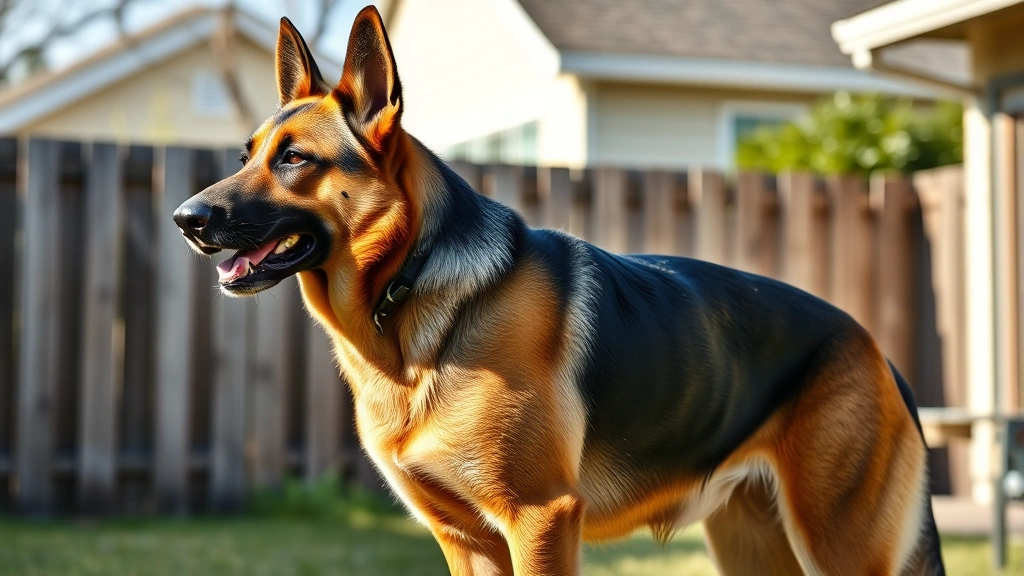
The German Shepherd consistently ranks among the most popular family guard dogs for compelling reasons. Originally developed for herding livestock, German Shepherds possess natural protective instincts combined with exceptional intelligence and trainability. Their versatile protection capabilities make them suitable for families seeking reliable security without excessive aggression.
German Shepherds demonstrate remarkable adaptability, protecting family members while remaining responsive to training commands. They excel at distinguishing between normal household activities and genuine threats, making them ideal for families with children and frequent visitors. Their medium-to-large size provides natural intimidation, while their alert nature ensures they notice unusual activities immediately.
These dogs require substantial exercise and mental stimulation to thrive in family environments. Daily activities should include structured training and socialization to develop balanced temperaments. Proper German Shepherd training programs focus on obedience, controlled aggression responses, and reliable recall commands. Health considerations include hip dysplasia and degenerative myelopathy, making veterinary oversight essential.
Families considering German Shepherds should understand their intelligence demands engagement. Bored German Shepherds may develop destructive behaviors or anxiety-based aggression. Consistent training, varied activities, and mental challenges keep these dogs psychologically balanced and reliably protective.
Doberman Pinscher Excellence
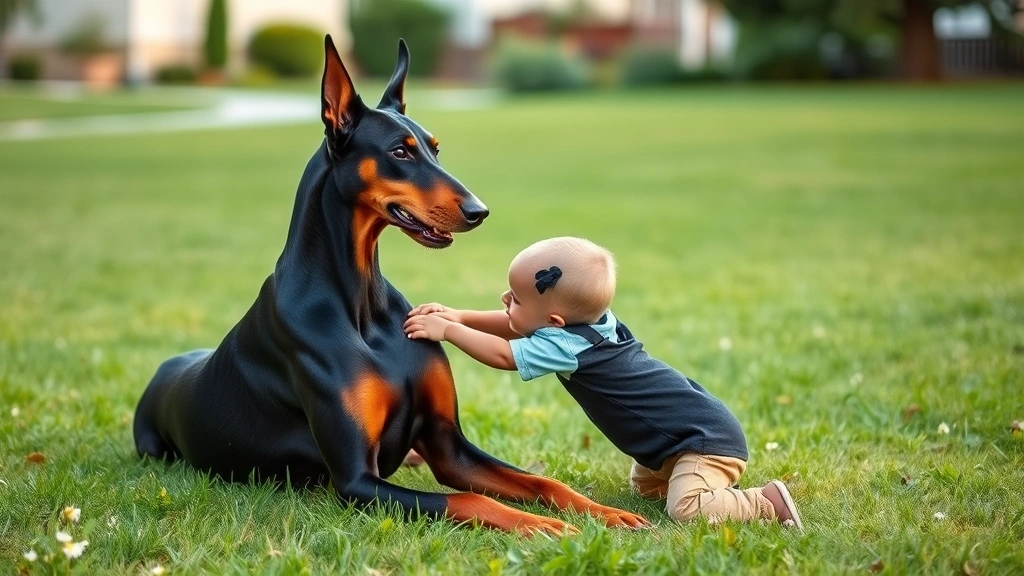
Doberman Pinschers represent elite family protection through a combination of athleticism, intelligence, and natural guarding instincts. Often misunderstood as aggressive by default, well-socialized Dobermans demonstrate remarkable gentleness with family members while remaining vigilant protectors. Their sleek build and muscular physique provide intimidating presence without excessive bulk.
These dogs possess exceptional loyalty, often forming intense bonds with primary caregivers. They demonstrate natural territorial protection without requiring aggression conditioning. Dobermans excel at recognizing family members’ routines and alerting to deviations, making them superb early warning systems against intrusions or emergencies.
Doberman ownership requires commitment to proper socialization and training. Early exposure to various people, environments, and situations prevents fear-based aggression. These intelligent dogs respond exceptionally well to positive reinforcement training methods. Harsh corrections or dominance-based training often backfire, creating unpredictable temperaments unsuitable for family living.
The Doberman protection profile includes natural wariness toward strangers combined with reliability around family-approved individuals. Their athletic capabilities enable rapid response to threats, while their intelligence allows nuanced threat assessment. Health screening for heart conditions and Von Willebrand’s disease is essential before acquiring a Doberman.
Rottweiler Family Potential
Rottweilers suffer from significant reputation damage despite their genuine potential as family protection dogs. Historically developed as cattle herders and cart pullers, these powerful dogs possess natural protective instincts combined with surprising gentleness toward family members. Properly raised Rottweilers demonstrate remarkable patience with children while remaining formidable deterrents to threats.
The key to successful Rottweiler family integration lies in early socialization and consistent training. These dogs require confident, experienced handlers who understand their power and potential. When properly managed, Rottweilers provide exceptional protection through their physical presence alone—most threats retreat upon encountering a well-trained Rottweiler without physical confrontation.
Rottweilers demonstrate strong family bonding and protective instincts toward children under their care. They excel at distinguishing between play and genuine danger, making them surprisingly suitable for active families. Their calm demeanor and confidence prevent anxiety-based behaviors that plague some protection breeds.
Responsible Rottweiler ownership includes strict liability management and comprehensive training. These powerful dogs require owners committed to professional training and behavioral management. Legal considerations vary significantly by jurisdiction, with some areas implementing breed-specific legislation affecting Rottweiler ownership and liability insurance.
Boxer Breed Benefits
Boxers represent an often-overlooked option among family protection dogs that shouldn’t be dismissed. These medium-to-large dogs combine playfulness with genuine protective instincts, making them excellent choices for families seeking less intimidating guards than mastiffs or Rottweilers. Their athletic build and alert nature provide adequate security without excessive aggression.
These dogs demonstrate remarkable intelligence and eagerness to please, making training relatively straightforward. Boxers bond intensely with family members, particularly children, while remaining alert to environmental changes. Their natural wariness toward strangers provides security without requiring aggression training.
Boxer temperament balances protection with sociability. These dogs enjoy human interaction and perform well in multi-pet households when properly socialized. Their playful nature doesn’t diminish genuine protective responses when family safety is threatened. This balance makes them ideal for families prioritizing both security and companionship.
The Boxer protection approach emphasizes deterrence through presence and alert behavior rather than aggressive responses. Their distinctive appearance and athletic build provide psychological deterrent effects. Training focuses on controlled responses, reliable recall, and selective aggression rather than developing bite-work capabilities.
Bullmastiff Protection Profile
Bullmastiffs exemplify how large protection dogs can provide exceptional family security despite their intimidating appearance. These powerful dogs were originally developed to guard estates, combining the strength of mastiffs with the agility of bulldogs. Modern Bullmastiffs demonstrate remarkable gentleness toward family members while remaining formidable against genuine threats.
These gentle giants possess natural protective instincts without requiring aggression development. Their massive size and powerful appearance create psychological deterrent effects that prevent most confrontations from escalating. Bullmastiffs demonstrate exceptional judgment, distinguishing between normal activities and genuine threats with remarkable accuracy.
Bullmastiff families benefit from dogs that require moderate exercise and demonstrate calm indoor temperaments. These dogs excel at bonding with children and demonstrating protective vigilance without hyperactivity. Their loyalty creates strong family connections, while their confidence prevents anxiety-based behaviors.
Training Bullmastiffs emphasizes obedience, reliable recall, and controlled responses. These intelligent dogs respond well to positive reinforcement methods. Early socialization ensures they develop balanced temperaments comfortable with approved visitors while remaining protective against threats. Health considerations include hip dysplasia and heart conditions requiring veterinary oversight.
Training and Socialization Essentials
Regardless of breed selection, proper training and socialization determine whether guard dogs become reliable family protectors or dangerous liabilities. Professional training programs should begin early, ideally during puppyhood, establishing foundational obedience before developing protective capabilities.
Effective training programs include several essential components: obedience training ensuring reliable response to commands in any situation, socialization exposure to various people, environments, and stimuli, controlled aggression responses channeling protective instincts appropriately, and ongoing reinforcement maintaining behavioral stability throughout the dog’s life.
Socialization proves particularly critical for protection dogs. Properly socialized guard dogs distinguish between normal visitors and threats, responding appropriately to each. Inadequately socialized dogs may overreact to innocent activities, creating liability and safety concerns. Families should work with certified professional dog trainers experienced in protection dog development.
Positive reinforcement training methods prove most effective for developing reliable protection dogs. Harsh corrections or dominance-based approaches often backfire, creating unpredictable temperaments. Reward-based training strengthens bonds between dogs and handlers while reliably establishing desired behaviors.
Ongoing training throughout the dog’s life maintains behavioral consistency and prevents regression. Regular practice sessions, environmental exposure, and continued socialization ensure protection dogs remain reliable and balanced as they age. Family members should understand basic commands and handling techniques to maintain consistency.
Legal and Liability Considerations
Family guard dog ownership carries significant legal implications that responsible owners must address before acquisition. Liability laws vary dramatically by jurisdiction, with some areas imposing strict liability for dog-related injuries regardless of the dog’s history or training.
Homeowners insurance policies often exclude or limit coverage for protection dogs, particularly breeds subject to breed-specific legislation. Families should review insurance requirements before acquiring guard dogs, potentially requiring specialized protection dog liability insurance. Some insurers refuse coverage entirely for certain breeds or dogs with bite histories.
Breed-specific legislation affects protection dog ownership in many jurisdictions. Some areas restrict or prohibit ownership of certain breeds, impose additional licensing requirements, or mandate specific containment standards. Families should research local regulations thoroughly before selecting protection dog breeds.
Proper containment and control prove essential legal requirements. Dogs must be reliably contained within property boundaries, unable to escape and potentially injure neighbors or their pets. Adequate fencing, secure gates, and controlled outdoor access demonstrate responsible ownership while reducing liability exposure.
Documentation of training, socialization, and behavioral assessment provides important legal protection. Professional training certificates and veterinary health records demonstrate responsible ownership practices. This documentation may prove valuable if incidents occur, showing that owners took reasonable precautions to maintain safe, controlled dogs.
Families should consult with legal professionals and insurance agents regarding specific requirements in their jurisdictions. Understanding liability exposure, insurance requirements, and legal obligations ensures that guard dog ownership remains sustainable and properly managed.
FAQ
What makes a dog suitable for family protection?
Ideal family protection dogs combine natural protective instincts with trainability, intelligence, and the ability to distinguish between normal activities and genuine threats. They should bond strongly with family members while remaining alert to environmental changes. The best candidates demonstrate confidence, loyalty, and selective aggression rather than indiscriminate aggression.
Can small dogs provide adequate family protection?
While smaller dogs lack the physical intimidation of larger breeds, alert smaller breeds can provide meaningful protection through early warning systems. Their barking alerts owners to unusual activities, and their smaller size makes them more manageable in multi-pet households. However, they lack the physical deterrent capabilities of larger protection breeds.
How much training do protection dogs require?
Professional protection dogs typically require 6-12 months of consistent training to develop reliable capabilities. Initial training establishes foundational obedience, followed by protection-specific development. Ongoing training throughout the dog’s life maintains behavioral consistency and prevents regression. Families should budget for both initial professional training and ongoing practice.
Are protection dogs dangerous around children?
Properly trained and socialized protection dogs demonstrate remarkable gentleness toward family children while remaining protective against genuine threats. Their intelligence enables them to distinguish between children’s play and actual danger. However, supervision remains essential, particularly with young children and large dogs.
What’s the best age to acquire a protection dog?
Acquiring puppies allows owners to control socialization and training from early stages, developing balanced temperaments. Adult dogs with established training histories may prove more predictable, though their behavioral patterns are already formed. Working with reputable breeders or rescue organizations ensures access to dogs with appropriate backgrounds and health screening.
How do I choose between protection dog breeds?
Selection should consider family lifestyle, living space, exercise requirements, and experience level. Families with young children might prefer Boxers or Bullmastiffs over more intense breeds. Active families can accommodate German Shepherds or Dobermans’ exercise demands. First-time protection dog owners benefit from breeds known for trainability and stable temperaments. Consulting with veterinary professionals and breed experts provides personalized guidance.
What ongoing care do protection dogs need?
Protection dogs require regular veterinary care, consistent training reinforcement, adequate exercise, and mental stimulation. Preventive health screenings identify breed-specific conditions early. Professional training refreshers maintain behavioral consistency. Proper nutrition and healthcare extend working lifespan while maintaining physical capabilities.
Can protection dogs live peacefully with other pets?
Many protection breeds coexist successfully with other pets when properly socialized from early ages. Early exposure to various animals establishes positive associations. However, some protection breeds demonstrate prey drive or territorial aggression toward unfamiliar animals. Individual temperament, socialization history, and careful introductions determine compatibility.