Is TV Damage Protection Worth It? Expert Insights on Best Buy Accidental Damage Protection
Television sets represent significant investments for most households, with modern displays costing anywhere from a few hundred to several thousand dollars. As technology advances and screens become thinner and more delicate, the question of whether to purchase accidental damage protection has become increasingly relevant for consumers. Best Buy’s protection plans have gained attention in recent years, but determining whether they truly offer value requires careful analysis of coverage terms, costs, and real-world scenarios.
The decision to invest in TV damage protection ultimately depends on multiple factors: your household’s risk profile, the television’s purchase price, your existing insurance coverage, and your personal financial situation. This comprehensive guide examines expert perspectives on accidental damage protection plans, helping you make an informed decision about whether Best Buy’s offering aligns with your needs and budget.
Understanding TV Accidental Damage Protection Plans
Accidental damage protection for televisions represents an extended warranty product that covers incidents beyond manufacturer defects. Unlike standard warranties that only cover manufacturing flaws and component failures, accidental damage protection typically includes coverage for drops, spills, power surges, and other mishaps that occur during normal use.
These protection plans function similarly to insurance policies. You pay an upfront premium—usually calculated as a percentage of the television’s purchase price—and in return, the retailer or manufacturer agrees to repair or replace your TV if covered damage occurs. The relationship between premium cost and coverage scope varies significantly across different retailers and plan tiers.
Most accidental damage plans operate on a claims-based model, meaning you pay a deductible when making a claim. This deductible typically ranges from $50 to $150, depending on the plan and the television’s value. Some plans include multiple claim allowances over the protection period, while others limit you to one or two claims during the entire coverage window.
Understanding the distinction between different protection tiers is crucial. Basic plans might cover only manufacturing defects, while premium tiers include accidental damage, liquid damage, and power surge protection. ScreenVibe Daily Blog has explored how consumer electronics protection has evolved, reflecting changing household risks and technology fragility.
Best Buy Protection Plans Explained
Best Buy offers its Geek Squad Protection Plan, which has become one of the most recognizable TV protection offerings in the United States. The plan comes in several tiers, each with different coverage levels and price points. For televisions, Best Buy typically structures plans based on the TV’s purchase price, with annual costs ranging from 10-15% of the device’s original price.
The standard Geek Squad Protection includes:
- Accidental damage coverage from drops, spills, and impacts
- Power surge protection against electrical damage
- Manufacturer’s defect coverage extending beyond the standard one-year warranty
- In-home service options for certain claim types
- Replacement guarantee if repair costs exceed 50% of the TV’s value
One significant advantage of Best Buy’s plan is the flexibility in claim resolution. Rather than forcing you to use mail-in repair services, Best Buy often provides in-home repair through Geek Squad technicians or offers store credit toward a replacement if the damage is deemed irreparable. This convenience factor appeals to consumers who want minimal disruption to their entertainment experience.
However, Best Buy’s plans come with notable restrictions. Coverage typically excludes damage from theft, intentional damage, misuse, or failure to follow manufacturer guidelines. Additionally, plans don’t cover cosmetic damage that doesn’t affect functionality, and certain high-end OLED televisions may have separate protection requirements.
When examining Movies HD content consumption patterns, many households recognize that television usage intensity directly correlates with damage risk—another factor Best Buy’s actuaries consider when pricing protection plans.
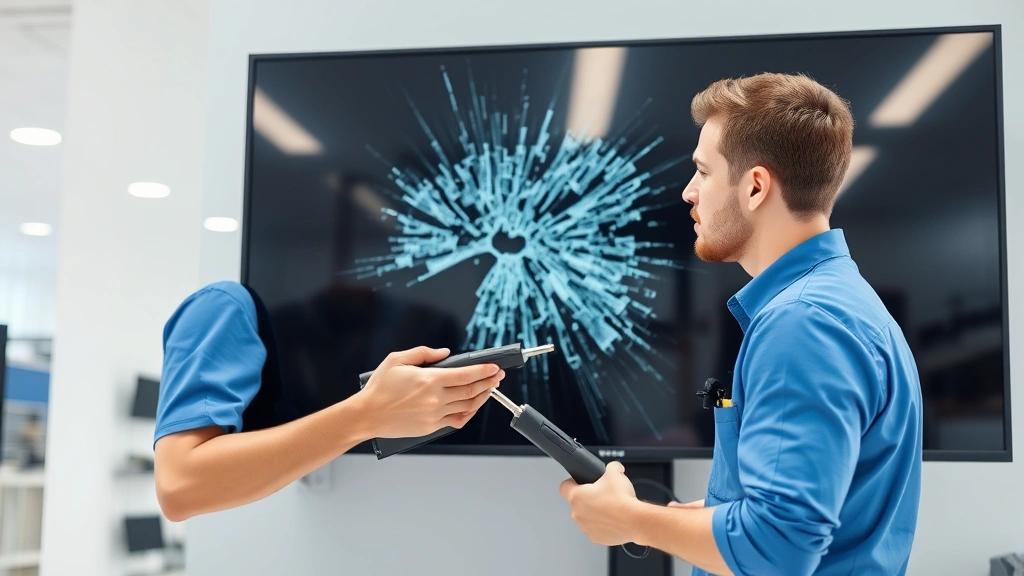
” alt=”Professional technician inspecting television display for damage and functionality” />
Cost-Benefit Analysis of TV Protection
Determining whether TV damage protection represents a sound financial decision requires mathematical analysis and risk assessment. Consider these factors:
Purchase Price Multiplier: Most Best Buy protection plans cost between 10-15% of the television’s purchase price annually. For a $1,000 TV, this translates to $100-$150 per year. Over a five-year period, you’d pay $500-$750 for protection, representing 50-75% of the original purchase price.
Repair vs. Replacement Costs: Television repair costs vary dramatically based on damage type and severity. A cracked screen typically costs $300-$800 to replace, depending on the TV’s size and technology. Power surge damage affecting internal components might cost $400-$1,200 to repair. However, if damage is severe enough to warrant replacement, you’re looking at the full television cost minus any store credit the retailer provides.
Claim Deductibles: Most Best Buy plans include a deductible of $100-$150 per claim. This means if you file a claim for a $200 repair, you’re only recovering $50-$100 in value. The deductible structure significantly impacts the plan’s actual value.
Probability of Claims: Industry data suggests that approximately 15-25% of consumers with electronics protection plans file at least one claim during the protection period. However, this statistic varies based on household composition—families with young children or pets experience substantially higher claim rates.
Financial advisors generally recommend protection plans primarily for:
- High-value televisions ($2,000+) where repair costs approach replacement value
- Households with young children or active pets where accidental damage risk is elevated
- Situations where the television is mounted in high-traffic areas susceptible to impacts
- Older homes with unstable electrical systems prone to power surges
For budget televisions under $400 or households with low damage risk profiles, self-insuring (setting aside funds for potential repairs) often makes more financial sense than purchasing protection plans.
Coverage Limitations and Exclusions
Before committing to Best Buy’s accidental damage protection, understanding what isn’t covered proves equally important as knowing what is included. These exclusions frequently surprise consumers when filing claims:
Cosmetic Damage: Scratches, dents, and cosmetic imperfections that don’t affect picture quality or functionality typically aren’t covered. If your TV screen has minor scratches but displays perfectly, you won’t qualify for a claim.
Wear and Tear: Normal degradation from extended use, including screen brightness reduction or color shifting over time, falls outside protection plan coverage. These issues are considered natural aging rather than accidental damage.
Intentional Damage: Any damage resulting from deliberate actions—even if you’re frustrated with the device—voids coverage. Best Buy investigators examine damage patterns to determine intent, and suspicious claims may be denied.
Misuse and Improper Installation: If you mount your TV incorrectly, use incompatible equipment, or operate it outside manufacturer specifications, resulting damage won’t be covered. This includes damage from using non-approved wall mounts or power supplies.
Environmental Damage: Flooding, earthquakes, and other natural disasters are typically excluded from TV protection plans. Your homeowner’s insurance may cover these incidents instead.
Theft and Criminal Damage: If your TV is stolen or damaged during a break-in, the protection plan won’t help. Again, homeowner’s insurance is the appropriate coverage mechanism.
Damage During Transport: If the TV is damaged while being moved to a new home or location, protection plans often won’t cover it. This gap exists because retailers consider transport damage a moving company’s responsibility.
These limitations matter significantly. Review the specific exclusions in Best Buy’s protection plan documentation before purchasing, as policy language varies and updates occur periodically. Best Movie Review Sites discussions sometimes mention how streaming service protection intersects with hardware protection considerations.
Real-World Scenarios and Claims Experience
Examining actual scenarios helps illustrate whether protection plans prove worthwhile:
Scenario One: Power Surge Damage A family in an area prone to electrical storms purchases a $1,500 TV with Best Buy protection ($180/year). A lightning strike damages the TV’s power supply and internal components. Repair estimate: $650. With the protection plan’s $100 deductible, the family pays $100 out-of-pocket. Without protection, they’d pay $650. In this case, the protection plan saved money despite annual premiums.
Scenario Two: Minor Drop Damage A teenager accidentally knocks over a $600 TV stand, causing the screen to crack. Repair cost: $350. With protection ($80/year), the customer pays the $100 deductible and nothing more. Without protection, they pay $350. Over three years, the customer paid $240 in premiums and avoided a $350 expense—a net savings of $110. However, if this family had simply saved the annual $80 premium amount, they’d have $240 available for repairs anyway.
Scenario Three: Manufacturing Defect A TV develops a hardware failure unrelated to accidental damage after two years. The standard one-year warranty has expired. Best Buy protection covers the repair ($300 value) after the $100 deductible. The protection plan proves valuable because the manufacturer warranty wouldn’t cover this issue, and the customer benefits from the extended coverage period.
Scenario Four: Catastrophic Damage A child throws an object at a $2,500 high-end TV, causing unrepairable damage. The protection plan covers replacement with a store credit equivalent to the TV’s original price (minus the deductible). Without protection, the family faces a $2,500 loss. In this extreme scenario, the protection plan’s value becomes obvious.
Consumer reports and reviews on 123 Movies and entertainment platforms occasionally mention protection plan satisfaction, though dedicated consumer protection sites provide more comprehensive claim experience data.

” alt=”Modern television displaying vibrant content in contemporary living room environment with family” />
Alternatives to Manufacturer Protection Plans
Several alternatives exist to Best Buy’s protection plans, each with distinct advantages and disadvantages:
Homeowner’s Insurance Endorsements: Many homeowner’s insurance policies can be amended to include higher coverage limits for electronics. This approach often proves cheaper than retailer protection plans and covers theft, natural disasters, and other scenarios that Best Buy’s plans exclude. Contact your insurance agent about adding scheduled personal property coverage for your television.
Credit Card Purchase Protection: Premium credit cards often include purchase protection and extended warranty benefits. If you purchase your TV with a card offering these benefits, you may receive complimentary coverage that rivals or exceeds Best Buy’s paid protection plans. Review your card’s specific terms, as coverage varies.
Manufacturer Extended Warranties: Television manufacturers like Samsung, LG, and Sony offer their own extended warranties, sometimes at lower prices than retailer plans. However, manufacturer plans typically exclude accidental damage, focusing instead on component failures. These work best when combined with homeowner’s insurance for comprehensive coverage.
Self-Insurance Strategy: For budget-conscious consumers with low damage risk, setting aside the protection plan premium amount in a dedicated savings account provides a flexible damage fund. If no damage occurs, you’ve preserved capital. This strategy works best for lower-priced TVs and households with minimal risk factors.
Accidental Damage Insurance Policies: Standalone insurance companies offer accidental damage coverage for electronics. These policies typically cost less than retailer plans while providing broader coverage. Companies like Upsie and SquareTrade offer competitive alternatives to Best Buy’s offerings.
Expert Recommendations and Final Verdict
Consumer protection experts and financial advisors offer nuanced perspectives on TV damage protection:
When Protection Plans Make Sense: Cybersecurity and consumer protection organizations including FTC Consumer Advice recommend protection plans for high-value purchases in high-risk households. If your TV costs more than $1,500, you have young children or active pets, or you live in an area with frequent electrical storms, the protection plan’s value proposition strengthens considerably.
When Self-Insurance Is Better: For televisions under $600, protection plans rarely justify their cost. The annual premium typically represents 15% or more of the TV’s value, making it mathematically superior to self-insure. Additionally, if your household has a strong track record of not damaging electronics, the statistical probability of needing the plan diminishes significantly.
Hybrid Approaches: Consider combining Best Buy protection for high-value TVs with homeowner’s insurance endorsements. This layered approach ensures you’re covered for accidental damage (retailer plan) while maintaining broader protection for theft and natural disasters (homeowner’s insurance). For the best value, purchase the base protection plan rather than premium tiers unless you have specific concerns about your household’s risk profile.
Timing Considerations: Best Buy occasionally runs promotions reducing protection plan costs. If you’re considering a plan, watch for sales events where protection plans receive discounts. Additionally, purchasing protection within 14 days of TV purchase often qualifies for better rates than adding coverage later.
The consensus among Consumer Reports and similar organizations suggests that protection plans represent reasonable insurance for high-value electronics in high-risk situations, but aren’t universally necessary. Your individual circumstances should drive the decision rather than default assumptions.
Technology evolves rapidly, and as televisions become more sophisticated with integrated smart features and complex display technologies, repair costs may increase, potentially strengthening the case for protection plans. However, manufacturers are simultaneously improving reliability, which reduces the statistical likelihood of needing repairs during the protection period.
Ultimately, the question “Is TV damage protection worth it?” has no universal answer. Instead, evaluate your specific situation: television value, household risk factors, existing insurance coverage, and financial capacity to absorb a potential loss. For some consumers, Best Buy’s protection plan represents a worthwhile investment. For others, alternative approaches or self-insurance strategies prove more logical. Best Family Movies 2025 discussions sometimes touch on how families balance entertainment investments with protection strategies.
FAQ
What does Best Buy Geek Squad Protection actually cover for TVs?
Best Buy’s Geek Squad Protection covers accidental damage (drops, spills, impacts), power surge damage, and manufacturing defects beyond the standard warranty period. Coverage includes in-home repair or replacement with store credit if repairs exceed 50% of the TV’s original value. However, the plan excludes cosmetic damage, theft, intentional damage, and damage from misuse or improper installation.
How much does Best Buy TV protection cost?
Best Buy protection plan costs typically range from 10-15% of the television’s purchase price annually. For a $1,000 TV, expect to pay approximately $100-$150 per year. Plans are usually available for 2, 3, or 5-year terms, with longer terms offering modest per-year savings compared to annual renewal.
Can I purchase Best Buy protection after buying the TV?
Best Buy allows protection plan purchases within 14 days of TV purchase. Rates are better when purchased simultaneously with the TV. After the 14-day window, you may still purchase protection, but at higher rates or with limited availability depending on the TV model and your location.
Does homeowner’s insurance cover accidental TV damage?
Standard homeowner’s insurance typically doesn’t cover accidental damage to electronics. However, you can add scheduled personal property coverage or a specific electronics endorsement to your policy. This approach often costs less than retailer protection plans and provides broader coverage including theft and natural disasters.
What’s the typical deductible for Best Buy TV protection claims?
Most Best Buy Geek Squad Protection plans include a $100-$150 deductible per claim. This means if you file a claim, you’ll pay this amount out-of-pocket before the protection plan covers the remaining repair or replacement costs.
Are OLED TVs covered differently under Best Buy protection?
Some high-end OLED televisions may have modified protection terms or require separate coverage plans due to screen replacement costs. Contact Best Buy directly when purchasing OLED TV protection to confirm coverage specifics, as these premium displays sometimes have unique requirements or exclusions.
How long does it take to get a TV repaired or replaced under Best Buy protection?
Timeline varies based on damage severity and repair location. In-home repairs typically occur within 3-5 business days after claim approval. Replacement orders usually ship within 5-10 business days. Complex repairs requiring parts may take longer. Best Buy provides estimated timelines when approving claims.


