Top Battery Cameras: Expert Security Picks for Modern Home Protection
Battery-powered security cameras have revolutionized residential and commercial surveillance, eliminating the need for complex wiring infrastructure while maintaining robust threat detection capabilities. These wireless devices represent a critical component of comprehensive home security systems, offering flexibility, ease of installation, and advanced monitoring features that traditional hardwired alternatives cannot match. As cyber threats continue to evolve, selecting the best battery powered security camera becomes essential for protecting your property from unauthorized access, theft, and surveillance vulnerabilities.
The landscape of battery-powered surveillance technology has matured significantly, with manufacturers integrating artificial intelligence, cloud storage, and encrypted communication protocols to address legitimate security concerns. Modern battery cameras now feature extended runtime capabilities, weather-resistant construction, and intelligent motion detection that reduces false alerts while maintaining vigilant protection. Understanding the technical specifications, security features, and operational requirements of these devices enables property owners to make informed decisions aligned with their specific threat assessment and surveillance objectives.
Battery Technology and Runtime Specifications
Battery performance directly impacts the operational reliability of wireless security cameras. Lithium-ion technology dominates the market, offering superior energy density compared to older alkaline or nickel-metal hydride alternatives. Modern battery-powered security cameras incorporate intelligent power management systems that optimize video streaming, motion detection processing, and data transmission to maximize runtime between charging cycles.
Runtime specifications typically range from 3 to 12 months depending on usage patterns, environmental conditions, and camera settings. High-resolution 4K cameras consume more power than 1080p models, while continuous recording depletes batteries faster than motion-triggered recording modes. Environmental factors significantly influence battery longevity—extreme cold temperatures reduce chemical reaction efficiency, potentially cutting runtime by 30-40 percent. Manufacturers address this through thermal insulation and power optimization algorithms that adjust performance based on ambient conditions.
Charging infrastructure represents another critical consideration. USB-C charging has become standard, enabling rapid replenishment using common power adapters. Some advanced models incorporate solar panel integration, creating perpetual power solutions for permanently mounted installations. This hybrid approach eliminates seasonal battery replacement concerns while maintaining operational independence from electrical infrastructure. When evaluating best battery powered security camera options, examine the charging time required—premium models achieve full charge in 2-3 hours, while budget alternatives may require 8-12 hours.
Security Features and Encryption Standards
Cybersecurity represents the paramount consideration when deploying wireless surveillance infrastructure. Battery-powered cameras transmit sensitive video data across networks vulnerable to interception, eavesdropping, and unauthorized access. Industry-standard encryption protocols including AES-256 and TLS 1.3 protect data in transit, preventing threat actors from capturing surveillance footage or identifying occupancy patterns for criminal targeting.
Authentication mechanisms determine who can access camera feeds and control device settings. Multi-factor authentication (MFA) adds computational overhead to battery-powered devices but provides essential protection against credential compromise. Look for cameras supporting biometric authentication or hardware security keys alongside traditional password-based access controls. Role-based access control (RBAC) enables property owners to grant limited permissions to household members or security personnel without exposing master credentials.
Cloud storage encryption ensures that archived footage remains protected even if service provider infrastructure experiences compromise. End-to-end encryption (E2EE) represents the strongest option, encrypting data before transmission so only authorized recipients possess decryption keys. However, E2EE complicates cloud features like intelligent search and AI-powered threat detection. Examine the NIST cybersecurity framework guidelines when assessing manufacturer security claims. Reputable manufacturers publish security documentation, conduct third-party audits, and maintain responsible disclosure programs for vulnerability reporting.
Local storage options using microSD cards provide privacy advantages by keeping footage off cloud infrastructure, though they require physical device access for retrieval. Hybrid approaches combining local and cloud storage balance accessibility with privacy protection. Firmware update mechanisms must support secure delivery and verification to prevent attackers from installing malicious code during update processes.
Top Rated Models and Performance Comparison
Premium battery-powered security cameras deliver exceptional video quality, advanced AI features, and comprehensive security controls. High-end models typically feature 2K or 4K resolution sensors, delivering clarity sufficient for facial recognition and license plate identification at extended distances. Wide-angle lenses (100-180 degrees) reduce blind spots while introducing barrel distortion that requires software correction.
Mid-range options balance feature richness with cost-effectiveness, offering 1080p resolution with capable motion detection and cloud integration. These models suit homeowners prioritizing reliability and ease of use over advanced analytics. Budget alternatives provide essential surveillance capabilities but may compromise on video quality, security features, or battery longevity.
Key performance metrics include night vision capability, typically achieved through infrared LED arrays or advanced low-light sensors. Superior night vision extends monitoring effectiveness into complete darkness while maintaining color reproduction. Frame rate specifications affect motion smoothness—30 fps provides acceptable quality for most applications, while 60 fps enables clearer tracking of rapid movement.
Two-way audio functionality enables real-time communication through integrated microphones and speakers. This feature deters unauthorized access attempts while facilitating communication with delivery personnel or household members. Audio encryption protects conversations from interception, essential when discussing sensitive information through camera feeds.
Smart integration capabilities determine compatibility with existing home automation platforms. Support for popular ecosystems including Amazon Alexa, Google Home, and Apple HomeKit enables voice control and automation routines. API access facilitates integration with third-party security systems, enabling coordinated responses when threats are detected.
Installation Best Practices
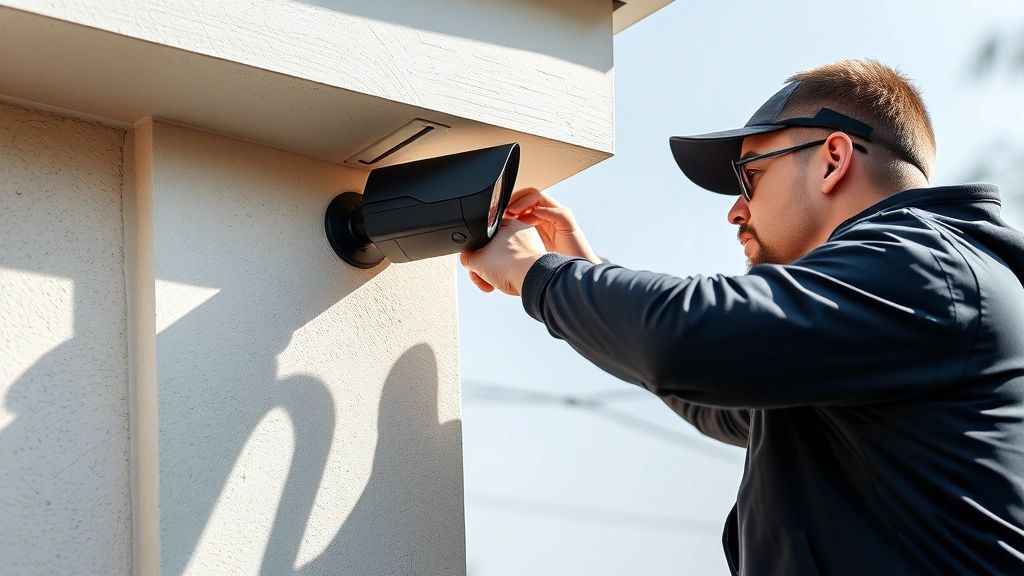
Strategic camera placement maximizes surveillance effectiveness while minimizing vulnerabilities. Position cameras at entry points including doors, windows, and garage openings where unauthorized access attempts occur. Elevated mounting positions (8-10 feet) reduce tampering risk while improving visibility angles. Avoid direct sunlight exposure which causes lens glare and reduces image clarity.
Network security begins during installation. Change default credentials immediately—many security breaches exploit unchanged factory passwords. Connect cameras to dedicated network segments separate from primary computing devices, limiting lateral movement if compromise occurs. Enable WPA3 encryption on wireless networks supporting this standard, providing robust protection against brute-force attacks.
Bandwidth considerations affect streaming quality and system responsiveness. A single 4K camera consumes 4-8 Mbps during active streaming, potentially saturating residential internet connections during peak usage. Quality of Service (QoS) configuration prioritizes camera traffic, ensuring surveillance maintains performance even when other devices consume bandwidth.
Power management during installation establishes charging routines preventing unexpected outages. Document battery capacity, expected runtime under your usage patterns, and seasonal variations requiring adjustment. Create calendar reminders for charging cycles, or implement automated monitoring systems that alert you when battery levels drop below safe thresholds.
Weather protection matters significantly for outdoor installations. Select cameras rated for your climate zone’s temperature extremes and precipitation levels. IP67 rating indicates dust-tight construction and temporary submersion resistance, suitable for most residential applications. Higher IP68 ratings provide enhanced water resistance for marine environments or flood-prone areas.
Maintenance and Longevity
Regular maintenance extends battery camera lifespan and ensures consistent security performance. Monthly lens cleaning removes dust, pollen, and environmental contamination that degrades image quality. Use microfiber cloths and appropriate cleaning solutions—avoid abrasive materials damaging lens coatings.
Firmware updates address security vulnerabilities and introduce feature improvements. Enable automatic updates when available, or establish monthly manual update routines. Review update release notes for security patches indicating vulnerability fixes. Delay updating only when testing confirms compatibility with your specific installation configuration.
Battery health monitoring prevents unexpected failures. Most modern cameras provide battery status through mobile applications or web interfaces. Gradual capacity loss is normal—expect 20-30 percent reduction after 500 charge cycles. Replace batteries when runtime drops below 50 percent of original specifications, ensuring reliable operation during critical periods.
Environmental stress accelerates aging. UV exposure degrades plastic housing and lens materials, while temperature cycling causes material brittleness. Install cameras in shaded locations when possible, and consider protective housing for extreme climates. Annual inspection of mounting hardware ensures cameras remain secure and properly oriented.
Storage considerations affect long-term functionality. If cameras will be unused for extended periods, charge batteries to 50 percent capacity and store in cool, dry environments. Complete discharge followed by extended storage can damage lithium-ion cells, reducing subsequent capacity. Recharge stored cameras monthly to maintain chemical balance.
Image placeholder for advanced camera technology specifications and installation guidance
Integration with professional monitoring services adds another security layer. Monitored systems alert authorities when motion detection triggers during configured hours, enabling rapid response to actual threats. Professional monitoring adds cost but provides essential support for properties where immediate response is critical or when occupants cannot monitor feeds continuously.
Documentation practices support long-term security. Maintain records of installation dates, firmware versions, battery replacement history, and any security incidents. This information proves valuable when troubleshooting issues or investigating suspicious activity. Cloud backup of recorded footage protects against data loss from device failure or theft.
When selecting the best battery powered security camera, prioritize security features alongside performance specifications. CISA cybersecurity recommendations emphasize authentication, encryption, and regular updates—principles that should guide your purchasing decisions. Avoid cameras from manufacturers with histories of security vulnerabilities or poor update support. Research vendor transparency regarding security practices and vulnerability disclosure.
Consider your specific threat model when evaluating camera features. Properties in high-crime areas benefit from advanced AI analytics detecting unusual behavior patterns. Residential installations prioritize ease of use and integration with existing smart home systems. Commercial applications require professional-grade reliability and comprehensive audit logging for compliance purposes.
FAQ
How long do battery powered security cameras actually last?
Runtime varies significantly based on usage patterns and environmental conditions. Most quality cameras provide 3-12 months between charges under typical motion-detection usage. Continuous recording depletes batteries in 2-4 weeks. Cold temperatures reduce runtime by 30-40 percent, while solar panel integration enables indefinite operation in sunny climates.
Are battery cameras secure against hacking?
Security depends on manufacturer implementation and user configuration. Strong encryption (AES-256), regular firmware updates, unique credentials, and two-factor authentication provide robust protection. Choose cameras from reputable manufacturers with documented security practices. Avoid devices from vendors with known vulnerabilities or poor update history. Check CISA’s known exploited vulnerabilities database before purchasing.
Can I use battery cameras without cloud storage?
Yes, local storage using microSD cards eliminates cloud dependency. This approach maximizes privacy but requires physical access for footage retrieval. Hybrid systems combining local and cloud storage balance accessibility with privacy protection. Ensure local storage encryption protects footage if devices are stolen.
What resolution do I actually need?
1080p resolution suffices for general surveillance and deterrence. 2K or 4K enables facial recognition and license plate identification at distances beyond 15 feet. Consider your specific security objectives—property monitoring requires less resolution than identifying suspicious individuals.
How do I maximize battery life?
Enable motion-detection recording rather than continuous capture, reducing power consumption by 70-80 percent. Lower video resolution and frame rate decrease processing demands. Disable night vision when unnecessary. Reduce cloud upload frequency if local storage is available. Keep cameras in moderate temperatures—extreme heat or cold accelerates battery degradation.
Should I choose wired or battery cameras?
Battery cameras offer installation flexibility and eliminate wiring complexity, ideal for renters or temporary installations. Wired cameras provide unlimited runtime and higher bandwidth for superior video quality. NIST security guidelines recommend evaluating both options based on your specific deployment scenario and threat assessment results.


