
Best Batteries for Home Security Systems: Expert Guide to Reliable Power Protection
Home security systems depend entirely on reliable power sources to function effectively. Whether you’re protecting your family with surveillance cameras, door sensors, motion detectors, or alarm systems, the battery powering these devices can mean the difference between comprehensive protection and costly vulnerabilities. Selecting the right batteries for your home security setup requires understanding battery chemistry, capacity ratings, environmental factors, and compatibility with your specific security infrastructure.
A failed battery in your security system isn’t just an inconvenience—it’s a security liability. Intruders actively target homes with disabled or malfunctioning alarm systems, making battery reliability a critical component of your overall cybersecurity and physical safety strategy. This comprehensive guide examines the best battery options available, helping you make informed decisions that enhance your home’s protection while ensuring consistent, uninterrupted operation of all security components.
Understanding Battery Types for Security Systems
Home security systems utilize several distinct battery chemistries, each offering specific advantages and limitations. The most common types include alkaline batteries, lithium batteries, rechargeable NiMH (nickel-metal hydride) batteries, and specialized security system backup batteries. Understanding these options helps you select the most appropriate power source for each component of your security infrastructure.
Alkaline batteries remain the most widely used option for consumer security devices. Standard AA and AAA alkaline batteries offer broad compatibility, reasonable cost-effectiveness, and adequate performance for low-power sensors and detectors. However, they have limitations in high-drain applications and perform poorly in extreme temperatures, which is particularly concerning for outdoor security devices exposed to harsh weather conditions.
Lithium batteries represent a significant upgrade for serious security implementations. These batteries maintain consistent voltage output throughout their discharge cycle, provide superior performance in cold temperatures, and deliver substantially longer runtime compared to alkaline alternatives. Premium lithium batteries like Energizer Ultimate Lithium or Panasonic Eneloop Pro demonstrate reliability that justifies their higher cost, particularly for critical security applications.
Rechargeable NiMH batteries offer environmental benefits and long-term cost savings, though they require proper charging infrastructure and may not be suitable for all security device types. Some security systems specifically require non-rechargeable batteries due to voltage regulation concerns, so always verify your device specifications before substituting rechargeable options.
Specialized backup batteries designed specifically for alarm system control panels provide extended runtime during power outages. These sealed lead-acid batteries or lithium backup systems ensure your entire security network remains operational even during extended electrical failures—a critical consideration given that CISA regularly documents security incidents involving disabled alarm systems.
Lithium vs. Alkaline Batteries: Key Differences
The choice between lithium and alkaline batteries significantly impacts your security system’s reliability and total cost of ownership. While alkaline batteries appear cheaper initially, lithium batteries often provide superior value through extended operational periods and consistent performance characteristics.
Performance Characteristics: Lithium batteries maintain approximately 90% of their rated voltage throughout their discharge cycle, while alkaline batteries experience voltage degradation starting at roughly 50% capacity. This voltage consistency means lithium-powered security sensors continue operating reliably even as battery capacity diminishes, whereas alkaline batteries may fail suddenly or provide erratic performance as they approach depletion.
Temperature Resilience: Alkaline batteries suffer severe performance degradation below 32°F (0°C), losing approximately 50% of their effective capacity in freezing conditions. Lithium batteries maintain performance down to -4°F (-20°C), making them essential for outdoor cameras, perimeter sensors, and security devices exposed to winter weather. This temperature resilience prevents the common scenario where outdoor security systems fail precisely when winter weather increases intrusion risks.
Shelf Life and Leakage: Lithium batteries maintain 90% capacity after a decade of storage, while alkaline batteries typically retain only 80-85% after five years. Additionally, alkaline batteries are more prone to leakage, which can damage sensitive security device electronics. A leaked battery in your security camera or sensor could necessitate expensive repairs or replacement of the entire device.
Cost Analysis: Premium lithium batteries cost 3-5 times more than standard alkaline batteries per unit. However, because lithium batteries last 2-4 times longer depending on application, the cost per operational hour often favors lithium for heavily-used security devices. For low-power sensors checked monthly, alkaline batteries may provide adequate economics.
Environmental Impact: Lithium batteries contain fewer toxic materials than alkaline batteries and require less frequent replacement, reducing overall environmental impact despite their higher manufacturing footprint. Organizations focused on security and sustainability increasingly favor lithium solutions.
Top Battery Recommendations by Device Type
Different security components have distinct power requirements, necessitating tailored battery selections. Understanding the specific needs of each device type ensures optimal performance and prevents security gaps.
Wireless Door and Window Sensors: These devices consume minimal power, typically operating for 2-5 years on a single battery set. Energizer Ultimate Lithium AA batteries or Panasonic Eneloop Pro provide excellent performance for these low-drain applications. The long lifespan reduces maintenance requirements and replacement frequency, minimizing the window of vulnerability when batteries are depleted.
Motion Detectors: PIR (passive infrared) motion sensors draw moderate power, particularly models with advanced detection algorithms. Lithium AA or AAA batteries are recommended, with Duracell Quantum or Energizer Ultimate Lithium offering reliable performance. Consider motion sensor placement—outdoor devices facing temperature extremes absolutely require lithium batteries to maintain consistent sensitivity.
Wireless Security Cameras: Battery-powered cameras represent the highest power-consumption security devices, requiring frequent battery replacement or rechargeable solutions. Rechargeable lithium-ion batteries specifically designed for security cameras provide the best economics for these devices. Brands like Ring, Wyze, and Arlo typically recommend their proprietary rechargeable batteries, though third-party lithium-ion replacements often provide superior value. Check your camera specifications—some models allow standard AA battery usage, which simplifies logistics.
Alarm System Control Panels: These critical devices require dedicated backup batteries, typically sealed lead-acid or lithium backup systems. Honeywell, ADT, and other professional systems specify compatible battery models. Never substitute generic batteries for alarm panel backups; use manufacturer-approved components to ensure proper voltage regulation and safety protocols. A failed backup battery during a power outage could disable your entire security system at the worst possible moment.
Wireless Keypads and Remotes: These convenience devices use CR2032 or similar coin-cell batteries. Premium lithium coin cells like Energizer or Panasonic Eneloop Pro deliver longer life than generic alternatives, reducing the frequency of keypad failures that could compromise emergency access to your security system.
Battery Capacity and Runtime Considerations
Battery capacity, measured in milliamp-hours (mAh), directly determines how long a device operates before battery replacement becomes necessary. Understanding capacity ratings helps you predict maintenance schedules and identify devices at risk of unexpected failure.
A typical AA alkaline battery contains 2,000-3,000 mAh of capacity, while premium alkaline batteries reach 3,500 mAh. Lithium AA batteries offer 3,000-3,500 mAh, similar to premium alkaline but with superior voltage consistency. Rechargeable NiMH AA batteries typically provide 2,000-2,800 mAh, sometimes less than alkaline but with the advantage of rechargeability.
Device power consumption varies dramatically. A wireless door sensor drawing 50 microamps might operate for 4 years on a single AA battery, while a wireless camera consuming 500 milliamps during active recording depletes an AA battery in hours. Manufacturers provide battery life estimates based on typical usage patterns—always verify these estimates match your actual security deployment.
Runtime Calculation: Divide battery capacity (mAh) by device current draw (mA) to estimate runtime in hours. A 3,000 mAh battery powering a 100 mA device provides 30 hours of operation. However, this calculation assumes constant draw; many security devices operate intermittently, extending actual runtime significantly. Motion sensors drawing power only when detecting movement last far longer than this calculation suggests.
Document your security system’s battery requirements and create a replacement schedule. Mark calendar reminders for typical battery replacement dates based on manufacturer specifications. This proactive approach prevents the scenario where a critical sensor fails silently, creating an undetected security vulnerability.
Backup Power Solutions and Battery Monitoring
While individual device batteries are essential, comprehensive home security requires system-level backup power to maintain operation during electrical outages. Uninterruptible power supplies (UPS) and dedicated security system backup batteries ensure your entire security infrastructure remains operational regardless of grid failures.
Professional alarm systems typically include sealed lead-acid backup batteries rated for 24-48 hours of operation, sufficient to maintain sensor communication and alert transmission during extended outages. These backup batteries require periodic testing and replacement—typically every 3-5 years. Neglecting backup battery maintenance represents a critical security vulnerability, as intruders actively exploit power outages knowing many security systems become non-functional.
Modern monitoring solutions now include battery status reporting, alerting you when device batteries approach depletion. Wireless security systems like Ring, Wyze, and professional platforms send notifications when battery levels drop below 20%. This proactive monitoring prevents the silent failures that create security gaps.
Consider installing battery backup systems for your internet router and modem. Your security system’s ability to transmit alerts depends on internet connectivity. A router powered by a UPS ensures your security system can communicate with monitoring services and send you notifications even during power failures. This often-overlooked component represents a critical vulnerability in many home security implementations.
Environmental Factors Affecting Battery Performance
Battery performance depends not only on chemistry but also on environmental conditions. Temperature, humidity, and storage conditions significantly impact battery lifespan and reliability.
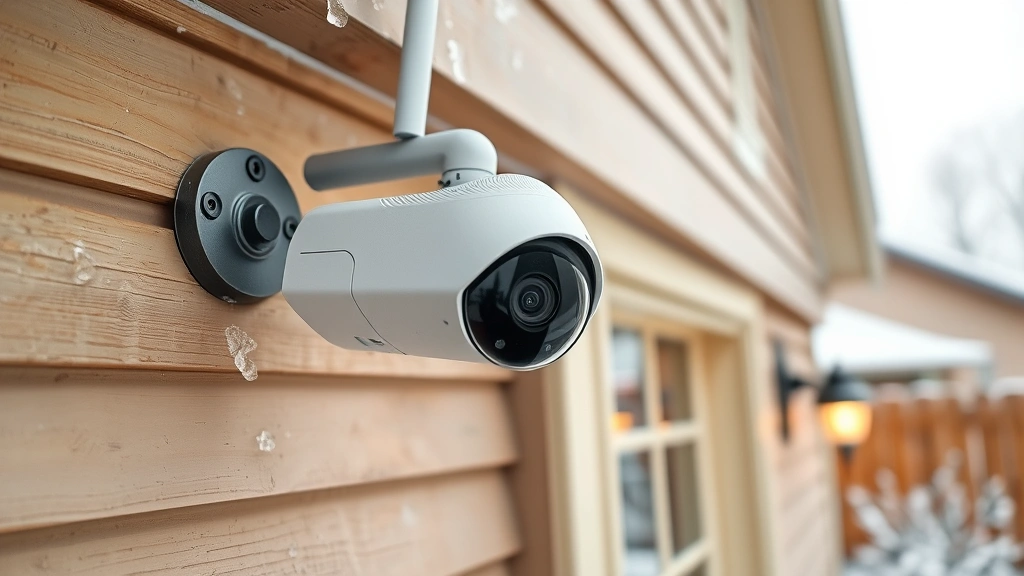
Temperature Effects: Extreme heat accelerates battery discharge and chemical degradation, reducing overall lifespan. Devices stored in attics or exposed to direct sunlight experience premature battery failure. Conversely, cold temperatures temporarily reduce battery voltage output, sometimes causing devices to malfunction even with adequate remaining capacity. Outdoor security cameras in cold climates should exclusively use lithium batteries, which maintain performance in freezing conditions where alkaline batteries essentially cease functioning.
Humidity and Corrosion: High-humidity environments, particularly in coastal areas or bathrooms, accelerate battery corrosion and leakage. Ensure battery contacts in security devices remain clean and dry. If you notice corrosion buildup, clean contacts with a cotton swab and white vinegar before installing fresh batteries.
Storage Conditions: Store spare batteries in cool, dry environments away from direct sunlight. Room temperature (68-72°F) is ideal. Never store batteries in vehicles or outdoor sheds where temperature fluctuations degrade battery chemistry. Properly stored lithium batteries maintain 90% capacity after a decade, while improperly stored batteries may be unusable within months.
Altitude Considerations: High-altitude installations experience slightly reduced battery performance due to lower atmospheric pressure and temperature variations. This rarely creates practical problems but is worth considering for security systems in mountainous regions where temperature swings are extreme.
Cost-Benefit Analysis of Premium Batteries
The economics of battery selection extend beyond the initial purchase price. A comprehensive cost-benefit analysis considers total cost of ownership, including replacement frequency, device downtime, and security implications of battery failures.
Scenario 1: Low-Power Sensors Door and window sensors consuming minimal power might operate 3-5 years on alkaline batteries costing $2 per set. Lithium batteries costing $8 per set might last 4-6 years. In this scenario, alkaline batteries provide superior economics—the extended lifespan doesn’t justify the 4x cost premium.
Scenario 2: Outdoor Cameras Battery-powered outdoor cameras in cold climates absolutely require lithium batteries. Alkaline batteries fail in winter conditions, creating seasonal security vulnerabilities. Lithium batteries cost more but provide year-round reliability. The security benefit of consistent operation justifies premium battery costs.
Scenario 3: High-Traffic Motion Sensors Motion sensors in busy areas triggering frequently consume more power. Lithium batteries might cost 4x more but last 3x longer, reducing cost per operational hour. Additionally, fewer battery replacements mean less frequent device access, reducing the window for tampering or misconfiguration.
Calculate your security system’s annual battery costs including labor for replacement. Many homeowners underestimate replacement labor—accessing ceiling-mounted sensors or outdoor cameras requires ladders, time, and creates safety risks. Premium batteries reducing replacement frequency provide value beyond the battery cost itself.
Security Incident Costs: Most importantly, consider the cost of a security failure. A burglary resulting from a failed security sensor might cost thousands in stolen property, insurance deductibles, and replacement costs. Compared to potential theft losses, premium battery costs are negligible insurance against device failure.
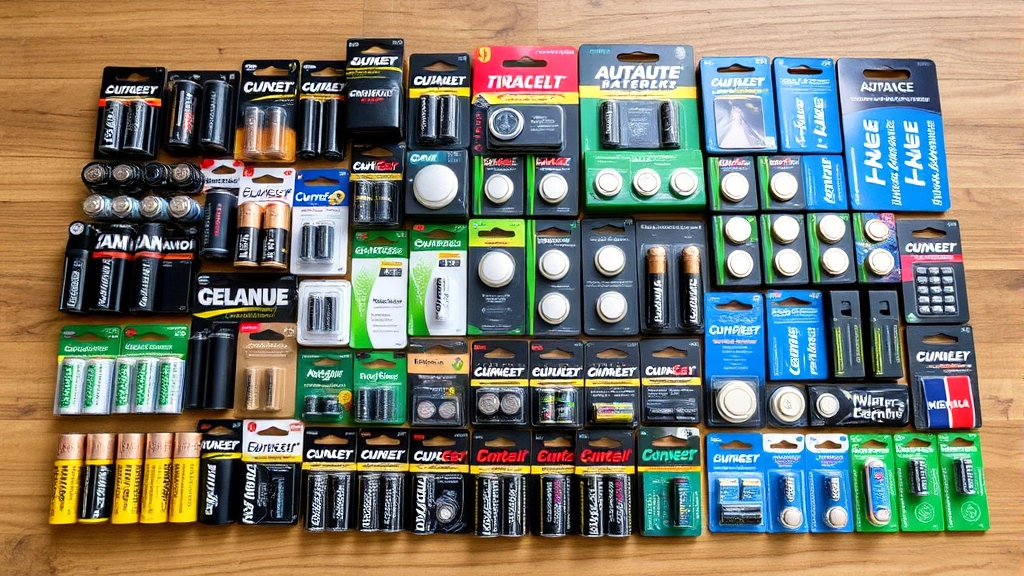
Battery selection represents a foundational security decision with cascading implications throughout your home security infrastructure. The most expensive batteries become cost-effective when they prevent security failures and protect your family.
Integration with Smart Home Security
Modern smart home security systems increasingly incorporate battery monitoring and predictive replacement features. Smart security hubs can track battery status across all connected devices, providing dashboard visibility and automated alerts when replacement is needed.
Platforms like NIST Cybersecurity Framework recommend inventory management and status monitoring for all security infrastructure components, including batteries. Implementing systematic battery tracking prevents the common scenario where battery failures go unnoticed until a security breach occurs.
Consider security systems with redundant power paths, where critical devices maintain backup batteries separate from primary power sources. Ring Alarm Pro and similar professional systems include this redundancy, ensuring that even if primary batteries fail, backup power maintains operation long enough to alert monitoring services.
Maintenance and Testing Protocols
Battery selection is only half the security equation; proper maintenance ensures selected batteries deliver their promised performance. Implement a quarterly battery testing protocol where you verify all security devices remain powered and responsive.
For alarm system backup batteries, perform monthly visual inspections checking for corrosion or damage. Professional monitoring services often include annual backup battery testing as part of their service agreements. If your monitoring service doesn’t offer this, request it or arrange independent testing to ensure backup power functions when needed.
Maintain a battery inventory log documenting installation dates and expected replacement dates. This simple spreadsheet prevents the scenario where you assume a device has fresh batteries when actually they’re months past their expected lifespan. Include device locations, battery types required, and links to manufacturer specifications.
Store replacement batteries in accessible locations with clear labeling. Organizing spare batteries by device type and location streamlines replacements and reduces the time your security system operates with depleted batteries. Consider storing batteries in waterproof containers in your safe or secure location—you don’t want to discover during an emergency that your battery supply has been compromised.
FAQ
What’s the difference between battery capacity and voltage?
Battery capacity (measured in mAh) determines how long a battery powers a device, while voltage (typically 1.5V for AA batteries) determines whether the battery can power a specific device. A device requiring 3V needs two batteries in series. Always verify voltage requirements match your device specifications—substituting incorrect voltage batteries damages devices or prevents operation entirely.
Can I use rechargeable batteries in all security devices?
No. Some security devices require non-rechargeable batteries due to voltage regulation requirements. Always consult manufacturer specifications before substituting rechargeable batteries. Alarm system control panels, for example, often require specific non-rechargeable batteries to maintain proper voltage output for backup power systems.
How often should I replace security system backup batteries?
Professional-grade sealed lead-acid backup batteries typically require replacement every 3-5 years. Lithium backup systems may last 7-10 years. Schedule professional testing annually to verify backup battery condition. Don’t wait for a power outage to discover your backup battery has failed.
Are generic batteries safe for security devices?
Generic batteries vary widely in quality and reliability. For critical security applications, choose established brands like Energizer, Duracell, or Panasonic. Premium batteries cost more but provide consistent performance and reduced leakage risk. Cheap batteries from unfamiliar brands may fail prematurely or leak, damaging expensive security equipment.
What temperature range should I store batteries?
Store batteries at room temperature (68-72°F) in dry conditions away from direct sunlight. Avoid storing batteries in vehicles, attics, or outdoor locations where temperature fluctuates. Extreme heat accelerates degradation while extreme cold reduces temporary output voltage. Proper storage maintains 90% capacity in lithium batteries for up to a decade.
How do I know when security device batteries need replacement?
Modern smart security systems send low-battery notifications. For older devices without smart features, track installation dates and follow manufacturer runtime specifications. Create calendar reminders for expected replacement dates. Test devices monthly to ensure they remain responsive—unresponsive sensors may indicate depleted batteries.
Should I replace all batteries simultaneously?
Not necessarily. Replace batteries based on device type and power consumption. High-drain devices like cameras need frequent replacement, while low-power sensors might operate 3+ years on a single battery set. However, if you’re accessing a device for one battery replacement, consider replacing all batteries in that device simultaneously to avoid multiple future service calls.
What’s the best battery for outdoor security cameras?
Rechargeable lithium-ion batteries specifically designed for your camera model provide the best combination of performance and economics. If your camera accepts AA batteries, Energizer Ultimate Lithium batteries offer superior cold-weather performance compared to alkaline alternatives. Check your camera specifications—don’t assume all battery-powered cameras accept standard AA batteries.


