
Barking Dog Alarms: Are They Effective? Expert View on Canine Security Systems
Home security has evolved dramatically over the past decade, yet one of the oldest deterrents remains surprisingly relevant: the barking dog. Whether you own an actual canine companion or rely on electronic barking dog alarms, understanding their effectiveness requires examining both the psychology of intruders and the scientific evidence behind these systems. In an era where CISA recommends layered security approaches, barking dog alarms represent an interesting intersection of behavioral science and security technology.
The concept is straightforward—a device that emits realistic dog barking sounds to deter potential intruders from approaching your property. But does this simple solution actually work? Our comprehensive analysis explores the effectiveness, limitations, and best practices for implementing barking dog security alarms as part of your overall home protection strategy. Whether you’re considering this technology for your residence or business, the evidence-based insights below will help you make an informed decision about whether a barking dog alarm deserves a place in your security arsenal.
How Barking Dog Alarms Work
Barking dog security alarms operate on a surprisingly simple mechanical and electronic principle. These devices typically contain motion sensors, audio equipment, and a power source that activates realistic dog barking sounds when movement is detected near your property. Modern versions range from basic plug-in models to sophisticated systems with adjustable sensitivity settings and multiple bark patterns.
The core technology involves passive infrared (PIR) sensors that detect heat signatures and movement within a specified range, usually between 15 to 30 feet. Once triggered, the alarm emits pre-recorded or synthesized barking sounds at volumes between 80 to 100 decibels—comparable to an actual medium to large dog’s bark. Premium models offer variable bark patterns, adjustable volume, and even features like light flashing to enhance the deterrent effect.
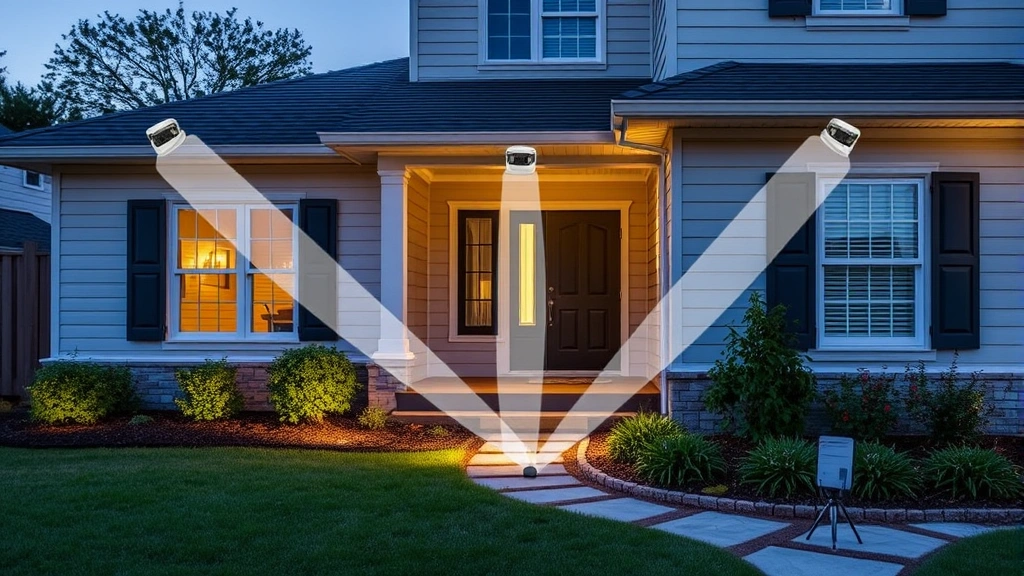
Installation varies by model. Some devices mount directly on walls or gates, while others sit on shelves or windowsills. Battery-powered versions offer flexibility in placement, while wired options provide consistent operation without maintenance concerns. The effectiveness of these systems depends heavily on proper positioning—ideally at entry points where intruders are most likely to approach, such as gates, side doors, or ground-floor windows.
The Psychology Behind Intruder Deterrence
Understanding why barking dog alarms might deter intruders requires examining criminal psychology and risk assessment behavior. Research in criminology demonstrates that burglars typically conduct preliminary surveillance of target properties, evaluating risk factors before committing to a break-in. A barking dog—real or simulated—represents several perceived risks that influence decision-making.
First, the presence of a dog suggests an alert occupant. Intruders assume that an active, barking dog indicates someone is home and aware of their surroundings. This perceived occupancy dramatically increases the perceived risk of confrontation or capture. Second, dogs present physical danger—even smaller breeds can bite, scratch, or create chaos during a break-in. Third, a dog increases the likelihood of detection and noise, making a quiet escape impossible.
However, the psychological effectiveness depends on several factors. Intruders with specific targets or strong motivation may ignore the deterrent. Experienced burglars often develop strategies to bypass dog-related obstacles. Additionally, if a barking dog alarm triggers repeatedly at false alarms (passing cars, animals, wind), neighbors and nearby residents may become desensitized to the sound, reducing its effectiveness—a phenomenon known as alarm fatigue documented in security research.
Real Dogs vs. Electronic Alarms: Comparative Effectiveness
The critical question many homeowners face is whether an electronic barking dog alarm provides equivalent protection to an actual canine companion. Research suggests the answer is nuanced and context-dependent.
Real Dogs as Deterrents: Actual dogs offer multiple advantages beyond barking. They provide continuous surveillance, can respond to threats beyond simple detection, offer companionship, and create genuine unpredictability that sophisticated intruders cannot easily assess. A real dog may attack, hide evidence, alert authorities through noise, or respond in unexpected ways. Large breeds like German Shepherds, Dobermans, and Rottweilers show documented deterrent effects—some studies suggest their presence alone reduces burglary risk by up to 50% in residential areas.
Electronic Barking Alarms: These systems excel in specific scenarios: they require no ongoing care, work 24/7 without fatigue, trigger consistently when configured properly, and cost significantly less than dog ownership. They’re particularly effective for properties where actual dogs aren’t feasible due to allergies, rental restrictions, or lifestyle factors. However, they lack the adaptive intelligence of real animals and can be overcome by determined intruders who understand they’re dealing with a machine.
Research from the Office of Justice Programs indicates that visual deterrents (cameras, signs) combined with auditory deterrents (barking alarms) provide better protection than either alone. The key finding: intruders prefer to avoid any property where detection seems likely, making the combination approach most effective.
” alt=”Professional home security system with motion sensors and alarm devices mounted on residential property exterior” loading=”lazy”>
Despite their appeal, barking dog alarms have significant limitations that security professionals acknowledge. Adaptation and Habituation: Intruders who’ve encountered electronic alarms before may recognize the pattern. Modern burglars often research target properties using online resources and neighborhood intelligence. Once they determine a barking sound is electronic rather than a real dog, the deterrent effect diminishes substantially. Some experienced criminals specifically target properties with electronic alarms, viewing them as indicators of valuable items worth protecting. False Alarm Issues: Barking dog alarms triggered by wind, falling leaves, passing animals, or vehicle movement generate false alarms. Neighbors experiencing repeated false alarms may disable the system themselves or simply ignore its activation. This alarm fatigue reduces community-wide security effectiveness, as people become conditioned to ignore the sound. Limited Detection Range: Most consumer-grade barking alarms detect motion within 15-30 feet. Sophisticated intruders may approach from angles outside this range or use techniques to avoid triggering the sensor. Professional burglars often study property layouts and identify detection blind spots. No Active Response: Unlike real dogs or monitored security systems, barking alarms provide no active intervention. They don’t call police, record evidence, or physically prevent entry. They merely alert and deter, making them insufficient as a standalone security solution. Environmental Factors: Weather conditions affect performance. Heavy rain, wind, or extreme temperatures can degrade sensors or trigger false alarms. Outdoor units require weatherproofing to maintain reliability. Security experts increasingly view barking dog alarms not as standalone solutions but as components within layered security strategies. When properly integrated with other technologies, their effectiveness improves substantially. Synergy with Video Surveillance: Combining barking alarms with security cameras creates a powerful deterrent. The alarm triggers on motion, drawing attention to the camera. Intruders facing both auditory and visual surveillance dramatically increase their perceived risk. This combination approach has shown effectiveness rates exceeding 70% in deterring opportunistic burglaries, according to security industry data. Integration with Smart Home Systems: Modern barking dog alarms connect to smart home ecosystems, enabling remote monitoring and control. Homeowners can review motion sensor logs, adjust sensitivity settings remotely, and receive notifications when the alarm triggers. Some premium systems integrate with professional monitoring services, creating hybrid solutions that combine electronic deterrence with human response. Layered Defense Approach: Security professionals recommend combining barking alarms with physical barriers (fencing, locks, reinforced doors), environmental design (proper lighting, clear sight lines), and visible security signage. This multi-layered approach makes properties significantly less attractive to potential intruders compared to those relying on single security measures. When considering a barking dog security alarm, evaluate how it complements your existing security infrastructure. A property with motion-sensor lighting, visible cameras, and professional monitoring benefits more from an electronic barking alarm than one with no other security measures in place. Maximizing barking dog alarm effectiveness requires thoughtful installation and ongoing maintenance. Strategic Placement: Position alarms at primary entry points—front doors, side gates, ground-floor windows, and areas with blind spots from neighboring properties. Motion sensors should face the most likely approach routes. Avoid pointing sensors at areas where false triggers are likely (tree branches, traffic, moving shadows). Height matters; sensors positioned 3-6 feet above ground detect human-level movement most effectively. Sensitivity Calibration: Adjust motion sensor sensitivity to balance responsiveness with false alarm prevention. Most devices offer multiple sensitivity levels. Start at medium sensitivity and adjust based on false alarm frequency. Higher sensitivity catches more potential threats but increases false alarms; lower sensitivity reduces false alarms but may miss genuine threats. Maintenance Schedule: Battery-powered units require regular battery replacement—typically every 6-12 months depending on model and climate. Clean sensor lenses quarterly to prevent dust accumulation, which reduces detection range. Test the system monthly by walking past the sensor to verify proper activation. Complementary Measures: Display security system signs and window stickers indicating protected status. Install motion-sensor lighting that activates simultaneously with the barking alarm, creating visual reinforcement. Ensure proper outdoor lighting so intruders cannot work in darkness near alarm locations. Noise Considerations: While the barking sound serves a purpose, consider your neighbors’ experience. Choose models with adjustable volume, and position alarms to direct sound toward the property perimeter rather than adjacent residences. Some jurisdictions have noise ordinances that affect alarm operation.Limitations and Vulnerabilities
Integration with Modern Security Systems
Installation and Best Practices

” alt=”Comprehensive home security setup with multiple protective devices and sensors around residential property perimeter” loading=”lazy”>
Research indicates moderate effectiveness, particularly against opportunistic burglars. A 2023 analysis from security firms found that properties with visible deterrents (including electronic alarms) experienced 20-30% fewer break-in attempts compared to unprotected properties. However, experienced or motivated intruders may not be deterred. Effectiveness increases substantially when barking alarms are combined with cameras, lighting, and professional monitoring. Experienced burglars often can identify electronic alarms through pattern recognition—consistent bark sequences, timing, and sound quality differ from real dogs. However, this requires proximity and attention. For initial deterrence and preventing casual break-ins, electronic alarms remain effective because most intruders avoid confrontation with any apparent dog presence. Primary entry points like gates, side doors, and ground-floor windows are ideal. Position motion sensors to detect approach routes while minimizing false triggers from wind or passing animals. Height of 3-6 feet optimizes human-level motion detection. Consider sight lines—sensors should face areas visible to approaching intruders so they’re aware of the alarm. No. Security professionals recommend them as one component of layered defense. A barking alarm alone cannot record evidence, contact authorities, or physically prevent entry. Combine with cameras, proper lighting, reinforced locks, and consider professional monitoring for comprehensive protection. False alarm frequency depends on sensitivity settings and environmental factors. Poorly positioned alarms in windy areas or near vegetation may trigger multiple times daily. Properly calibrated and positioned systems typically experience 1-3 false alarms monthly. If experiencing frequent false alarms, adjust sensitivity or reposition the sensor. Weather affects performance. Quality outdoor units with proper weatherproofing function reliably in most conditions, though extreme cold or heavy rain may temporarily reduce sensor sensitivity. Indoor models placed near windows avoid weather issues but may have reduced detection range. Choose weatherproof units rated for your climate. Final Assessment: Barking dog alarms represent a cost-effective component of residential and commercial security strategies. They excel at initial deterrence, particularly against opportunistic intruders, and integrate effectively with modern security systems. However, they shouldn’t serve as sole protection. When combined with proper security practices and technology, cameras, lighting, and monitoring services, barking alarms contribute meaningfully to comprehensive property protection. For budget-conscious homeowners seeking entry-level security enhancement, electronic barking alarms offer reasonable value. For maximum effectiveness, implement them within a broader security framework that addresses physical barriers, surveillance, and professional response capabilities.FAQ
Do barking dog alarms actually deter burglars?
Can intruders tell the difference between real dogs and electronic alarms?
What’s the best placement for a barking dog alarm?
Are barking dog alarms sufficient as sole security?
How often do barking dog alarms produce false alarms?
Do barking dog alarms work in winter or rain?


