
Why Sun Protection? Dermatologist Insights on Bareminerals and Skincare
Sun protection is one of the most critical components of any skincare regimen, yet many people underestimate its importance in preventing premature aging, skin cancer, and other UV-related damage. Dermatologists worldwide consistently recommend daily sun protection as a non-negotiable step in maintaining healthy skin. Bareminerals has emerged as a trusted brand offering mineral-based sun protection products that combine efficacy with clean beauty principles. This comprehensive guide explores why sun protection matters, how dermatologists evaluate sunscreen products, and why Bareminerals sun protection stands out in the crowded beauty market.
The sun’s ultraviolet radiation poses significant threats to skin health that extend far beyond temporary sunburn. UV rays penetrate the skin’s outer layers, damaging DNA in skin cells and triggering inflammatory responses that accelerate aging. Understanding these mechanisms helps explain why dermatologists universally advocate for consistent sun protection habits. Whether you’re spending a day at the beach or simply running errands around town, UV exposure accumulates throughout your lifetime, making daily protection essential for everyone regardless of skin type or tone.
Understanding UV Radiation and Skin Damage
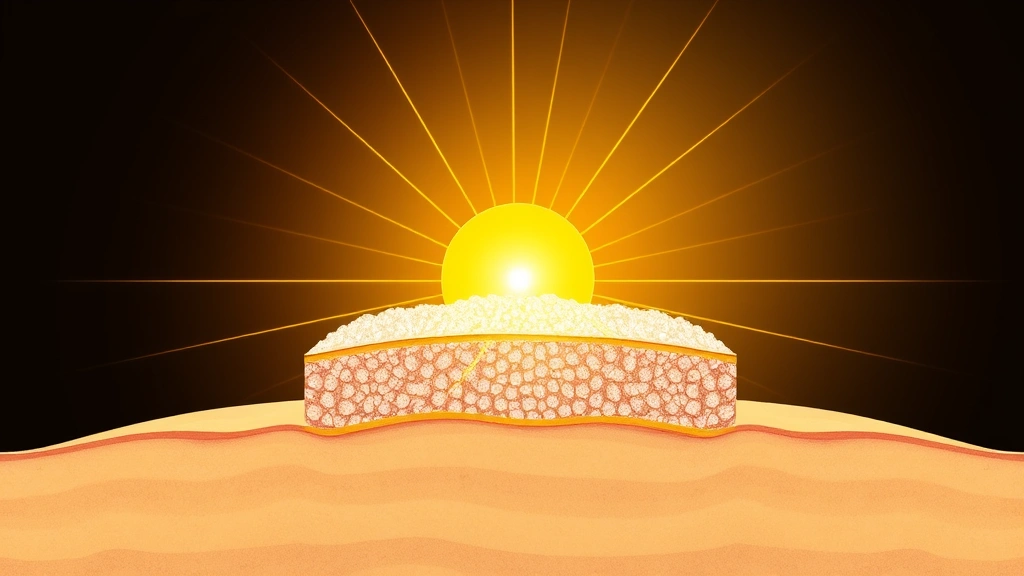
The sun emits three types of ultraviolet radiation: UVA, UVB, and UVC. While UVC rays are filtered by Earth’s atmosphere, UVA and UVB rays reach the ground and penetrate skin with harmful consequences. UVB rays primarily cause sunburn and play a major role in skin cancer development, while UVA rays penetrate deeper into the dermis, causing premature aging, wrinkles, and age spots. Both types of radiation damage collagen and elastin fibers, the proteins responsible for skin’s firmness and elasticity.
Cumulative UV exposure over a lifetime significantly increases the risk of melanoma and non-melanoma skin cancers. According to the CDC’s skin cancer prevention guidelines, one person dies from melanoma almost every hour in the United States. Beyond cancer risk, chronic sun exposure causes photoaging—visible signs including fine lines, leathery texture, irregular pigmentation, and a dull complexion. Dermatologists emphasize that sun damage is cumulative and largely irreversible, making prevention far superior to treatment.
Free radicals generated by UV exposure trigger oxidative stress in skin cells, leading to inflammation and accelerated breakdown of skin’s protective barrier. This process affects all skin types, though darker skin tones have higher melanin content providing natural protection. However, melanin doesn’t provide complete protection, and people with darker skin still require daily sunscreen to prevent skin cancer and premature aging. The myth that darker skin doesn’t need sun protection has been thoroughly debunked by dermatological research.

Dermatologist Recommendations for Daily Protection
Leading dermatological organizations, including the American Academy of Dermatology, recommend using broad-spectrum sunscreen with SPF 30 or higher every single day, regardless of weather conditions or season. Broad-spectrum protection means the product shields against both UVA and UVB radiation. SPF 30 blocks approximately 97% of UVB rays, while SPF 50 blocks about 98%—a modest difference that doesn’t justify skipping lower SPF products if they’re more likely to be used consistently.
Dermatologists stress that sunscreen application matters as much as product selection. Most people apply insufficient amounts, typically using only 25-50% of the recommended quantity. The standard recommendation calls for one-quarter teaspoon for the face and neck, or about one ounce (shot glass full) for the entire body. Reapplication every two hours, or immediately after swimming or sweating, ensures continuous protection throughout the day. Many people mistakenly believe that applying sunscreen once in the morning provides all-day coverage, leading to inadequate protection during afternoon and evening hours.
Beyond SPF numbers, dermatologists evaluate sunscreen formulations based on stability, irritant potential, and compatibility with other skincare products. Mineral sunscreens, which use physical blockers like zinc oxide and titanium dioxide, are often recommended for sensitive skin because they’re less likely to cause irritation or allergic reactions. Chemical sunscreens, which absorb UV rays and convert them to heat, offer lighter textures but may irritate reactive skin. The FDA’s sunscreen regulations ensure that all approved products meet safety and efficacy standards, though formulation quality varies considerably between brands.
Why Mineral Sunscreen Matters
Mineral sunscreens work through a physical barrier mechanism, sitting on the skin’s surface and reflecting UV rays away before they penetrate. This approach offers several advantages that dermatologists appreciate. First, mineral sunscreens provide immediate protection upon application, whereas chemical sunscreens require 15 minutes to become effective. Second, they’re less likely to irritate sensitive skin, making them ideal for people with conditions like rosacea, eczema, or post-procedure skin. Third, mineral formulations are generally safer for reef ecosystems and are banned in some locations specifically to protect marine life.
The primary drawback of traditional mineral sunscreens has been their white cast and heavy texture. Zinc oxide and titanium dioxide particles scatter light, creating a visible white layer on skin that many find cosmetically unacceptable. This limitation has historically driven consumers toward chemical sunscreens despite irritation concerns. Modern formulation techniques, however, have dramatically improved mineral sunscreen cosmetics. Micronized and nano-sized particles reduce the white cast while maintaining protection, and innovative formulation strategies incorporate mineral blockers into lightweight, invisible textures.
Bareminerals has pioneered the development of mineral sunscreens that combine effective UV protection with elegant cosmetic elegance. By utilizing advanced particle technology and complementary ingredients, Bareminerals sun protection products deliver broad-spectrum protection without the chalky residue that discouraged previous generations from consistent mineral sunscreen use. This innovation addresses one of the largest barriers to sunscreen compliance—the cosmetic elegance of the product directly influences whether people actually use it daily.
Mineral sunscreen formulations are particularly beneficial for daily use because they’re less likely to cause photosensitivity reactions or interact with other skincare ingredients. People using prescription acne medications like retinoids, or those receiving chemical peels and laser treatments, often benefit from mineral sunscreen’s gentler profile. Additionally, mineral sunscreens are suitable for all ages, including infants over six months old, since the FDA restricts chemical sunscreen ingredients for very young children.
Bareminerals Sun Protection Products
Bareminerals has built its reputation on clean, mineral-based beauty products, and their sun protection line exemplifies this commitment. The brand offers several sunscreen formulations designed for different skin types and preferences, each incorporating mineral blockers with skincare-beneficial ingredients. Bareminerals Complexion Rescue SPF 30 combines sun protection with tinted coverage, allowing people to achieve both protection and a polished appearance in one product. This dual-function approach addresses a common barrier to sunscreen use—the desire to minimize steps in morning routines.
The Bareminerals sun protection range includes options for different skin concerns, including formulations for sensitive skin, oily skin, and those seeking maximum coverage. Each product is formulated without harmful chemicals like oxybenzone and octinoxate, which have been restricted or banned due to environmental and health concerns. By choosing mineral-based protection, Bareminerals ensures that users avoid potentially problematic ingredients while receiving effective UV defense.
Dermatologists appreciate Bareminerals’ transparency regarding ingredients and formulation philosophy. The brand clearly identifies mineral active ingredients and explains their protective mechanisms. This educational approach empowers consumers to make informed decisions about their sun protection choices. Additionally, Bareminerals products undergo rigorous testing to ensure SPF claims are accurate and protection is genuinely broad-spectrum, covering both UVA and UVB wavelengths.
When evaluating Bareminerals sun protection products, dermatologists note that the brand successfully addresses the cosmetic elegance problem that has historically limited mineral sunscreen adoption. The lightweight textures absorb quickly without leaving a heavy or greasy feel, making them suitable for daily facial use even under makeup. This cosmetic advantage translates directly into better compliance—people are significantly more likely to use sunscreen consistently if they enjoy how it feels and looks on their skin.
How to Apply Sunscreen Correctly
Proper sunscreen application technique is just as important as product selection. Many people apply insufficient quantities, reducing effectiveness below stated SPF levels. The recommended amount for facial application is approximately one-quarter teaspoon, which may seem small but provides adequate coverage when distributed evenly. For body application, use about one ounce (approximately a shot glass full) to cover exposed areas of the entire body.
Application method significantly impacts effectiveness. Rather than rubbing sunscreen in immediately, dermatologists recommend applying it to all exposed skin and allowing it to set for a few minutes before touching your face or applying makeup. This brief waiting period allows the sunscreen to form a protective barrier. When applying under makeup, sunscreen should be fully absorbed before foundation application to prevent pilling and ensure both products function optimally.
Reapplication is critical for maintaining protection throughout the day. Standard recommendations call for reapplication every two hours, or immediately after swimming, sweating, or toweling off. However, reapplication frequency depends on activity level and exposure intensity. Someone spending the entire day at the beach requires more frequent reapplication than someone working indoors with occasional outdoor exposure. Many people mistakenly believe that higher SPF products require less frequent reapplication—this is false. SPF numbers don’t indicate duration of protection; they only indicate the proportion of UV rays blocked.
Sunscreen should be applied as the final step in your morning skincare routine, after serums and moisturizers but before makeup. This sequencing ensures the sunscreen forms a complete protective layer over your skin. Some people choose to apply sunscreen before makeup primer, while others apply it after primer but before foundation. Experiment to determine which approach works best with your makeup products and skin type. The key is ensuring complete coverage of all exposed areas, including often-forgotten zones like ears, the back of the neck, and the hairline.
Sun Protection Beyond Sunscreen
While sunscreen is essential, comprehensive sun protection involves multiple complementary strategies. Dermatologists recommend limiting sun exposure during peak UV hours, typically between 10 AM and 4 PM when UV radiation is most intense. Seeking shade when possible significantly reduces UV exposure without requiring any products. Even brief periods in shade can meaningfully reduce cumulative daily exposure, particularly during midday hours.
Protective clothing offers another important defense layer. Long-sleeved shirts, long pants, and wide-brimmed hats provide physical barriers that sunscreen cannot match. UV-protective clothing, specifically engineered to block UV radiation, offers enhanced protection compared to regular fabrics. Many athletic and outdoor brands now offer UV-protective options that don’t sacrifice style or comfort. Sunglasses protect the delicate eye area and surrounding skin while reducing photoaging around the eyes, where skin is thinnest and most vulnerable to sun damage.
Antioxidant-rich skincare products complement sun protection by neutralizing free radicals generated by UV exposure. Ingredients like vitamin C, vitamin E, and polyphenols from green tea or resveratrol provide additional protection against oxidative stress. While these products cannot replace sunscreen, they enhance overall skin defense when used alongside consistent UV protection. Many dermatologists recommend applying antioxidant serums before sunscreen to maximize protective benefits.
Dietary factors also influence skin’s ability to resist UV damage. Antioxidant-rich foods including berries, leafy greens, nuts, and fatty fish provide building blocks for skin repair and protection. Some research suggests that certain dietary compounds, including polyphenols and carotenoids, offer modest photoprotection when consumed regularly. However, dietary approaches should never replace sunscreen—they’re complementary strategies that work best when combined with comprehensive sun protection habits.
Understanding that sun damage is cumulative and largely irreversible emphasizes the importance of starting sun protection early. Dermatologists stress that children should establish sun protection habits that persist throughout their lives. The damage accumulated during childhood and young adulthood significantly influences skin health and cancer risk in later years. Parents who model consistent sun protection and explain its importance help children develop lifelong healthy habits.
FAQ
What SPF level should I use daily?
Dermatologists recommend SPF 30 or higher for daily use. SPF 30 blocks approximately 97% of UVB rays, while SPF 50 blocks about 98%. The difference is modest, so consistency matters more than chasing increasingly high SPF numbers. Choose an SPF level you’ll actually use every day.
Can I skip sunscreen on cloudy days?
No. UV rays penetrate clouds, so protection is necessary even on overcast days. Up to 80% of UV rays can penetrate cloud cover, meaning your skin receives significant exposure even when the sun isn’t visible. Make sunscreen part of your daily routine regardless of weather.
Is mineral sunscreen better than chemical sunscreen?
Both types offer effective protection when formulated properly. Mineral sunscreen is often preferred for sensitive skin and offers immediate protection, while chemical sunscreen typically has a lighter texture. Choose based on your skin type, sensitivity level, and personal preferences. The best sunscreen is the one you’ll actually use consistently.
How long does sunscreen last once applied?
Sunscreen effectiveness diminishes over time and requires reapplication every two hours, or immediately after swimming or sweating. This timeline applies regardless of SPF level. Higher SPF doesn’t mean longer-lasting protection—it only indicates the proportion of UV rays blocked.
Can I wear sunscreen under makeup?
Yes, absolutely. Apply sunscreen as the final step in your skincare routine, allow it to set briefly, then apply primer and makeup as usual. This layering approach provides both UV protection and cosmetic coverage.
Is Bareminerals sun protection suitable for all skin types?
Bareminerals offers formulations designed for different skin types, including options for sensitive, oily, and combination skin. The mineral-based formulas are generally well-tolerated across skin types, but individuals with specific concerns should choose products formulated for their particular needs.
What should I do if I get sunburned?
If sunburn occurs, cool the skin with lukewarm water, avoid further sun exposure, and use gentle moisturizers. Ibuprofen can help reduce inflammation if taken soon after exposure. Severe sunburns with blistering or fever require medical attention. Sunburn indicates DNA damage, making future prevention even more critical.


