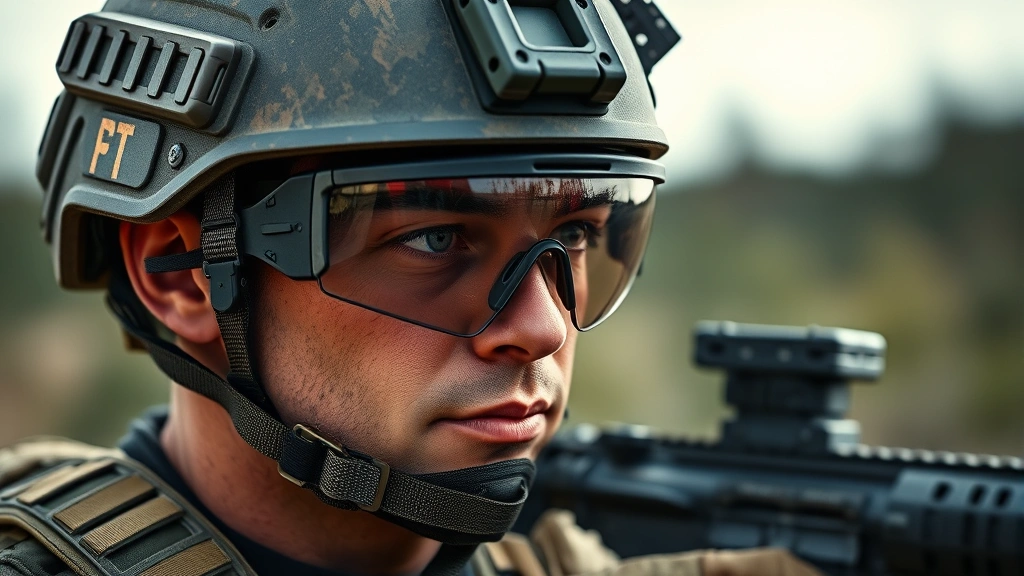
Is Ballistic Eye Protection Effective? Expert Insights on Tactical Eyewear Safety
Ballistic eye protection has become increasingly critical in military, law enforcement, and civilian tactical operations. As threats evolve and personnel face heightened risks from projectiles, fragmentation, and high-velocity impacts, the question of effectiveness moves beyond theoretical discussion into practical necessity. This comprehensive guide examines the science, standards, and real-world performance of ballistic eye protection systems.
Eye injuries represent one of the most preventable yet frequently overlooked occupational hazards in high-risk environments. Unlike other body armor, ballistic eyewear must balance protection with visibility, comfort, and operational functionality. Understanding the effectiveness of these protective systems requires knowledge of impact physics, material science, and established testing protocols that govern their certification and deployment.
Understanding Ballistic Eye Protection Standards
Ballistic eye protection effectiveness cannot be evaluated without understanding the rigorous testing standards that govern these products. The primary certification framework comes from CISA and related federal agencies, along with military specifications and ANSI (American National Standards Institute) protocols. These standards establish minimum performance requirements that protective eyewear must meet before deployment in critical operations.
The most relevant standard for ballistic eye protection is MIL-PRF-31013, which specifically addresses military eyewear requirements. This specification mandates testing against high-velocity projectiles, fragmentation hazards, and thermal threats. Additionally, ANSI Z87.1 provides civilian standards for impact resistance, though military-grade protection typically exceeds these baseline civilian requirements significantly.
Testing protocols involve firing projectiles at protective lenses under controlled conditions. Velocity, projectile composition, impact angle, and lens thickness all factor into comprehensive evaluation. A lens certified as ballistic protection must not only resist penetration but also prevent hazardous fragmentation that could injure the wearer. The effectiveness measurement includes both complete protection and acceptable deformation limits that ensure vision remains functional after impact.
International standards also play a role, particularly NIST guidelines for protective equipment and NATO specifications that align military equipment across allied forces. These standardized testing protocols ensure consistency and reliability across manufacturers and deployment contexts.
Material Science Behind Protective Lenses
The effectiveness of ballistic eye protection depends fundamentally on lens material selection and construction. Modern protective eyewear employs several advanced materials, each offering distinct advantages and limitations. Understanding these materials illuminates why certain protection systems excel against specific threat profiles while remaining vulnerable to others.
Polycarbonate lenses represent the most common choice for ballistic eye protection. This thermoplastic polymer offers exceptional impact resistance, with the ability to absorb and distribute kinetic energy across the lens surface. Polycarbonate’s inherent properties include high refractive index, allowing for thinner lenses without compromising optical quality. The material naturally resists UV radiation and maintains clarity across the visible spectrum, critical for operational effectiveness.
Glass-based laminates provide superior optical clarity and scratch resistance compared to polycarbonate alone. By combining glass substrates with bonding layers, manufacturers create lenses that resist both high-velocity impacts and fragmentation. However, glass laminates are heavier and more brittle, making them less suitable for extended wear applications, though they excel in fixed-position defensive scenarios.
Trivex and other mid-index materials offer intermediate solutions, balancing optical quality with impact resistance. These materials provide lighter weight than glass while maintaining superior optics compared to standard polycarbonate. For personnel requiring extended wear periods, Trivex lenses reduce fatigue while maintaining adequate protection levels.
Anti-reflective coatings enhance both protection and functionality. These coatings reduce glare that could compromise vision during critical operations while improving light transmission through the lens. Some advanced coatings also provide additional impact resistance by creating micro-layers that absorb and distribute impact energy more effectively.
Lens thickness directly correlates with protection level. Thicker lenses provide superior ballistic resistance but increase weight and can affect optical distortion. Modern manufacturing techniques allow for variable thickness designs, concentrating material at impact-prone areas while maintaining thinner sections for optimal vision. This engineering approach maximizes protection without unnecessary weight penalty.
Real-World Performance and Limitations
Laboratory testing provides essential baseline data, but real-world performance introduces variables that theoretical models cannot fully capture. Environmental conditions, impact angles, material degradation, and cumulative stress all affect actual protective effectiveness in operational environments.
Field reports from military and law enforcement personnel demonstrate that properly certified ballistic eye protection significantly reduces serious eye injuries. However, effectiveness is not absolute. Protection levels vary considerably based on threat type and intensity. Standard ballistic eyewear effectively protects against most fragmentation hazards and lower-velocity projectiles encountered in typical operations. Higher-velocity rifle rounds present substantially greater challenges, and no standard eye protection provides reliable protection against direct hits from high-powered rifle ammunition.
Impact angle dramatically affects outcome. A projectile striking the lens perpendicularly presents different failure modes compared to oblique impacts. Protective eyewear specifications account for multiple impact angles, but extreme angles may exceed protection parameters. Personnel training emphasizes maintaining appropriate positioning to minimize exposure to high-angle threats.
Material degradation over time reduces effectiveness. UV exposure, temperature fluctuations, and repeated minor impacts gradually degrade lens properties. Protective eyewear requires regular inspection and replacement according to manufacturer guidelines. Visible scratches, crazing, or hazing indicate material compromise and necessitate immediate replacement regardless of apparent functional integrity.
Thermal stress presents another limitation. Extreme heat exposure, as encountered in vehicle fires or proximity to explosions, can degrade lens material and compromise the integrity of protective systems. Similarly, rapid temperature changes can induce stress fractures. High-risk environments may require supplementary thermal protection beyond standard ballistic eyewear.
The human factor introduces additional considerations. Discomfort or poor fit encourages personnel to remove or improperly wear protective eyewear. Effectiveness depends fundamentally on consistent proper usage. Ill-fitting frames, excessive weight, or poor ventilation reduce compliance, effectively nullifying protection benefits regardless of material quality.
Comparing Protection Levels and Threats
Ballistic eye protection comes in multiple certification levels, each designed for specific threat environments. Understanding these levels enables appropriate selection for particular operational contexts.
Level 1 protection addresses fragmentation and low-velocity impacts. This level protects against splinter hazards from explosions, shattered materials, and general workplace impacts. Most civilian tactical eyewear and basic military protection falls within this category. It provides essential protection for personnel in environments where high-velocity projectiles are unlikely.
Level 2 and Level 3 protection address progressively higher-velocity threats. Level 2 protection defends against intermediate-velocity projectiles and represents the upper range of typical military eyewear certification. Level 3 represents maximum protection achievable with practical eyewear, defending against rifle-velocity projectiles under specific conditions.
Each protection level requires increasingly thicker and heavier lenses, creating trade-offs with optical quality and wearability. Personnel in environments with extreme ballistic threats may accept reduced optical performance for enhanced protection. Conversely, those in lower-threat environments prioritize optical clarity and comfort over maximum protection.
Threat assessment determines appropriate protection level selection. Military personnel in active combat zones typically require Level 2 or Level 3 protection despite associated compromises. Law enforcement in urban environments may find Level 1 protection adequate for typical scenarios. Civilian security personnel should evaluate their specific threat environment and select protection accordingly.
Chemical and biological threat protection represents a specialized category distinct from ballistic eye protection. Standard eyewear offers minimal protection against chemical agents. Specialized sealed eyewear with dedicated filtration systems provides necessary protection in contaminated environments. These systems integrate with overall protective equipment rather than serving as standalone eye protection.
Selecting Appropriate Eye Protection
Choosing effective ballistic eye protection requires systematic evaluation of operational requirements, threat assessment, and practical constraints. Several key factors guide selection decisions.
Threat environment assessment provides the foundation for protection level selection. Military personnel in active combat zones require maximum available protection. Law enforcement in domestic operations typically need moderate protection against fragmentation and lower-velocity threats. Security personnel in low-threat environments may prioritize comfort and optical clarity over maximum protection. Honest threat assessment prevents both over-specification leading to unnecessary burden and under-specification leaving personnel vulnerable.
Optical requirements significantly impact selection. Personnel requiring precision vision for shooting, surveillance, or detailed work need superior optical quality. High-quality polycarbonate or Trivex lenses with anti-reflective coatings provide excellent optics while maintaining adequate protection. Those in environments emphasizing situational awareness may accept slightly reduced optical clarity for enhanced peripheral vision.
Fit and comfort directly influence compliance. Protective eyewear that causes discomfort, excessive heat buildup, or poor fit encourages removal or improper usage, eliminating protection benefits. Proper fitting requires individual assessment and may necessitate custom options for personnel with unusual facial geometry.
Integration with other equipment must be considered. Eyewear must function properly with helmets, gas masks, communication equipment, and other protective gear. Some protective systems integrate seamlessly while others create interference patterns or gaps that reduce overall protection effectiveness.
Cost considerations balance protection requirements with budgetary constraints. High-end ballistic eyewear provides superior optical quality and comfort but carries significant cost. Budget-conscious procurement must still maintain minimum protection standards rather than selecting inadequate protection for cost savings.
Environmental factors including climate, altitude, and operational duration affect selection. Eyewear suitable for temperate climates may fail in extreme heat or cold. Extended operations require superior ventilation and comfort features. Altitude operations may demand specific optical properties to compensate for atmospheric conditions.
Integration with Tactical Equipment
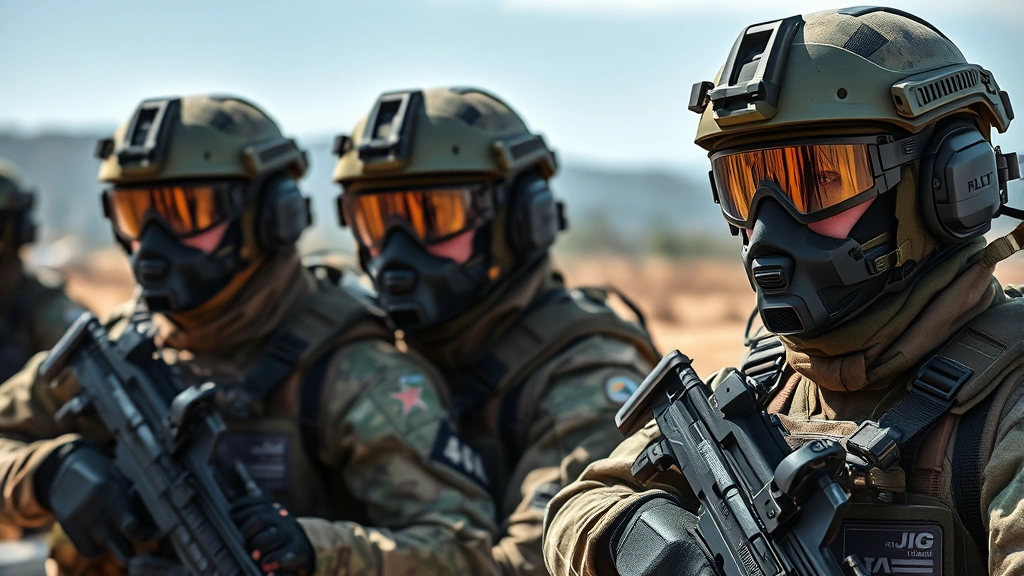
Ballistic eye protection effectiveness extends beyond the eyewear itself to integration with complete tactical systems. Proper integration maximizes overall protection while maintaining operational functionality.
Helmet compatibility represents a critical integration factor. Protective eyewear must fit properly within helmet systems without creating gaps that compromise protection. Some eyewear designs specifically accommodate particular helmet models, while universal designs attempt broader compatibility. Proper integration ensures that projectiles cannot reach eyes through gaps between protective systems.
Communication equipment integration affects both protection and functionality. Microphone booms, headsets, and radio antennas must not interfere with eyewear positioning. Some advanced systems integrate communication directly into protective eyewear frames, eliminating external components that could compromise fit or protection.
Gas mask compatibility requires careful consideration for personnel in chemical or biological threat environments. Standard ballistic eyewear typically does not integrate with protective masks, creating a protection gap. Specialized systems address this challenge through compatible frame designs and seal integration.
Mounting systems for tactical accessories including lights, cameras, or magnification optics must not destabilize protective eyewear or create weak points in the protective system. Proper engineering ensures that mounted accessories do not introduce vulnerabilities or reduce protection effectiveness.
Maintenance and replacement procedures must be integrated into standard operational protocols. Personnel require training on inspection procedures, replacement schedules, and proper care. Organizational systems should track eyewear condition and ensure timely replacement before material degradation compromises protection.
Storage and environmental protection preserve eyewear integrity during non-operational periods. Proper cases protect against accidental damage, temperature extremes, and UV exposure during storage. Organizations should establish protocols ensuring protective eyewear receives appropriate care between operational deployments.
FAQ
What makes ballistic eye protection different from regular safety glasses?
Ballistic eye protection uses specialized materials and construction techniques designed to withstand high-velocity projectile impacts. Regular safety glasses provide impact resistance for workplace hazards but lack the material thickness and advanced engineering required for ballistic threats. Federal agencies distinguish between these categories with different testing standards and certification requirements.
Can ballistic eyewear protect against direct rifle shots?
Standard ballistic eyewear provides limited protection against direct hits from high-powered rifles. Level 3 protection, the highest practical standard, defends against rifle-velocity projectiles under specific conditions including impact angle and distance. However, close-range direct hits from high-power rifles may penetrate even maximum-protection eyewear. The protective systems address fragmentation and lower-velocity threats more effectively than direct fire from rifles.
How often should ballistic eye protection be replaced?
Replacement schedules depend on usage intensity and environmental conditions. Military specifications typically recommend annual replacement for deployed personnel, more frequent replacement for those experiencing harsh environmental exposure. Visible damage including scratches, crazing, or hazing necessitates immediate replacement. Organizations should establish inspection protocols and track eyewear condition systematically.
Does ballistic eye protection impair vision?
High-quality ballistic eyewear maintains optical clarity comparable to prescription eyeglasses when properly manufactured. Anti-reflective coatings and advanced lens materials minimize optical distortion. However, maximum-protection systems prioritizing thickness for enhanced ballistic resistance may introduce slight optical compromises. Individual tolerance varies, and proper fitting ensures optimal vision correction.
What is the difference between polycarbonate and glass ballistic lenses?
Polycarbonate offers superior impact absorption, lighter weight, and natural UV protection, making it ideal for extended wear applications. Glass laminates provide superior optical clarity and scratch resistance but are heavier and more brittle. Military applications typically prefer polycarbonate for personnel requiring extended wear, while fixed-position defensive applications may benefit from glass advantages. NIST guidelines address both material categories with appropriate testing protocols.
Are there ballistic eyewear options for personnel requiring corrective lenses?
Yes, most manufacturers offer prescription ballistic eyewear through custom manufacturing or insert systems. Proper correction maintains operational effectiveness while providing necessary protection. Some systems use corrective inserts within protective frames, while others offer complete prescription manufacturing. Custom options ensure both protection and visual clarity for personnel with refractive errors.
How do environmental conditions affect ballistic eye protection effectiveness?
Temperature extremes, UV exposure, and humidity affect lens material properties over time. Rapid temperature changes can induce stress fractures. Extended UV exposure degrades protective qualities and optical clarity. High humidity environments may cause fogging unless proper ventilation and anti-fog coatings are employed. Organizations should store protective eyewear appropriately and replace degraded equipment regardless of cosmetic appearance.
What role do anti-reflective coatings play in protection?
Anti-reflective coatings enhance both protection and functionality. These coatings reduce glare improving operational vision while creating micro-layers that absorb and distribute impact energy more effectively. Advanced coatings also improve light transmission through the lens, critical for low-light operations. The coating systems represent an important component of comprehensive protective design.


