Is Your Car Paint Safe? Auto Experts Weigh In
Your vehicle’s paint isn’t just about aesthetics—it’s your car’s first line of defense against environmental hazards, UV radiation, chemical contaminants, and physical damage. Modern automotive paint systems are engineered to withstand extreme conditions, yet many vehicle owners remain unaware of the threats their paint faces daily. From acid rain and bird droppings to industrial fallout and improper washing techniques, your car’s protective coating is under constant assault. Understanding these risks and implementing proper automotive paint protection strategies can mean the difference between a showroom finish and premature deterioration.
Industry experts consistently emphasize that paint protection isn’t a luxury—it’s a necessity for preserving your vehicle’s value and appearance. Whether you drive a luxury sedan, a rugged SUV, or an everyday commuter, the integrity of your paint directly impacts your car’s resale value and long-term durability. This comprehensive guide examines the safety of automotive paint, explores protection methods recommended by professionals, and provides actionable strategies to keep your vehicle’s finish pristine.
Understanding Modern Automotive Paint Systems
Contemporary automotive paint consists of multiple sophisticated layers, each serving distinct protective and aesthetic functions. The foundation begins with an electrocoat primer, a corrosion-resistant base applied directly to the metal surface. Above this lies the primer-surfacer layer, which provides adhesion and smoothness. The color coat comes next, delivering the vehicle’s visual appearance while offering initial UV protection. Finally, the clear coat—typically the most important protective layer—shields everything beneath from environmental damage.
Modern clear coats are engineered with advanced polymers and UV inhibitors designed to maintain gloss and prevent oxidation. However, they’re not impervious. The thickness of a clear coat typically ranges from 1.5 to 2 mils, making it vulnerable to aggressive chemicals, scratches, and environmental contaminants. Auto manufacturers invest heavily in paint technology, with some premium brands utilizing ceramic-enhanced clear coats that offer superior hardness and chemical resistance compared to traditional formulations.
The safety of automotive paint primarily concerns the manufacturing process and chemical composition rather than dangers posed to vehicle owners. Paint application facilities employ strict environmental controls and worker safety protocols. However, the paint’s longevity and protective qualities depend significantly on how owners maintain their vehicles. Understanding your paint’s structure helps you appreciate why professional paint protection solutions matter and how to implement effective maintenance routines.
Environmental Threats to Your Vehicle’s Paint
Your vehicle faces a relentless barrage of environmental hazards that compromise paint integrity. Ultraviolet radiation represents one of the most significant threats, gradually breaking down paint polymers and causing oxidation, fading, and chalking. Areas with intense sun exposure experience accelerated paint degradation, with UV damage becoming visible within months of inadequate protection.
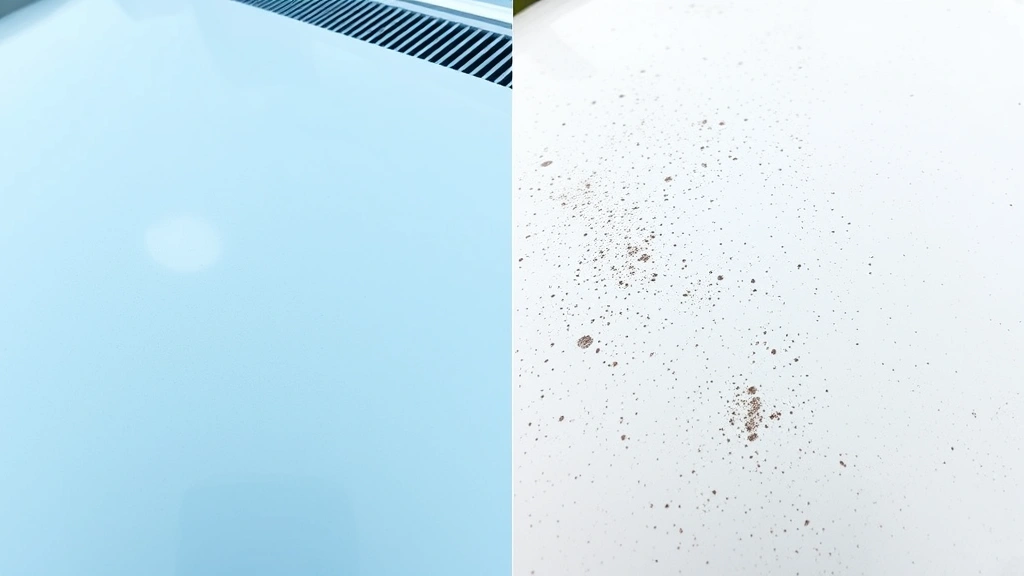
Acidic contaminants pose another serious challenge. Acid rain contains sulfuric and nitric acids that etch clear coats and expose underlying layers. Bird droppings, tree sap, and insect residue are surprisingly acidic and corrosive, capable of penetrating paint if left unattended for extended periods. Industrial fallout, including brake dust and airborne particles from manufacturing facilities, accumulates on paint surfaces and chemically bonds with the clear coat, creating permanent etching if not removed promptly.
Road salt, particularly in winter climates, accelerates corrosion by penetrating paint layers and initiating oxidation on metal surfaces. Moisture trapped beneath the paint creates ideal conditions for rust development. Extreme temperature fluctuations cause paint to expand and contract, potentially creating micro-cracks that allow contaminants to penetrate deeper. Even minor scratches and swirl marks from improper washing create pathways for moisture and chemicals to reach underlying layers.
The combination of these environmental factors explains why automotive paint protection isn’t optional for serious vehicle owners. Without adequate protection, even premium paint systems deteriorate noticeably within 3-5 years in harsh climates.
Chemical Composition and Safety Concerns
Modern automotive paints utilize sophisticated chemical formulations designed for durability and environmental compliance. The primary components include polyurethane resins, acrylic polymers, and epoxy bases that provide structural integrity. These are combined with pigments for color, UV inhibitors for sun protection, and various additives that enhance application properties and performance.
From a consumer safety perspective, automotive paint is largely non-toxic once fully cured. Manufacturers strictly adhere to EPA and VOC (Volatile Organic Compound) regulations, ensuring that emissions during application remain within safe limits. However, wet paint contains solvents and isocyanates that can cause respiratory irritation and skin sensitization, which is why professional application occurs in controlled facilities with proper ventilation and worker protection equipment.
The safety concern most relevant to vehicle owners involves the paint’s ability to protect underlying metal from corrosion. A compromised paint system allows moisture and oxygen to reach the steel substrate, initiating electrochemical corrosion that weakens structural integrity. This is why maintaining paint protection is a safety issue—severe rust can compromise structural components critical to vehicle safety.
Aftermarket paint protection products vary significantly in chemical composition. Some utilize nano-ceramic technology that bonds at a molecular level, creating a hardened protective layer. Others employ polymer-based sealants that sit atop the clear coat. Natural wax products provide traditional protection through hydrophobic properties. Understanding these distinctions helps you select appropriate protection methods aligned with your vehicle’s needs and climate conditions.
For detailed information on automotive safety standards and paint regulations, the National Highway Traffic Safety Administration provides comprehensive resources on vehicle protection and durability standards.
Professional Paint Protection Methods
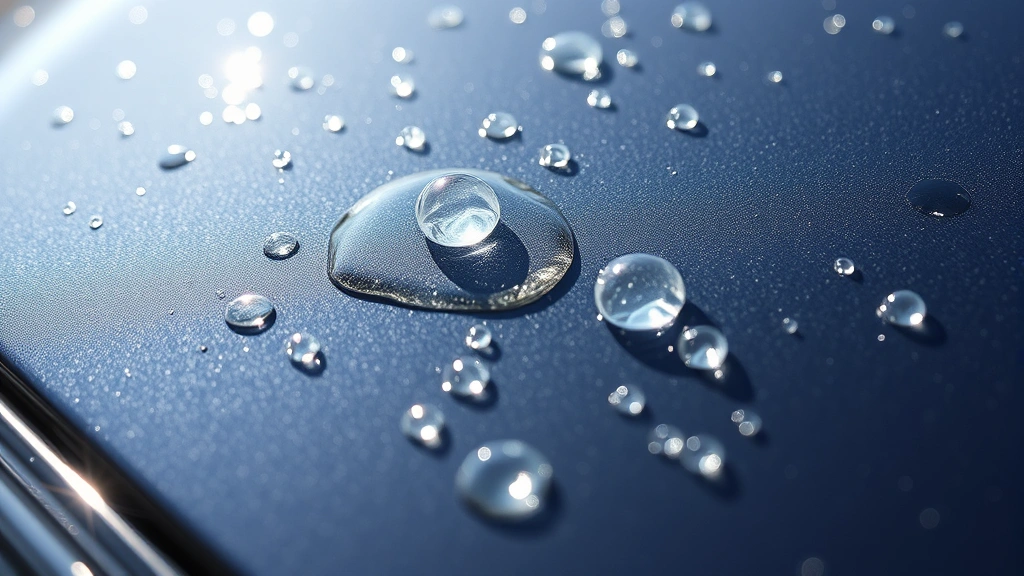
Ceramic coating represents the gold standard in professional paint protection. Applied by certified technicians, ceramic coatings create a chemical bond with the clear coat, forming a hardened protective layer that lasts 2-5 years or longer. These coatings offer exceptional hydrophobic properties, making water and contaminants bead off the surface. They provide superior UV protection, resist chemical etching, and significantly reduce swirl marks and scratches.
The application process requires meticulous surface preparation, including thorough washing, clay bar treatment, and paint correction to remove existing damage. Once properly applied, ceramic coatings deliver unmatched durability and appearance retention. Premium ceramic products incorporate silicon carbide nanoparticles that enhance hardness and chemical resistance beyond standard formulations.
Paint protection film (PPF), also called clear bra, offers physical protection by creating a sacrificial barrier over vulnerable areas. Self-healing PPF contains polymers that close minor scratches and abrasions, maintaining clarity and appearance. Professional installation ensures seamless coverage without visible edges or imperfections. PPF particularly benefits high-impact zones including the front bumper, hood, fenders, and door handles.
Some manufacturers now offer factory paint protection packages applied during production. These typically include enhanced clear coats with superior UV inhibitors and chemical resistance. Vehicles with factory protection still benefit from aftermarket ceramic coatings or PPF for additional defense against environmental hazards.
Professional detailing services provide paint correction before applying protective coatings. This process removes oxidation, swirl marks, and minor scratches, restoring paint depth and gloss. Machine polishing with progressive compounds and pads skillfully removes damaged clear coat layers while preserving overall paint thickness. Professional paint correction costs $500-$2,000 depending on damage severity but dramatically improves final results.
DIY Protection Strategies
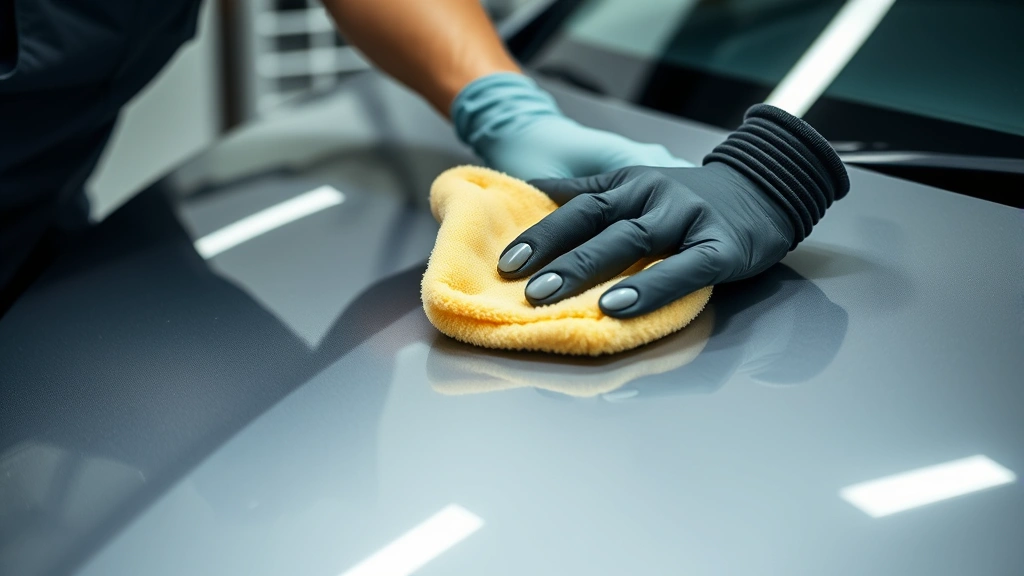
While professional solutions deliver superior results, dedicated DIY enthusiasts can implement effective automotive paint protection using quality products and proper techniques. The foundation of any protection strategy is regular washing with pH-neutral car wash soap, using the two-bucket method to minimize swirl marks. Microfiber wash mitts and soft drying towels prevent scratching that compromises protective coatings.
Synthetic wax products offer accessible protection for budget-conscious owners. Applied quarterly, synthetic wax creates a hydrophobic barrier that reduces water spotting and contaminant adhesion. While not as durable as ceramic coatings, quality synthetic wax provides 3-4 months of protection and costs significantly less than professional solutions. Paste wax requires more application effort but delivers excellent results for committed detailers.
Paint sealants occupy the middle ground between wax and ceramic coatings. These polymer-based products bond more effectively than wax, typically lasting 6-12 months. Application involves careful buffing and removal, but results justify the effort. Sealants work well for vehicles in moderate climates and provide good value for protection quality.
Clay bar treatment removes bonded contaminants that washing alone cannot eliminate. Used monthly or quarterly, clay bars safely lift embedded fallout, brake dust, and industrial particles without scratching when proper technique is followed. This maintenance step significantly extends the life of protective coatings and maintains paint smoothness.
Proper garage storage provides fundamental protection that shouldn’t be overlooked. Vehicles parked in climate-controlled environments experience less UV damage, moisture exposure, and temperature fluctuation stress. If garage storage isn’t available, high-quality car covers protect against UV radiation, bird droppings, and environmental contaminants, though proper cover selection prevents moisture trapping that encourages corrosion.
Maintenance Best Practices
Establishing consistent maintenance routines proves essential for maximizing paint longevity and protection effectiveness. Monthly washing with proper technique removes contaminants before they chemically bond with the clear coat. Rinse thoroughly before washing to avoid dragging abrasive particles across the surface. Use separate buckets for rinsing and washing to prevent contaminated water from re-depositing grit on your vehicle.
Immediate contaminant removal prevents permanent damage. Bird droppings, tree sap, and insect residue should be cleaned within hours of contact using appropriate products—never attempt removal with dry wiping, which scratches paint. Specialized solvents safely dissolve these acidic substances without harming underlying coatings.
Paint inspection every 3-6 months helps identify emerging issues before they become serious. Check for oxidation, water spotting, etching, and clear coat failure. Early intervention prevents expensive paint correction or repainting. Inspect areas where water naturally collects, such as trim lines and panel edges, where corrosion initiates.
Protect your vehicle from extreme weather conditions whenever possible. Prolonged exposure to intense sun, salt spray, and freezing temperatures accelerates paint degradation. Park in shade during peak UV hours and wash vehicles promptly after exposure to salt, acid rain, or industrial fallout. Winter vehicle maintenance includes frequent washing to remove road salt before it penetrates the paint system.
Avoid automated car washes with brush systems that create swirl marks and scratches. Touchless automated washes offer acceptable alternatives, though hand washing remains superior for paint preservation. Professional hand washing services cost modestly compared to paint correction required after brush damage.
When parking, select locations that minimize exposure to environmental hazards. Avoid parking under trees where bird droppings and sap fall. Position vehicles away from industrial areas where fallout accumulates. At home, covered parking significantly reduces UV exposure and environmental contamination.
For comprehensive automotive maintenance guidance, consult resources from the American Automobile Association, which provides detailed vehicle care recommendations and seasonal maintenance schedules.
FAQ
Is automotive paint toxic to vehicle occupants?
No. Once fully cured, automotive paint poses no toxicity risk to occupants. The solvents and chemicals used during manufacturing are volatile and dissipate during application and curing. Modern paints comply with EPA regulations limiting harmful emissions. Concerns about paint toxicity are unfounded for properly manufactured vehicles.
How long does automotive paint typically last without protection?
Factory clear coat alone typically maintains acceptable appearance for 3-5 years in moderate climates. In harsh environments with intense sun, salt exposure, or acid rain, degradation accelerates to 1-3 years. Professional protection extends this significantly—ceramic coatings can preserve paint quality for 5+ years even in challenging conditions.
Can ceramic coating damage my factory paint?
Quality ceramic coatings applied by certified professionals do not damage factory paint. Professional application requires thorough surface preparation but doesn’t remove excessive clear coat. However, improper application by untrained individuals could damage paint through aggressive polishing. Always use reputable professionals with proven track records.
What’s the best protection method for my climate?
Climate significantly influences optimal protection choices. In sunny climates, ceramic coatings provide superior UV protection. In coastal areas with salt exposure, paint protection film shields vulnerable areas from corrosion initiation. In moderate climates, quality synthetic wax offers excellent value. Consult local auto detailing professionals who understand regional environmental challenges.
How often should I reapply wax or sealant?
Synthetic wax requires reapplication every 3-4 months for consistent protection. Paint sealants last 6-12 months depending on product quality and climate. Ceramic coatings typically maintain effectiveness for 2-5 years, though annual maintenance applications enhance longevity. Monitor water beading behavior—when water no longer beads on your paint, reapplication is due.
Does paint protection affect my vehicle’s appearance?
Quality ceramic coatings actually enhance appearance by deepening color saturation and gloss while maintaining clarity. Paint protection film remains invisible when properly installed. Wax and sealants may slightly alter appearance depending on application thickness, but professional application ensures natural-looking results that enhance rather than diminish your vehicle’s aesthetic.


