Is Your Car Safe? The Complete Automotive Paint Protection Film Guide
Your vehicle’s paint is under constant assault. Every day, it faces threats from UV radiation, bird droppings, tree sap, road salt, and microscopic contaminants that can permanently damage its appearance and value. Paint protection film (PPF) has emerged as one of the most effective defensive solutions available to car owners who want to preserve their investment. But with numerous options, installation methods, and quality levels on the market, understanding whether PPF is right for your vehicle requires careful consideration of multiple factors.
This comprehensive guide explores the world of automotive paint protection film, examining how it works, what benefits it provides, potential drawbacks, installation processes, and whether it’s truly worth the investment. Whether you drive a luxury vehicle worth six figures or a practical daily commuter, the principles of paint protection remain consistent: shield your car’s exterior from damage, maintain its resale value, and keep it looking showroom-fresh for years to come.
What Is Automotive Paint Protection Film?
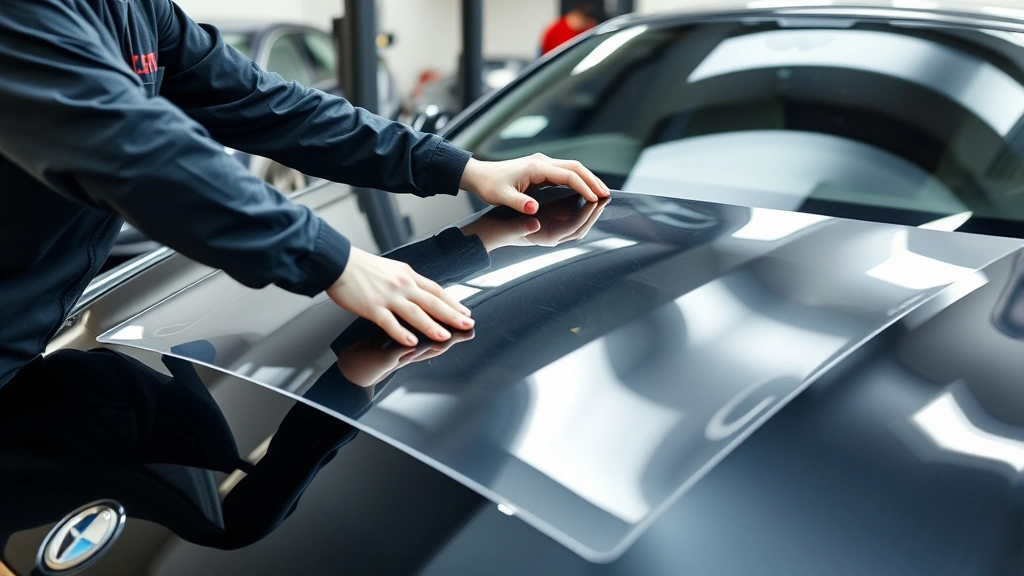
Paint protection film, commonly known as PPF or clear bra, is a transparent thermoplastic urethane (TPU) film applied to your vehicle’s exterior surfaces. This ultra-thin protective layer acts as a sacrificial barrier between your car’s factory paint and the harsh elements it encounters daily. The film is nearly invisible when properly installed, preserving your vehicle’s original color and finish while providing comprehensive damage protection.
The technology behind PPF isn’t new—it was originally developed for military aircraft to protect against shrapnel and abrasion damage. Automotive manufacturers eventually adapted this innovation for consumer vehicles, and today’s formulations have become incredibly sophisticated. Modern paint protection films are engineered with advanced adhesive systems, self-healing capabilities, and UV-resistant properties that weren’t available in earlier generations.
Unlike traditional waxes or ceramic coatings that sit on top of your paint, PPF is a physical barrier that absorbs impact energy and prevents contaminants from reaching the underlying clear coat. This fundamental difference in approach makes PPF one of the most effective protective solutions available for high-value vehicles and those exposed to harsh driving conditions.
How Paint Protection Film Works
Understanding the mechanics of paint protection film helps explain why it’s so effective. PPF operates through multiple protective mechanisms working simultaneously. The film’s elastomeric properties allow it to absorb impact from road debris, small rocks, and other projectiles without transferring the full force of that impact to your paint underneath.
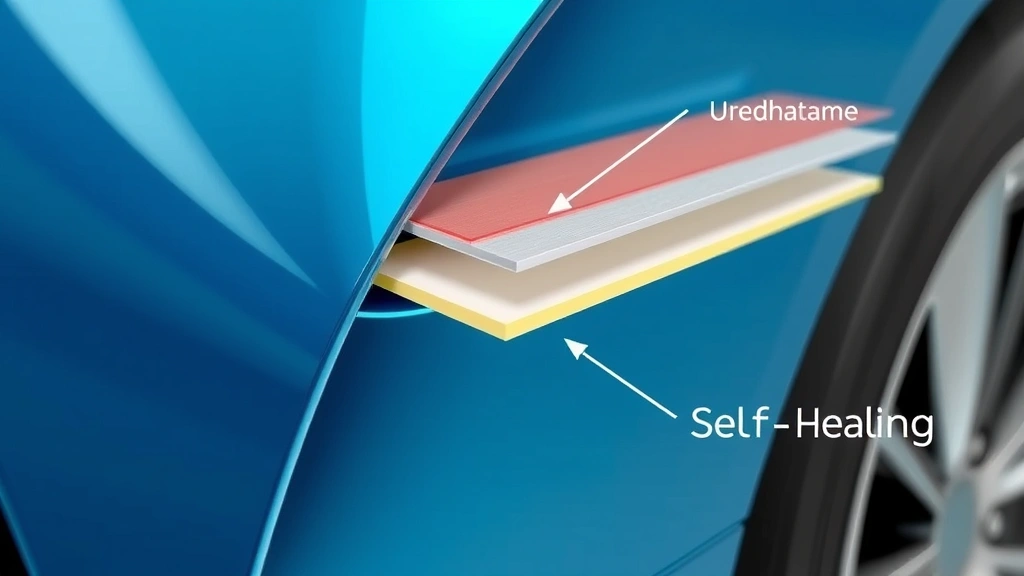
The adhesive layer bonds the film to your vehicle’s clear coat, creating a unified protective system. When minor scratches or abrasions occur on the film’s surface, the self-healing properties of modern PPF formulations allow the material to recover from damage. This self-healing typically occurs when the film is exposed to heat from direct sunlight or warm water, with microscopic scratches disappearing as the urethane material naturally relaxes back to its original state.
The film also provides a chemical barrier against environmental contaminants. Tree sap, bird droppings, industrial fallout, and road salt cannot penetrate through properly installed PPF to reach your paint. UV inhibitors built into the film’s composition prevent both the film itself and the paint beneath from experiencing UV damage and oxidation. This is particularly important in regions with intense sun exposure where UV damage can significantly degrade paint clarity and color.
Types and Grades of PPF
Not all paint protection films are created equal. The market offers several distinct categories, each with different performance characteristics, price points, and aesthetic properties. Understanding these differences helps you make an informed decision aligned with your vehicle and budget.
Self-Healing Films represent the premium tier of paint protection technology. These formulations use advanced urethane chemistry that allows the material to repair minor scratches and swirl marks automatically when exposed to heat. Self-healing PPF provides superior appearance retention and protection against light scratching from automatic car washes and normal handling.
Standard Clear Films offer solid protection without self-healing capabilities. These films are more affordable and provide excellent protection against rock chips, road salt, and UV damage. They’re durable and effective, though they may show minor scratches over time that don’t disappear on their own.
Matte Finish Films have gained popularity among vehicle enthusiasts who prefer a non-glossy aesthetic. These films reduce light reflection and provide a more subdued appearance while maintaining all protective qualities of standard PPF. Matte films require specific maintenance protocols and may show water spots more readily than glossy alternatives.
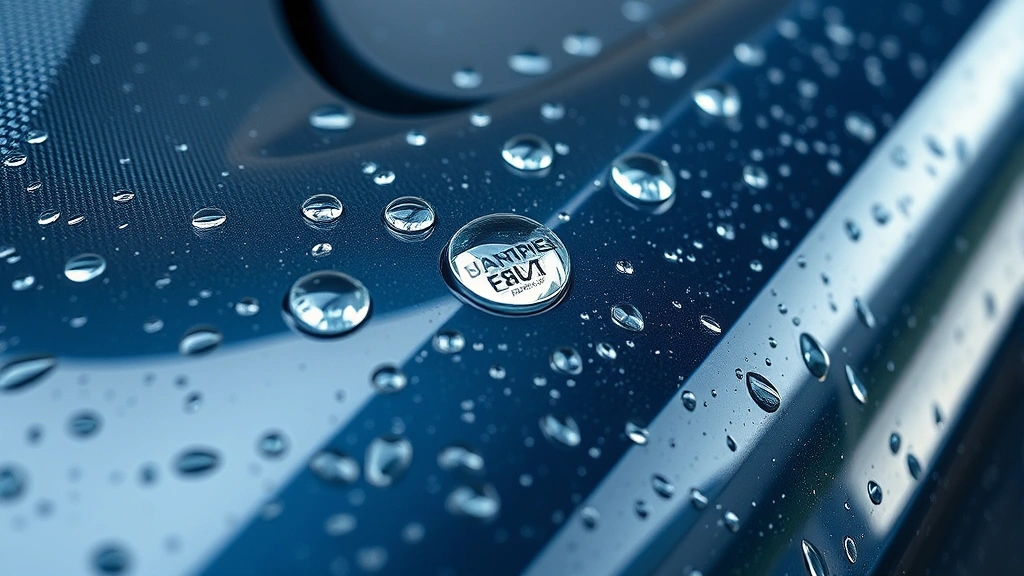
Hydrophobic Films incorporate water-repellent properties that cause water to bead and roll off the surface, reducing water spotting and making maintenance easier. These premium formulations often command higher prices but provide noticeable improvements in appearance between cleanings.
Benefits of Paint Protection Film
The advantages of installing quality paint protection film extend far beyond simple aesthetics. When properly applied by skilled technicians, PPF delivers comprehensive protection that justifies the investment for most vehicle owners.
Rock Chip Prevention represents perhaps the most obvious benefit. Paint protection film absorbs impacts from road debris that would otherwise create permanent chips in your clear coat. Anyone who has experienced the frustration of new rock chips appearing regularly will appreciate this protection, particularly for those who frequently drive on highways or gravel roads.
Chemical Resistance protects your paint from damage caused by environmental contaminants. Tree sap, bird droppings, industrial fallout, and road salt can etch and damage paint if left untreated. PPF prevents these substances from reaching your clear coat, and the film itself is far easier to clean than damaged paint would be.
UV Protection prevents the sun’s ultraviolet radiation from degrading your paint’s color and clarity. Vehicles parked in sunny climates experience significant UV damage over time, with paint becoming dull, faded, and oxidized. Paint protection film with UV inhibitors maintains your vehicle’s appearance far longer than unprotected paint.
Resale Value Preservation is a significant financial benefit often overlooked by vehicle owners. A well-maintained exterior with minimal damage commands higher resale prices. PPF helps preserve your vehicle’s appearance, making it more attractive to potential buyers and justifying a higher asking price at trade-in or private sale.
Improved Gloss and Clarity can actually result from quality PPF installation. Premium self-healing films with hydrophobic properties often enhance the appearance of your paint, making colors appear more vibrant and rich. The film acts as a protective clear coat, sometimes improving the overall finish compared to paint alone.
Installation Process and Professional Application
Paint protection film installation is a specialized skill that requires training, experience, and attention to detail. The process is far more complex than simply applying a sticker to your vehicle, and the quality of installation directly impacts the film’s performance and longevity.
The installation process begins with thorough vehicle preparation. Technicians wash and decontaminate the entire surface to remove dirt, dust, and chemical residue. Any existing paint imperfections, swirl marks, or minor scratches should be addressed before film application—PPF will preserve whatever condition your paint is in at the time of installation.
Professional installers use precise measurement and cutting techniques to create custom-fitted pieces for each panel. Advanced shops utilize computer-aided design and cutting systems that ensure perfect fitment with minimal waste. The film is then carefully applied using a specialized slip solution that allows for repositioning before the adhesive fully sets.
Proper squeegee technique is critical during application. Technicians must remove all air bubbles and excess solution while avoiding damage to the film’s surface. This labor-intensive process explains why professional installation costs significantly more than DIY alternatives—experienced technicians command premium prices because they deliver superior results and warranty coverage.
After installation, the vehicle requires curing time before exposure to moisture or harsh conditions. Most shops recommend 24-48 hours of curing before washing or heavy use. Proper curing allows the adhesive to fully bond with your paint and ensures maximum durability and longevity.
Maintenance and Longevity
Paint protection film requires minimal maintenance compared to unprotected paint, but proper care maximizes its lifespan and appearance. Understanding maintenance requirements helps you get the most value from your investment.
Washing Recommendations for PPF-protected vehicles are straightforward. Use gentle washing techniques with soft microfiber mitts and pH-neutral car wash soap. Avoid aggressive automatic car washes with rotating brushes, which can damage the film edges. Hand washing or touchless automatic washes are ideal for maintaining PPF in pristine condition.
Ceramic Coating Compatibility is important to understand. Many shop owners recommend applying ceramic coating over paint protection film to enhance hydrophobic properties and simplify maintenance. High-quality ceramic coatings bond well to PPF and provide additional protection against environmental contaminants without compromising the film’s performance.
Expected Lifespan varies depending on film quality, installation, and environmental exposure. Premium self-healing films with proper installation typically last 7-10 years, with some high-end products warranted for even longer. Standard PPF may last 5-7 years before requiring replacement. Factors like intense UV exposure, harsh weather, and aggressive driving conditions can reduce lifespan, while careful maintenance extends it.
Edge Peeling Prevention requires attention to maintenance practices. Film edges are the most vulnerable areas, and improper washing or exposure to extreme heat can cause premature peeling. Keeping edges sealed and avoiding pressure washers directly on film edges helps prevent this common issue.
Cost Analysis and ROI
Paint protection film represents a significant investment, with costs varying dramatically based on coverage area, film quality, and regional labor rates. Understanding the financial aspects helps determine whether PPF is economically justified for your vehicle.
Full-Body Coverage typically costs $2,000-$8,000+ depending on vehicle size and film quality. Luxury vehicles with complex curves and large surface areas command premium prices, while smaller vehicles cost less. High-end self-healing films with hydrophobic properties cost substantially more than basic protective films, but the enhanced performance often justifies the premium.
Partial Coverage Options provide more affordable protection for specific high-risk areas. Front bumpers, hoods, fenders, and mirror covers cost $500-$1,500 depending on vehicle and film quality. This targeted approach protects the most vulnerable areas while minimizing cost, making it an excellent option for budget-conscious vehicle owners.
Return on Investment calculations should consider multiple factors. A vehicle that maintains its appearance and condition commands higher resale value, potentially recovering 50-100% of PPF investment at trade-in or private sale. Beyond financial ROI, the peace of mind from knowing your vehicle is protected from damage provides significant intangible value that many owners find worth the expense.
Common Myths About Paint Protection
Misconceptions about paint protection film often prevent vehicle owners from making informed decisions. Addressing these myths helps clarify what PPF can and cannot accomplish.
Myth 1: PPF Makes Your Paint Invisible – While quality films are nearly transparent, they don’t make your car invisible or unnoticeable. The film is visible under certain lighting angles, particularly on glossy surfaces. Premium films minimize this visibility, but expecting complete invisibility sets unrealistic expectations.
Myth 2: PPF Never Needs Maintenance – While PPF requires far less maintenance than unprotected paint, regular washing and occasional professional detailing keep it in optimal condition. Neglecting maintenance allows contaminants to accumulate and can shorten the film’s lifespan.
Myth 3: DIY Installation Equals Professional Results – Paint protection film installation is technically challenging and requires specialized tools, experience, and skill. DIY installations frequently result in visible edges, air bubbles, and premature failure. Professional installation costs more but delivers superior results and warranty coverage.
Myth 4: PPF Protects Against All Damage – While PPF provides comprehensive protection against many threats, it cannot prevent all damage. Severe impacts, deep scratches, and major accidents can still damage paint beneath the film. PPF significantly reduces damage risk rather than eliminating it entirely.
Myth 5: All PPF Products Are Identical – Film quality varies dramatically between manufacturers and product lines. Premium self-healing films with advanced adhesives perform far better than budget alternatives. Choosing quality products from reputable manufacturers ensures superior protection and longevity.
” alt=”Professional paint protection film installation on luxury vehicle exterior” style=”max-width: 100%; height: auto;”>
Choosing the Right Paint Protection Solution
Selecting the optimal paint protection strategy requires evaluating your vehicle’s value, driving conditions, climate, and budget. Different vehicles and situations call for different approaches to protection.
High-Value Vehicles justify comprehensive full-body paint protection film coverage. Luxury vehicles, sports cars, and recently purchased models benefit significantly from maximum protection. The cost of PPF represents a small percentage of these vehicles’ total value, making it economically sensible to invest in premium protection.
Daily Drivers in Harsh Climates should prioritize protecting high-impact areas like front bumpers, hoods, and fenders. Vehicles frequently exposed to road salt, intense UV radiation, or heavy road debris benefit from targeted PPF coverage on vulnerable areas. This approach provides substantial protection while managing costs effectively.
Leased Vehicles
Combining Protection Methods
Professional Installation Considerations
Selecting a qualified paint protection film installer is crucial to achieving optimal results. Not all shops offer equivalent quality, and choosing the wrong installer can result in disappointing outcomes and wasted investment.
Certifications and Experience indicate installer competency. Technicians certified by major film manufacturers like XPEL or 3M have undergone formal training and demonstrated proficiency. Ask about technician certifications and years of installation experience before committing to a shop.
Warranty Coverage protects your investment against premature failure or installation defects. Reputable shops back their work with comprehensive warranties covering adhesion failure, yellowing, and defects for 5-10 years. Understanding warranty terms and conditions ensures you know what protection you’re receiving.
Facility Cleanliness directly impacts installation quality. Dust and contaminants introduced during installation create visible defects and compromise adhesion. Tour the installation facility and observe cleanliness standards before selecting a shop. Dedicated PPF installation bays with climate control and air filtration produce superior results.
Portfolio Review allows you to assess installer quality through previous work. Ask to see photos of completed installations, particularly on vehicles similar to yours. Pay attention to edge quality, fit precision, and overall appearance. A shop proud of their work readily provides extensive before-and-after galleries.
Consulting trusted automotive forums and online reviews provides additional perspective on shop reputation. Look for consistent feedback about quality, professionalism, and customer service. A shop with numerous five-star reviews and detailed positive feedback likely delivers reliable results.
Environmental and Practical Considerations
Beyond personal benefits, paint protection film offers advantages that extend to environmental and practical concerns worth considering.
Reduced Paint Damage means fewer repaints and touch-ups over your vehicle’s lifetime. This environmental benefit reduces the need for paint manufacturing and application, minimizing the automotive industry’s environmental footprint. Vehicles with well-maintained paint require fewer refinishing procedures, supporting sustainability goals.
Extended Vehicle Lifespan is facilitated by comprehensive exterior protection. Vehicles that maintain excellent condition remain on the road longer before being scrapped, extending their useful life. This longevity reduces the need for new vehicle manufacturing and the associated environmental impact of production.
Resale and Donation Value preservation means your vehicle has greater utility throughout its lifecycle. Whether you trade it in, sell it privately, or donate it, a well-preserved vehicle provides more value to subsequent owners. This extended utility justifies PPF investment from both financial and environmental perspectives.
Paint protection film represents a practical, effective solution for vehicle owners serious about preservation. Whether you prioritize financial investment protection, aesthetic perfection, or practical damage prevention, PPF delivers measurable benefits that justify the cost for most vehicle owners, particularly those with newer, higher-value vehicles or those operating in harsh driving environments.
” alt=”Close-up detail of automotive paint protection film showing self-healing properties and clarity” style=”max-width: 100%; height: auto;”>
Frequently Asked Questions
How long does paint protection film last?
Premium self-healing paint protection films typically last 7-10 years with proper maintenance, while standard films may last 5-7 years. Longevity depends on film quality, installation expertise, environmental exposure, and maintenance practices. Harsh UV exposure and extreme weather conditions can reduce lifespan, while careful maintenance extends it.
Can paint protection film be removed without damaging paint?
Professional removal of properly installed PPF should not damage your paint. Experienced technicians use heat and specialized tools to carefully lift film edges and gradually remove the entire application. However, improper removal attempts can damage clear coat, so professional removal is always recommended.
Does paint protection film yellow over time?
Quality PPF from reputable manufacturers includes UV inhibitors that prevent yellowing for many years. However, budget films or those exposed to extreme UV conditions may eventually yellow. Premium self-healing films with advanced formulations resist yellowing far better than basic protective films, justifying their higher cost.
Can I apply ceramic coating over paint protection film?
Yes, ceramic coatings bond well to paint protection film and provide additional hydrophobic properties and environmental protection. Many installers recommend applying ceramic coating over PPF to enhance maintenance ease and appearance. Ensure the ceramic coating product is compatible with your specific PPF brand.
Is paint protection film worth the investment?
For high-value vehicles, frequent highway drivers, and those in harsh climates, paint protection film provides excellent return on investment through damage prevention and resale value preservation. For vehicles in protected environments or with limited driving, targeted coverage of high-impact areas offers cost-effective protection without full-body investment.
What areas should I prioritize for paint protection film?
High-impact areas including front bumpers, hoods, fenders, side mirrors, and door handles experience the most damage. These vulnerable zones should be prioritized if budget constraints prevent full-body coverage. Adding rocker panels and trunk edges provides comprehensive protection for vehicles frequently exposed to road debris.
How do I maintain paint protection film?
Wash your PPF-protected vehicle regularly using gentle techniques with soft microfiber mitts and pH-neutral car wash soap. Avoid aggressive automatic car washes and pressure washers directed at film edges. Periodic professional detailing and ceramic coating maintenance keep your PPF in optimal condition and extend its lifespan.


