
How Secure is Atlanta Airport? Expert Insights on TSA and Cybersecurity Measures
Hartsfield-Jackson Atlanta International Airport (ATL) stands as one of the world’s busiest aviation hubs, processing millions of passengers annually while maintaining complex security infrastructure. Understanding the multifaceted security landscape at Atlanta Airport requires examining both physical security protocols and increasingly critical cybersecurity systems that protect traveler data and airport operations. This comprehensive guide explores the expert insights into airport security measures, vulnerabilities, and the evolving threat landscape.
Atlanta Airport security encompasses traditional Transportation Security Administration (TSA) screening procedures alongside sophisticated digital infrastructure protecting baggage systems, access controls, and passenger information databases. The intersection of physical and cyber security creates a dynamic environment where both traditional and emerging threats must be simultaneously managed. Security experts consistently emphasize that modern airport security is only as strong as its weakest digital link.
TSA Screening and Physical Security Infrastructure
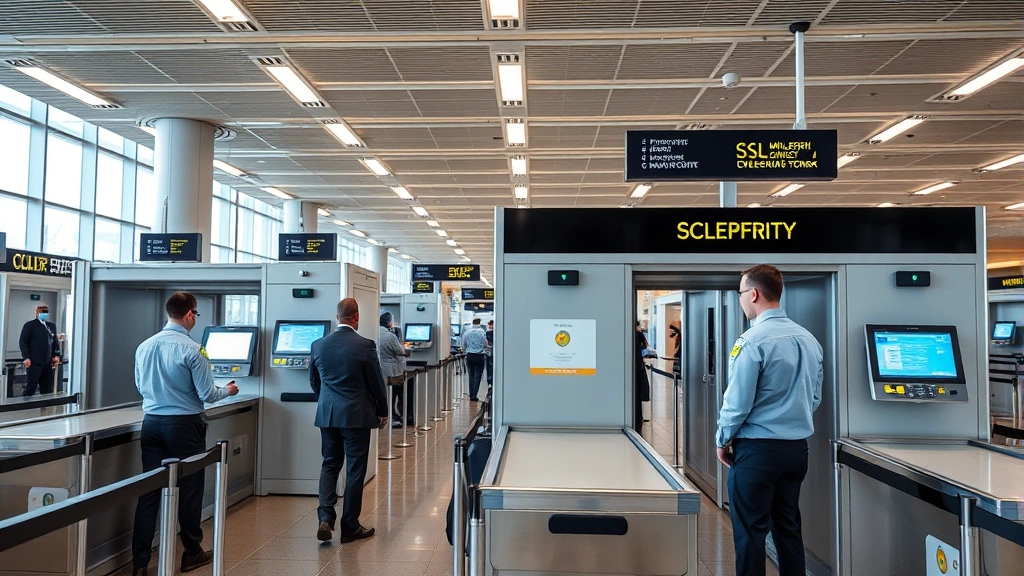
The TSA operates standardized screening procedures at Atlanta Airport utilizing advanced imaging technology, metal detection systems, and behavioral analysis techniques. Trained security officers conduct millions of passenger screenings annually using equipment that has evolved significantly since implementation of modern aviation security protocols. These systems represent substantial investments in public safety infrastructure, though security researchers continue identifying areas for optimization.
Atlanta Airport’s physical security perimeter includes multiple layers of access control, surveillance systems, and personnel screening protocols. The airport manages approximately 110,000 employees across various organizations, creating significant operational complexity in maintaining secure access to restricted areas. Badge systems, biometric verification, and regular security audits form the foundation of employee access management. However, the sheer scale of daily operations creates inherent challenges in preventing unauthorized access attempts.
Advanced imaging technology deployed at TSA checkpoints includes millimeter wave scanners and computed tomography (CT) systems. These technologies represent substantial improvements over previous generation equipment, enabling detection of prohibited items with greater accuracy. Yet security experts note that determined adversaries continuously adapt concealment methods, requiring continuous evolution of detection capabilities. The balance between security effectiveness and passenger throughput remains an ongoing challenge for airport administrators.
Cybersecurity Vulnerabilities in Airport Systems
Modern airports operate extensive networked systems controlling baggage handling, air traffic communication, access management, and passenger processing. These interconnected systems create expanding cybersecurity challenges that frequently receive less public attention than physical security measures. CISA provides comprehensive guidance on airport cybersecurity, recognizing that digital threats pose substantial risks to operational continuity and passenger safety.
Atlanta Airport’s operational technology (OT) infrastructure includes legacy systems integrated alongside newer digital platforms, creating complexity in security implementation. Legacy baggage handling systems, for instance, may lack modern encryption standards or security patching capabilities. Integration between these systems and newer passenger processing platforms creates potential attack vectors that security teams must continuously monitor and remediate. The challenge intensifies as airports adopt Internet of Things (IoT) devices for operational monitoring without always implementing robust security frameworks.
Ransomware attacks targeting airport systems have increased significantly in recent years. These attacks disrupt baggage systems, flight information displays, and passenger services, causing operational chaos while criminals demand payment. Notable airport ransomware incidents have demonstrated that even sophisticated facilities face substantial vulnerability. Atlanta Airport’s critical infrastructure status makes it a potential target for both financially motivated cybercriminals and state-sponsored threat actors seeking to demonstrate capability or extract strategic advantage.
Network segmentation represents a critical control that many airports, including Atlanta, continue strengthening. Proper segmentation isolates critical operational systems from public-facing networks, limiting lateral movement if attackers breach external systems. However, operational requirements sometimes necessitate integration between systems that ideally would remain isolated, creating security tensions that require careful management and continuous monitoring.
Data Protection and Passenger Information Security
Passenger data represents valuable information that airports collect throughout the journey lifecycle. Personal identification information, payment data, biometric information, and travel patterns collectively create detailed profiles that cybercriminals actively target. Atlanta Airport handles personal information from millions of international travelers annually, making data protection a paramount security concern.
The airport processes sensitive personally identifiable information (PII) including passport numbers, visa information, credit card details, and biometric data. Regulatory frameworks including the NIST Cybersecurity Framework provide guidance for protecting such information, though compliance remains challenging across complex airport environments. Data breach incidents at transportation facilities have exposed millions of passenger records, demonstrating that even well-resourced organizations struggle with comprehensive data protection.
Third-party vendor relationships introduce additional data security considerations. Atlanta Airport contracts with numerous service providers including ground handlers, food vendors, retail operators, and technology vendors. Each relationship creates potential data access points that require security vetting and ongoing monitoring. Supply chain security lapses have historically enabled attackers to compromise larger organizations through less-secure vendor connections.
Encryption standards protecting data in transit and at rest require continuous updating as cryptographic capabilities advance. Legacy systems at Atlanta Airport may utilize outdated encryption standards that security researchers have identified as potentially vulnerable to advanced computing approaches. Updating encryption across complex airport infrastructure requires substantial planning and investment while maintaining operational continuity.
Access Control and Biometric Systems
Biometric systems including facial recognition, fingerprint scanning, and iris recognition represent increasingly common security measures at modern airports. Atlanta Airport has implemented facial recognition technology at certain checkpoints and gates, enabling faster passenger processing while creating privacy and security considerations. These systems require careful implementation to balance operational efficiency with accuracy and security objectives.
Facial recognition systems depend on accurate enrollment and verification processes. Spoofing attacks using photographs, masks, or deepfake technology represent emerging threats that security teams must address. DHS has published guidance on countering deepfake technologies, acknowledging that biometric systems require multi-factor approaches to prevent sophisticated spoofing attempts.
Badge and credential systems controlling access to restricted areas require robust identity verification and continuous audit. Atlanta Airport implements multiple credential types serving different functional areas, creating complexity in ensuring that only authorized personnel access restricted zones. Lost or stolen credentials represent persistent security challenges, requiring rapid revocation and replacement procedures that occasionally face delays.
Integration between access control systems and security monitoring creates visibility into personnel movement patterns. Anomalous access patterns may indicate unauthorized activity, though distinguishing legitimate operational variation from suspicious behavior requires sophisticated analytics. Security teams at Atlanta Airport utilize access logs to investigate incidents and identify potential compromises, though data volume and operational complexity sometimes limit real-time detection capabilities.
Incident Response and Security Protocols
Atlanta Airport maintains incident response procedures addressing both physical security events and cybersecurity incidents. These procedures require coordination across multiple agencies including TSA, airport security personnel, local law enforcement, and federal agencies. Clear communication protocols and regular training ensure that security teams can respond effectively to diverse threat scenarios.
The airport participates in critical infrastructure security initiatives coordinated through CISA, receiving threat intelligence and guidance on emerging vulnerabilities. Information sharing between airports, TSA, and federal agencies enables collective defense against threats that individual facilities might struggle addressing independently. Atlanta Airport’s status as a major international hub provides access to enhanced intelligence resources.
Cybersecurity incident response procedures must address rapid detection, containment, and recovery of compromised systems. Atlanta Airport has experienced operational disruptions from technical incidents, though attribution between accidental failures and deliberate attacks sometimes remains unclear. Developing forensic capabilities enabling rapid incident analysis and root cause determination remains a priority for airport security teams.
Business continuity planning ensures that critical airport functions can continue during security incidents or system failures. Backup systems, redundant communications, and manual procedures provide contingency options when primary systems become unavailable. However, the complexity of modern airport operations makes complete redundancy impractical, requiring prioritization of critical functions and acceptance of some operational degradation during major incidents.
Expert Recommendations for Enhanced Security
Security experts consistently recommend that Atlanta Airport and similar facilities strengthen cyber-physical integration in security planning. Treating cybersecurity as a foundational element of overall security strategy, rather than an isolated technical concern, enables more comprehensive risk management. This requires security leadership understanding both physical and cyber threat landscapes.
Investment in security awareness training for all airport personnel, including contractors and temporary staff, represents a high-impact recommendation. Human factors remain critical in security effectiveness, as employees represent both potential vulnerabilities and essential security resources. Regular training on phishing, social engineering, and security protocols improves overall security posture significantly.
Implementing zero-trust security architecture across airport systems represents an emerging best practice. This approach assumes that threats may exist both outside and inside network perimeters, requiring continuous verification of all access attempts. Zero-trust implementation requires substantial infrastructure changes but provides enhanced protection against insider threats and compromised credentials.
Regular third-party security assessments and penetration testing help identify vulnerabilities before attackers discover them. Independent security researchers conducting authorized testing can reveal weaknesses in both physical security and cybersecurity controls. Atlanta Airport should ensure that assessment findings receive executive attention and adequate resource allocation for remediation.
Adopting advanced threat detection and response capabilities enables faster identification of security incidents. Security Information and Event Management (SIEM) systems, endpoint detection and response (EDR) tools, and security orchestration platforms provide visibility into suspicious activities across airport infrastructure. Investment in skilled security analysts to interpret alerts and investigate incidents maximizes the value of detection technologies.

Collaboration with academic institutions and security research organizations can accelerate innovation in airport security. Universities and research organizations often develop emerging security technologies that airports can pilot and evaluate. These partnerships also contribute to workforce development, ensuring that future security professionals have appropriate training and credentials.
Regulatory compliance with TSA, FAA, and other federal agency requirements provides baseline security standards, though exceeding minimum compliance represents a security best practice. Atlanta Airport’s leadership can differentiate through proactive security investment and innovation, positioning the facility as a security leader within the aviation industry.
FAQ
How does TSA screening at Atlanta Airport compare to other major airports?
Atlanta Airport implements standardized TSA procedures comparable to other major U.S. airports, utilizing similar advanced imaging technology and screening protocols. However, operational variations exist based on facility layout, traffic volume, and local security considerations. The TSA website provides detailed information on screening procedures applicable across all domestic airports.
What cybersecurity threats specifically target airports?
Airports face diverse cyber threats including ransomware attacks disrupting operational systems, data theft targeting passenger information, denial-of-service attacks affecting public systems, and espionage activities from state-sponsored actors. Insider threats from employees with system access represent particularly concerning vulnerabilities.
How frequently does Atlanta Airport conduct security assessments?
Atlanta Airport conducts regular security assessments as required by TSA and FAA regulations, typically including annual comprehensive reviews and more frequent targeted assessments. However, public disclosure of specific assessment schedules and findings remains limited for security reasons.
Can passengers verify that their personal data is secure at Atlanta Airport?
Passengers can review privacy policies available on the airport website and contact airport administration with specific questions about data handling procedures. Requesting documentation of data security practices represents a reasonable passenger action, though detailed security procedures remain confidential.
What should travelers do if they observe suspicious activity at Atlanta Airport?
Travelers should report suspicious observations to TSA officers, airport security personnel, or law enforcement officials present at the airport. The TSA provides guidance on reporting security concerns through official channels.
How does Atlanta Airport protect against insider threats?
Insider threat mitigation includes personnel screening during hiring, background investigations, security training, access control restrictions based on job functions, and monitoring of unusual access patterns. However, completely eliminating insider threat risk remains impossible given the number of employees with system access.


