
Army Cyber Security Roles: Insider Insights into Military MOS Careers
The United States Army has transformed into a digitally-driven force, making cybersecurity one of the most critical and rapidly expanding career fields within military operations. Army cyber security MOS (Military Occupational Specialty) positions represent the frontline defense against increasingly sophisticated threats targeting military networks, infrastructure, and classified information. These specialized roles demand exceptional technical expertise, security clearances, and unwavering commitment to protecting national security.
Understanding the landscape of Army cyber security careers requires examining the specific roles, training requirements, advancement opportunities, and real-world impact these professionals have on military operations. Whether you’re considering military service or seeking to understand the backbone of military cybersecurity defense, this comprehensive guide provides insider perspectives on what makes these positions essential to national defense.
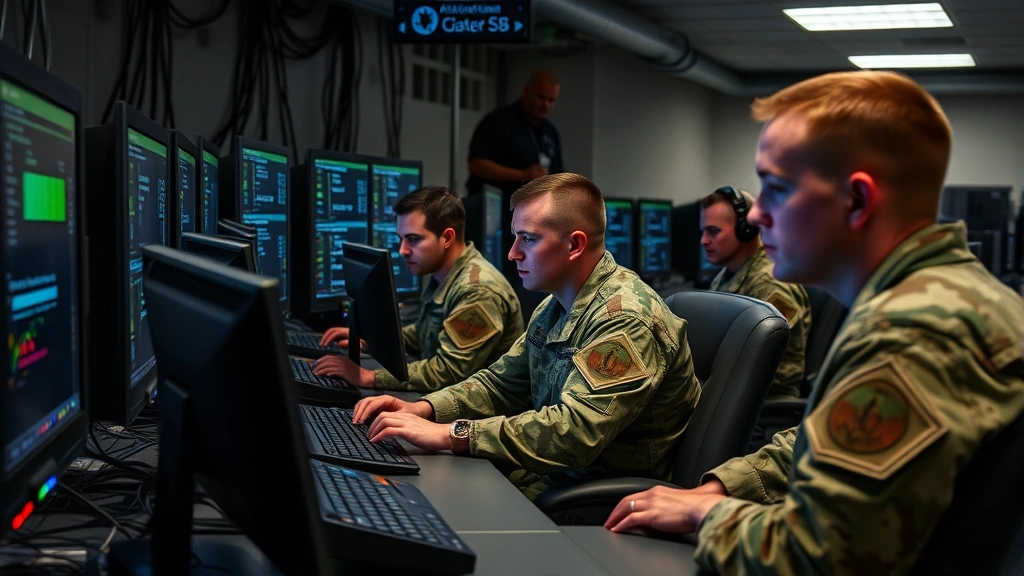
Understanding Army Cyber Security MOS Positions
The Army’s cyber security MOS framework has evolved dramatically over the past decade, reflecting the growing sophistication of cyber threats targeting military infrastructure. The primary cyber security roles fall under specific MOS codes that designate soldiers’ expertise levels and specialization areas. These positions are not entry-level assignments; they require demonstrated technical competency and often prerequisites in related fields.
Army cyber security professionals operate within an increasingly complex threat landscape where adversaries employ advanced persistent threats (APTs), zero-day exploits, and sophisticated social engineering campaigns. The military recognizes that protecting critical infrastructure requires personnel who understand both defensive and offensive cybersecurity principles. This dual-focus approach ensures soldiers can identify vulnerabilities, respond to incidents, and contribute to the Army’s offensive cyber capabilities when authorized.
The significance of these roles extends beyond individual units. Army cyber professionals work within the Cyber Center of Excellence and collaborate with the U.S. Cyber Command (USCYBERCOM) to develop doctrine, training standards, and operational capabilities. Understanding CISA cybersecurity guidelines becomes essential as Army standards often align with or exceed civilian sector best practices.

Core Cyber Security Roles in the Military
25D – Cyber Operations Specialist represents the foundational cyber security MOS in the Army. These soldiers operate and maintain information security systems, monitor networks for unauthorized access, and respond to security incidents. They work with firewalls, intrusion detection systems, and encryption technologies while maintaining compliance with Department of Defense security protocols.
The 25D role requires soldiers to understand network architecture, common attack vectors, and defensive countermeasures. These professionals often serve as the first line of defense, identifying suspicious activities and escalating potential threats to senior analysts. Many 25D soldiers progress into more specialized roles after gaining experience and completing advanced certifications.
25B – Information Technology Specialist positions provide foundational IT support with cybersecurity components. While broader than dedicated cyber roles, 25B soldiers develop critical skills in system administration, network management, and basic security protocols. Many use this MOS as a stepping stone toward more specialized cyber positions, gaining technical knowledge and security clearances essential for advancement.
35Q – Cyber Operations Officer represents the commissioned officer equivalent of cyber specialists. These officers develop strategy, oversee cyber operations, and make critical decisions regarding military cyber activities. They typically hold advanced degrees and possess extensive technical background before commissioning, making this one of the most competitive and prestigious cyber roles in the Army.
Other critical positions include 25S – Satellite Communication Systems Operator-Maintainer, which involves securing satellite communications networks, and specialized intelligence roles that focus on cyber threat analysis. Each position contributes uniquely to the Army’s comprehensive cybersecurity posture.
The Army also recognizes emerging cyber roles that address rapidly evolving threats. Positions focusing on cloud security, artificial intelligence security, and industrial control system protection represent the frontier of military cyber defense. These roles often develop within specific commands before becoming formalized MOS designations, allowing the Army to adapt quickly to new threat environments.
Training and Certification Requirements
Army cyber security MOS training begins at the Cyber Center of Excellence at Fort Cavazos, Texas. Initial entry training for 25D positions covers foundational concepts including network security, cryptography, threat analysis, and incident response procedures. The curriculum emphasizes hands-on experience with actual systems and realistic attack scenarios, preparing soldiers for operational environments.
Beyond initial training, the Army mandates continuous professional development. Soldiers pursuing cyber specialization must maintain current certifications including Security+, which validates foundational cybersecurity knowledge across defensive and offensive domains. Many soldiers progress to Certified Ethical Hacker (CEH) or CISSP certifications, which enhance their marketability and technical credibility.
The Army’s alignment with NIST cybersecurity framework standards ensures training remains current with industry best practices. Soldiers learn to implement NIST guidelines for risk management, security controls, and incident response procedures. This standardization allows military personnel to transition more seamlessly into civilian cybersecurity roles.
Advanced training opportunities include specialized courses in forensics, penetration testing, and malware analysis. The Cyber School at Fort Cavazos offers progressive courses that build upon foundational knowledge, allowing motivated soldiers to develop expertise in specific cyber domains. Some soldiers attend civilian universities through tuition assistance programs, earning degrees in cybersecurity or related fields while maintaining military service.
Clearance-specific training is mandatory for all cyber personnel. Personnel security training, classified information handling, and operational security (OPSEC) protocols form essential components of cyber professional development. Understanding proper classification levels, handling procedures, and reporting requirements prevents security breaches and protects classified military operations.
Career Advancement and Specialization
Army cyber security careers follow structured advancement pathways. Junior soldiers typically start as 25D specialists at entry-level pay grades (E-1 to E-3), progressing through ranks as they gain experience and demonstrate proficiency. Promotion requires meeting time-in-grade requirements, passing advancement exams, and receiving positive performance evaluations.
Senior enlisted cyber professionals often achieve positions as Cyber Operations Sergeants or Master Sergeants, overseeing cyber operations teams and mentoring junior soldiers. These leadership roles require not only technical expertise but also strong communication skills, decision-making ability, and understanding of military operations. Senior cyber NCOs often advise officers on technical feasibility and operational implications of cyber missions.
Specialization opportunities expand significantly as soldiers advance. A soldier might begin in general network defense before specializing in incident response, eventually becoming the primary responder for critical infrastructure attacks. Others focus on threat intelligence analysis, developing expertise in identifying adversary capabilities, intentions, and tactics. Some soldiers specialize in red team operations, conducting authorized simulated attacks to identify vulnerabilities in military systems.
Officers pursuing cyber specialization often hold advanced degrees and may attend prestigious military schools like the National War College or Army War College. These experiences prepare officers for command positions, policy development, and strategic cyber planning roles. The most advanced positions involve developing doctrine for military cyber operations and representing the Army in interagency cyber discussions.
Warrant officers in cyber specialties represent another advancement pathway. Chief Warrant Officers (CW4) in cyber positions often serve as subject matter experts, advising senior leadership on technical matters and operational feasibility. These highly specialized professionals bridge enlisted expertise and officer-level strategic planning.
Daily Responsibilities and Work Environment
Army cyber professionals work in diverse environments ranging from forward operating bases to secure headquarters facilities. Daily responsibilities vary significantly based on specific role and assignment, but common activities include monitoring network traffic, analyzing security logs, investigating suspicious activities, and implementing security patches.
Defensive cyber operations soldiers spend considerable time analyzing network data, identifying anomalies that might indicate compromise or attack attempts. This requires patience, attention to detail, and ability to recognize subtle indicators of malicious activity. Many soldiers work in rotating shifts, including nights and weekends, ensuring 24/7 network monitoring and incident response capability.
Incident response activities intensify when security events occur. Cyber professionals must rapidly assess threats, contain compromised systems, preserve evidence, and initiate recovery procedures. These high-pressure situations demand calm decision-making, technical expertise, and ability to communicate effectively with non-technical personnel about security implications.
Security assessments and vulnerability management consume significant portions of cyber professionals’ time. Soldiers conduct network scans, identify misconfigurations, test security controls, and recommend remediation measures. This proactive approach prevents many incidents before they occur, reducing overall security risk.
Professional collaboration is essential in Army cyber environments. Cyber teams work closely with network administrators, system engineers, intelligence analysts, and operational commanders. Understanding different perspectives and communicating technical concepts to non-technical audiences becomes as important as technical expertise.
The work environment can be both rewarding and challenging. Cyber professionals experience satisfaction from protecting critical systems and contributing to national defense. However, the high-pressure nature of cybersecurity work, combined with classified environments and strict security protocols, requires psychological resilience and commitment to security discipline.
Security Clearances and Eligibility
All Army cyber security positions require security clearances, typically at the Secret level minimum, with many positions requiring Top Secret or Top Secret/SCI (Sensitive Compartmented Information) clearances. These clearances verify trustworthiness, loyalty, and suitability for access to classified information.
Clearance investigations examine financial responsibility, criminal history, substance abuse, foreign contacts, and overall character. The process can take several months to complete, and any adverse findings may disqualify candidates. Soldiers must understand that clearance requirements extend beyond initial vetting; maintaining clearance requires continuous adherence to security protocols and reporting of any significant life changes.
Eligibility for cyber positions typically requires U.S. citizenship, valid driver’s license, and ability to obtain appropriate clearance. Vision and hearing standards must be met, and soldiers must pass comprehensive medical examinations. Background investigations become more thorough for higher clearance levels, examining financial records, foreign travel, and personal associations more extensively.
Foreign contacts and family relationships abroad can complicate clearance processing. Soldiers with relatives in countries identified as security concerns may face additional scrutiny or potential disqualification from certain cyber roles. Understanding these requirements before enlisting helps candidates assess compatibility with military cyber careers.
Maintaining clearances requires continuous vigilance. Soldiers must report financial problems, legal issues, substance abuse concerns, and foreign contact to appropriate authorities. Failure to disclose significant information can result in clearance revocation and removal from cyber positions, potentially ending military careers.
Compensation and Benefits
Army cyber professionals receive competitive compensation packages that recognize their specialized expertise. Base pay follows standard military pay scales, with progression based on rank and time in service. A soldier at E-4 (Specialist/Corporal) with four years of service earns approximately $28,000 annually, while E-5 (Sergeant) soldiers earn roughly $31,000.
Beyond base pay, soldiers receive significant benefits including comprehensive health insurance, dental and vision coverage, life insurance, and retirement benefits. Military housing allowances (BAH) provide additional compensation when stationed away from family, often equaling hundreds of dollars monthly. Basic Allowance for Subsistence (BAS) covers meal costs.
Soldiers pursuing cybersecurity certifications may receive tuition assistance for exam preparation and training courses. The Army invests in professional development, recognizing that certified professionals provide greater value. Educational benefits allow soldiers to pursue college degrees while serving, with the GI Bill providing substantial tuition assistance for post-military education.
Specialized pay incentives may apply to cyber professionals, particularly those with critical certifications or serving in high-priority positions. Some soldiers receive bonuses for enlistment, reenlistment, or language proficiency. These financial incentives recognize the competitive civilian job market and difficulty recruiting highly qualified cyber professionals.
Long-term financial security through military retirement represents a significant benefit. Soldiers completing 20 years of service receive monthly retirement pay equal to a percentage of base pay, plus access to veteran benefits including healthcare through Veterans Affairs and preferential hiring in federal government positions.
Transitioning to Civilian Cybersecurity Careers
Army cyber professionals possess highly marketable skills valued throughout the civilian cybersecurity industry. Military experience demonstrates commitment, security discipline, and ability to work in high-pressure environments. Many defense contractors, government agencies, and private sector companies actively recruit military cyber professionals.
The transition process begins well before military service ends. Soldiers should maintain current certifications, document accomplishments, and develop a professional network within the cybersecurity community. Attending cybersecurity conferences, participating in professional organizations, and engaging with online communities helps build connections valuable for civilian employment.
Veterans benefit from preferential hiring in federal government positions. Many soldiers transition to civilian positions with the Department of Defense, National Security Agency (NSA), or other federal agencies. These positions often leverage military experience directly, allowing smooth transitions with continued security clearance utilization.
Private sector opportunities abound for military cyber professionals. Defense contractors seek experienced personnel who understand military operations, security requirements, and classified information handling. Major technology companies recognize that military-trained professionals bring discipline, security awareness, and operational experience that translates directly to civilian roles.
The Veterans Benefits & Transition Act provides resources for career transition planning. Soldiers can access resume assistance, interview preparation, and job search resources through military transition programs. Understanding how to translate military experience into civilian job applications significantly improves employment prospects.
Salary expectations for transitioning cyber professionals typically increase substantially compared to military compensation. Entry-level civilian cybersecurity positions often pay $50,000-$70,000 annually, while experienced professionals with certifications command $80,000-$150,000 or higher. This salary premium reflects the value military training provides.
FAQ
What is the minimum education requirement for Army cyber security MOS?
The Army typically requires a high school diploma or GED for entry-level cyber positions. However, some specialized roles prefer college coursework or degrees in related fields. Continuous education through military training and civilian certifications is mandatory for career advancement.
How long does Army cyber security training take?
Initial entry training at the Cyber Center of Excellence typically lasts 6-8 weeks for foundational 25D positions. Advanced training courses can span several months, with some specialized programs lasting multiple years. Professional development continues throughout military careers.
Can women serve in Army cyber security roles?
Absolutely. The Army actively recruits qualified women for all cyber security positions. Women serve successfully as cyber operations specialists, officers, and warrant officers. The military actively works to increase female representation in cybersecurity fields.
What is the difference between offensive and defensive cyber operations?
Defensive cyber operations focus on protecting military systems from attack, monitoring networks, and responding to incidents. Offensive cyber operations involve authorized activities to disrupt, degrade, or deny adversary capabilities. Both require extensive training and authorization.
How important is military cyber experience for civilian careers?
Military cyber experience is highly valued in civilian sectors. Employers recognize that military training provides security discipline, understanding of classified information handling, and experience with sophisticated systems. Many soldiers transition successfully to well-paying civilian positions.
What certifications should cyber soldiers prioritize?
Security+ certification is mandatory for most Army cyber positions. CEH, CISSP, and GIAC certifications provide additional value. Soldiers should align certification goals with career aspirations and specific role requirements, consulting with supervisors about prioritized certifications.
Can soldiers with prior arrests or legal issues join cyber operations?
Prior legal issues complicate security clearance approval but don’t automatically disqualify candidates. Clearance investigators examine circumstances, rehabilitation efforts, and time elapsed since incidents. Serious crimes, recent arrests, or multiple incidents significantly reduce approval likelihood.
What is the typical career length for Army cyber professionals?
Many soldiers serve 4-6 year initial enlistments, while others pursue 20+ year careers leading to military retirement. Career length depends on personal goals, advancement opportunities, and satisfaction with military service. Many transition to civilian careers mid-service rather than pursuing retirement.


