Arc Fault Protection: Essential Safety Guide for Electrical Safety
Arc fault circuit interrupter (AFCI) protection represents one of the most critical advances in electrical safety technology over the past two decades. These sophisticated devices detect dangerous electrical arcs before they can ignite fires, potentially saving lives and protecting property from catastrophic damage. Understanding arc fault protection is essential for homeowners, electricians, and facility managers who prioritize electrical safety in their buildings.
Electrical fires claim thousands of lives annually and cause billions in property damage. Many of these fires originate from arc faults—unintended electrical arcs that generate extreme heat and ignite surrounding materials. Arc fault circuit interrupter protection works silently in the background, monitoring electrical circuits for dangerous arc patterns and disconnecting power in milliseconds when hazards are detected. This guide explores the technology, installation requirements, and best practices for implementing comprehensive arc fault protection.
Understanding Arc Faults and Their Dangers
An arc fault occurs when electrical current jumps across a gap in a circuit, creating a high-temperature plasma discharge. Unlike traditional circuit breakers that protect against overloads and short circuits, conventional protection devices often fail to detect arc faults because they don’t always produce the high currents that trigger standard breakers. This critical gap in protection has led to thousands of preventable electrical fires.
Arc faults typically originate from damaged insulation, loose connections, or deteriorated wiring. When insulation degrades—whether from age, physical damage, or environmental factors—the electrical conductor becomes exposed. Under certain conditions, current can arc across the gap rather than flowing through the intended path. These arcs can reach temperatures exceeding 10,000 degrees Fahrenheit, hot enough to ignite wood, drywall, and other common building materials instantly.
The danger intensifies because arc faults often occur within walls, attics, or other concealed spaces where fires can spread undetected. By the time occupants notice smoke or flames, the fire may have already consumed significant portions of the structure. Arc fault circuit interrupter protection eliminates this hidden threat by detecting arc patterns that humans cannot perceive and disconnecting power before ignition occurs.
Research from electrical safety organizations demonstrates that Consumer Product Safety Commission data consistently shows arc faults as a leading cause of residential electrical fires. Installing proper arc fault protection systems has reduced fire incidents significantly in jurisdictions with comprehensive AFCI requirements.
How AFCI Technology Works
Arc fault circuit interrupters employ sophisticated detection algorithms that analyze electrical waveforms in real time. The technology operates by continuously monitoring the characteristics of electrical current flowing through the circuit. When the device detects patterns consistent with an arc fault—such as unique harmonic signatures or irregular current fluctuations—it triggers an internal relay that opens the circuit within milliseconds.
The detection process involves measuring multiple parameters simultaneously. AFCIs analyze the frequency spectrum of the electrical signal, looking for the distinctive harmonic content that arc faults produce. They also monitor for sudden changes in current patterns and unusual voltage characteristics. This multi-parameter approach allows AFCIs to distinguish between legitimate electrical activity and dangerous arc faults, reducing false trips that plagued earlier generations of the technology.
Modern AFCI devices incorporate microprocessor-based intelligence that enables them to learn and adapt to specific circuit characteristics. This adaptive capability helps prevent nuisance trips caused by legitimate appliances like refrigerators or battery chargers that produce complex current waveforms. The technology has evolved significantly since the first AFCIs were introduced, with current devices offering reliability comparable to standard circuit breakers while maintaining superior arc detection capabilities.
When an arc fault is detected, the AFCI mechanism operates with remarkable speed. The detection-to-disconnect process typically completes in 10-40 milliseconds, far faster than human reaction time and well before an arc can generate sufficient heat to ignite materials. This rapid response is the key to preventing electrical fires before they start.
Types of Arc Fault Circuit Interrupters
The electrical industry recognizes several distinct AFCI classifications, each designed for specific applications and hazard scenarios. Understanding these categories is essential for selecting appropriate arc fault circuit interrupter protection for different circuit types.
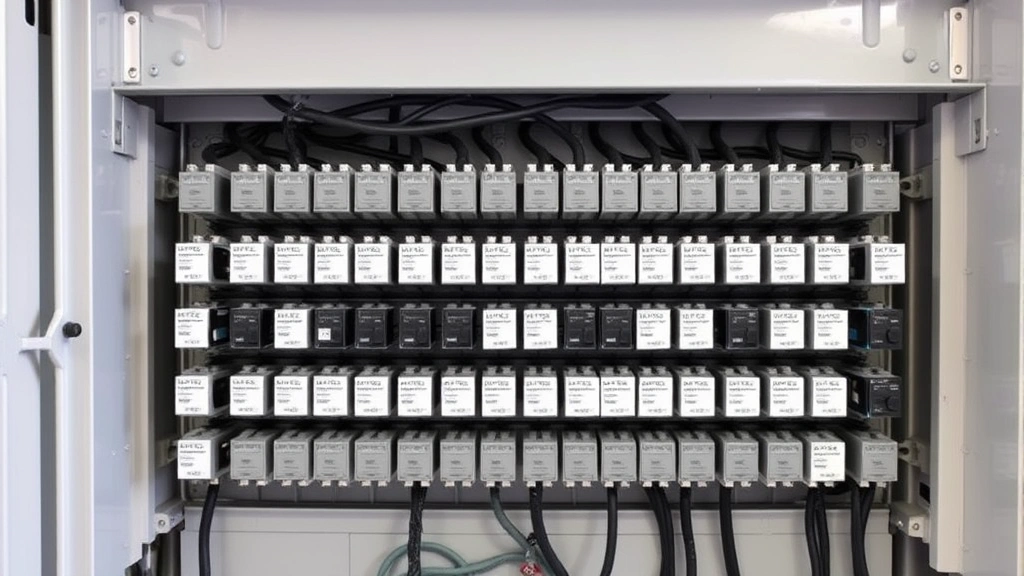
Branch/Feeder AFCIs: These devices mount in the main electrical panel and protect entire circuits from the point of origin. Branch AFCIs monitor all outlets, lighting fixtures, and equipment connected to that circuit. They represent the most comprehensive approach to arc fault protection, ensuring that any arc fault occurring anywhere on the circuit is detected and interrupted. Feeder AFCIs provide protection for circuits supplying multiple branch circuits.
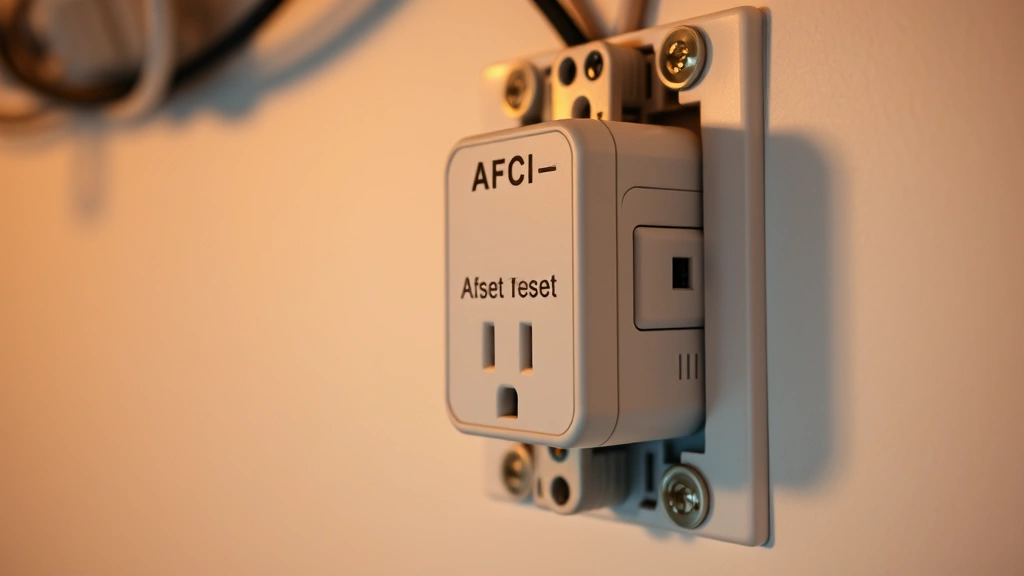
Outlet AFCIs: These devices install directly into standard electrical outlets, resembling standard GFCI outlets but with arc detection capability. Outlet AFCIs protect all devices and equipment plugged into them, as well as any outlets downstream on the same circuit. They offer flexibility for retrofitting existing installations where replacing panel-mounted breakers isn’t practical.
Combination AFCIs: Modern combination AFCIs integrate both arc fault and ground fault protection into a single device. These units provide comprehensive protection against multiple electrical hazards, making them ideal for kitchens, bathrooms, and other high-risk areas where both arc and ground faults present significant dangers.
Portable AFCIs: These cord-mounted devices provide arc fault protection for specific appliances or equipment. While less comprehensive than permanently installed AFCIs, portable devices offer protection for high-risk applications like power tools and temporary installations.
Each AFCI type serves specific purposes within a comprehensive electrical safety strategy. The most effective protection approach typically combines multiple AFCI types to address different hazard scenarios throughout a building.
Installation Requirements and Code Compliance
Electrical codes have progressively expanded AFCI requirements as the technology has matured and proven its effectiveness. Modern building codes mandate arc fault circuit interrupter protection in virtually all residential circuits, with specific emphasis on bedrooms, living areas, and other spaces where people sleep or spend extended time.
The National Electrical Code (NEC) specifies that AFCIs must protect all 15- and 20-ampere circuits in bedrooms. Current code editions have extended requirements to include kitchens, family rooms, dining rooms, living rooms, hallways, laundry areas, and closets. Some jurisdictions require even more comprehensive coverage, including all circuits in residential buildings.
Installation of branch circuit AFCIs involves replacing standard circuit breakers with AFCI-equipped breakers in the main electrical panel. This work typically requires a licensed electrician and must comply with local electrical codes. The installation process is straightforward for new construction but may require careful planning in existing buildings where panel space is limited.
Outlet AFCI installation offers more flexibility for retrofitting. These devices install directly into standard outlet boxes without requiring access to the main panel. Property owners can upgrade protection incrementally, starting with high-risk areas and expanding coverage over time. However, outlet AFCIs provide less comprehensive protection than branch circuit AFCIs because they don’t protect the circuit wiring between the panel and the outlet.
Combination AFCIs that integrate arc and ground fault protection offer additional benefits for kitchens and bathrooms where both hazards exist. These devices provide comprehensive protection while reducing the number of individual protective devices required.
Testing and certification represent critical components of proper AFCI installation. All AFCIs include integral test buttons that simulate arc fault conditions, allowing occupants to verify proper operation. Building inspectors typically require demonstration of proper AFCI function before approving new installations.
Best Practices for Implementation
Developing a comprehensive arc fault protection strategy requires careful planning and consideration of specific building characteristics. The following best practices ensure effective implementation:
- Conduct a thorough circuit audit: Map all circuits in the building and identify those requiring AFCI protection based on current codes and best practices. Document circuit purposes, loads, and existing conditions.
- Prioritize high-risk areas: Implement AFCI protection first in bedrooms, living areas, and spaces where occupants sleep. These locations present the greatest risk because people are vulnerable during sleep.
- Address aging wiring: Buildings with deteriorated or damaged insulation present heightened arc fault risks. Prioritize AFCI installation in circuits with known wiring issues.
- Consider combination protection: In kitchens, bathrooms, and other wet locations, specify combination AFCIs that provide both arc and ground fault protection.
- Document all installations: Maintain detailed records of AFCI installation locations, types, and dates. This documentation supports compliance verification and facilitates future maintenance.
- Train occupants: Educate building occupants about AFCI function, testing procedures, and appropriate response to nuisance trips.
For older buildings, implementing comprehensive arc fault circuit interrupter protection may require phased upgrades. Prioritizing bedrooms and living areas provides the most critical protection while allowing time and budget for expanding coverage to other circuits.
Maintenance and Testing Protocols
Arc fault circuit interrupter devices require regular testing to ensure continued proper operation. Most building codes recommend monthly testing by occupants using the integral test button. This simple procedure takes seconds but provides critical assurance that the device remains functional.
Testing involves pressing the test button on the AFCI, which should immediately disconnect power to the protected circuit. Occupants will notice that lights go out or equipment stops functioning. Resetting the AFCI restores power. If the AFCI fails to trip when tested, it requires immediate professional inspection and likely replacement.
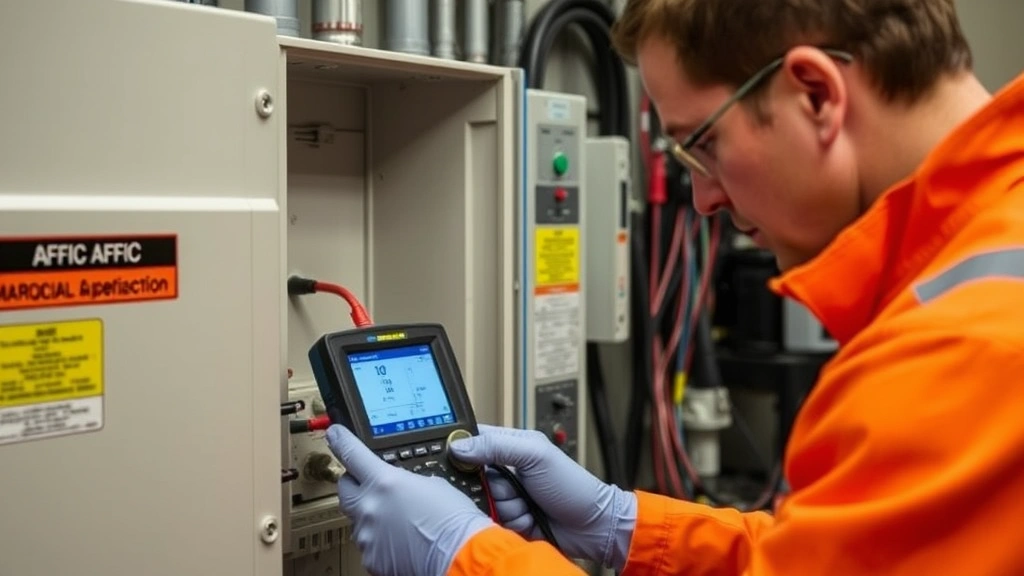
Professional maintenance and inspection should occur annually, particularly in commercial buildings or critical facilities. Licensed electricians can perform comprehensive testing using specialized equipment that verifies detection sensitivity and response time. These tests confirm that AFCIs remain capable of detecting arc faults within the design specifications.
Environmental factors can affect AFCI performance over time. Dust accumulation, temperature extremes, and humidity can gradually degrade components. Regular inspection allows early identification of devices that may be reaching end-of-life and require replacement before failure occurs.
Documentation of all testing and maintenance activities creates a complete history of device performance. This record supports compliance verification during inspections and helps identify patterns suggesting systematic issues requiring attention.
Building managers should establish maintenance schedules that align with manufacturer recommendations and applicable codes. Many manufacturers specify replacement intervals, typically 10-25 years depending on device type and environmental conditions. Proactive replacement of aging devices prevents unexpected failures and maintains consistent protection.
FAQ
What’s the difference between AFCI and GFCI protection?
Arc fault circuit interrupters detect dangerous electrical arcs, while ground fault circuit interrupters (GFCIs) detect current flowing to ground. AFCIs protect against arc faults that can ignite fires; GFCIs protect against shock hazards. Both technologies are essential components of comprehensive electrical safety, and combination devices provide both protections in a single unit.
Do AFCI devices cause nuisance trips?
Early AFCI technology experienced frequent nuisance trips, particularly with certain appliances. Modern AFCIs have largely resolved this issue through improved detection algorithms and adaptive learning capabilities. However, certain high-harmonic equipment like some LED lighting or battery chargers may occasionally cause trips. Proper installation and device selection minimize these occurrences.
Can I install outlet AFCIs myself?
Outlet AFCI installation is relatively straightforward for individuals with basic electrical knowledge, similar to replacing a standard outlet. However, electrical work should comply with local codes and may require permits. Many jurisdictions require licensed electrician installation for any electrical modifications. Check local requirements before attempting installation.
How often should AFCIs be replaced?
Most AFCI devices remain functional for 10-25 years, depending on device type, environmental conditions, and manufacturer specifications. Regular testing helps identify devices approaching end-of-life. Proactive replacement of aging devices, particularly in critical areas, ensures consistent protection.
Are AFCIs required in older homes?
Building codes typically don’t require retrofitting existing homes with AFCIs unless major renovations occur. However, installing AFCIs in older homes with aging wiring significantly improves safety. Many homeowners choose to upgrade voluntarily, starting with bedrooms and living areas where protection provides the greatest benefit.
What should I do if my AFCI keeps tripping?
Frequent AFCI trips may indicate a genuine arc fault requiring professional investigation, or they may result from equipment incompatibility. First, verify proper operation by pressing the test button. If normal testing works but trips occur during regular use, disconnect devices one at a time to identify the problematic equipment. If trips continue with all equipment disconnected, contact a licensed electrician to inspect the circuit for arc faults or other electrical problems.


