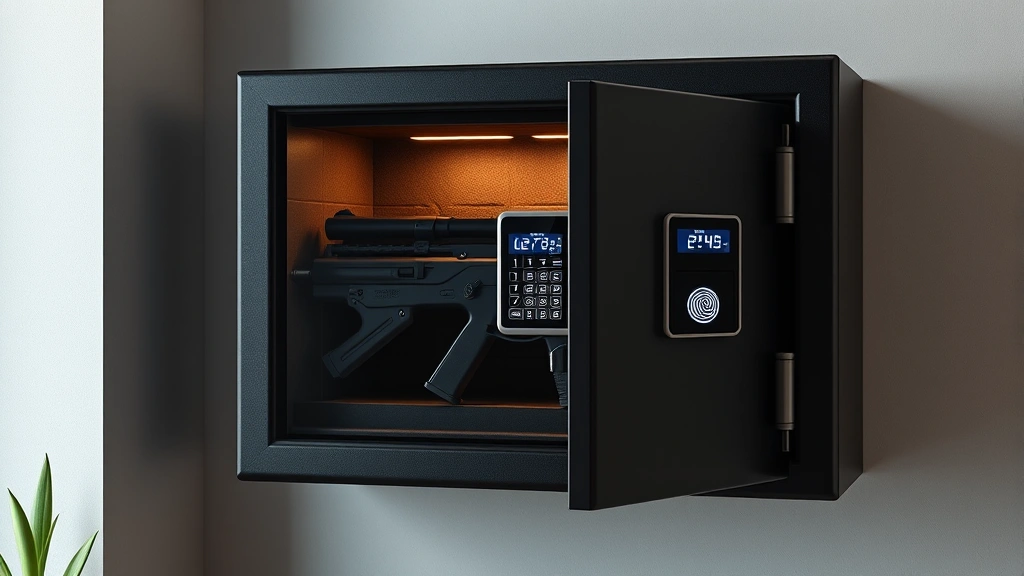
Are Gun Safes Hackable? Cyber Expert Weighs In
The intersection of physical security and cybersecurity has never been more critical than it is today. American security gun safes represent a significant investment in home protection, yet many owners remain unaware of the digital vulnerabilities that modern smart safes introduce. As cyber threats evolve at an unprecedented pace, understanding whether your firearm storage device can be compromised remotely or through physical hacking methods is essential for responsible gun ownership.
Modern gun safes have undergone a dramatic transformation over the past decade. What were once purely mechanical devices with simple combination locks or key systems have evolved into sophisticated smart safes equipped with biometric scanners, electronic keypads, Bluetooth connectivity, and cloud-based access systems. While these technological advancements offer convenience and enhanced access control, they simultaneously create new security challenges that manufacturers and consumers must address.
This comprehensive guide explores the cybersecurity vulnerabilities inherent in contemporary gun safe systems, examines real-world attack vectors, and provides actionable recommendations for protecting your firearms from both cyber and physical threats. Whether you own a basic electronic safe or a state-of-the-art connected device, understanding these risks is fundamental to maintaining the security of your weapons and preventing unauthorized access.

Understanding Modern Gun Safe Technology
Contemporary American security gun safes employ multiple access mechanisms designed to balance convenience with protection. Traditional mechanical locks remain common in mid-range and premium safes, offering reliable security without electronic components. However, the industry has increasingly adopted electronic locking systems that utilize digital keypads, biometric readers, or mobile applications to control access.
Electronic safes typically feature solenoid locks controlled by microprocessors and batteries. These systems allow users to create custom access codes, receive alerts when the safe is opened, and in some cases, grant temporary access to family members or emergency responders. The most advanced models integrate with NIST cybersecurity frameworks and employ encryption standards comparable to those used in financial institutions.
Biometric gun safes represent the cutting edge of access control technology. These devices scan fingerprints, facial features, or iris patterns to verify the user’s identity before releasing the lock mechanism. Proponents argue that biometric systems eliminate the risk of forgotten codes or stolen keys, while critics point out that biometric data can be spoofed and that system failures could prevent authorized access during emergencies.
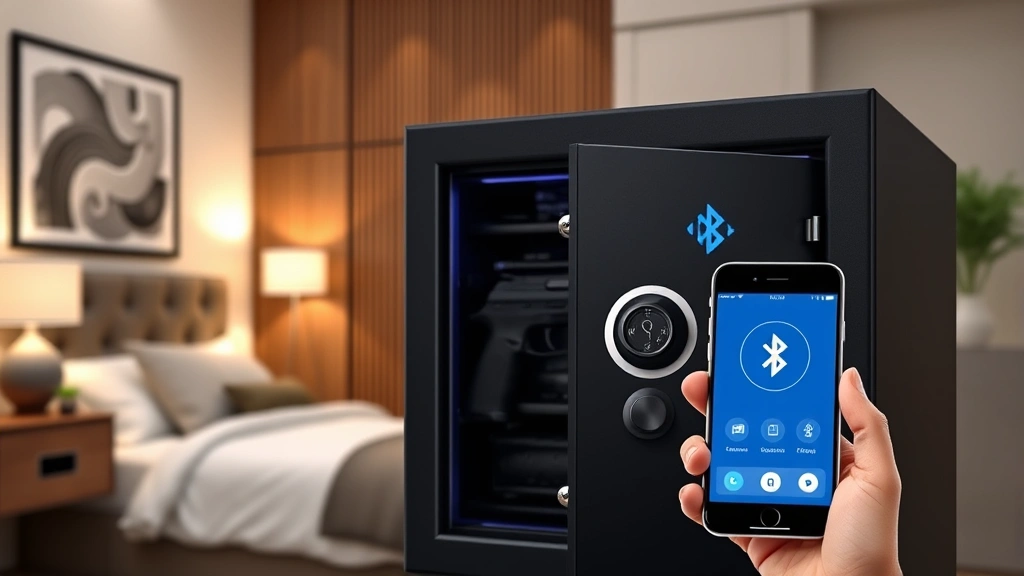
Wireless connectivity has become increasingly common in premium gun safes. Bluetooth-enabled devices allow owners to check lock status and receive notifications via smartphone applications. Some models even integrate with home automation systems, enabling voice-activated access through smart speakers or remote management from anywhere with internet connectivity. While convenient, this connectivity introduces substantial cybersecurity risks that warrant careful consideration.
Common Cybersecurity Vulnerabilities in Smart Safes
Security researchers have identified multiple critical vulnerabilities affecting networked gun safes. CISA (Cybersecurity and Infrastructure Security Agency) has documented instances where weak encryption protocols allowed attackers to intercept and decrypt wireless communications between safes and mobile applications. These vulnerabilities could theoretically enable remote attackers to unlock safes without physical access.
Bluetooth security represents one of the most significant concerns in connected gun safes. Bluetooth Low Energy (BLE), commonly used in wireless safes to conserve battery power, has known vulnerabilities that security researchers have exploited in laboratory settings. Attackers within Bluetooth range (typically 30-100 feet) could potentially initiate pairing procedures, intercept authentication tokens, or replay previous unlock commands to gain unauthorized access.
Mobile application security presents another critical attack surface. Gun safe manufacturers often develop companion apps that communicate with their devices, but many of these applications lack proper certificate pinning, use outdated encryption libraries, or store sensitive data insecurely on users’ smartphones. If a user’s phone becomes compromised through malware or phishing attacks, attackers could potentially gain the ability to unlock the safe remotely.
Firmware vulnerabilities affect countless connected safes currently in use. Manufacturers frequently release security patches to address discovered weaknesses, yet many users never update their devices. Outdated firmware may contain exploitable flaws that allow attackers to bypass authentication mechanisms, extract stored credentials, or take complete control of the locking system. The challenge is compounded by the fact that some gun safe manufacturers provide limited update mechanisms or discontinue support for older models.
Default credentials represent a surprisingly common vulnerability in commercial gun safes. Some models ship with default master codes or administrative passwords that users are supposed to change immediately upon setup. However, many owners never modify these defaults, creating a significant security gap. If attackers discover the default credentials for a particular safe model, they can unlock any device that hasn’t been properly configured.
Cloud-based systems introduce additional risks. Some premium gun safes synchronize data with manufacturer cloud servers, enabling remote access and multi-user management. However, if these cloud services lack proper security controls, attackers could potentially compromise the centralized database and gain access to information about thousands of safes and their owners. Additionally, cloud breaches could expose personal data including home addresses and ownership information.
Physical Hacking Methods and Bypass Techniques
While cybersecurity vulnerabilities receive significant attention, experienced security researchers emphasize that physical attacks remain highly effective against many gun safes. Electronic locks, despite their digital sophistication, ultimately control mechanical solenoids that can be manipulated through various physical techniques. Lock picking experts have demonstrated that many electronic safes can be opened in minutes using basic tools and knowledge of mechanical principles.
Electromagnetic pulse (EMP) attacks represent a concern for safes with electronic locking mechanisms. While EMP weapons remain largely theoretical in civilian contexts, localized electromagnetic interference from devices like stun guns or improvised EMP generators could potentially disable electronic locks, leaving only mechanical backup systems. Premium safes typically incorporate EMP-hardened components, but budget models may lack this protection.
Brute force attacks on electronic keypads remain viable against safes with weak security protocols. If a safe doesn’t implement rate limiting (restrictions on how many incorrect attempts can be made per minute), attackers could systematically try every possible code combination until finding the correct one. A four-digit code offers only 10,000 possible combinations, which an attacker could exhaust in minutes without proper security measures.
Thermal imaging and side-channel attacks exploit the physical properties of electronic locks. Sophisticated attackers can use thermal cameras to observe heat signatures created when buttons are pressed, potentially revealing which keys are part of the access code. Similarly, analyzing power consumption patterns or electromagnetic emissions from safes during the unlocking process could theoretically reveal security information.
Biometric bypass techniques have proven surprisingly effective in research settings. Fingerprint scanners can be fooled using high-resolution photographs, silicone replicas, or even gummy bears in some cases. Facial recognition systems can be defeated using masks or photographs of authorized users. While manufacturers have improved biometric security in recent years, vulnerabilities persist, particularly in budget-oriented models.
Mechanical manipulation through drilling, prying, or cutting represents the most straightforward attack vector against gun safes. Security researchers have demonstrated that many safes sold to consumers can be opened using basic tools like cordless drills or angle grinders within minutes. The quality of steel construction, lock design, and reinforcement directly determines a safe’s resistance to these physical attacks.
Manufacturer Security Standards and Certifications
The gun safe industry operates with minimal regulatory oversight regarding cybersecurity standards. Unlike financial institutions or healthcare providers bound by strict security regulations, gun safe manufacturers face few mandatory security requirements. This regulatory vacuum has resulted in highly inconsistent security practices across the industry.
Some manufacturers voluntarily adhere to security standards developed by organizations like NIST’s Cybersecurity Framework, implementing best practices for secure development, vulnerability disclosure, and incident response. However, many smaller manufacturers lack the resources or expertise to implement comprehensive security programs.
Underwriters Laboratories (UL) provides ratings for gun safes based on burglary resistance and fire protection, but UL standards do not address cybersecurity concerns. A safe might achieve a high UL rating for physical security while containing critical digital vulnerabilities. Consumers should not assume that UL certification provides comprehensive protection against modern threats.
Third-party security auditing remains rare in the gun safe industry. Unlike software companies that regularly engage independent security researchers to audit their code, most gun safe manufacturers do not subject their electronic systems to rigorous penetration testing or vulnerability assessments. This lack of external scrutiny means many vulnerabilities remain undiscovered until attackers exploit them in the field.
Responsible disclosure policies vary dramatically among manufacturers. Some companies maintain formal vulnerability disclosure programs and respond quickly to reported security issues, while others lack clear channels for researchers to report problems and may not address discovered vulnerabilities for months or years. The absence of industry-wide standards for responsible disclosure creates confusion and delays in addressing critical security flaws.
Best Practices for Gun Safe Protection
Protecting your firearms requires a multi-layered approach that addresses both digital and physical security concerns. Begin by thoroughly researching the latest security information before purchasing any gun safe, focusing on independent reviews and security researcher assessments rather than manufacturer marketing materials.
For electronic safes, prioritize models from manufacturers with established security track records and transparent vulnerability disclosure policies. Choose safes with strong encryption protocols, regular firmware update mechanisms, and security certifications from recognized organizations. Avoid safes with wireless connectivity unless absolutely necessary, as disabling this feature eliminates an entire category of potential attacks.
If you own a connected gun safe, implement strong security practices immediately. Change all default credentials to complex, unique passwords that you store securely in a password manager. Enable two-factor authentication on any companion mobile applications. Keep firmware updated by regularly checking the manufacturer’s website for security patches. Consider disabling Bluetooth and cloud connectivity features if they’re not essential to your use case.
Protect your smartphone as if it were a key to your safe. Install security updates promptly, use strong screen locks, enable biometric authentication, and install a reputable mobile security application. Be cautious about granting permissions to gun safe applications—many request unnecessary access to location data, contacts, or other sensitive information.
Position your safe in a secure location with minimal visibility from windows or doors. Use additional physical security measures such as bolting the safe to the floor or wall, which significantly increases the difficulty of theft or physical manipulation. Store the safe away from other valuables to avoid making it a target during burglaries.
Maintain regular backups of any security settings or access credentials. Document your access codes in a secure location separate from the safe itself. Establish emergency procedures for accessing your safe if electronic systems fail. Consider keeping a mechanical backup key in a secure location known only to trusted individuals.
Educate family members about safe security practices. Younger family members should understand that the safe’s security depends on keeping access codes confidential. Establish clear policies about who has access authorization and under what circumstances. Regularly review access logs if your safe provides this functionality.
Emerging Threats and Future Considerations
The cybersecurity landscape continues to evolve rapidly, introducing new threats to connected gun safes. Artificial intelligence and machine learning technologies are being weaponized to develop more sophisticated attacks against electronic locks. Researchers have demonstrated AI systems capable of analyzing acoustic emissions from locks to determine correct combinations without physical access.
Internet of Things (IoT) botnets represent an emerging threat to connected safes. Malicious actors could potentially compromise thousands of networked safes simultaneously, creating a botnet for cryptocurrency mining or using the devices as nodes in distributed denial-of-service attacks. While this scenario might seem far-fetched, similar compromises have affected routers, cameras, and other IoT devices.
Quantum computing poses a theoretical long-term threat to current encryption standards. While quantum computers capable of breaking modern encryption remain largely hypothetical, manufacturers should begin transitioning to quantum-resistant encryption algorithms now to ensure future protection of their devices.
Supply chain attacks present another concern. If manufacturers don’t properly secure their development environments and distribution channels, attackers could potentially inject malicious code into safes before they reach consumers. This type of attack would be extremely difficult to detect and would compromise devices from the moment of installation.
Regulatory changes will likely reshape the gun safe security landscape. As awareness of cybersecurity vulnerabilities increases, legislators may impose mandatory security standards on manufacturers, similar to regulations affecting other consumer products. Dark Reading and other security publications increasingly cover gun safe vulnerabilities, raising public awareness and political pressure for stronger standards.
Advanced persistent threat (APT) actors have shown interest in targeting high-value individuals by compromising their home security systems, including gun safes. While such attacks remain relatively rare, they demonstrate that sophisticated adversaries are actively exploring vulnerabilities in residential security devices. This reality underscores the importance of treating gun safe security with the same seriousness typically reserved for financial accounts.
FAQ
Can gun safes be hacked remotely?
Yes, certain wireless-enabled gun safes can potentially be hacked remotely if they contain cybersecurity vulnerabilities. Attackers with knowledge of specific weaknesses in Bluetooth protocols or mobile applications could theoretically unlock safes from a distance. However, most non-connected safes with purely mechanical or electronic-only locking systems cannot be hacked remotely. The risk primarily affects safes with wireless connectivity features.
Are biometric gun safes more secure than code-based safes?
Biometric safes offer different security trade-offs compared to code-based systems. While biometric authentication eliminates the risk of forgotten codes or shoulder surfing attacks, biometric systems can be spoofed and may fail during emergencies or if the user’s biometric data changes (such as from injuries or aging). Code-based safes may be more reliable but are vulnerable to code theft or brute force attacks if not properly secured. The most secure approach combines multiple authentication methods.
What should I do if my gun safe has known vulnerabilities?
If your safe has documented security vulnerabilities, immediately check the manufacturer’s website for firmware updates that address the issues. If updates aren’t available or the manufacturer has discontinued support for your model, consider contacting the manufacturer directly to request a patch. As a temporary measure, disable wireless connectivity features if possible. For critical vulnerabilities that cannot be patched, you may need to consider replacing the safe with a more secure model.
How often should I change my gun safe access code?
Security experts recommend changing gun safe access codes at least annually, or immediately if you suspect the code has been compromised. If family members or emergency responders have known the code, change it more frequently. Avoid using easily guessable codes based on birthdays, anniversaries, or sequential numbers. Use a strong code of at least six digits with no repeating patterns.
Are gun safes with cloud connectivity worth the convenience risk?
Cloud-connected safes offer genuine convenience benefits, allowing remote access and multi-user management. However, these benefits come with increased cybersecurity risks. If you choose a cloud-connected safe, prioritize models from manufacturers with strong security practices and transparent vulnerability disclosure policies. Alternatively, you can purchase a connected safe but disable cloud features and use only local Bluetooth connectivity, reducing your attack surface while maintaining some convenience benefits.
What’s the best way to store backup access keys?
Store backup mechanical keys in a separate secure location that only trusted individuals know about. Consider using a secondary safe, safety deposit box, or other secure storage that’s not vulnerable to the same threats as your primary safe. Document the location and access method in your will or emergency instructions so that authorized individuals can access the backup key if needed. Never store backup keys in obvious locations like under doormats or in nearby drawers.


