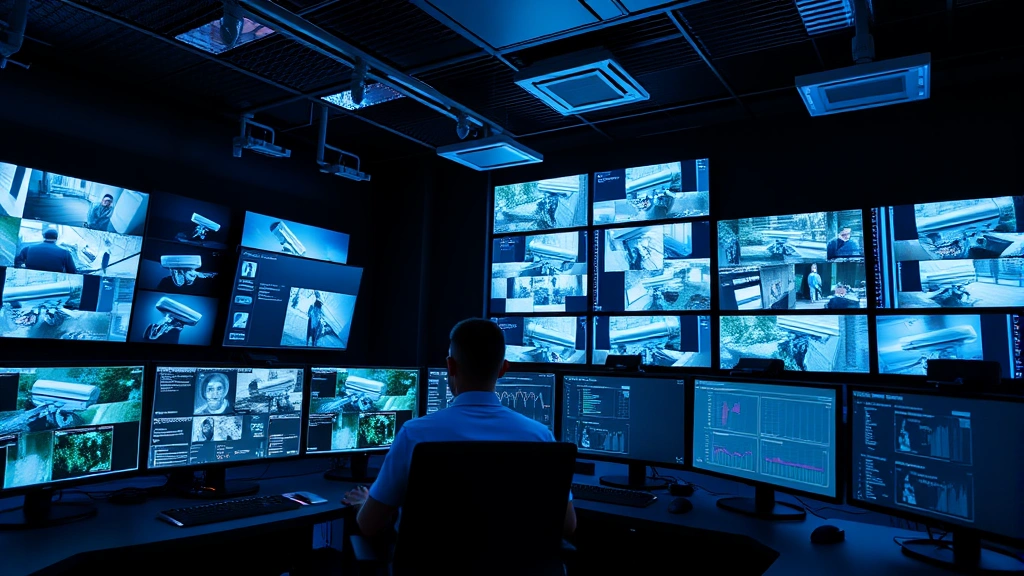
Why Choose American Made Security Cameras?
In an increasingly connected world, security camera selection has become far more than a simple purchase decision—it’s a critical component of your cybersecurity infrastructure. American made security cameras represent a significant advantage for organizations and homeowners prioritizing data protection, supply chain integrity, and long-term reliability. When you invest in domestically manufactured surveillance systems, you’re not just acquiring hardware; you’re establishing a foundation for comprehensive security that aligns with national standards and protects against emerging cyber threats.
The cybersecurity landscape has evolved dramatically over the past decade. Foreign-manufactured devices have repeatedly faced scrutiny regarding data exfiltration, firmware vulnerabilities, and potential backdoor access. American made security cameras, manufactured under stringent domestic oversight and regulatory frameworks, offer transparency and accountability that imported alternatives cannot guarantee. This comprehensive guide explores why selecting domestically produced surveillance equipment represents a smart investment for protecting your physical and digital assets.
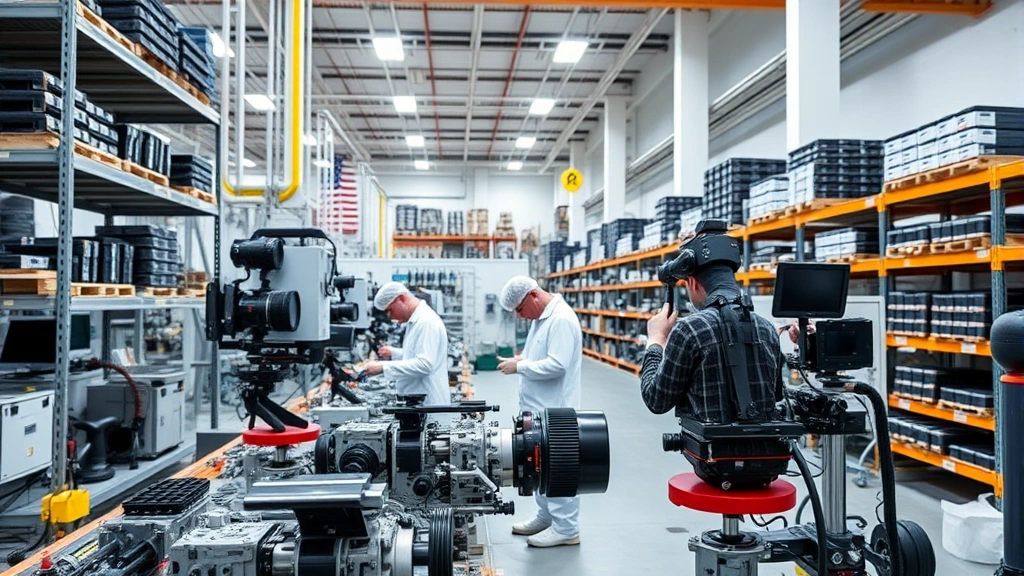
Understanding Supply Chain Security in Surveillance
Supply chain security has emerged as one of the most critical concerns in cybersecurity. When security cameras are manufactured overseas, they traverse complex international logistics networks involving multiple intermediaries, customs processes, and potential points of compromise. American made security cameras eliminate many of these vulnerabilities by maintaining shorter, more transparent supply chains from manufacturing through distribution.
The Cybersecurity and Infrastructure Security Agency (CISA) has consistently emphasized that supply chain integrity directly impacts national security. Domestically manufactured surveillance equipment undergoes rigorous quality control processes managed by American manufacturers who maintain accountability to U.S. regulatory bodies. This accountability structure ensures that every component, from image sensors to network processors, meets established security benchmarks before reaching your facility.
Foreign manufacturing facilities often operate under different quality standards, and identifying compromised components becomes exponentially more difficult. American made security cameras benefit from comprehensive component traceability, meaning manufacturers can identify and address vulnerabilities throughout the entire supply chain with minimal delay. This transparency is particularly crucial for organizations handling sensitive information or operating in regulated industries.
Consider the practical implications: when a vulnerability is discovered in an American manufactured system, the manufacturer maintains direct responsibility and faces legal consequences for inadequate response. This accountability structure creates powerful incentives for rapid patching, transparent communication, and comprehensive security protocols that simply don’t exist in foreign supply chains.
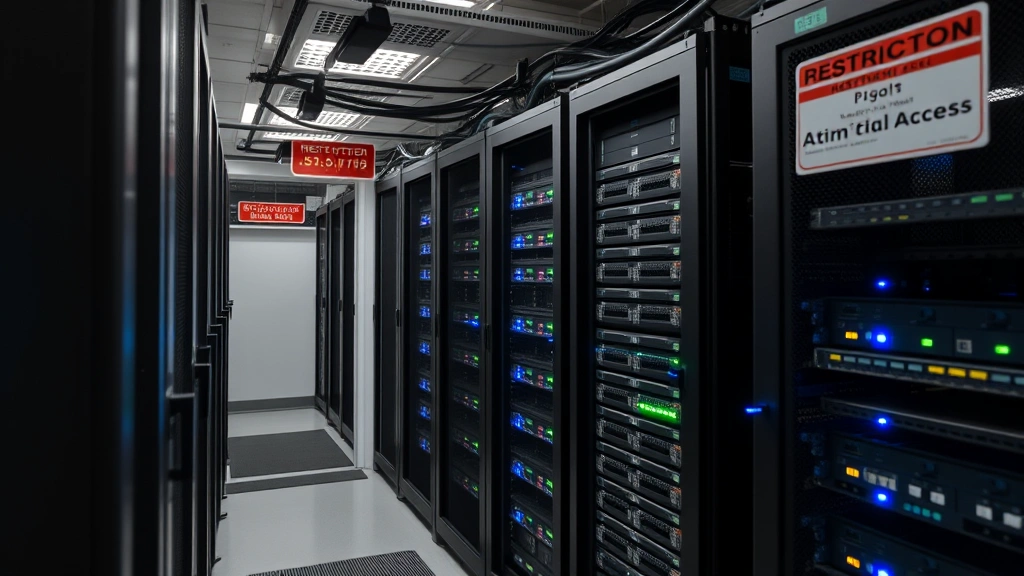
Data Privacy and Domestic Manufacturing Standards
Data privacy represents perhaps the most compelling argument for selecting American made security cameras. Surveillance footage inherently contains sensitive visual information about your facility, employees, customers, and operations. When this data flows through foreign manufacturing ecosystems, you lose control over where information is processed, stored, and potentially analyzed.
American manufacturers operate under the framework of U.S. privacy law, including state-level regulations like California’s Consumer Privacy Act (CCPA) and comprehensive federal guidelines. These manufacturers are subject to regular audits, compliance inspections, and legal accountability mechanisms that protect your data from unauthorized access or commercial exploitation. Foreign manufacturers, conversely, may operate under jurisdictions with minimal privacy protections or government data access agreements that compromise your information security posture.
The architecture of American made security cameras typically incorporates privacy-by-design principles, where data protection is embedded in the system from initial conception rather than added as an afterthought. This approach includes encrypted data transmission, local processing capabilities that minimize cloud dependence, and granular access controls that ensure only authorized personnel can view surveillance footage.
Furthermore, American manufacturers maintain physical server infrastructure within U.S. borders, ensuring that even cloud-based components remain subject to U.S. jurisdiction and legal protections. This geographic consideration is crucial for organizations operating in sensitive sectors where data sovereignty requirements mandate that information remain within specific geographic boundaries.
Regulatory Compliance and American Standards
Organizations operating in regulated industries face stringent requirements regarding equipment selection and cybersecurity infrastructure. American made security cameras simplify compliance by adhering to established domestic standards including NIST cybersecurity frameworks, HIPAA requirements for healthcare facilities, and PCI-DSS standards for payment processing environments.
These regulatory frameworks specifically address equipment provenance, supply chain transparency, and manufacturer accountability. When your security camera system originates from American manufacturing, compliance documentation becomes straightforward, audit processes accelerate, and your organization demonstrates proactive risk management to regulatory bodies. Insurance providers also recognize this distinction, often offering improved coverage terms for facilities utilizing domestically manufactured security infrastructure.
The Federal Acquisition Regulation (FAR) and Defense Federal Acquisition Regulation Supplement (DFARS) establish explicit preferences for American manufactured components in government contracts and federally funded projects. These regulations reflect decades of security analysis demonstrating that domestic manufacturing provides superior supply chain control and vulnerability management. Organizations seeking federal contracts or operating as federal subcontractors gain immediate competitive advantages by prioritizing American made security cameras.
State-level governments have similarly begun restricting foreign surveillance equipment in critical infrastructure applications. Several states have enacted legislation prohibiting certain foreign-manufactured cameras in government facilities, law enforcement agencies, and critical infrastructure protection applications. By selecting American made systems now, organizations position themselves ahead of inevitable regulatory restrictions that will only expand in coming years.
Long-Term Cost Benefits and ROI
While American made security cameras may carry higher initial purchase prices compared to foreign alternatives, comprehensive cost analysis reveals significant long-term economic advantages. This calculation extends beyond hardware acquisition to encompass maintenance, cybersecurity incidents, regulatory compliance, and operational continuity.
Foreign-manufactured cameras frequently require replacement due to obsolescence, incompatibility with updated standards, or vulnerability discoveries that manufacturers cannot adequately address. American manufacturers maintain extended support lifecycles, ensuring that equipment remains functional and secure for extended periods. This longevity translates directly into reduced total cost of ownership and improved return on investment across multi-year deployment timelines.
Consider the financial impact of a single cybersecurity incident. A compromised surveillance system can facilitate physical theft, enable corporate espionage, or provide attackers with reconnaissance information for broader network penetration. The costs associated with incident response, forensic investigation, remediation, and potential regulatory fines dwarf any initial savings from selecting cheaper foreign alternatives. American made security cameras, with their superior security architecture and manufacturer accountability, significantly reduce incident probability and associated costs.
Additionally, American manufacturers typically offer comprehensive warranty coverage, responsive technical support, and rapid replacement programs that minimize downtime. When a component fails, domestic manufacturing ensures rapid replacement through established U.S.-based distribution networks rather than extended lead times from overseas facilities. This operational continuity translates into reduced security gaps and improved facility protection throughout the equipment lifecycle.
Technical Support and Cybersecurity Updates
The quality of manufacturer support directly impacts your ability to maintain robust cybersecurity posture. American made security camera manufacturers maintain U.S.-based technical support teams operating during business hours in your timezone, ensuring rapid response to security concerns, configuration questions, and troubleshooting needs.
Cybersecurity vulnerabilities in surveillance equipment require immediate attention. When vulnerabilities are discovered, American manufacturers can rapidly develop patches, validate fixes, and distribute updates through established channels. This responsiveness contrasts sharply with foreign manufacturers who may deprioritize security updates for legacy equipment or operate under business models that incentivize replacement rather than remediation.
American manufacturers maintain transparent vulnerability disclosure processes aligned with industry standards. When security researchers identify weaknesses, manufacturers acknowledge findings, communicate timelines for resolution, and provide interim mitigation strategies. This openness builds trust and ensures that your organization remains informed about potential risks and appropriate protective measures. Foreign manufacturers frequently lack similar transparency, leaving organizations uncertain about vulnerability status and appropriate response protocols.
Firmware updates represent another critical distinction. American manufacturers regularly release firmware updates addressing security vulnerabilities, expanding functionality, and improving compatibility with evolving standards. These updates are typically distributed automatically or through simple management interfaces, ensuring that your security infrastructure remains current without requiring technical expertise or extended downtime.
American Made vs. Foreign Alternatives
Direct comparison between American made security cameras and foreign alternatives reveals substantial differences across multiple dimensions relevant to cybersecurity and organizational risk management. Understanding these distinctions enables informed decision-making aligned with your security objectives and regulatory requirements.
Manufacturing Transparency: American manufacturers maintain documented manufacturing processes, component sourcing, and quality assurance procedures subject to regulatory inspection and audit. Foreign manufacturers often operate under proprietary processes with limited external visibility, creating uncertainty regarding component authenticity, potential backdoors, or undisclosed data collection mechanisms.
Vulnerability Response: American manufacturers typically acknowledge and address vulnerabilities within 30-90 days, with critical security issues receiving expedited attention. Foreign manufacturers may lack established vulnerability disclosure processes or deprioritize security updates for equipment approaching end-of-life status. This distinction directly impacts your organization’s ability to maintain secure operations.
Data Handling: American manufacturers operate under strict data privacy regulations and maintain physical infrastructure within U.S. borders. Foreign manufacturers may route data through international networks, store information on overseas servers, or operate under government agreements permitting unrestricted data access. These practices create unacceptable risks for organizations handling sensitive information.
Legal Accountability: American manufacturers face comprehensive legal liability for security failures, data breaches, or inadequate vulnerability response. This accountability creates powerful incentives for robust security practices. Foreign manufacturers often operate under jurisdictions with minimal liability frameworks, reducing accountability for security failures.
Integration and Compatibility: American made security cameras are engineered for seamless integration with established U.S. standards, network protocols, and enterprise systems. Foreign alternatives frequently require custom configurations, compatibility workarounds, or specialized technical expertise to function effectively within existing infrastructure.
Organizations seeking to strengthen their cybersecurity posture should carefully evaluate these distinctions when selecting surveillance equipment. The decision to prioritize American made security cameras represents a strategic investment in long-term security, regulatory compliance, and operational resilience.
FAQ
What specific certifications should I verify for American made security cameras?
Look for certifications including UL (Underwriters Laboratories), FCC compliance, NIST alignment, and industry-specific certifications relevant to your sector. Verify that manufacturing occurs within U.S. borders and that the manufacturer maintains comprehensive quality assurance documentation. Request third-party security audits and vulnerability assessment reports demonstrating commitment to cybersecurity standards.
How do I verify that security cameras are truly American made?
Examine manufacturer documentation detailing manufacturing location, component sourcing, and supply chain information. Contact manufacturers directly to request detailed provenance information. Verify that companies maintain U.S.-based manufacturing facilities, employ American workers, and retain ownership under U.S. corporate structures. Be cautious of companies claiming American manufacturing while outsourcing actual production to foreign facilities.
Are American made security cameras compatible with existing systems?
Reputable American manufacturers design equipment to integrate with industry-standard protocols including ONVIF, RTSP, and common network management platforms. Verify compatibility before purchase and request technical specifications confirming integration capabilities. Most modern American made cameras support integration with existing infrastructure without requiring extensive modifications.
What cybersecurity threats specifically target foreign surveillance equipment?
Foreign surveillance equipment has been documented with vulnerabilities including unauthorized remote access, data exfiltration, firmware manipulation, and denial-of-service susceptibilities. FBI Cyber Division has issued warnings regarding specific foreign surveillance manufacturers. Review threat intelligence reports from Mandiant and other security researchers documenting vulnerabilities in foreign equipment.
How frequently should I update security camera firmware?
American manufacturers typically release security updates quarterly or upon vulnerability discovery. Establish a regular update schedule reviewing manufacturer security advisories monthly and applying critical patches within 30 days of release. Configure automatic update capabilities where available to ensure continuous protection without manual intervention.
What regulatory bodies oversee American security camera manufacturers?
Multiple agencies including the FCC, UL, NIST, and industry-specific regulators oversee American manufacturers. Your industry sector may have additional oversight bodies. Verify that manufacturers comply with applicable regulations and maintain current certifications. Request documentation demonstrating regulatory compliance and successful audit results.


