Is Asurion Worth It? Amazon Protection Plan Guide
When you purchase electronics through Amazon, you’re often presented with Asurion protection plans at checkout. These extended warranty and device protection offerings promise peace of mind, but the question remains: are they actually worth your money? With device prices climbing higher each year, understanding whether Asurion’s coverage justifies its cost is crucial for making informed purchasing decisions.
Amazon’s partnership with Asurion has become ubiquitous in the e-commerce space. The company handles device protection, accidental damage coverage, and extended warranties for countless Amazon customers. However, not all protection plans are created equal, and not every purchase requires additional coverage. This comprehensive guide breaks down everything you need to know about Asurion protection plans, their benefits, limitations, and whether they align with your needs.
Understanding Asurion Protection Plans
Asurion is one of the world’s largest device protection providers, operating in over 200 countries. As an Amazon protection plan partner, they offer several tiers of coverage designed to protect your electronics from various mishaps. The company has handled billions of claims globally and maintains a significant presence in the insurance and device protection space.
The primary appeal of Asurion plans lies in their simplicity and accessibility. Rather than navigating complex manufacturer warranty terms or third-party insurance policies, Amazon customers can add protection at the point of sale. This convenience factor has made these plans incredibly popular, though popularity doesn’t necessarily equal value.
It’s important to understand that Asurion protection differs from standard warranties. While manufacturer warranties cover defects in materials and workmanship, Asurion plans typically cover accidental damage, drops, water damage, and hardware failures that occur outside normal use. This distinction is critical when evaluating whether coverage meets your specific needs.
Coverage Types and What They Include
Amazon offers multiple Asurion protection tiers, each with different coverage limits and deductibles. The specific plans available depend on your device type and purchase price. Common protection options include:
- Accidental Damage Protection: Covers drops, spills, and impact damage that manufacturers won’t honor
- Extended Hardware Coverage: Extends manufacturer warranty protection beyond the standard one or two-year period
- Theft and Loss Protection: Reimburses you if your device is stolen or lost (available on select plans)
- Battery Degradation Coverage: Addresses battery health issues that develop over time
- Malfunction Coverage: Handles hardware failures unrelated to physical damage
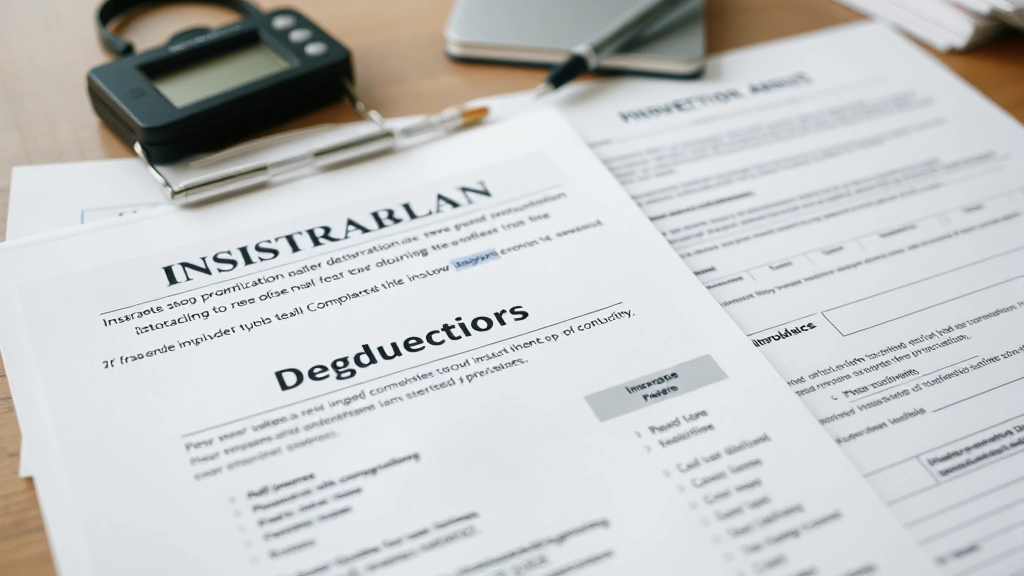
Each tier comes with specific deductibles, typically ranging from $25 to $100 depending on device type and coverage level. The deductible is what you’ll pay out-of-pocket when filing a claim. Understanding these deductibles is essential because they directly impact whether using the protection plan makes financial sense.
Coverage exclusions are equally important. Most plans exclude intentional damage, pre-existing conditions, cosmetic damage without functional impact, and issues stemming from unauthorized repairs. Reading the fine print matters significantly—many customers discover limitations only after attempting to file claims.
” alt=”Device protection plan document with deductible information and coverage details displayed”>
Cost Analysis and Pricing Structure
Asurion protection plan costs vary dramatically based on device type and price. A budget smartphone might have a plan costing $3-5 monthly, while premium devices like high-end laptops could cost $15-30 monthly. For a two-year period, you might pay $72-720 depending on your device.
To determine value, you must calculate the break-even point. If you purchase a $400 device with a $100 annual protection plan, you’re paying 25% of the device’s value yearly for coverage. If your deductible is $75 and you experience one covered incident, you’d pay $175 total ($100 plan + $75 deductible) to potentially receive a replacement or repair valued at $400. That scenario favors the protection plan.
However, if you’re a careful device user who rarely experiences damage, paying $200-400 over two years for protection you’ll never use represents pure loss. Statistical analysis suggests that only 15-20% of protection plan purchasers actually file claims, meaning the majority subsidize claims for the minority.
Consider also that manufacturer warranties and credit card benefits often provide overlapping coverage. Many premium credit cards include purchase protection and extended warranty benefits automatically. Checking your card’s benefits before purchasing Asurion protection could save you redundant costs.
Comparing Asurion to Manufacturer Warranties
Manufacturer warranties typically cover defects for 12-24 months from purchase. They’re free but limited in scope—they don’t cover accidental damage, which is where Asurion plans differentiate themselves. This is crucial: if your device fails due to a manufacturing defect, the manufacturer will repair or replace it free under warranty. Asurion protection becomes valuable specifically for accidents.
However, some manufacturers offer their own accidental damage protection programs that may be more comprehensive or cost-effective than Asurion plans. Apple’s AppleCare+, for instance, covers accidental damage with lower deductibles but higher upfront costs. Samsung and other manufacturers have similar offerings that sometimes provide better value for their specific devices.
The advantage of Asurion through Amazon is standardization across multiple device brands. If you purchase various devices—phones, tablets, laptops, smart home devices—Asurion offers consistent protection. This ecosystem approach appeals to users who want unified coverage rather than juggling multiple manufacturer programs.
Research from Consumer Reports suggests that extended protection plans benefit primarily those with demonstrated clumsiness or high-risk usage patterns. If your device typically stays in a protective case and you maintain careful handling habits, manufacturer warranties alone may suffice.
Claims Process and Customer Experience
Asurion’s claims process is designed for efficiency. You typically initiate claims through the Amazon app or website, provide device information and damage photos, and receive approval within 24-48 hours. For approved claims, you either ship your device for repair or receive a replacement device shipped to you.
Real customer experiences vary significantly. Some users report seamless claims processing and quick replacements, while others encounter frustration with claim denials or slow processing times. Common complaint areas include:
- Disputes over whether damage qualifies as accidental versus intentional
- Delays in receiving replacement devices
- Difficulty reaching customer service during peak periods
- Refurbished replacement devices instead of new ones
- Unexpected deductible amounts at claim time
Checking current customer reviews on independent platforms like Trustpilot and the Better Business Bureau provides honest insight into actual claims experiences. These sources reveal patterns that marketing materials won’t mention.
The physical condition assessment process can be contentious. Asurion personnel reviewing damage photos may determine that claims fall outside coverage, leading to denial. Having clear documentation of how damage occurred and maintaining detailed photos strengthens your claim position.
When Asurion Makes Sense
Asurion protection plans make financial and practical sense in specific scenarios. If you’re purchasing an expensive device—$800 or more—and you have a history of accidental damage, protection becomes statistically valuable. The cost represents a smaller percentage of device value, and your likelihood of using coverage is higher.
Families with young children or households with multiple device users should consider protection plans. Children frequently drop devices, spill liquids, and cause accidental damage that would otherwise require expensive repairs or replacements. In these situations, the peace of mind alone justifies costs.
Professional or work devices also benefit from protection plans. If your device is essential for income generation and downtime is costly, having rapid replacement coverage through Asurion minimizes financial impact. A photographer whose laptop fails unexpectedly faces significant business interruption without protection.
Additionally, if you’re purchasing a device with a known history of durability issues or common hardware failures, protection plans provide valuable safety nets. Researching device reliability ratings before purchase helps identify whether coverage is advisable.
Conversely, protection plans make less sense for budget devices under $200, devices used primarily at home in controlled environments, or if you already maintain comprehensive coverage through other means. Carefully assess your actual risk profile rather than accepting protection as a reflexive purchase.
Alternatives to Consider
Before committing to Asurion plans, explore alternatives that might provide better value. Credit card purchase protection and extended warranties often cover accidental damage without additional cost. Premium cards frequently include device protection as a cardholder benefit.
Self-insurance represents another approach. Rather than paying monthly protection fees, you could set aside equivalent amounts in a dedicated device replacement fund. Over time, this fund accumulates toward replacement costs without the overhead of insurance companies. However, this requires discipline and planning ahead.
Manufacturer-specific programs like AppleCare+, Samsung Protection Plus, or Dell Premium Support sometimes offer better terms than Asurion. These programs are specifically designed for particular devices and often include benefits beyond physical protection, such as priority support and technical assistance.
Home or renters insurance policies sometimes cover personal electronics against damage and theft. Checking your existing coverage prevents duplicate protection costs. Many people overlook these existing benefits when considering additional protection plans.
Retailer-specific protection plans from Best Buy, B&H Photo, or other electronics retailers occasionally offer competitive terms. Comparing all available options before purchase ensures you select the most cost-effective coverage for your situation.
” alt=”Person holding smartphone with protective case, examining device condition in natural lighting”>
FAQ
What’s the difference between Asurion and Amazon’s own protection plans?
Amazon partners with Asurion to provide protection plans, so they’re essentially the same offering. Asurion handles underwriting, claims processing, and replacements on Amazon’s behalf. There isn’t a separate Amazon-branded plan distinct from Asurion protection.
Can I add Asurion protection after purchase?
Generally, you must add protection plans at the point of sale or within a limited window (typically 30 days) after purchase. Adding coverage after this window closes is usually impossible, making the checkout decision critical.
Are refurbished replacements covered the same as new devices?
Asurion often provides refurbished replacement devices rather than new ones. While refurbished units should function identically, some customers find this unsatisfying. Review specific plan terms for replacement type guarantees.
Does Asurion cover water damage?
Most Asurion plans include water damage coverage, but specific terms vary. Some plans cover accidental water exposure but exclude intentional submersion or prolonged water contact. Check your specific plan documentation for water damage provisions.
What happens if I don’t file a claim during my coverage period?
If you don’t use your protection plan, you don’t receive refunds or credits. The cost is essentially forfeited. This is why assessing your genuine risk of damage before purchasing is important.
Can I cancel Asurion protection and get a refund?
Cancellation policies vary by plan and purchase timing. Generally, canceling within 30 days may allow refunds, but after that period, you typically cannot recover costs. Check your specific terms for cancellation eligibility.
Is Asurion protection worth it for phones?
For smartphones, the answer depends on your device cost and damage risk. Budget phones under $300 rarely justify protection costs. High-end flagships over $1,000 make more financial sense for protection, especially if you use devices in risky environments.
How does Asurion protection interact with device insurance from my carrier?
Many cellular carriers offer device protection plans. Having both Asurion and carrier protection creates redundancy and won’t provide additional benefits. You’ll typically file claims through one provider and pay deductibles to only that provider.


