Amazon Appstore Removal Deadline: Critical Security Risk Alert for Users
The Amazon Appstore removal deadline represents a significant security concern that demands immediate attention from device users and developers alike. As Amazon enforces stricter security protocols and modernization requirements, thousands of applications face removal from the platform, creating potential vulnerabilities for users who rely on these apps for daily functionality. This comprehensive security alert examines the implications of the appstore removal deadline, the underlying threats, and essential protective measures every user should implement.
Understanding the scope of this deadline is crucial for maintaining cybersecurity hygiene. When applications are removed from official app stores, users may resort to downloading from unofficial sources, sideloading apps, or continuing to use outdated versions—all of which exponentially increase security risks. This alert explores how the Amazon Appstore removal deadline affects your digital security posture and provides actionable guidance for protecting your devices and data.
Understanding the Amazon Appstore Removal Deadline
Amazon’s appstore removal deadline stems from the company’s commitment to enforcing updated security standards and compliance requirements. The platform has implemented mandatory guidelines requiring all applications to meet specific technical specifications, including updated target API levels, privacy permission frameworks, and data handling protocols. Applications failing to meet these requirements face automatic removal from the store, typically with advance notice ranging from 30 to 90 days.
This deadline primarily affects older applications that haven’t received updates in extended periods. Developers who abandoned projects, small independent creators lacking resources for continuous updates, and legacy applications supporting outdated functionality all face removal. While Amazon’s intention—improving overall platform security—is laudable, the execution creates a dangerous transition period where users lose legitimate access to needed applications.
The removal process follows a tiered approach. Initially, Amazon warns developers about non-compliance. Subsequently, applications become unavailable for new downloads while existing installations remain functional. Finally, complete removal occurs, preventing even existing users from reinstalling or updating the app. This timeline creates a critical window where users must decide whether to find alternatives, continue using outdated versions, or seek apps through less secure channels.
Security Risks Associated with App Removal
The primary security threat emerges when users face app unavailability. Rather than accepting the removal, many users—particularly those unfamiliar with cybersecurity principles—actively seek alternative sources. This behavior creates multiple attack vectors for malicious actors. CISA continuously warns about application-based threats, emphasizing that unofficial distribution channels represent one of the most significant vulnerability sources.
Removed applications often contained legitimate functionality that users required. When these become unavailable through official channels, users experience genuine service disruption. The pressure to restore functionality—combined with the inconvenience of app removal—creates psychological conditions where users make poor security decisions. They may download counterfeit versions of legitimate apps, install modified versions containing malware, or grant excessive permissions to suspicious applications claiming to provide similar functionality.
Another critical risk involves outdated app installations remaining on devices. While an app may technically function after removal, it no longer receives security patches. Vulnerabilities discovered after removal remain unpatched indefinitely, creating persistent security holes. Users often don’t realize their installed app is vulnerable because the appstore no longer displays it, preventing them from receiving notifications about critical updates.
Zero-day vulnerabilities represent particular threats in this scenario. If a security flaw is discovered in a removed app, developers cannot deploy patches through official channels, and users have no mechanism to receive updates. This creates a permanent vulnerability window lasting until the user manually uninstalls the application.
Sideloading and Unofficial Source Threats
Sideloading—installing applications from sources outside official app stores—becomes an attractive option when users cannot access removed apps through legitimate channels. While sideloading itself isn’t inherently dangerous, the sources users access when sideloading frequently contain malicious content. Threat actors understand this behavior pattern and actively distribute infected applications through alternative channels.
Common sideloading risks include malware distribution, data harvesting trojans, and ransomware delivery. When a user sideloads an app that appears legitimate but contains malicious code, they grant the application direct access to their device’s core functions. Unlike official app stores which implement security scanning and permission verification, sideloaded apps bypass these protective mechanisms entirely.
The threat landscape includes several specific attack methodologies targeting sideloading users. Trojanized applications present themselves as legitimate versions of popular apps while containing backdoors enabling remote device access. Credential-stealing malware harvests login information, banking credentials, and payment card data. Spyware variants monitor user activity, capture communications, and exfiltrate sensitive information continuously.
Third-party app stores claiming to offer removed applications frequently operate as front ends for malware distribution. These platforms may display legitimate-looking app listings while delivering compromised versions. Users cannot verify application integrity without specialized security tools, creating an asymmetric information problem where users lack the knowledge to assess whether downloaded apps are genuinely safe.
Impact on Device Vulnerability
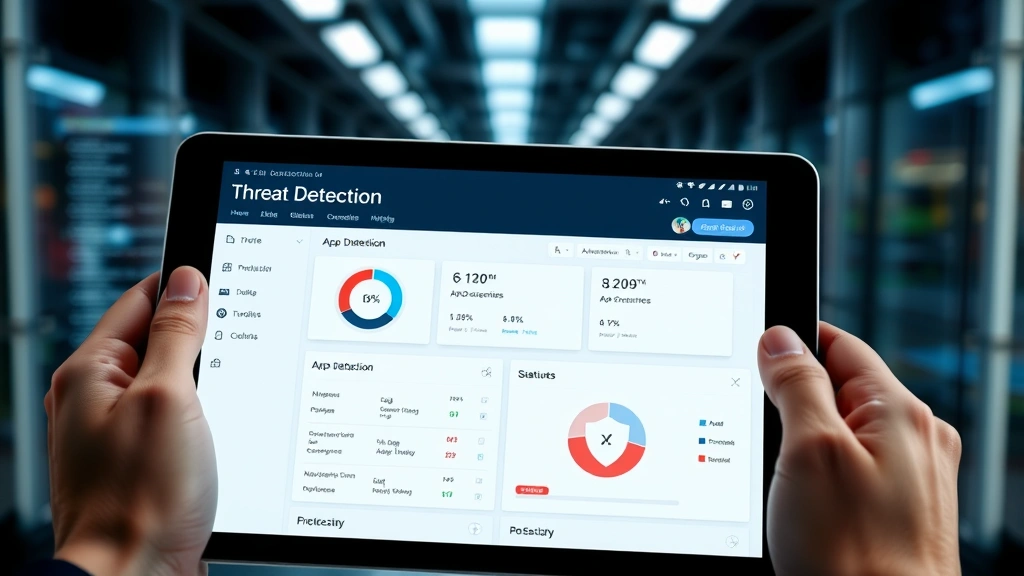
The Amazon Appstore removal deadline creates a measurable increase in overall device vulnerability. Security researchers have documented that devices running outdated applications experience significantly higher compromise rates compared to devices with current apps. The removal deadline accelerates the accumulation of vulnerable applications on users’ devices.
Vulnerability accumulation works exponentially. If a device contains ten removed apps, and each app averages three unpatched vulnerabilities, the device harbors thirty persistent security flaws. As time passes and new vulnerabilities are discovered in removed apps, this number increases. A device from 18 months ago might have accumulated 50+ unpatched vulnerabilities across various applications.
Network-level impacts extend beyond individual devices. Compromised devices become vectors for spreading malware throughout home networks and connected systems. A single device running vulnerable removed apps can compromise smart home systems, connected IoT devices, and other networked computers. The NIST cybersecurity framework emphasizes that individual device security directly impacts organizational security posture.
Enterprise environments face particularly acute risks when employees use personal devices running removed apps. These “bring your own device” (BYOD) scenarios create pathways for corporate network compromise. An employee’s personal device infected through a sideloaded app can provide attackers access to company systems, sensitive data, and intellectual property.
Protective Measures and Best Practices
Immediate protective action requires users to audit their installed applications and identify which apps they use regularly. For each regularly-used app, users should verify current availability on the Amazon Appstore. If an app remains available, ensure it’s updated to the latest version. If an app faces removal, users must decide whether to:
- Accept the removal and find alternative applications through official channels
- Uninstall the app immediately to eliminate vulnerability vectors
- Continue using the current version while accepting increased security risk
- Investigate alternative apps meeting similar functional requirements
For users who absolutely require removed applications, the Android security documentation provides guidance on secure sideloading practices. However, sideloading should only occur with apps from trusted developers you’ve verified independently, and only when official alternatives genuinely don’t exist.
Implement security controls to mitigate risks from potentially compromised apps:
- Enable app verification: Activate Google Play Protect (or equivalent security scanning) to scan installed applications for malware
- Restrict permissions: Review app permissions and disable unnecessary access to sensitive data, location, contacts, and camera/microphone
- Disable installation from unknown sources: Prevent the device from accepting app installations outside official stores unless specifically needed
- Enable security updates: Configure automatic security patch installation to address vulnerabilities as they’re discovered
- Monitor app behavior: Use device security dashboards to identify suspicious app activity or unexpected resource consumption
Regarding the ScreenVibeDaily Blog, users should verify that applications they rely on for entertainment remain available through official channels, particularly streaming apps and media players that may face removal deadlines.
Developer Compliance and User Protection
Developers bear significant responsibility in this transition. Maintaining compliance with Amazon’s requirements protects users from security risks while ensuring continued app availability. Developers should prioritize updating target API levels, implementing modern security practices, and addressing deprecated functionality.
For users discovering that favorite apps face removal, communicating with developers about the deadline may motivate them to update applications. Developer support and user engagement provide incentives for maintaining apps that might otherwise be abandoned. Users can check apps like those mentioned in Best Movies on Netflix guides to verify their media apps remain compliant.
Understanding the relationship between app store policies and security helps users make informed decisions. When Amazon enforces removal deadlines, the intent is preventing outdated, potentially vulnerable apps from distributing to new users. This protective mechanism fails when users respond by seeking apps through insecure channels.
Alternative approaches users might consider include exploring best movie review sites that aggregate content recommendations rather than relying on individual apps, or using web-based alternatives instead of native applications.

The Amazon Appstore removal deadline ultimately reflects the broader industry shift toward security-first app distribution. While the deadline creates short-term inconvenience, the long-term security benefits justify the transition. Users who proactively manage their apps, remove vulnerable software, and adopt secure alternatives emerge with significantly stronger security postures.
Collaborative responsibility—where users make informed decisions, developers maintain compliance, and platforms enforce standards—creates the secure mobile ecosystem that protects everyone. The removal deadline serves as an opportunity to audit your device security, eliminate unnecessary apps, and establish better practices for app management.
FAQ
What happens to apps already installed after the removal deadline?
Installed apps continue functioning but no longer receive updates through the Amazon Appstore. Users can continue using them, but they accumulate unpatched vulnerabilities over time. Eventually, operating system updates may render them incompatible.
Is sideloading apps safe after removal?
Sideloading carries significant risks because it bypasses official store security scanning. Only sideload apps from developers you’ve independently verified, and only when legitimate alternatives don’t exist. Enable security scanning tools like Google Play Protect to monitor sideloaded apps.
How do I find alternative apps for removed applications?
Search the Amazon Appstore for apps providing similar functionality. Read reviews from verified users, check developer credentials, and verify the app has recent updates. For specific categories like media apps, guides such as Best Family Movies 2025 may recommend alternatives.
Can removed apps be reinstalled if I uninstall them?
Once an app is completely removed from the Amazon Appstore, it cannot be reinstalled through official channels, even if you previously owned it. You’ll need to find alternatives or sideload the app from external sources.
How often does Amazon enforce removal deadlines?
Amazon periodically enforces removal deadlines aligned with Android OS version updates and security policy changes. Developers typically receive 60-90 days notice before enforcement occurs.
Should I uninstall all apps facing removal?
Uninstall apps you don’t actively use. For essential apps, evaluate alternatives or continue using the current version while accepting security risks. Never install replaced apps from unofficial sources unless absolutely necessary and from trusted developers.


