
Is Alexa Home Security Reliable? Expert Insights on Amazon’s Smart Home Protection
Amazon’s Alexa ecosystem has revolutionized how millions of households approach home automation and security monitoring. With voice-activated controls, real-time alerts, and integration with thousands of smart devices, Alexa presents itself as a convenient security solution. However, the question of whether Alexa home security is truly reliable requires a deeper examination of its capabilities, limitations, and potential vulnerabilities that homeowners must understand before relying on it as their primary protection mechanism.
As cyber threats evolve and smart home devices become increasingly targeted by malicious actors, understanding the security posture of platforms like Alexa is critical. This comprehensive analysis explores the technical architecture, real-world performance metrics, and expert recommendations for maximizing Alexa’s security effectiveness while mitigating inherent risks. Whether you’re considering Alexa for basic monitoring or comprehensive home protection, this guide provides the insights needed to make informed decisions about your smart home security strategy.
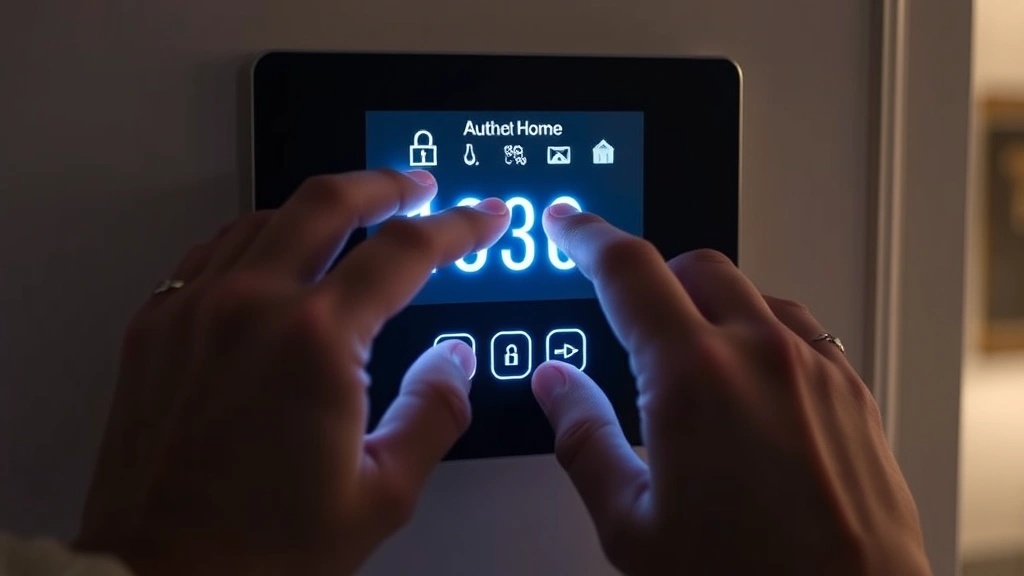
Understanding Alexa’s Home Security Capabilities
Amazon Alexa has evolved from a simple voice assistant into a sophisticated platform capable of managing various security functions. The system can control smart locks, monitor security cameras, trigger alarm systems, and send real-time notifications when unusual activity is detected. Alexa Guard, Amazon’s dedicated security feature, provides additional functionality including emergency response capabilities and activity monitoring when residents are away from home.
The core security capabilities include motion detection alerts from compatible cameras, door and window sensor monitoring, glass break detection through microphone-based analysis, and integration with professional monitoring services. Users can create automation routines that trigger specific responses to security events, such as turning on lights when motion is detected or locking doors automatically at specific times. These features work seamlessly across the Alexa ecosystem, creating a unified security interface accessible through voice commands or mobile applications.
However, it’s important to recognize that Alexa functions primarily as a control hub and notification system rather than a complete security solution. Unlike dedicated security systems with professional monitoring and hardened infrastructure, Alexa relies on internet connectivity and cloud-based processing. This architectural difference has significant implications for reliability and security that homeowners must carefully consider when evaluating whether Alexa meets their protection needs.

Encryption and Data Protection Standards
Amazon implements multiple layers of encryption to protect data transmitted between Alexa devices and cloud servers. Communications utilize TLS (Transport Layer Security) encryption for data in transit, and sensitive information stored in Amazon’s infrastructure employs AES-256 encryption at rest. This represents industry-standard encryption protocols that align with NIST cryptographic guidelines.
The encryption architecture includes end-to-end encryption for certain functions, though not all Alexa features operate with this level of protection. Voice recordings and interaction history are stored in encrypted formats, but Amazon retains access to these data for service improvement and troubleshooting purposes. Users can delete voice recordings manually, but the practice of data retention raises legitimate privacy concerns for security-conscious homeowners who may not want detailed activity logs stored in cloud infrastructure.
Authentication mechanisms employ multi-factor authentication options, including biometric verification and two-factor authentication through email or SMS. These security measures help prevent unauthorized access to accounts that could otherwise allow attackers to disable security features or access sensitive home information. The implementation of these standards demonstrates Amazon’s commitment to baseline security, though no system remains completely immune to sophisticated attacks.
Vulnerabilities and Security Concerns
Despite robust encryption standards, Alexa faces several documented security vulnerabilities that experts and security researchers have identified through rigorous testing. The reliance on cloud connectivity creates a potential single point of failure—if internet service is interrupted, Alexa loses capability to send alerts, process commands, or communicate with emergency services. This dependency on constant connectivity represents a significant limitation compared to traditional security systems with cellular backup and local processing capabilities.
Voice assistant vulnerabilities present another critical concern. Research from CISA (Cybersecurity and Infrastructure Security Agency) has highlighted how voice assistants can be exploited through voice spoofing, where attackers use recorded or synthesized audio to issue commands. While Alexa implements voice recognition technology to prevent unauthorized commands, determined attackers have demonstrated the ability to bypass these protections under certain conditions. Additionally, the “always-listening” microphones in Alexa devices create potential privacy vulnerabilities if devices are compromised.
Network security represents another area of concern. Alexa devices connected to home networks can become vectors for lateral movement if attackers gain initial access through other compromised devices. Poorly secured home WiFi networks significantly increase the risk that Alexa devices could be hijacked or used to attack other smart home components. The complexity of securing multiple interconnected devices means that a single weak point in the ecosystem can compromise the entire security infrastructure.
Integration vulnerabilities extend to third-party device compatibility. Since Alexa supports thousands of external devices through various protocols and APIs, the security posture depends not only on Amazon’s implementation but also on the security practices of countless third-party manufacturers. A vulnerability in any connected device could potentially affect Alexa’s overall reliability as a security platform.
Integration with Third-Party Devices
The strength of Alexa’s security ecosystem lies partially in its extensive device compatibility, yet this breadth creates substantial security management challenges. Compatible devices range from smart locks and cameras to motion sensors and alarm systems, each with varying security implementations. When integrating these devices, the security chain becomes only as strong as the weakest link—a vulnerable smart camera or poorly secured door lock could undermine the entire security system.
Device authentication and authorization protocols vary significantly among third-party manufacturers. Some implement robust OAuth-based authentication, while others use simpler credential-based systems more susceptible to compromise. Amazon attempts to maintain security standards through its Works with Alexa certification program, but this certification process focuses primarily on functionality rather than comprehensive security auditing. Manufacturers are responsible for maintaining security updates, and many smaller companies lack resources for consistent patching and vulnerability management.
Firmware update mechanisms across third-party devices present additional risks. Unlike Amazon’s devices, which receive regular security updates through automatic cloud-based delivery, many third-party devices require manual updates or depend on manufacturer-specific update systems. This fragmented update landscape means that known vulnerabilities may persist in some devices for extended periods, creating persistent attack surfaces within the Alexa ecosystem.
Expert Recommendations for Secure Implementation
Security experts and cybersecurity professionals emphasize that Alexa should function as a supplementary security tool rather than a primary protection mechanism. For organizations and homeowners with serious security requirements, Alexa works best when layered with dedicated security systems that include professional monitoring, cellular backup connectivity, and locally-processed security logic that doesn’t depend on cloud infrastructure.
Implementing Alexa securely requires following established best practices. First, ensure your home WiFi network employs WPA3 encryption (or WPA2 if WPA3 is unavailable) with a strong, unique password that doesn’t follow predictable patterns. Second, enable two-factor authentication on all Amazon accounts with Alexa access, using authenticator apps rather than SMS-based verification when possible. Third, regularly review which devices have permission to integrate with Alexa and revoke access for any unused or untrusted applications.
Regular security audits of your smart home ecosystem prove essential for maintaining protection. Periodically inventory all connected devices, verify they’re running current firmware versions, and test security features to ensure they function as expected. Create strong, unique passwords for each device and change default credentials immediately upon installation. Consider implementing network segmentation by placing smart home devices on a separate WiFi network from computers containing sensitive data, limiting potential lateral movement if a device is compromised.
Documentation of your security setup helps identify vulnerabilities. Maintain records of which devices connect to Alexa, their firmware versions, security features enabled, and any known vulnerabilities. This documentation becomes invaluable if you need to troubleshoot security incidents or make informed decisions about upgrading devices when vulnerabilities emerge. Additionally, disable features you don’t use—if you don’t need voice purchasing, turn it off to reduce attack surfaces.
Comparing Alexa to Dedicated Security Systems
Traditional dedicated security systems like ADT, Vivint, and Frontpoint differ fundamentally from Alexa in architecture, redundancy, and professional monitoring integration. These systems typically include cellular backup connectivity, ensuring that security monitoring continues even if your internet connection fails. They also employ 24/7 professional monitoring centers staffed with trained operators who can dispatch emergency services immediately when alarms trigger, providing response capabilities Alexa cannot match.
Dedicated systems implement local processing for critical security functions, meaning that doors locks, motion sensors, and alarm triggers operate independently of cloud connectivity. This architectural approach provides superior reliability compared to Alexa’s cloud-dependent model. However, dedicated systems generally cost significantly more, ranging from $20-60 monthly for monitoring plus substantial installation fees, whereas Alexa offers budget-friendly entry-level security functionality.
A hybrid approach combining both technologies offers optimal security for many homeowners. Use Alexa for convenience features like remote camera monitoring, smart lock control, and automation routines, while maintaining a traditional security system for critical protection functions. This strategy leverages Alexa’s strengths in accessibility and automation while relying on dedicated systems for reliability when security matters most. The redundancy created by multiple systems ensures that if one fails, your home maintains protection through alternative mechanisms.
Cost-benefit analysis should guide your decision. For renters or budget-conscious homeowners with low-risk properties, Alexa’s affordable smart home security features may provide sufficient protection. For homeowners in high-crime areas or those with valuable assets requiring serious protection, investing in both Alexa and a professional monitoring system offers the most comprehensive security posture available today.
FAQ
Can Alexa detect break-ins automatically?
Alexa can detect certain types of break-in attempts through compatible sensors and cameras that trigger alerts when doors or windows open unexpectedly. However, Alexa itself doesn’t actively detect break-ins—it relies entirely on third-party sensors to provide detection capability. Unlike dedicated security systems with professional monitoring, Alexa simply notifies you of events; it cannot dispatch emergency services automatically. The responsibility for response rests entirely with the homeowner.
Is Alexa’s voice recognition secure enough to prevent unauthorized commands?
Alexa’s voice recognition technology successfully prevents most unauthorized commands from random individuals, but research has demonstrated that sophisticated attackers can bypass these protections using voice spoofing techniques or exploiting device vulnerabilities. For critical security functions like unlocking doors, relying solely on voice recognition presents risks. Supplementary authentication methods, such as PIN codes for lock access, provide additional protection against voice-based attacks.
What happens to Alexa security features if the internet goes down?
If your internet connection fails, Alexa loses most security capabilities including remote monitoring, alert notifications, and emergency communication. Local automation routines programmed on individual devices may continue functioning, but cloud-dependent features become unavailable. This represents a critical limitation compared to cellular-enabled security systems that maintain monitoring capability during internet outages. For homeowners concerned about connectivity reliability, dedicated security systems with cellular backup provide superior protection.
How often does Amazon update Alexa’s security features?
Amazon releases security updates regularly, typically delivered automatically to Alexa devices through cloud-based deployment systems. However, the frequency and scope of security updates vary, and Amazon doesn’t publicly disclose detailed security patch information in advance. Users cannot control update timing, meaning critical security patches may take time to reach all devices. Checking Amazon’s official security advisories periodically helps you stay informed about known vulnerabilities affecting your devices.
Can Alexa be hacked to disable security features?
If an attacker gains access to your Amazon account through compromised credentials, they could potentially disable security features, remove devices from your Alexa system, or change automation routines. Additionally, if Alexa devices are compromised through network vulnerabilities or firmware exploits, attackers might disable security notifications or access integrated cameras and smart locks. This risk underscores the critical importance of strong account security, including two-factor authentication and regular password updates.


