Airport Cybersecurity: How Safe Are We? Expert Insights
Airports operate as critical infrastructure nodes connecting millions of travelers daily, yet they remain increasingly vulnerable to sophisticated cyberattacks. From air traffic control systems to passenger data management, the aviation industry faces mounting threats that demand immediate attention from security professionals and stakeholders. Understanding the current state of airport cybersecurity and the airport security positions responsible for defense is essential for travelers and industry insiders alike.
The intersection of operational technology and information technology at airports creates a complex security landscape. Legacy systems managing flight operations often lack modern security protocols, while newer systems connecting to passenger services introduce fresh attack vectors. Recent incidents involving airport networks, baggage handling systems, and even aircraft maintenance databases have exposed critical gaps in security infrastructure that could impact both safety and privacy on a massive scale.

The Current Threat Landscape at Airports
Airports worldwide face an evolving array of cyber threats that extend far beyond traditional hacking attempts. Nation-state actors, cybercriminal organizations, and individual threat actors all target aviation infrastructure for different motives—espionage, financial gain, or disruption. According to CISA’s critical infrastructure guidance, airports are classified as essential facilities requiring heightened security protocols due to their role in national transportation systems.
The sophistication of attacks has increased dramatically. Ransomware campaigns targeting airport operations have resulted in flight delays, cancelled services, and significant financial losses. In 2023, multiple international airports experienced major disruptions from coordinated attacks on baggage handling systems and check-in infrastructure. These incidents demonstrated that attackers have moved beyond reconnaissance into active disruption campaigns.
Threat actors increasingly exploit supply chain vulnerabilities, targeting vendors and contractors who maintain access to airport systems. A single compromised vendor with elevated privileges can provide attackers with pathways to critical infrastructure. This supply chain risk represents one of the most underestimated threats in aviation cybersecurity, requiring vigilant monitoring and strict access controls at every level of airport security positions and operational hierarchies.
Phishing and social engineering attacks remain devastatingly effective. Airport employees with access to sensitive systems frequently receive targeted emails designed to steal credentials or deploy malware. Training and awareness programs have improved, but human vulnerability continues to be the weakest link in security chains protecting aviation infrastructure.

Critical Infrastructure Vulnerabilities
Air traffic control systems represent perhaps the most critical vulnerability in airport cybersecurity. These systems, often running on decades-old technology, were designed for reliability rather than security. Modernization efforts are underway globally, but the pace of upgrades struggles to match the speed of emerging threats. A successful attack on air traffic control could have catastrophic consequences for aviation safety.
Baggage handling systems, while less critical than ATC, present significant operational and financial vulnerabilities. When these systems go offline due to cyberattacks, airports can process only a fraction of normal baggage volumes, creating massive operational backlog and passenger dissatisfaction. Recent incidents at major European and Asian airports showed that attackers specifically target these systems because disruption is immediately visible and causes maximum operational impact.
Passenger information systems storing personal data, travel documents, and payment information attract cybercriminals seeking financial gain or identity theft opportunities. Databases containing millions of passenger records represent incredibly valuable targets. Breaches of these systems can expose sensitive information including passport numbers, visa data, and payment card information—a goldmine for identity thieves and fraudsters.
Network segmentation remains inadequate at many airports. Operational technology networks managing critical functions are sometimes insufficiently isolated from corporate networks and internet-connected systems. This lack of proper segmentation means that a compromise in one area can potentially spread to critical systems. Best practices require air-gapped networks for the most sensitive operations, yet many airports still operate with insufficient isolation.
Physical security integration with cybersecurity creates additional complexity. Access control systems, CCTV networks, and perimeter security increasingly rely on networked technology. Compromising these systems could allow unauthorized physical access to sensitive airport areas, creating compounded security risks that blend cyber and physical threats.
Airport Security Positions and Responsibilities
Effective airport cybersecurity requires dedicated professionals in specialized airport security positions with expertise spanning multiple disciplines. Chief Information Security Officers (CISOs) at major airports now oversee comprehensive security programs addressing both cyber and physical threats. These executives develop security strategies, allocate resources, and ensure compliance with evolving regulations and standards.
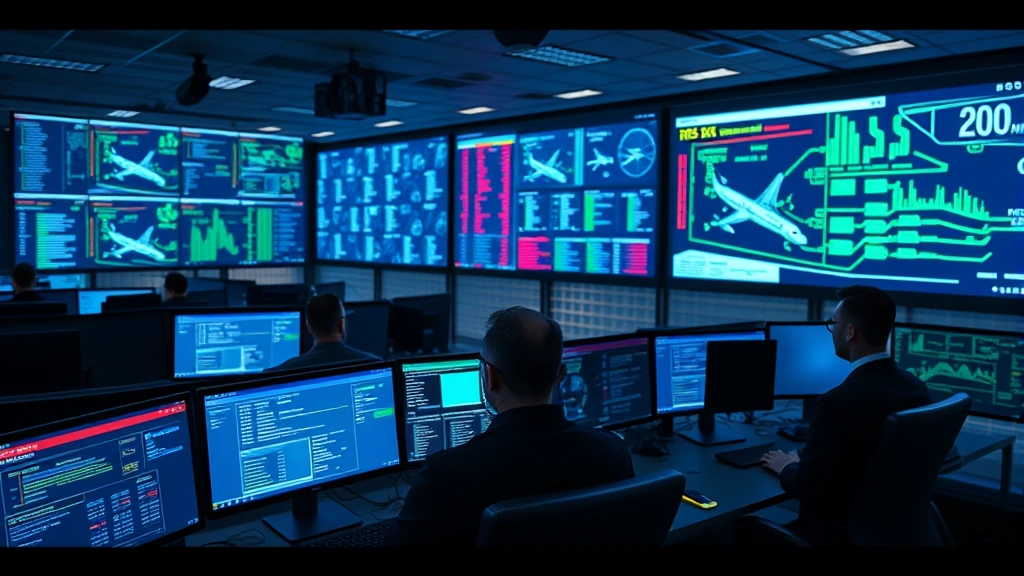
Cybersecurity analysts and engineers working in airport security positions focus on network monitoring, vulnerability assessment, and threat detection. These professionals operate security operations centers (SOCs) providing 24/7 monitoring of airport networks. Their ability to identify anomalous activity, investigate incidents, and respond rapidly determines whether attacks are contained or escalate into major disruptions.
Security architects design airport network infrastructure with security as a primary consideration. They implement network segmentation, deploy firewalls and intrusion detection systems, and establish secure communication protocols between critical systems. The complexity of airport environments—with hundreds of interconnected devices and systems from multiple vendors—makes architecture design a critical airport security positions responsibility.
Incident response teams represent the frontline defense when attacks occur. These specialists, filling critical airport security positions, must understand airport operations deeply enough to respond effectively while minimizing disruption to flights and passenger services. Their training includes forensic investigation, malware analysis, and coordination with law enforcement and aviation authorities.
Compliance and risk management professionals ensure airports meet regulatory requirements from aviation authorities, data protection regulations, and industry standards. They conduct risk assessments, maintain audit documentation, and coordinate security programs with operational departments. This role bridges cybersecurity and business operations, ensuring security measures support rather than hinder airport functionality.
Third-party risk managers oversee security for vendors and contractors with system access. Given the prevalence of supply chain attacks, these airport security positions have become increasingly important. They conduct security assessments, enforce contractual security requirements, and monitor vendor compliance with security standards throughout their engagement.
Data Protection and Passenger Privacy
Airports collect and maintain massive amounts of sensitive passenger data including personal identification, biometric information, travel patterns, and payment details. Protecting this information is both a legal obligation and an ethical responsibility. Data protection regulations like GDPR in Europe and various national privacy laws impose strict requirements on how airports handle personal information.
Encryption of data in transit and at rest represents a fundamental protection mechanism. However, many airports still operate legacy systems that predate modern encryption standards. Upgrading these systems requires significant investment and careful planning to avoid disrupting operations. The challenge intensifies when systems from multiple vendors must communicate securely—integration and interoperability concerns complicate encryption deployment.
Access controls limiting who can view sensitive passenger data are critical but frequently inadequate. Employees with legitimate operational needs sometimes have access to far more data than their specific role requires. Implementing principle of least privilege—granting users only the minimum access necessary—requires ongoing review and adjustment as responsibilities change.
Biometric data presents unique protection challenges. Airports increasingly use fingerprint scanning, facial recognition, and iris scanning for passenger processing. Biometric information, unlike passwords, cannot be changed if compromised. Stringent protection of biometric databases and careful consideration of retention policies are essential. Traveling to our blog for more on emerging technology risks can provide additional context on biometric vulnerabilities.
Data retention policies determine how long passenger information remains in airport systems after travel completes. Longer retention increases the window during which a breach could expose information. Many airports maintain data far longer than operationally necessary, creating unnecessary risk. Regular data purging and secure deletion procedures reduce the potential impact of breaches.
Industry Standards and Compliance
The International Air Transport Association (IATA) provides cybersecurity guidelines specifically tailored to aviation operations. These standards address airport-specific threats and operational constraints. Compliance with IATA recommendations is increasingly becoming a requirement for airports seeking insurance and maintaining operational certifications.
NIST Cybersecurity Framework provides a comprehensive approach to managing cybersecurity risk. Airports increasingly adopt NIST frameworks as a foundation for security programs, using the framework’s identify, protect, detect, respond, and recover functions to structure their cybersecurity efforts.
Aviation Safety authorities including the FAA in the United States and EASA in Europe have issued cybersecurity directives for airports and airlines. These directives establish minimum security standards, reporting requirements for incidents, and timelines for implementing protective measures. Compliance is mandatory and subject to audit and enforcement actions.
CISA’s critical infrastructure security programs provide specific guidance for airport operators. CISA offers threat intelligence sharing, vulnerability assessments, and incident response support to airports designated as critical infrastructure. Participation in these programs strengthens airport security posture through government partnership.
ISO 27001 certification for information security management has become increasingly common among major airports. This international standard establishes requirements for implementing, maintaining, and improving information security management systems. Certification demonstrates to stakeholders that airports have implemented recognized security practices and maintain ongoing compliance.
Personal data protection compliance varies significantly by jurisdiction. Airports operating internationally must comply with multiple regulatory frameworks. GDPR in Europe, CCPA in California, and similar regulations in other regions impose strict requirements on data handling, breach notification, and user rights. Non-compliance carries substantial penalties and reputational damage.
Future-Proofing Airport Networks
Zero-trust architecture represents the future direction for airport cybersecurity. This approach assumes no implicit trust based on network location and requires authentication and authorization for every access request, whether from internal systems or external connections. Implementing zero-trust requires significant architectural changes but provides substantially stronger security posture than traditional perimeter-based approaches.
Artificial intelligence and machine learning technologies offer promising capabilities for airport threat detection. These systems can analyze massive volumes of network traffic and system logs to identify patterns indicating compromise or attack activity. However, AI systems themselves present security challenges—adversarial attacks and model poisoning represent emerging threats that security professionals must understand and defend against.
Quantum computing on the horizon presents both opportunities and threats. Current encryption standards will become vulnerable to quantum-capable computers. Airports must begin planning now for post-quantum cryptography migration, a multi-year process requiring coordination across systems from multiple vendors. Organizations like NIST’s post-quantum cryptography project provide guidance on this critical transition.
Continuous monitoring and adaptive security represent essential approaches for future airport networks. Rather than relying on periodic security assessments, modern airports must implement continuous monitoring that detects threats in real-time and adapts defenses dynamically. This shift requires investment in monitoring technology and skilled personnel filling airport security positions focused on threat detection and response.
Workforce development remains critical for airport cybersecurity advancement. Recruiting and retaining qualified cybersecurity professionals in competitive labor markets challenges airports globally. Investing in training programs, creating attractive career paths, and developing partnerships with educational institutions can help airports build the skilled workforce necessary for effective security operations.
Supply chain security will continue demanding increased attention. Airports must implement rigorous vendor assessment programs, enforce security requirements contractually, and monitor compliance continuously. Cyber insurance requirements increasingly mandate strong supply chain security programs, creating financial incentives for implementing these protective measures.
Public-private partnerships strengthen airport cybersecurity through information sharing and coordinated response. Airports benefit from threat intelligence shared through government agencies and industry groups. Participating in information sharing initiatives provides early warning of emerging threats affecting aviation globally, enabling proactive defenses before attacks materialize locally.
FAQ
What are the most common cyberattacks targeting airports?
Ransomware attacks on baggage handling and check-in systems remain most common due to immediate operational impact. Phishing campaigns targeting employee credentials, data theft attacks on passenger information databases, and denial-of-service attacks on web-facing systems also occur frequently. Nation-state actors sometimes conduct espionage-focused attacks targeting sensitive aviation technology and intelligence.
How do airports protect passenger data from breaches?
Encryption, access controls, network segmentation, and regular security assessments form the foundation of passenger data protection. Multi-factor authentication for system access, continuous monitoring for unauthorized access attempts, and incident response procedures for rapid containment help prevent and respond to breaches. Regular security awareness training for employees reduces successful phishing and social engineering attacks.
What qualifications do cybersecurity professionals need for airport security positions?
Relevant qualifications include computer science or cybersecurity degrees, certifications like CISSP or CEH, and increasingly, specialized knowledge of operational technology and aviation systems. Experience with incident response, network security, and compliance requirements is highly valued. Security clearances are often required for positions with access to sensitive aviation information.
Are airports vulnerable to physical attacks through cyber systems?
Yes, this represents a significant integrated security risk. Compromising access control systems could enable unauthorized physical access to restricted areas. Disabling security cameras or alarm systems through cyber attacks could facilitate physical breaches. Sophisticated attackers increasingly combine cyber and physical attack techniques, requiring airports to integrate cybersecurity and physical security planning.
How frequently do airports experience cyber incidents?
Exact frequency remains unclear due to underreporting, but major incidents affecting multiple airports occur several times annually. Smaller incidents affecting individual airports likely occur much more frequently. Most airports experience attempted attacks daily, though effective defenses prevent most from succeeding. Reporting requirements vary by jurisdiction, making comprehensive incident data difficult to obtain.
What should travelers do to protect their data when flying?
Use strong, unique passwords for airline and airport accounts. Enable multi-factor authentication wherever available. Avoid using public Wi-Fi for accessing sensitive information; use VPN services if internet access is necessary. Monitor financial accounts and credit reports for suspicious activity. Be cautious of phishing emails claiming to be from airports or airlines. Consider credit monitoring services if traveling frequently internationally.


