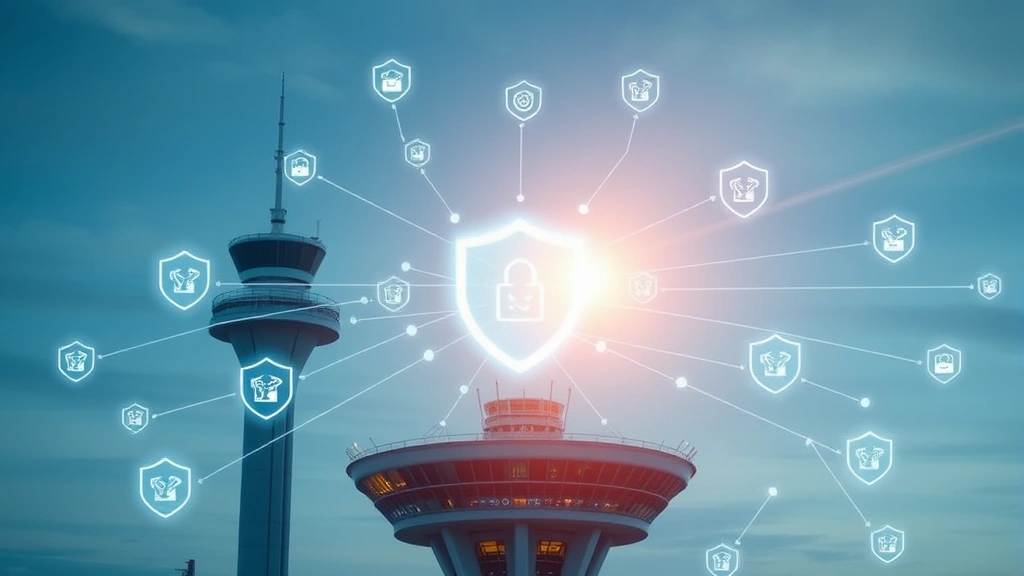
Airport Cyber Threats? Insider Insights from Security Professionals
Airports represent one of the most critical infrastructure targets in the modern world, yet many travelers and even some security personnel underestimate the sophisticated cyber threats operating behind the scenes. An airport security officer today faces unprecedented challenges that extend far beyond traditional physical security concerns. The convergence of operational technology, passenger data systems, and interconnected networks creates a complex attack surface that cybercriminals and nation-state actors actively exploit.
The aviation industry processes millions of personal records daily, manages flight operations across international borders, and controls critical infrastructure that affects national security. Insider threats, ransomware attacks, and advanced persistent threats (APTs) targeting airport systems have increased dramatically over the past five years. Understanding these cyber threats is essential not only for security professionals but also for anyone who depends on airport infrastructure for travel and commerce.
This comprehensive guide provides insider perspectives on airport cyber security challenges, the evolving threat landscape, and practical insights from security experts who work daily to protect these vital facilities.
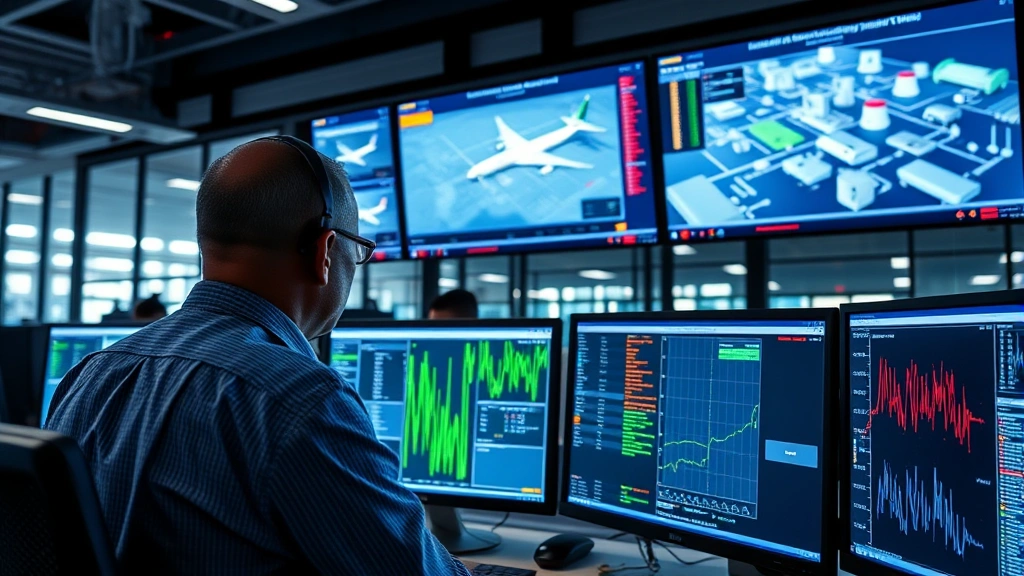
Understanding Airport Cyber Infrastructure
Modern airports operate as complex ecosystems of interconnected systems that would astonish most travelers. An airport security officer must understand that cyber security extends far beyond protecting passenger records. The infrastructure includes baggage handling systems, air traffic control interfaces, access management systems, surveillance networks, and operational technology platforms that coordinate thousands of daily flights.
The Federal Aviation Administration (FAA) and international aviation authorities have established guidelines for protecting these systems, yet implementation varies significantly across facilities. Many airports operate legacy systems that were never designed with cyber threats in mind, creating vulnerabilities that persist despite modernization efforts. These older systems often lack encryption, multi-factor authentication, and intrusion detection capabilities.
Airport networks typically operate in segmented zones: passenger-facing systems, operational technology networks, administrative systems, and third-party vendor connections. Each segment presents unique security challenges. The integration of IoT devices, cloud services, and mobile applications has expanded the attack surface exponentially. Security professionals must now consider threats from multiple vectors simultaneously.
According to CISA’s critical infrastructure guidelines, airports fall under the transportation systems sector, requiring adherence to specific security frameworks and incident reporting protocols. However, many smaller regional airports struggle with resource constraints that limit their ability to implement comprehensive cyber defenses.

Major Threats Targeting Aviation Systems
The threat landscape facing airports includes both opportunistic cybercriminals and sophisticated adversaries with nation-state backing. Understanding these threats helps security personnel identify suspicious activities and respond appropriately. Common attack vectors include:
- Phishing and Social Engineering: Attackers target airport employees with credentials and access to critical systems, making human vulnerability the weakest link in the security chain
- Advanced Persistent Threats: Nation-state actors conduct long-term reconnaissance and establish backdoors within airport networks, sometimes remaining undetected for months or years
- Supply Chain Attacks: Compromising software vendors or hardware manufacturers allows attackers to infiltrate airport systems at scale
- Zero-Day Exploits: Previously unknown vulnerabilities in airport software systems are actively exploited before patches become available
- DDoS Attacks: Distributed denial-of-service attacks can disrupt online booking systems, check-in kiosks, and passenger information displays
The NIST Cybersecurity Framework provides a structured approach for identifying and managing these threats across five core functions: identify, protect, detect, respond, and recover. Airports implementing this framework demonstrate significantly improved threat detection and incident response capabilities.
One particularly concerning threat involves compromising baggage handling systems, which could allow attackers to manipulate luggage routing, create operational chaos, or facilitate smuggling operations. These systems operate with minimal oversight once checked, making them attractive targets for sophisticated adversaries.
Insider Threats and Human Vulnerability
An informed airport security officer recognizes that insider threats represent one of the most dangerous attack vectors. Employees with legitimate system access pose significant risks when compromised through blackmail, financial incentives, ideological motivation, or simple negligence.
Airport employees range from security personnel to maintenance staff, IT administrators, baggage handlers, and catering workers. Each group has varying levels of system access, and determining appropriate access levels requires careful analysis. A baggage handler may need access to physical areas and baggage systems but should not access passenger records or flight operations data.
Insider threat indicators include:
- Unusual access patterns outside normal work hours
- Attempts to access systems beyond job requirements
- Behavioral changes suggesting financial distress or personal problems
- Unauthorized data downloads or transfers
- Sharing credentials with colleagues or external parties
- Resistance to security policy implementation
The CISA Insider Threat Program emphasizes that effective detection requires balanced approaches combining technical monitoring with human-centered security practices. Creating a culture where employees understand security importance while feeling supported encourages reporting of suspicious activities.
Many airports have implemented insider threat programs with dedicated teams responsible for identifying and mitigating risks. These programs coordinate between human resources, IT security, physical security, and management to create comprehensive employee monitoring and support systems.
Ransomware and Operational Disruption
Ransomware attacks have emerged as the primary financial threat to airport operations. These attacks encrypt critical systems, rendering them unusable until victims pay ransom demands, typically ranging from hundreds of thousands to millions of dollars. For airports, operational disruption extends beyond financial losses to affect thousands of passengers and damage reputation.
Recent high-profile airport ransomware incidents have demonstrated the vulnerability of even major international facilities. When baggage systems go offline, passengers experience delays and lost luggage. When check-in systems fail, security lines back up dangerously. When flight management systems are compromised, entire operations can grind to a halt.
Ransomware typically enters airport networks through:
- Phishing emails targeting employees with access to critical systems
- Compromised third-party vendor connections
- Vulnerable remote access solutions used for system administration
- Unpatched software vulnerabilities in internet-facing applications
- Malware distributed through legitimate software supply chains
An effective ransomware defense strategy includes maintaining offline backups, implementing network segmentation to limit lateral movement, deploying advanced endpoint detection and response (EDR) solutions, and conducting regular incident response drills. Security officers should understand their role in incident response procedures and how to report suspicious system behavior to IT security teams.
Passenger Data Protection Challenges
Airports and airlines handle vast quantities of sensitive passenger information including names, addresses, passport numbers, payment information, biometric data, and travel history. This data attracts cybercriminals seeking identity theft opportunities and organized crime networks requiring travel documentation.
Data breaches at airport facilities have exposed millions of passenger records, resulting in regulatory fines, legal liability, and loss of public trust. The challenge intensifies because passenger data flows through multiple systems and organizations: airlines, ground handlers, security screeners, customs authorities, and third-party vendors.
Compliance requirements add complexity to data protection efforts. The General Data Protection Regulation (GDPR) in Europe, the California Consumer Privacy Act (CCPA), and various international standards impose strict requirements for data handling, breach notification, and user consent. Violations result in substantial fines and operational restrictions.
Data protection best practices for airports include:
- Implementing encryption for data at rest and in transit
- Limiting data access to employees with legitimate business needs
- Conducting regular data discovery audits to identify sensitive information stores
- Establishing data retention policies that minimize exposure duration
- Implementing privacy by design principles in system development
Security officers should understand what passenger data exists in their facilities, who accesses it, and how it flows through systems. This knowledge enables identification of unusual access patterns that might indicate data theft.
Security Officer Response Protocols
An airport security officer equipped with cyber security knowledge can serve as a critical early warning system for cyber incidents. While IT specialists handle technical response, security personnel often detect initial indicators of compromise through their physical presence and access to multiple information sources.
Effective response protocols should clarify the security officer’s role in cyber incident detection and reporting. Key responsibilities include:
- Monitoring for unusual system behavior or access patterns
- Reporting suspicious employee activities to appropriate authorities
- Protecting evidence during incident response investigations
- Maintaining physical security during cyber incidents that might distract personnel
- Communicating incident status to personnel as authorized by management
- Assisting with access control during system compromises
Security officers should receive training on recognizing social engineering attempts, understanding phishing indicators, and proper escalation procedures for cyber concerns. Many incidents go undetected because employees lack awareness of what constitutes suspicious activity.
Incident response procedures should integrate physical and cyber security teams. A ransomware attack affecting baggage systems might require physical security to manage passenger flow and prevent unauthorized access to restricted areas while IT teams work on system recovery.
Best Practices for Airport Cyber Defense
Leading airports implement comprehensive cyber security strategies that combine technical controls, process improvements, and personnel training. These multi-layered approaches significantly reduce breach likelihood and improve incident response effectiveness.
Technical Controls: Modern airports deploy firewalls, intrusion detection systems, endpoint protection, and security information and event management (SIEM) platforms. These tools provide visibility into network activity and enable rapid threat detection. However, tools alone prove insufficient without proper configuration, monitoring, and incident response capabilities.
Network segmentation separates critical systems from general networks, limiting attacker lateral movement. If a phishing attack compromises a passenger service employee’s workstation, network segmentation prevents access to flight operations or baggage system networks.
Vendor Management: Third-party vendors accessing airport systems represent significant risks. Comprehensive vendor security assessments, contractual security requirements, and monitoring of vendor access help mitigate supply chain risks. Many breaches occur through compromised vendor credentials or malware introduced via vendor connections.
Security Awareness Training: The most effective cyber security defense includes educated employees. Regular training on phishing recognition, password security, data handling, and incident reporting creates a security-conscious workforce. Training should be role-specific, with airport security officers receiving content relevant to their responsibilities.
Incident Response Planning: Airports should maintain current incident response plans addressing various cyber scenarios. These plans should clarify roles and responsibilities, define escalation procedures, establish communication protocols, and identify external resources including law enforcement and cybersecurity firms. Regular tabletop exercises and simulations test plan effectiveness and identify gaps.
Continuous Monitoring: Passive security measures prove insufficient in modern threat environments. Continuous monitoring detects anomalies that might indicate compromise. This includes monitoring user access patterns, data transfers, system configurations, and network traffic. Anomaly detection algorithms identify behavior deviations from established baselines.
Security officers can contribute to continuous monitoring by reporting observations about employee behavior, unusual system access requests, or suspicious activities. Their physical presence throughout facilities provides visibility that technical monitoring alone cannot achieve.
The Transportation Security Administration (TSA) provides resources and guidance for airport security enhancement, including cyber security considerations. Collaboration between TSA, airport management, airlines, and security contractors strengthens industry-wide defenses.
Emerging technologies like artificial intelligence and machine learning enhance threat detection capabilities by identifying patterns humans might miss. However, these technologies require continuous refinement and human oversight to maintain effectiveness and prevent false positives that distract security teams from genuine threats.
FAQ
What are the most common cyber attacks targeting airports?
Ransomware, phishing attacks, and data breaches rank among the most common threats. Ransomware disrupts operations by encrypting critical systems, phishing compromises employee credentials, and data breaches expose passenger information. Advanced persistent threats from nation-states also target major airports for espionage and disruption purposes.
How can airport security officers help prevent cyber incidents?
Security officers enhance cyber defense through vigilant observation of employee behavior, reporting suspicious activities to IT security teams, maintaining physical security during cyber incidents, and participating in security awareness training. Their ground-level perspective often detects initial compromise indicators before technical monitoring systems alert analysts.
What should airports do after detecting a cyber incident?
Airports should immediately activate incident response procedures, isolate affected systems, preserve evidence for investigation, notify appropriate authorities including law enforcement, and communicate with stakeholders as necessary. Engaging external cybersecurity experts and maintaining incident response coordination between physical and cyber security teams ensures comprehensive response.
How do airports protect passenger data from cyber attacks?
Effective passenger data protection includes encryption, access controls limiting data exposure to authorized personnel, regular security audits, vendor security assessments, compliance with data protection regulations, and incident response procedures for potential breaches. Data minimization—collecting and retaining only necessary information—reduces exposure.
What role does government play in airport cyber security?
Government agencies including the FBI Cyber Division, CISA, and the TSA provide threat intelligence, security guidance, incident response support, and regulatory oversight. These agencies coordinate with airport operators to enhance industry-wide security and respond to sophisticated threats targeting critical infrastructure.
How often should airports conduct security training?
Security awareness training should occur at least annually, with specialized training for high-risk roles more frequently. Phishing simulations should run quarterly to maintain employee vigilance. Incident response drills should occur semi-annually to ensure personnel understand their roles during cyber crises.


