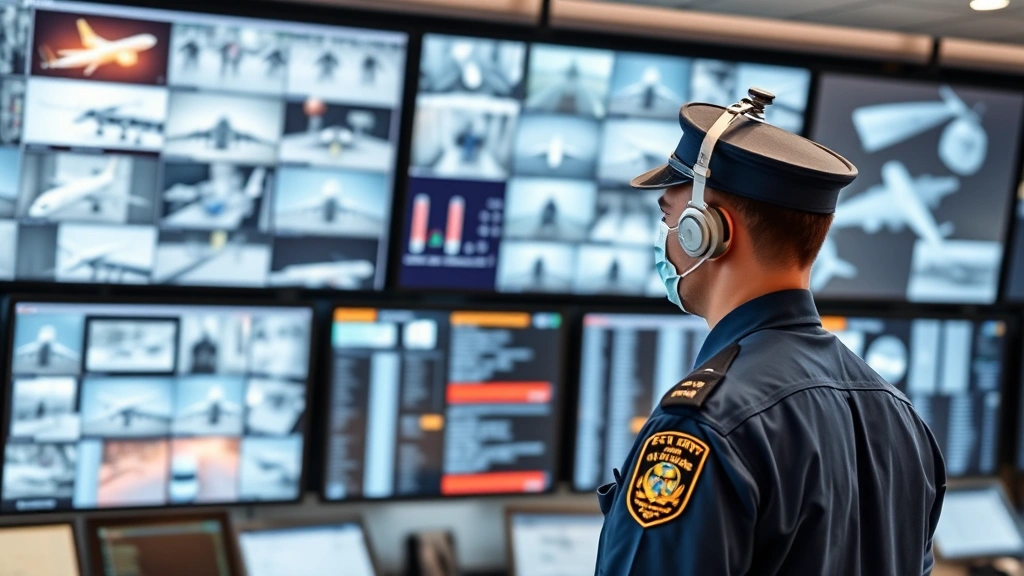
Airport Security Guard: Cyber Threats You Face Daily
Airport security guards work on the frontlines of physical safety, but increasingly face digital threats that can compromise airport operations, passenger data, and national security. As an airport security professional, you’re not just protecting against traditional threats—you’re part of a critical infrastructure sector that’s become a prime target for cybercriminals and state-sponsored actors. Understanding the cyber landscape is essential to your role, whether you’re monitoring terminals, checking credentials, or coordinating with other security teams.
The intersection of physical and cyber security at airports creates unique vulnerabilities. Your access to secure areas, badge systems, and communication networks makes you a potential target for social engineering attacks. Meanwhile, the systems you rely on daily—from baggage screening to access control—depend on robust cybersecurity measures that protect both operational continuity and passenger safety. This guide explores the specific cyber threats airport security guards encounter and provides actionable strategies to strengthen your security posture.
Understanding Your Role in Airport Cybersecurity
Airport security guards occupy a unique position in the cybersecurity ecosystem. You’re not IT professionals, but you’re critical observers and gatekeepers. Your awareness and vigilance can prevent breaches before they occur. The Transportation Security Administration (TSA) and airport operators increasingly recognize that security awareness among frontline staff is fundamental to protecting against sophisticated cyber threats.
As an airport security guard, you interact with multiple systems daily: badge readers, surveillance networks, communication devices, and passenger screening databases. Each interaction creates a potential vulnerability if not handled properly. Cybersecurity isn’t just about firewalls and encryption—it’s about human behavior, procedures, and awareness. Your role involves understanding how cyber threats manifest in physical security contexts and recognizing when something seems unusual or suspicious.
The airport environment presents distinct challenges. You’re managing high-volume passenger traffic, coordinating with multiple agencies, and operating under time pressure. Cybercriminals exploit these conditions by creating urgency, confusion, or exploiting fatigue. A tired security guard rushing through access logs is more likely to miss a suspicious badge clone or an unauthorized credential. Understanding these vulnerabilities in your own operational environment is the first step toward effective defense.
Social Engineering and Phishing Attacks
Social engineering represents one of the most dangerous cyber threats facing airport security personnel. Attackers understand that your badge provides access to secure areas and that your position carries authority. They’ll impersonate airport staff, vendors, contractors, or government officials to manipulate you into revealing information or granting unauthorized access.
Common social engineering tactics include:
- Impersonation: Someone claims to be from IT support, TSA, or airport administration needing urgent access or information. They create false urgency: “We need your badge number to verify your account before the system locks you out.” Never provide badge numbers, PINs, or access codes regardless of who’s asking.
- Phishing emails: Messages that appear legitimate but contain malicious links or attachments. An email might seem to come from your airport’s human resources or security department, directing you to “verify your credentials” through a fake login page. Always verify email sources through official airport channels before clicking links.
- Vishing (voice phishing): Attackers call claiming to be IT support or security personnel. They request information about your access procedures, badge types, or security protocols. Professional security staff will never ask for sensitive information over unsecured phone lines.
- Tailgating exploitation: Someone follows you through secure doors, claiming to be a new employee or contractor. While your role involves checking credentials, attackers specifically target security guards because they expect you to be helpful and accommodating.
The key defense is skepticism combined with verification. If someone requests information or access, take their name and contact information and verify it through official airport channels. It’s always acceptable to say, “Let me confirm this through our security office.” Legitimate requests will withstand this verification. Attackers will often hang up or become aggressive when challenged, revealing their malicious intent.
Your airport should provide regular phishing awareness training specifically tailored to airport environments. If your facility hasn’t conducted this training recently, request it from your security management. Understanding how attackers think helps you recognize manipulation attempts before they succeed.
Badge and Access Control Vulnerabilities
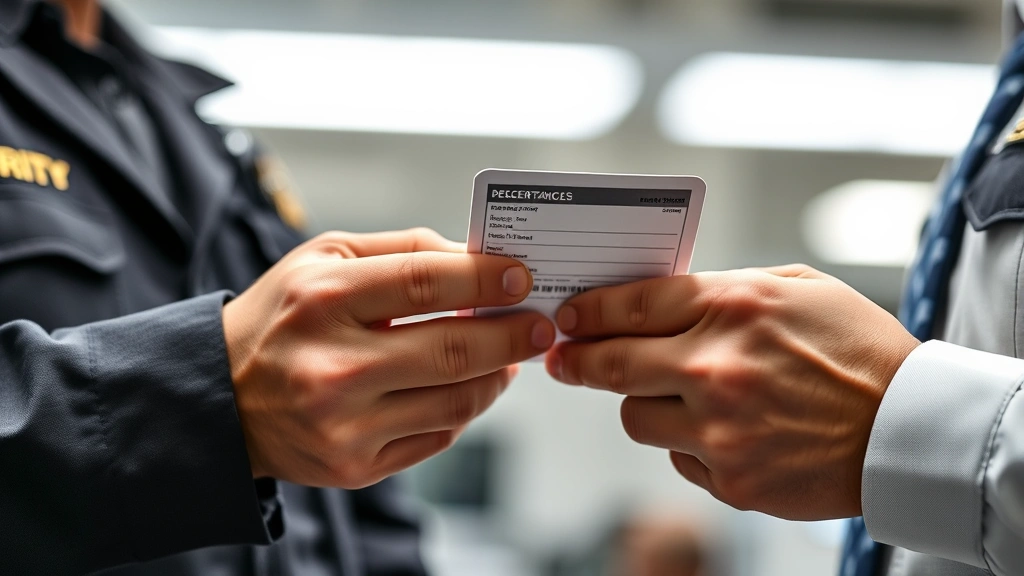
Physical access control systems are increasingly digital, creating intersections between physical and cyber security. Your badge isn’t just a physical token—it’s a digital credential that interfaces with networked systems. Compromising badge systems can grant attackers access to secure areas, sensitive equipment, or operations centers.
Several vulnerabilities threaten badge systems:
- Badge cloning: Attackers can duplicate RFID or magnetic stripe badges using relatively inexpensive equipment. A cloned badge might allow unauthorized individuals to access secure areas. Report any badges found in suspicious locations immediately. Damaged or worn badges should be reported and replaced through proper channels.
- Credential harvesting: Attackers observe your badge as you use it, photographing it or noting its number. They then create false credentials matching your access level. Never leave your badge visible when off-duty. Protect it as you would a credit card.
- System manipulation: Sophisticated attackers might compromise the access control database, adding unauthorized users or elevating privileges. You might notice this through unusual access patterns, unfamiliar personnel in restricted areas, or system malfunctions. Report these anomalies to IT and security management immediately.
- Insider threats: Disgruntled employees or contractors might intentionally compromise badge systems or grant unauthorized access. Coordinate with security management if you notice suspicious behavior from airport staff or contractors.
Best practices for badge security include: never sharing your badge with colleagues, even briefly; immediately reporting lost or stolen badges; protecting your badge from observation when entering access codes; and questioning unfamiliar personnel who claim to have legitimate access. If someone’s badge doesn’t seem right—it’s damaged, the photo doesn’t match the person, or it seems inconsistent with their stated role—you’re authorized to request additional identification and verification.
Your airport’s access control system should be regularly audited. If you notice that badge access seems inconsistent or that unauthorized individuals are accessing areas, report this to your security director. These observations might indicate a breach requiring immediate investigation.
Threat Intelligence and Emerging Risks
Cyber threats evolve constantly. Attackers develop new techniques, and threat actors identify new vulnerabilities. Staying informed about emerging threats helps you recognize attacks before they succeed. Your airport’s security team should receive NIST cybersecurity framework updates and threat intelligence briefings.
Recent threat trends affecting airports include:
- Ransomware targeting airport operations: Attackers encrypt critical systems, disrupting baggage handling, check-in, or security screening. Your role involves recognizing when systems malfunction in ways consistent with cyberattacks and reporting them to IT immediately.
- Credential stuffing: Attackers use stolen username and password combinations from breaches elsewhere to access airport systems. Use unique, strong passwords for all airport systems and change them regularly. If you receive notifications of breaches affecting websites you’ve used, update your airport credentials immediately.
- Supply chain attacks: Attackers compromise vendors who provide software or services to airports, inserting malicious code. Be cautious about installing updates or software from sources you don’t recognize. Legitimate updates come through official airport IT channels.
- Deepfake and AI-generated impersonation: Attackers use AI to create convincing fake videos or audio of airport officials requesting unusual actions. Always verify significant requests through independent channels before complying.
CISA’s airport security resources provide current threat intelligence and best practices. Your security management should subscribe to these updates and brief security personnel regularly.
Best Practices for Daily Operations
Practical cybersecurity awareness becomes habitual through consistent practice. Implementing these daily practices strengthens your personal security posture and contributes to overall airport security:
Device and System Security: If you use airport computers or mobile devices for work, lock them immediately when stepping away. Never leave credentials visible on screens. Report any suspicious software or system behavior to IT. Don’t connect personal devices to airport networks without authorization, and never use public WiFi for accessing airport systems.
Information Handling: Sensitive information about airport operations, passenger data, or security procedures should never be discussed outside secure environments. Don’t post about your work on social media, even vaguely. Attackers monitor social media for information about airport operations and personnel.
Communication Security: Use official airport communication channels for sensitive discussions. Personal text messages and unencrypted email can be intercepted. If discussing security concerns, use secure communication methods specified by your security department. Be cautious about discussing operations in public areas where conversations might be overheard.
Observation and Reporting: Your observational skills are critical security assets. Notice unusual behavior: someone repeatedly trying access points, someone photographing security infrastructure, unusual vehicles in restricted parking areas, or unfamiliar personnel accessing sensitive areas. Report these observations through proper channels. Don’t confront suspicious individuals directly—notify security management immediately.
Training and Awareness: Participate actively in security training and awareness programs. Cybersecurity awareness isn’t a one-time training—it’s ongoing education. Your airport’s security team should conduct regular training updates. If training isn’t current, request it. Understanding current threats makes you more effective at recognizing attacks.
Personal Accountability: Understand that your actions impact airport security. Tailgating others through secure doors, even to be helpful, creates vulnerabilities. Challenging unfamiliar individuals for credentials might seem uncomfortable, but it’s your responsibility. Document unusual incidents and follow your airport’s reporting procedures.

Reporting and Response Protocols
Recognizing a cyber threat is only half the battle. Proper reporting and response procedures ensure that threats receive appropriate attention from personnel equipped to handle them. Your airport should have clear incident reporting procedures that you understand and can execute quickly.
Establish what constitutes a reportable incident at your facility. This typically includes:
- Suspicious emails or messages requesting credentials or access information
- Unauthorized access attempts or badge anomalies
- Unusual system behavior or malfunctions
- Suspicious behavior by personnel or visitors
- Potential social engineering attempts
- Suspected data breaches or information exposure
Know your reporting chain. Typically, you’ll report to your security supervisor or manager, who escalates to the airport’s security director and IT department. Some airports have dedicated cybersecurity incident reporting hotlines or email addresses. Ask your management for these contact details and ensure you have them readily available.
When reporting incidents, provide specific details: exactly what happened, when it occurred, who was involved, and any evidence you’ve collected. Avoid speculation—stick to facts. If you suspected a phishing email, save it rather than deleting it. If you noticed badge anomalies, document the specific badges and access points involved.
Your airport should have an incident response plan that defines how cyber threats are handled. This plan should include communication procedures, containment strategies, and recovery timelines. As a security guard, you might be involved in containment activities: restricting access to affected areas, securing physical evidence, or assisting with investigation procedures.
After incidents, participate in post-incident reviews if requested. These reviews help your airport improve security procedures and prevent similar incidents. Your frontline perspective is valuable for identifying procedure gaps or training needs.
External reporting might also be necessary. CISA accepts cybersecurity incident reports from critical infrastructure facilities. Your airport’s security leadership will determine if external reporting is appropriate, but you should understand that serious incidents might be reported to federal authorities.
FAQ
What should I do if I receive a suspicious email claiming to be from airport IT?
Don’t click any links or download attachments. Instead, verify the email’s authenticity by calling your airport’s IT support using a phone number from your official airport directory—not a number in the email. Report the suspicious email to your security management and IT department. Most airports have procedures for handling phishing attempts.
Is it my responsibility to understand complex cybersecurity concepts?
No. Your responsibility is awareness and vigilance, not technical expertise. You don’t need to understand how encryption works or how firewalls function. You do need to recognize suspicious behavior, follow security procedures, and report anomalies. Your airport’s IT and security teams handle technical aspects.
What if someone claims to be a contractor who needs access but doesn’t have proper credentials?
Never grant access based on claims or promises. Always require proper identification and verification through official airport channels. Contact your security supervisor to verify the contractor’s legitimacy. Legitimate contractors will have proper documentation and won’t pressure you for immediate access.
How can I protect my personal information from being used to compromise airport security?
Use strong, unique passwords for all accounts—both work and personal. Enable multi-factor authentication wherever available. Be cautious about what you share on social media, especially information that could identify your employer or role. Monitor your credit and consider identity theft protection services. If you’re notified of breaches affecting accounts you use, change your airport system passwords immediately.
What’s the difference between a cyber threat and a physical security threat?
Physical threats are tangible—someone trying to force entry, vandalism, or violence. Cyber threats are digital—hacking, malware, unauthorized access to systems. However, they often interconnect. A cyber attack might disrupt physical security systems. A physical intrusion might be preceded by cyber reconnaissance. Both require your awareness and reporting.
Should I be concerned about my personal devices being hacked?
Yes, especially if you use personal devices for airport-related purposes. Keep your personal devices updated with security patches. Use strong passwords and multi-factor authentication. Avoid connecting to unsecured public WiFi. If you suspect your personal device has been compromised, inform your airport’s IT department—it might affect airport security if the device has accessed airport networks.
How often should airport security staff receive cybersecurity training?
Industry best practices recommend annual cybersecurity awareness training as a minimum, with quarterly refresher briefings on emerging threats. Your airport might conduct more frequent training depending on threat levels and recent incidents. If training isn’t current at your facility, request it from your security management.
What should I do if I notice someone taking photographs of security infrastructure?
Observe from a safe distance without confronting the individual. Note their appearance, vehicle details, and exactly what they were photographing. Contact your security supervisor or local law enforcement immediately. Photographing security infrastructure might indicate reconnaissance for a planned attack. Don’t assume it’s innocent—let security professionals evaluate it.


