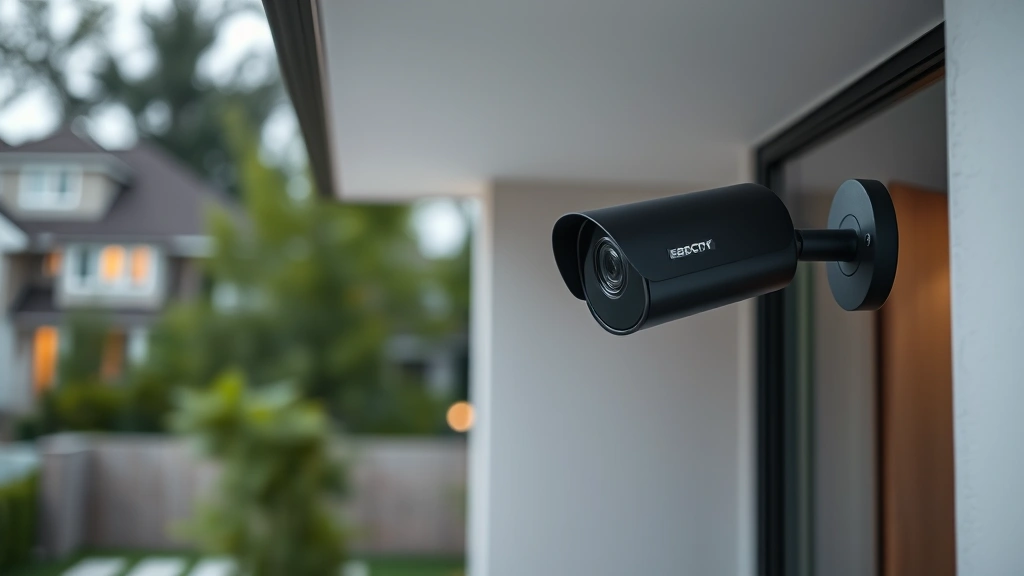
ADT Security Cameras: Worth the Investment? A Comprehensive Expert Review
When it comes to protecting your home or business, security cameras have become an essential component of any comprehensive defense strategy. ADT, one of the oldest and most recognizable names in the security industry, offers a range of camera solutions that promise professional-grade monitoring and peace of mind. But with the ADT security cameras cost ranging from budget-friendly to premium options, the critical question remains: are these systems truly worth your investment?
This expert review examines ADT’s camera offerings, pricing structures, features, and real-world performance to help you make an informed decision. Whether you’re a homeowner looking to deter burglars or a business owner needing comprehensive surveillance, understanding what ADT delivers for your money is crucial in today’s threat landscape.
Security breaches and theft continue to rise, making visual surveillance more important than ever. However, not every security camera system delivers equal value. This guide breaks down everything you need to know about ADT cameras, from installation costs to monthly monitoring fees, helping you determine if this investment aligns with your security needs and budget.

ADT Camera System Overview and Product Lines
ADT offers several camera packages designed to meet different security requirements and budgets. Their primary offerings include indoor and outdoor cameras, each with varying levels of sophistication and capability. The company provides both wired and wireless options, giving customers flexibility in installation and maintenance.
The main product categories include entry-level cameras suitable for small apartments or single-room monitoring, mid-range systems ideal for average homes, and enterprise-grade solutions for larger properties and commercial applications. Each tier offers different resolution quality, storage capacity, and integration features.
ADT’s camera systems typically integrate with their broader security ecosystem, allowing customers to combine video surveillance with door sensors, motion detectors, and alarm systems. This integration capability is a significant advantage for those seeking comprehensive protection rather than standalone camera monitoring.
The company has modernized its offerings in recent years, moving away from purely cloud-based storage toward hybrid models that offer both local and cloud backup. This approach addresses growing concerns about data privacy and ensures video footage remains accessible even if internet connectivity is temporarily lost.
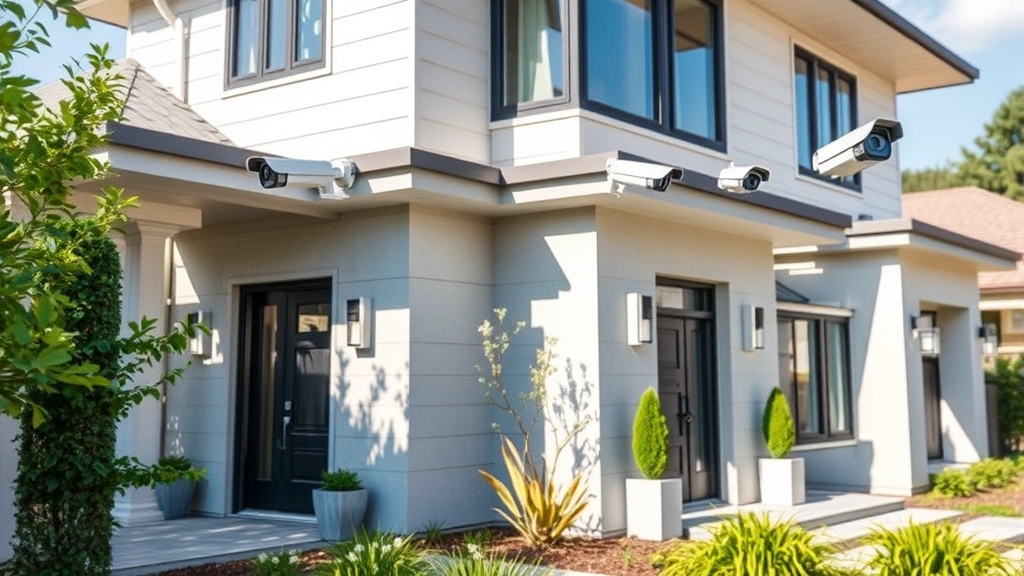
Pricing Breakdown: Understanding ADT Security Cameras Cost
Understanding the full financial commitment required for ADT cameras involves examining multiple cost components. Initial equipment costs represent only the first expense; ongoing monitoring fees and potential upgrade costs must also factor into your decision.
Equipment Costs: ADT camera packages typically range from $99 to $399 for basic systems, with premium multi-camera setups reaching $600 or more. Individual outdoor cameras generally cost between $150-$250, while indoor cameras range from $100-$180. Specialized cameras with advanced features like thermal imaging or ultra-high-definition recording command premium prices.
Installation Fees: Professional installation, which ADT often includes with service plans, typically adds $99-$199 to your initial investment. Some customers opt for DIY installation to avoid these fees, though this requires technical comfort and may void certain warranty provisions.
Monthly Monitoring Fees: This represents the largest ongoing expense. ADT’s professional monitoring services range from $24.99 to $49.99 monthly, depending on your service tier and the number of cameras included. Basic packages monitor your system during business hours, while premium tiers offer 24/7 professional surveillance and emergency response coordination.
Cloud Storage Subscriptions: Video storage beyond limited local capacity requires monthly cloud subscriptions, typically ranging from $9.99 to $29.99 monthly depending on retention period and video quality. Some packages include basic storage; others require additional fees.
Contract Obligations: ADT typically requires multi-year contracts, often three years, with early termination fees ranging from $200-$400. Understanding these contractual commitments is essential before signing.
Installation and Setup Process
ADT offers both professional and DIY installation options, each with distinct advantages and considerations. Professional installation ensures proper camera placement, optimal network configuration, and system integration but adds significant upfront costs.
For customers choosing professional installation, technicians typically visit your property, assess security vulnerabilities, recommend optimal camera placement, and configure all equipment. This process usually takes 2-3 hours and includes basic system training. The advantage is that trained professionals ensure cameras are positioned to maximize coverage while minimizing blind spots.
DIY installation appeals to cost-conscious customers and tech-savvy individuals. ADT provides detailed instructions, online tutorials, and customer support to guide the process. However, improper installation can result in suboptimal coverage, connectivity issues, or security vulnerabilities that compromise your system’s effectiveness.
The setup process involves connecting cameras to your home network (either Wi-Fi or Ethernet), configuring the mobile app, setting recording parameters, and integrating with other smart home devices if applicable. Most customers can complete basic setup within 30-60 minutes after equipment arrives.
Video Quality and Recording Features
ADT cameras offer varying resolution options, typically ranging from 720p (basic models) to 4K ultra-high-definition (premium options). Resolution directly impacts your ability to identify individuals, read license plates, or detect subtle environmental changes.
Recording Capabilities: Most ADT systems support continuous recording, event-triggered recording, or scheduled recording modes. Continuous recording provides comprehensive footage but consumes significant storage. Event-triggered recording activates only when motion is detected, reducing storage requirements while potentially missing important events occurring outside motion detection parameters.
Night Vision Technology: Quality night vision is essential for 24/7 security. ADT cameras employ infrared technology enabling clear footage in complete darkness, though image quality naturally decreases compared to daytime video. Some premium models offer color night vision, providing better detail in low-light conditions.
Field of View: Camera field of view varies from 90 degrees (narrow focus) to 180 degrees (wide panoramic). Wide-angle cameras provide broader coverage but introduce distortion. Understanding your specific monitoring needs helps determine optimal field of view for your situation.
Frame Rate: Measured in frames per second (fps), higher frame rates (30 fps vs. 15 fps) provide smoother video and better capture of rapid movements, though they require more storage capacity.
Mobile App and Remote Access Capabilities
The ADT mobile application serves as your primary interface for remote camera monitoring and system control. The app allows real-time video viewing, event alerts, recording management, and system configuration from any location with internet connectivity.
Real-Time Monitoring: Users can view live feeds from any camera simultaneously or individually, essential for monitoring multiple properties or specific high-risk areas. The app supports multiple user accounts, allowing family members or employees to access the system with customizable permissions.
Alert Notifications: When motion is detected or security events occur, the app sends immediate notifications to registered devices. Users can configure alert sensitivity and notification types, reducing false alarms while ensuring critical events trigger immediate notification.
Video Playback and Management: The app provides easy access to recorded footage, allowing users to search by date/time, camera, or event type. Users can download footage for evidence purposes or share clips with authorities if criminal activity occurs.
Two-Factor Authentication: Security-conscious users will appreciate that ADT implements two-factor authentication for app access, adding an important layer of protection against unauthorized access to your surveillance system.
However, some users report occasional app lag, connectivity issues during peak usage times, or difficulty navigating the interface. Regular app updates have addressed many historical complaints, though performance varies based on internet connection quality.
Professional Monitoring and 24/7 Support
One of ADT’s primary differentiators is professional monitoring services. Unlike many competitor systems relying purely on owner notifications, ADT maintains monitoring centers with trained security professionals who respond to alerts.
Emergency Response: When motion is detected or alarms trigger, ADT’s monitoring center receives the alert and can immediately contact you to verify whether emergency services should be dispatched. This human verification step reduces false alarm response costs and ensures appropriate emergency response.
Customer Support: ADT provides 24/7 customer support via phone, email, and chat. Support quality varies by region and time, with some users reporting long wait times during peak hours. However, for technical issues or system configuration questions, having immediate access to trained support personnel provides significant value.
Integration with Law Enforcement: Professional monitoring enables faster police response by providing officers with footage and system information immediately. This integration can be critical in preventing crimes in progress or identifying perpetrators after incidents occur.
Integration with Smart Home Systems
Modern security extends beyond cameras alone. ADT cameras integrate with popular smart home platforms including Amazon Alexa, Google Home, and Apple HomeKit, enabling voice control and automation.
Automation Possibilities: Users can create automated routines, such as automatically activating cameras when no one is home, disarming systems when family members arrive, or triggering smart lights when motion is detected at night. These automations enhance security while improving convenience.
Voice Control: Compatible cameras support voice commands like “show me the front door” or “record the living room,” enabling hands-free system management. Voice control proves particularly valuable when your hands are full or you’re away from your device.
Ecosystem Compatibility: ADT systems work with various smart home devices, though compatibility varies by camera model and smart home platform. Verifying compatibility before purchase ensures your cameras integrate seamlessly with existing devices.
Customer Reviews and Real-World Performance
Analyzing real-world customer feedback provides crucial insight into actual system performance versus marketing claims. Reviews on independent sites and the Better Business Bureau reveal common themes regarding ADT camera systems.
Positive Feedback: Customers consistently praise ADT’s professional monitoring, reliable cloud storage, and user-friendly mobile app. The integration with other ADT security services receives high marks, as does the company’s responsiveness to technical support requests. Long-term customers appreciate the system’s reliability and consistent performance over years of operation.
Common Complaints: Recurring criticisms include high monthly costs relative to competitors, long-term contract requirements with significant cancellation fees, and occasional app connectivity issues. Some users report that sales representatives oversell features or misrepresent pricing, leading to billing surprises after service activation.
Performance Consistency: Video quality generally meets expectations, with most users satisfied with daytime footage clarity and nighttime infrared performance. However, performance depends heavily on proper installation and network configuration, emphasizing the importance of either professional installation or careful DIY setup.
Comparing ADT to Competitors
The security camera market includes numerous competitors offering similar functionality at varying price points. Understanding how ADT compares helps determine if their investment represents good value.
Versus Ring and Amazon: Ring cameras typically cost less upfront and offer more flexible month-to-month plans without long-term contracts. However, ADT’s professional monitoring provides faster emergency response compared to Ring’s notification-only approach. Ring excels in ease of installation and integration with Amazon devices.
Versus Nest and Google: Google Nest cameras offer superior video quality and AI-powered features like person/package detection. However, Nest requires separate Google One subscriptions for storage and lacks professional monitoring. Nest appeals to tech-savvy users prioritizing video quality; ADT appeals to those prioritizing professional response.
Versus Vivint: Vivint directly competes with ADT in the professional monitoring space, offering similar 24/7 response services. Vivint often undercuts ADT on equipment costs but may charge higher monitoring fees. Both require multi-year contracts, though Vivint occasionally offers more flexible terms.
Versus SimpliSafe: SimpliSafe provides more affordable monthly monitoring ($24.99 vs. ADT’s $34.99+) without long-term contracts. However, SimpliSafe cameras lack some advanced features and integration capabilities that ADT offers. SimpliSafe suits budget-conscious customers; ADT suits those prioritizing comprehensive integration.
Security Considerations and Data Protection
Choosing a security camera system requires understanding how the company protects your video footage and personal data. Cybersecurity threats targeting surveillance systems have increased dramatically, making data protection a critical consideration.
Encryption Standards: ADT employs industry-standard encryption for data transmission and storage, protecting footage from interception during upload or unauthorized access in cloud servers. However, the specific encryption standards and key management practices vary by service tier.
Data Privacy Policies: ADT’s privacy policy permits limited data sharing with affiliated companies and law enforcement with proper legal authorization. The company maintains clear policies regarding data retention, deletion, and user rights, though privacy advocates note that some policies remain relatively permissive.
Firmware Updates: Regular firmware updates patch security vulnerabilities and introduce new features. ADT typically pushes updates automatically, though users should verify update notifications and review patch notes to understand security improvements.
Account Security: Two-factor authentication, strong password requirements, and regular security audits help protect your account from unauthorized access. Users should enable all available security features and avoid sharing login credentials.
According to CISA (Cybersecurity and Infrastructure Security Agency), home security systems represent increasingly attractive targets for cybercriminals seeking to compromise home networks. Ensuring your camera system receives regular updates and employs strong authentication protects not just your surveillance system but your entire connected home.
Research from NIST emphasizes that IoT devices like security cameras require specific attention to cybersecurity practices. Implementing network segmentation, regular password changes, and monitoring for suspicious access attempts strengthens your overall security posture.
Is ADT Worth the Investment?
Determining whether ADT cameras represent a worthwhile investment depends on your specific needs, budget, and priorities. Consider these key factors:
Choose ADT If: You prioritize professional 24/7 monitoring and rapid emergency response. You want integrated security combining cameras with door sensors, motion detectors, and alarms. You prefer established company stability and comprehensive customer support. You’re willing to commit to long-term contracts for lower monthly rates. You value the peace of mind from knowing trained professionals monitor your system continuously.
Consider Alternatives If: You prefer month-to-month flexibility without long-term contracts. Budget is your primary concern and you can tolerate notification-only monitoring. You want superior video quality and AI-powered detection features. You’re tech-savvy and prefer managing your own monitoring and response. You already use specific smart home ecosystems and need seamless integration.
For homeowners seeking comprehensive, professional security with integrated monitoring, ADT’s cameras represent a solid investment despite higher costs. For renters, budget-conscious individuals, or those prioritizing cutting-edge video technology, alternatives may offer better value.
The decision ultimately hinges on whether professional monitoring’s value justifies the premium pricing. If security breaches and theft prevention justify paying $40+ monthly for professional monitoring, ADT cameras deliver excellent value. If you can adequately respond to alerts yourself, less expensive alternatives may suffice.
FAQ
How much do ADT security cameras cost per month?
ADT’s professional monitoring ranges from $24.99 to $49.99 monthly depending on service tier. Basic packages offer business-hours monitoring; premium plans include 24/7 professional surveillance. Additional cloud storage subscriptions cost $9.99-$29.99 monthly. Total monthly costs typically range $35-$79 depending on your specific plan.
Can I install ADT cameras myself?
Yes, ADT offers DIY installation options to reduce costs. The company provides detailed instructions, online tutorials, and customer support. However, professional installation ensures optimal placement and configuration. DIY installation saves $99-$199 upfront but requires technical comfort and careful following of setup procedures.
Do ADT cameras work without professional monitoring?
ADT cameras function independently for local recording and mobile app notifications. However, the primary benefit of ADT’s system is professional monitoring. Without monitoring service, you lose the 24/7 emergency response capability that differentiates ADT from competitors. You can purchase cameras without monitoring but won’t access the company’s core value proposition.
What happens if I cancel ADT service early?
ADT typically requires multi-year contracts with early termination fees ranging $200-$400. These fees are substantial and represent a significant cost if you decide to switch providers. Review contract terms carefully before signing and understand cancellation policies completely.
Are ADT cameras compatible with other smart home systems?
ADT cameras integrate with Amazon Alexa, Google Home, and Apple HomeKit for voice control and automation. However, compatibility varies by camera model. Verify specific compatibility with your preferred smart home platform before purchasing to ensure seamless integration.
How secure are ADT cameras against hacking?
ADT employs encryption, two-factor authentication, and regular firmware updates to protect against unauthorized access. However, like all connected devices, security depends on proper configuration and user practices. Enable all available security features, use strong passwords, and keep firmware updated to maximize protection against cyber threats.
What video quality do ADT cameras provide?
ADT cameras range from 720p (basic models) to 4K ultra-high-definition (premium options). Most mid-range cameras offer 1080p resolution, providing good detail for identification purposes. Video quality also depends on lighting conditions, network bandwidth, and proper camera positioning and focus.
Can I access ADT camera footage if my internet goes down?
ADT cameras with local storage (SD card or hard drive) continue recording even without internet connectivity. However, you cannot access footage remotely until internet service restores. Cloud-only storage requires internet access, making local backup important for continuous recording capability.


