9/11 Security Fee: Complete Traveler’s Guide & Insights
The September 11th Security Fee, commonly known as the 9/11 fee or security fee, represents one of the most significant changes to air travel since the terrorist attacks of September 11, 2001. This mandatory charge has become a standard component of airline ticket pricing for nearly two decades, affecting millions of travelers annually. Understanding this fee, its purpose, and how it impacts your travel costs is essential for anyone planning domestic or international flights within the United States.
When you purchase an airline ticket today, you’ll notice several line items beyond the base fare. Among these charges, the 9/11 security fee stands out as a direct result of heightened aviation security measures implemented in the aftermath of the 2001 attacks. This fee funds critical infrastructure improvements, advanced security screening technologies, and personnel training that protect passengers and aircraft. Whether you’re a frequent flyer or an occasional traveler, comprehending this fee structure will help you make informed decisions about your travel expenses and understand what you’re paying for when booking your next flight.
What Is the 9/11 Security Fee?
The 9/11 security fee is a mandatory charge imposed on all domestic airline tickets in the United States. This fee was introduced as part of comprehensive aviation security reforms following the terrorist attacks of September 11, 2001. Unlike other taxes and surcharges that go into general government revenue, the 9/11 security fee is specifically designated to fund enhanced security measures at airports across the nation.
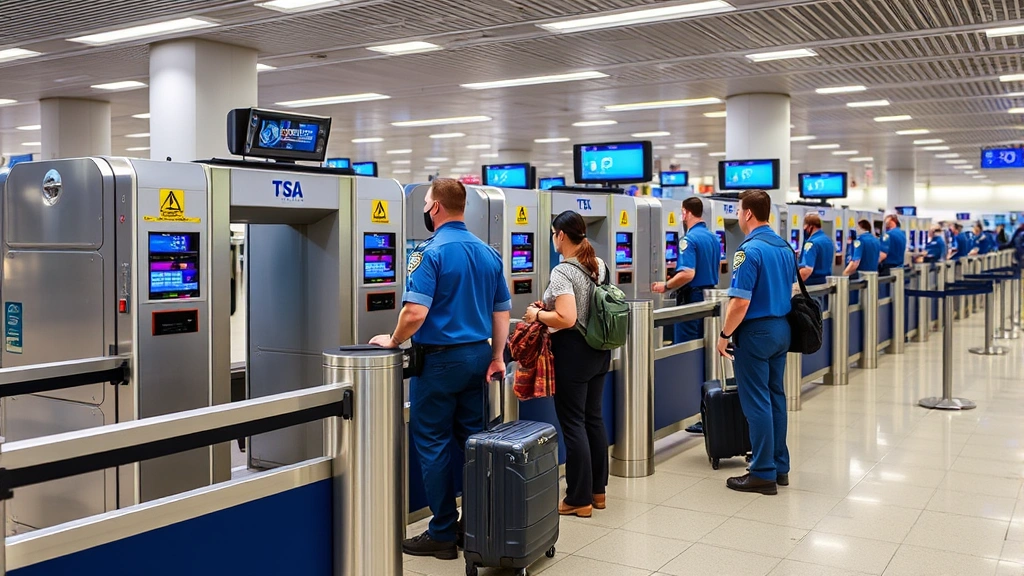
The fee applies to each leg of a passenger’s journey, meaning round-trip flights incur the charge twice—once for the outbound flight and once for the return flight. This structure ensures that all passengers, regardless of their travel patterns, contribute equally to aviation security infrastructure. Airlines are required to collect this fee and remit it to the Transportation Security Administration (TSA), which oversees airport security operations nationwide.
Understanding the distinction between the 9/11 security fee and other airline charges is crucial for travelers. While baggage fees, seat selection charges, and other ancillary fees are discretionary and controlled by individual airlines, the 9/11 security fee is federally mandated and uniform across all carriers. This means you’ll pay the same amount whether you fly with a major carrier or a regional airline, as the fee is standardized by federal regulation.
Fee Structure and Amount
As of the most recent updates, the 9/11 security fee stands at $5.60 per passenger per flight segment. This amount has remained relatively stable since its implementation, with only modest adjustments made over the years to account for inflation and changing security needs. The fee applies to all commercial airline passengers traveling on domestic flights within the United States, regardless of ticket price or passenger age.
The fee structure is straightforward: every ticket sold for a domestic flight automatically includes this charge. For families traveling with children, each family member—including infants and small children—must have a ticket and therefore incurs the 9/11 security fee. This means a family of four traveling on a round-trip flight would pay $44.80 in total security fees alone ($5.60 × 4 passengers × 2 flight segments).
It’s important to note that this fee is separate from the federal excise tax on airline tickets, which is calculated as a percentage of the ticket price. The 9/11 security fee is a flat, per-segment charge that appears as a distinct line item on your airline receipt. When comparing flight prices between airlines, ensure you’re accounting for this non-negotiable fee, as it will be added to every quote regardless of which carrier you choose.
Historical Context and Implementation
The implementation of the 9/11 security fee represents a pivotal moment in aviation history and security policy. In the immediate aftermath of the September 11 attacks, Congress recognized the need for substantial funding to overhaul airport security systems nationwide. The Aviation and Transportation Security Act, passed in late 2001, authorized the creation of the Transportation Security Administration and mandated comprehensive security improvements across all U.S. airports.
Initially, the government covered these costs through general federal funding. However, as security expenses increased and the need for sustained, long-term investment became apparent, policymakers determined that a dedicated fee structure was necessary. This approach ensured that aviation security funding would be reliable and sustainable, not subject to annual budget negotiations or political shifts in federal spending priorities.
The fee was officially introduced in 2002 and has been collected continuously since that time. Over the past two decades, the revenue generated through this fee has funded critical infrastructure including advanced baggage screening systems, personnel training programs, and technological innovations in threat detection. The fee has also supported the hiring and training of thousands of TSA officers who conduct daily security screening operations at airports nationwide.
How the Fee Is Calculated
The calculation of the 9/11 security fee is remarkably simple, which contributes to its transparency and consistency across the industry. The fee is a flat per-segment charge, meaning it’s applied once for each flight leg regardless of distance, duration, or ticket price. A cross-country flight from New York to Los Angeles incurs the same $5.60 security fee as a short regional flight from Boston to Philadelphia.
When you book a flight, airlines display this fee separately from the base fare and other taxes. This itemization allows travelers to see exactly what portion of their ticket price is dedicated to security funding. The fee appears on your confirmation email, receipt, and credit card statement, making it easy to track and understand your total travel costs.
For connecting flights, the fee calculation becomes slightly more complex. If you have a layover with a connecting flight, you’ll pay the security fee for each segment. A journey involving two connecting flights would incur three security fee charges—one for each flight leg. This structure reflects the reality that each takeoff and landing requires security screening and represents a distinct security event in aviation operations.
Airlines cannot adjust, waive, or discount the 9/11 security fee for any passengers. This federal regulation ensures equity and prevents discriminatory pricing practices. Whether you’re a first-time flyer or a frequent business traveler, you’ll always pay the same security fee amount, which has led to predictable and transparent pricing in this category.
Exemptions and Special Cases
While the 9/11 security fee applies broadly to all domestic airline passengers, certain limited exemptions exist. Understanding these exceptions can help travelers identify situations where the fee might not apply or where special considerations are warranted.
Military personnel on official duty travel may qualify for fee exemptions in specific circumstances, particularly when traveling on military-chartered aircraft or under military travel orders. Additionally, certain government officials and law enforcement personnel conducting official business may be exempt from the fee when traveling under specific protocols and using designated security channels.
Children under two years old who are lap infants—meaning they don’t occupy their own seat—are typically exempt from the security fee. However, if you purchase a separate seat for an infant or child, the fee applies. This distinction reflects the TSA’s assessment that security screening and resource allocation differs significantly between lap infants and ticketed passengers.
International flights departing from the United States are not subject to the 9/11 security fee, though passengers will still undergo TSA security screening at departure. The fee structure applies exclusively to domestic flights within U.S. airspace. If you’re flying from a U.S. airport to a foreign destination, you won’t see the 9/11 security fee on your ticket, though you may encounter security fees or taxes imposed by the destination country.
Impact on Travel Costs
The cumulative impact of the 9/11 security fee on travel costs can be substantial, particularly for frequent travelers and large families. When planning your travel budget, it’s essential to factor this fee into your calculations, as it represents a guaranteed addition to every airline ticket purchase.
For business travelers who fly monthly, the annual cost of security fees can exceed $100. Families planning multiple vacations throughout the year face even greater cumulative costs. Understanding this impact helps travelers make informed decisions about travel frequency, route planning, and overall vacation budgets. Some travelers strategically adjust their travel patterns to minimize security fee expenses, such as combining multiple short trips into fewer longer journeys.
The fee structure also influences pricing strategies for airlines and travel agencies. When comparing flight options, the 9/11 security fee is a constant factor across all carriers, so it shouldn’t be a differentiating factor in your airline selection. However, being aware of the fee helps you understand the true cost of travel and avoid sticker shock when reviewing final ticket prices.
Current Regulations and Compliance
The 9/11 security fee operates under strict federal regulations outlined in Title 49 of the Code of Federal Regulations and enforced by the Transportation Security Administration in coordination with the Department of Homeland Security. These regulations ensure consistent application of the fee across all airlines and prevent discriminatory pricing practices.
Airlines are required to display the security fee separately on all ticket confirmations, receipts, and advertisements. This transparency requirement ensures passengers understand exactly what they’re paying and why. The Department of Transportation monitors airline compliance with these disclosure requirements and can impose penalties for violations.
The collected fees are deposited into the Aviation Security Capital Fund, which is managed by the TSA. This dedicated funding stream supports security infrastructure improvements, technology upgrades, and personnel training. The Government Accountability Office periodically audits how these funds are utilized, ensuring that revenue collected through the security fee is appropriately allocated to aviation security purposes.
Recent discussions in Congress have occasionally touched on adjusting the security fee structure or amount, particularly in response to inflation or changing security threats. However, any modifications to the fee would require legislative action and would affect all travelers uniformly. Currently, the $5.60 per-segment fee remains the standard across all U.S. domestic airlines.
Understanding the regulatory framework surrounding the 9/11 security fee helps travelers appreciate the structured approach to aviation security funding. Unlike discretionary airline fees that vary by carrier and can be negotiated or avoided, the security fee represents a transparent, federally-mandated investment in the security infrastructure that protects all air travelers. This consistency and clarity make it easier for travelers to understand and plan for this unavoidable travel expense, even as they explore options to reduce other discretionary airline charges. When you review your next airline ticket, you can take comfort knowing that the 9/11 security fee portion of your payment is directly supporting the security measures and personnel that make air travel safer for everyone.

Special Considerations for Different Traveler Types
Different categories of travelers may have varying experiences with the 9/11 security fee, though the fee itself remains constant. Business travelers, leisure vacationers, and frequent flyers should all understand how this fee impacts their specific travel patterns and budgeting strategies.
Frequent flyer program members often accumulate significant security fee expenses over time. While airline loyalty programs may offer various benefits and discounts, the 9/11 security fee is never discounted or waived based on elite status or accumulated miles. This creates an interesting dynamic where even premium cabin passengers and elite frequent flyers pay the same per-segment security fee as economy passengers. Understanding this helps travelers set realistic expectations about the total cost of frequent air travel.
Group travelers and tour operators must account for the security fee when calculating group travel costs. Tour packages and group deals often exclude the security fee from advertised prices, so it’s crucial to clarify whether quoted prices include this mandatory charge. For large groups, the cumulative security fees can represent a substantial portion of total travel costs, making it an important line item in group travel budgets.
International travelers connecting through U.S. airports should note that the security fee applies only to domestic flight segments. If you’re flying from an international origin to a U.S. destination with a connecting flight to another U.S. city, the fee applies only to the domestic connecting segment. This structure reflects the fact that the fee funds domestic aviation security infrastructure.

FAQ
Is the 9/11 security fee the same on all airlines?
Yes, the 9/11 security fee is a federally mandated charge that is identical across all U.S. airlines. Every domestic airline ticket includes the $5.60 per-segment fee, and airlines cannot offer discounts, waivers, or variations on this charge. This uniform pricing ensures equitable treatment of all passengers regardless of which carrier they choose.
Can I avoid paying the 9/11 security fee?
The 9/11 security fee is mandatory for all domestic airline travel in the United States and cannot be avoided if you want to fly domestically. The only way to avoid the fee is to not purchase a domestic airline ticket. The fee applies to every ticket, including those purchased with miles or vouchers, though the application may differ slightly depending on how you’re paying.
Does the security fee apply to international flights?
No, the 9/11 security fee applies exclusively to domestic flights within the United States. International flights departing from U.S. airports do not include this fee, though passengers still undergo TSA security screening. However, if your international journey includes a domestic connection within the U.S., the security fee will apply to that domestic segment.
Why hasn’t the 9/11 security fee decreased in recent years?
The security fee has remained relatively stable because the costs of maintaining and upgrading aviation security infrastructure continue to rise with inflation and evolving security threats. The TSA requires sustained funding for personnel, technology, and facility improvements. Any reduction in the security fee would require Congressional action and would need to be accompanied by alternative funding sources for security operations.
How much revenue does the 9/11 security fee generate annually?
The 9/11 security fee generates hundreds of millions of dollars annually for aviation security infrastructure. With tens of millions of passengers flying domestically each year, the cumulative revenue is substantial. This funding supports TSA operations, security technology upgrades, and facility improvements at airports nationwide, making it one of the largest dedicated security funding mechanisms in the U.S. transportation system.
Can airlines use security fee revenue for other purposes?
No, the 9/11 security fee is specifically designated for aviation security purposes and cannot be diverted to other airline operations or general corporate expenses. The fee is collected by airlines but remitted directly to the TSA and deposited into the Aviation Security Capital Fund. Federal regulations strictly govern how these funds are utilized, with oversight from the Department of Transportation and Government Accountability Office.


