Hearing protection for shooting is not just a recommendation—it’s a critical necessity that protects one of your most valuable senses. The sound of gunfire can reach dangerous levels in seconds, causing permanent hearing damage that accumulates over time. Whether you’re a competitive shooter, hunter, military personnel, or recreational range enthusiast, selecting the right ear protection can mean the difference between preserving your hearing and suffering irreversible damage. This comprehensive guide explores the best hearing protection options available, helping you make an informed decision based on your specific shooting needs.
The consequences of inadequate hearing protection extend far beyond the range. Noise-induced hearing loss (NIHL) affects millions of people worldwide, and shooters face elevated risk due to repeated exposure to impulse noise. Unlike continuous noise, the sharp, sudden blast of a firearm creates unique challenges for protection devices. Understanding the science behind different protection types and their effectiveness ratings will empower you to choose solutions that keep your ears safe while maintaining situational awareness.
Understanding Shooting Noise and Hearing Damage
Gunfire generates sound levels that typically range from 140 to 190 decibels, depending on the firearm caliber and type. For context, prolonged exposure to sounds above 85 decibels can cause hearing damage, while immediate harm occurs at levels exceeding 120 decibels. A single gunshot produces impulse noise—sudden, intense pressure waves that challenge traditional hearing protection methods. The CDC and National Institute for Occupational Safety and Health (NIOSH) classify impulse noise as one of the most damaging acoustic phenomena.
The inner ear contains approximately 16,000 hair cells responsible for converting sound vibrations into electrical signals sent to the brain. When exposed to loud impulses, these delicate structures sustain damage that doesn’t regenerate. Shooters often experience tinnitus (ringing in the ears), reduced speech discrimination, and progressive high-frequency hearing loss. The insidious nature of NIHL is that damage accumulates silently—many people don’t realize they’ve suffered hearing loss until it becomes severe.
Protection ratings, expressed as Noise Reduction Rating (NRR), indicate how many decibels a device reduces sound exposure. However, real-world performance often falls short of laboratory ratings, particularly with improper insertion or fit. The Environmental Protection Agency (EPA) requires manufacturers to subtract 50% from laboratory NRR values when estimating actual protection, acknowledging the gap between ideal and practical conditions.

Types of Hearing Protection for Shooters
Shooters have access to several hearing protection categories, each with distinct advantages and limitations. Understanding these options helps you select solutions aligned with your shooting environment, budget, and specific requirements. The primary categories include passive earplugs, earmuffs, electronic devices, and hybrid systems combining multiple technologies.
Passive earplugs rely solely on material density to block sound waves, offering no amplification or electronic features. These affordable, portable options work well for high-noise environments but don’t allow normal conversation or situational awareness. Earmuffs (also called over-the-ear protectors) seal completely around the ear, providing consistent protection across frequency ranges. Electronic hearing protection uses microphones and speakers to amplify quiet sounds while suppressing loud impulses, enabling communication without sacrificing safety. Hybrid approaches combine earplugs with earmuffs for maximum protection when exposed to extreme noise levels.
Passive Earplugs and Their Effectiveness
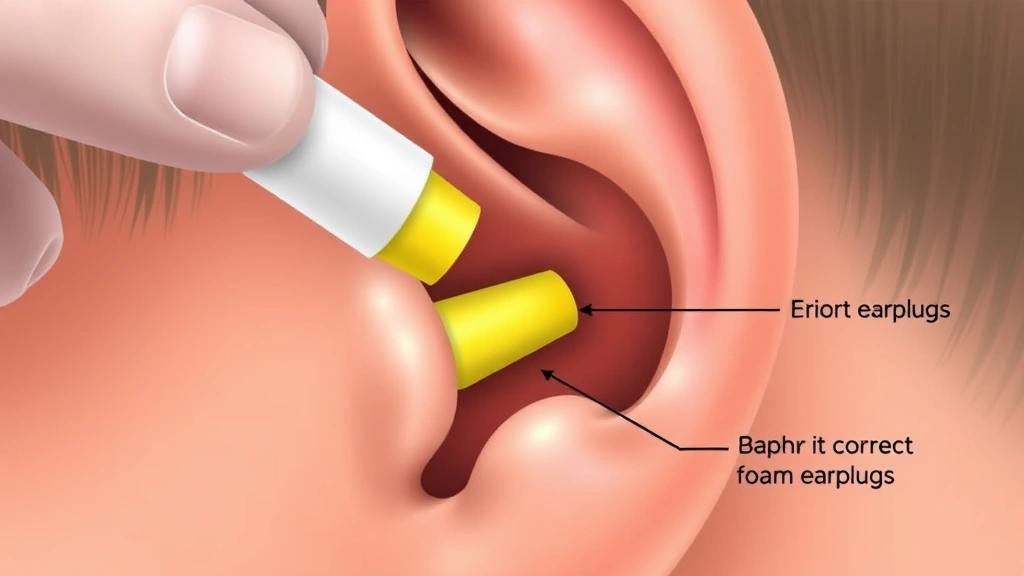
Foam earplugs remain the most popular hearing protection choice for shooters due to their affordability, portability, and proven effectiveness. Quality foam plugs can provide NRR ratings of 28-33 decibels when inserted correctly. The key to maximum protection involves rolling the plug into a thin cylinder, inserting it deep into the ear canal, and holding it in place for several seconds while the foam expands. Many users compromise protection by inserting plugs too shallowly or failing to maintain proper seal.
Reusable silicone and rubber earplugs offer environmental advantages and cost savings over extended periods. These materials don’t expand like foam, requiring careful insertion to achieve proper fit. Tri-flange earplugs feature three ridged sections that conform to ear canal anatomy, providing customizable fit across different ear sizes. Some shooters prefer these for comfort during extended range sessions, though insertion technique remains critical for effectiveness.
Custom-molded earplugs, created from impressions of your ear canals, offer superior comfort and consistency. Audiologists craft these personalized devices to fit your unique anatomy, reducing insertion variables that compromise protection. While more expensive upfront, custom plugs deliver superior comfort during all-day shooting events and often improve compliance with consistent use.
NIOSH hearing protection guidelines emphasize that proper insertion technique is as important as the device itself. Many shooters achieve only 50% of rated protection due to improper use, highlighting the need for training and demonstration.
Electronic and Active Hearing Protection
Electronic hearing protection revolutionizes shooting safety by allowing shooters to hear ambient sounds and communicate while suppressing dangerous impulses. These devices contain microphones that detect incoming sound, processing it through sophisticated algorithms that differentiate between speech, environmental noise, and gunshots. When dangerous sound levels are detected, the system rapidly closes audio channels, protecting the ears while maintaining situational awareness.
Level-dependent earplugs automatically adjust protection based on ambient noise levels. Quiet sounds pass through unimpeded, enabling normal conversation and hearing range commands. When noise exceeds safe thresholds, the plugs rapidly attenuate, blocking impulse noise while remaining transparent to lower-level sounds. This dynamic response makes them ideal for tactical environments where communication is essential.
Premium electronic earmuffs integrate Bluetooth connectivity, allowing shooters to connect to communication systems, music players, or range equipment. Some models feature directional microphones that enhance sounds from specific directions while suppressing others, useful for identifying shot placement and instructor feedback. Battery life varies significantly between models, ranging from 8 hours to several days depending on technology and usage patterns.
The latency of electronic protection—the delay between sound detection and attenuation—represents a critical specification. Superior devices achieve latency below 2 milliseconds, ensuring rapid response to impulse noise. Lower-quality systems may exhibit noticeable delays, reducing protection effectiveness during the most dangerous acoustic moments.
Research from NIST standards and independent testing organizations demonstrates that quality electronic protection can provide NRR equivalents of 25-31 decibels while preserving communication capabilities. This combination makes them particularly valuable for law enforcement, military, and competitive shooting applications where awareness and coordination are mission-critical.
Double Protection: Combining Methods
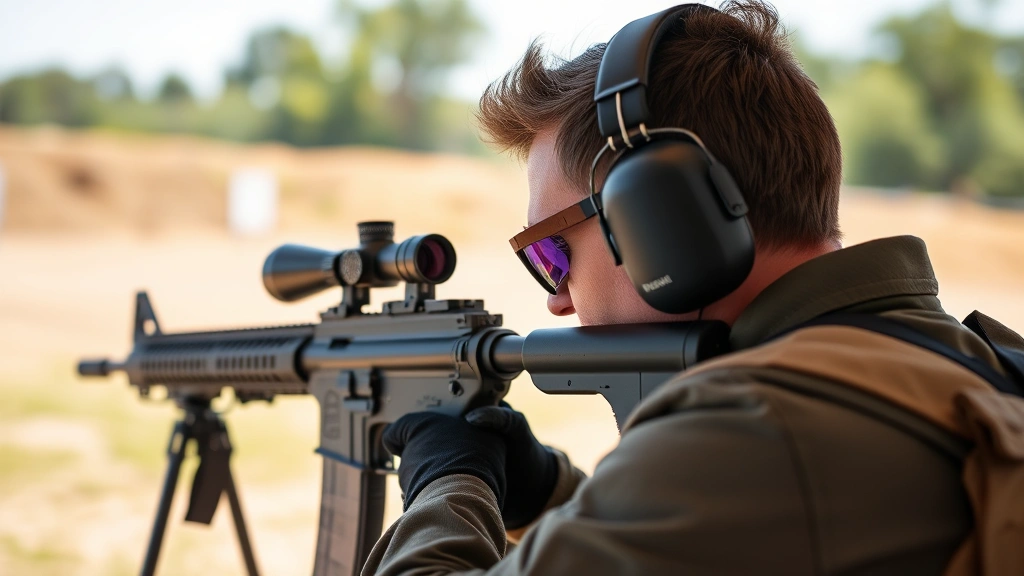
Professional shooters and military personnel frequently employ double protection—combining earplugs with earmuffs—when operating in extreme noise environments. This approach can increase total protection by 3-5 additional decibels over single protection methods. The effectiveness of double protection depends on proper insertion of plugs and complete seal of earmuffs, as any gaps significantly reduce combined protection.
Double protection becomes particularly important when shooting calibers exceeding .308 Winchester or when operating in enclosed spaces where sound reflects and amplifies. Indoor ranges, shooting tunnels, and tactical training facilities often expose shooters to cumulative noise levels that exceed 160 decibels, making dual protection essential for safety compliance.
However, double protection introduces comfort challenges during extended sessions. Excessive pressure from tight earmuffs combined with inserted earplugs can cause ear canal irritation, reduced wearing time, and inconsistent protection due to users removing protection prematurely. Proper device selection, regular breaks, and attention to fit minimize these issues while maintaining safety.
When combining protection methods, ensure that earplugs are inserted first, allowing complete expansion before applying earmuffs. Earmuffs should seal completely around the entire ear without gaps, with sufficient headband tension to maintain consistent pressure. Adjust periodically during use to compensate for foam compression and ensure maintained protection.
Top Recommended Products
Foam Earplugs: 3M E-A-R Classic represents the industry standard for foam protection, offering NRR 33 at exceptional value. These yellow plugs are ubiquitous at shooting ranges worldwide, proven through decades of reliable performance. Their affordability enables regular replacement, ensuring hygiene and consistent protection.
Reusable Plugs: Mack’s Pillow Soft Silicone provides comfortable, moldable protection suitable for extended wear. These putty-like plugs conform perfectly to individual ear canals, offering NRR 22 with superior comfort compared to foam alternatives. They’re ideal for shooters sensitive to foam materials or those preferring environmentally conscious options.
Custom Molds: Westone Audio UM Pro 10 delivers personalized protection with audiologist-crafted fit. These professional-grade plugs provide consistent NRR 25+ protection with exceptional comfort during all-day competitions. The investment in custom molds pays dividends for serious shooters through improved compliance and superior hearing conservation.
Electronic Earmuffs: Walkers Razor Slim combines low-profile design with advanced digital sound processing. These lightweight earmuffs amplify quiet sounds while suppressing impulses, achieving NRR 23 with excellent situational awareness. The compact design accommodates shooting glasses and tactical helmets effectively.
Premium Electronic: SureFire EP4 Sonic Defenders integrates military-grade electronics into discreet earplugs. These devices provide transparent hearing for normal communication while offering rapid impulse suppression. Exceptional durability and battery life make them investment-worthy for professional shooters.
Double Protection Kit: Caldwell E-Max earmuffs combined with quality foam plugs create comprehensive protection for extreme environments. This combination provides cumulative NRR protection exceeding 35 decibels when properly fitted, suitable for large-caliber rifles and indoor range operations.
Proper Fit and Usage Guidelines
Achieving maximum protection requires understanding and implementing proper insertion techniques. For foam earplugs, roll the plug between your fingers until it forms a thin cylinder approximately the diameter of a pencil. Pull your upper ear backward and upward with your opposite hand, creating a straighter ear canal. Insert the plug deeply, holding it in place for 20-30 seconds while the foam expands completely. The plug should sit flush with your ear canal entrance, with no portion protruding.
For earmuffs, position the earcups to completely seal around your entire ear without gaps. The headband should apply consistent pressure—tight enough to maintain seal but not so tight that it causes discomfort or reduces wearing compliance. Adjust positioning after inserting earplugs, as plugs may shift earmuff position slightly. Periodically check seal integrity during shooting sessions, as foam compression or head movement can compromise protection.
Electronic device usage requires familiarity with battery status, volume settings, and operational modes. Always verify that devices are powered on and functioning correctly before shooting. Many electronic systems include status indicators confirming proper operation—test these regularly. Replace batteries proactively before they deplete, as dead batteries eliminate active protection while potentially creating false confidence.
Maintain hearing protection devices according to manufacturer specifications. Foam earplugs should be replaced after 2-3 uses or monthly, whichever comes first, as repeated insertion/removal degrades foam integrity. Reusable plugs require regular cleaning with warm water and mild soap. Earmuffs need occasional seal inspection and replacement of worn cushions to maintain protection effectiveness.
Incorporate regular hearing testing into your health routine if you engage in frequent shooting. Baseline audiometric testing establishes your hearing status, enabling early detection of any damage. Many healthcare providers and occupational health clinics offer affordable hearing assessments that track changes over time.
Maintenance and Durability Considerations
Investing in quality hearing protection requires ongoing maintenance to ensure consistent performance and longevity. Foam earplugs deteriorate with use as repeated insertion compresses the foam structure, reducing expansion capability and protection effectiveness. Replace foam plugs monthly or after 20-30 uses, whichever occurs first. Store unused plugs in sealed containers away from moisture, dust, and extreme temperatures.
Reusable earplugs demand regular cleaning to prevent earwax buildup and bacterial contamination. Wash plugs weekly with warm water and mild soap, drying completely before storage. Inspect plugs regularly for visible damage, discoloration, or material degradation. Most quality reusable plugs remain functional for 6-12 months with proper care, offering significant cost savings over time.
Earmuff cushions compress and degrade with extended use, reducing seal effectiveness and comfort. Quality earmuff manufacturers provide replacement cushion kits, extending device lifespan significantly. Replace cushions annually or when visible wear appears. Inspect headband integrity regularly, ensuring no cracks or damage compromise structural support.
Electronic devices require battery management and periodic firmware updates. Maintain spare batteries appropriate to your device specifications, testing them regularly to ensure proper function. Some premium models support software updates improving sound processing algorithms—check manufacturer websites periodically for available improvements. Store electronic devices in protective cases during transport, protecting sensitive components from damage.
Proper storage preserves hearing protection effectiveness between shooting sessions. Store all devices in clean, dry environments away from direct sunlight, extreme temperatures, and moisture. Avoid storing earmuffs in compressed positions that permanently deform cushions. Keep devices in protective cases or pouches preventing dust accumulation and accidental damage during transport.
Document your hearing protection usage and maintenance in a simple log. Record when you replace foam plugs, clean reusable devices, or replace earmuff cushions. This documentation helps you maintain consistent protection schedules and identifies any devices requiring earlier-than-expected maintenance. Share this information with your audiologist during hearing assessments, providing context for any observed changes.
Consider establishing a hearing conservation program if you operate a shooting range, training facility, or shooting club. Provide guidance to all shooters regarding proper protection selection and insertion techniques. Supply quality foam earplugs at cost or free to encourage consistent use. Educate members about cumulative hearing damage risk and the importance of protecting this irreplaceable sense.
FAQ
What is the best hearing protection for shooting?
The optimal choice depends on your specific needs. Electronic earmuffs offer the best balance of protection and communication capability, with quality models providing NRR 23-25 while allowing normal conversation. For budget-conscious shooters, 3M foam earplugs deliver proven NRR 33 protection at minimal cost. Professional shooters often invest in custom-molded earplugs combined with premium electronic earmuffs for maximum protection and comfort.
How many decibels of hearing protection do I need?
Most shooting environments require protection reducing sound exposure to below 85 decibels for extended sessions. A single gunshot at 160+ decibels requires protection reducing exposure by 75+ decibels. NRR 30+ protection from earplugs or NRR 20+ from quality earmuffs provides adequate protection for most shooting scenarios. Double protection combining methods increases total reduction by 3-5 decibels for extreme environments.
Can I use regular foam earplugs for shooting?
Yes, properly inserted foam earplugs rated NRR 30+ provide effective shooting protection. However, general-purpose foam plugs (NRR 20-25) designed for industrial noise offer insufficient protection for gunfire. Always select earplugs specifically rated for impulse noise protection, ensuring NRR 28 or higher. Insertion technique is critical—shallow insertion dramatically reduces effectiveness.
Are electronic earplugs worth the investment?
Electronic protection costs significantly more than passive alternatives but offers substantial benefits including situational awareness, communication capability, and improved compliance through enhanced comfort. For professional shooters, military personnel, or range operators, electronic protection justifies the investment. Recreational shooters may find passive protection sufficient unless they prioritize communication during shooting sessions.
How often should I replace hearing protection?
Replace foam earplugs monthly or after 20-30 uses. Clean reusable earplugs weekly and replace when visible degradation appears (typically 6-12 months). Inspect earmuff cushions monthly and replace annually or when compression reduces seal effectiveness. Electronic devices rarely require replacement unless damaged, though batteries need regular replacement per manufacturer specifications.
Does hearing protection prevent all hearing damage?
No protection device prevents all damage, but proper use of NRR 30+ protection reduces risk substantially. Cumulative exposure, even with protection, can cause gradual hearing loss over decades. Additionally, protection effectiveness depends entirely on consistent, correct use—any gaps in application compromise safety. Regular hearing testing helps monitor your hearing status and detect early changes.
Can I wear both earplugs and earmuffs simultaneously?
Yes, double protection is recommended for extreme noise environments, potentially increasing total protection by 3-5 decibels. However, improper fit of either device significantly reduces combined effectiveness. Ensure plugs are inserted deeply and earmuffs seal completely around the entire ear. Double protection can cause discomfort during extended wear, so balance safety with practical considerations for your specific situation.


