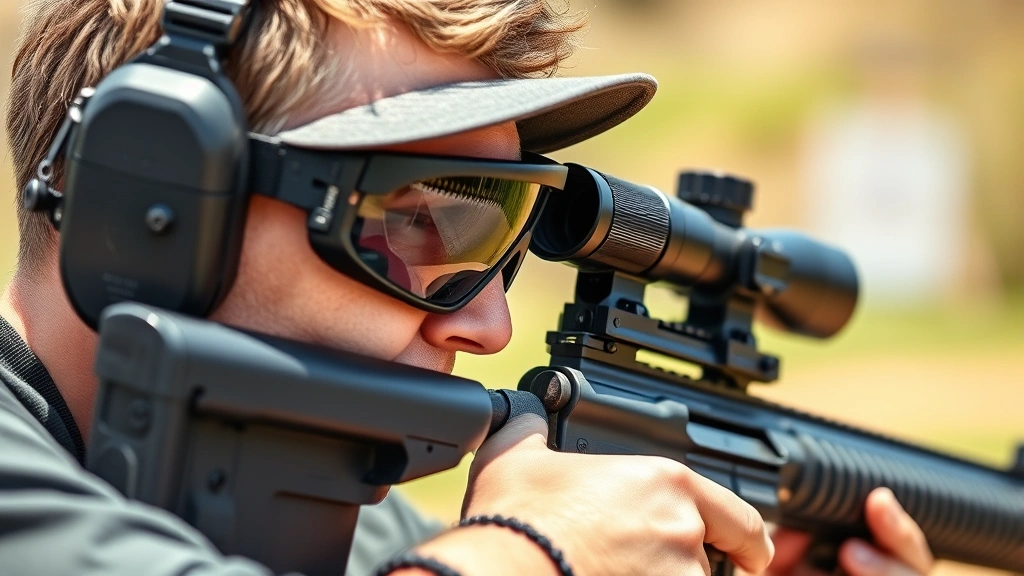
Top Eye Protection for Shooting: Expert Reviews
Eye protection during shooting activities is not merely a recommendation—it is a critical safety requirement that can prevent permanent vision loss, eye injuries, and long-term damage from ballistic fragments, powder residue, and environmental hazards. Whether you’re at the range, hunting in the field, or engaging in competitive shooting sports, selecting the right eye protection can mean the difference between maintaining your vision and suffering irreversible harm. This comprehensive guide examines the best eye protection options available for shooters, evaluating lenses, frames, materials, and performance standards that meet industry safety requirements.
Shooters face unique eye protection challenges that differ significantly from everyday eyewear or general industrial safety glasses. The combination of muzzle blast, ejected casings, unburned powder particles, and potential ricochets creates an environment where standard glasses offer insufficient protection. Expert-grade shooting glasses must balance optical clarity, impact resistance, comfort during extended wear, and compatibility with other tactical equipment. Understanding the specifications, certifications, and features that distinguish premium eye protection from basic alternatives ensures you invest in gear that genuinely protects your most valuable sensory asset.

Why Proper Eye Protection Matters for Shooters
Shooting environments present hazards that most people never encounter in daily life. When a firearm discharges, it generates tremendous energy that propels not only the projectile but also hot gases, unburned powder particles, and metal fragments in multiple directions. Shooters positioned at ranges experience direct exposure to ejected casings that can reach temperatures exceeding 400 degrees Fahrenheit, traveling at velocities capable of causing chemical burns and abrasions to unprotected eyes.
Beyond the immediate ballistic hazards, shooters are vulnerable to environmental factors that compromise vision and eye health. Dust, pollen, and debris become airborne during outdoor shooting sessions, creating irritation and temporary vision impairment. Indoor ranges present additional challenges through concentrated powder residue and poor ventilation that can cause eye irritation and fatigue. Furthermore, ricochet hazards—though less common—represent potentially catastrophic risks where projectiles deflect at unpredictable angles and strike nearby shooters.
Medical evidence consistently demonstrates that proper protective equipment reduces eye injury incidence by over 90 percent in occupational and recreational shooting contexts. The American Academy of Ophthalmology recommends that all shooters wear protective eyewear that meets ANSI Z87.1 standards, the industry benchmark for impact resistance and optical quality. Investing in quality eye protection for shooting is not an optional expense but a fundamental responsibility that protects your vision for life.
Key Safety Standards and Certifications
Understanding the certifications and standards that govern shooting glasses ensures you select products that have undergone rigorous testing and validation. The most critical standard for shooters is ANSI Z87.1, established by the American National Standards Institute. This certification requires eyewear to withstand high-velocity impact from a projectile traveling at 150 feet per second without lens fracture or frame failure. ANSI Z87.1 certified glasses undergo multiple impact tests using steel balls of varying weights to simulate ballistic and fragmentation hazards.
Beyond ANSI Z87.1, shooters should recognize additional certifications that indicate premium protection. The MIL-PRF-32432 military specification provides even more stringent requirements than civilian standards, demanding resistance to high-velocity fragmentation and optical quality suitable for tactical operations. Many professional-grade shooting glasses exceed these military standards, incorporating additional impact resistance and optical clarity beyond minimum requirements.
Lens material certification is equally important. Polycarbonate lenses, the material of choice for shooting glasses, must meet specific impact resistance thresholds. The Trivex material alternative offers superior optical clarity while maintaining excellent impact resistance. When evaluating shooting glasses, verify that both the lenses and frames carry appropriate ANSI Z87.1 markings, indicating independent testing and compliance verification.
Organizations like NIST provide guidelines for personal protective equipment standards, and ANSI continuously updates safety specifications based on emerging research and field experience. Consulting these authoritative sources helps shooters understand the scientific basis for protective equipment requirements and identify products that genuinely meet or exceed established safety thresholds.
Lens Technologies and Coatings
Modern shooting glasses incorporate sophisticated lens technologies that extend far beyond basic impact resistance. The lens coating and material selection directly impact optical clarity, light transmission, and environmental adaptability during shooting activities. Understanding these technologies helps shooters select glasses optimized for their specific shooting environment and lighting conditions.
Photochromic lenses automatically adjust tint intensity based on ambient light exposure, darkening in bright conditions and clearing in low-light environments. This technology proves invaluable for shooters who transition between outdoor and indoor ranges or shoot during varying daylight conditions. Premium photochromic coatings respond within seconds, maintaining consistent vision as lighting changes. However, photochromic lenses may not be ideal for shooters requiring consistently dark tints or those shooting in rapidly changing light environments where transition speed becomes critical.
Polarized lenses reduce glare from reflective surfaces like water, metal range equipment, and polished ammunition. Polarization proves particularly beneficial for outdoor shooters and those competing in field events where reflected sunlight creates visual distractions. However, some shooters report that polarized lenses can interfere with electronic sights or digital displays, making them less suitable for tactical applications involving optics.
Anti-reflective coatings enhance light transmission through the lens, improving overall brightness and clarity while reducing internal reflections that can create visual artifacts. Scratch-resistant coatings protect lens surfaces from abrading during handling, cleaning, and extended field use. Hydrophobic and oleophobic coatings repel water, oils, and residue, maintaining optical clarity even when exposed to powder residue, perspiration, and environmental contaminants.
Lens color selection significantly impacts visual performance in different environments. Clear or nearly clear lenses provide maximum light transmission and suit indoor range shooting where lighting is controlled. Amber or yellow lenses enhance contrast and depth perception, making them ideal for clay shooting and outdoor sports. Gray lenses reduce overall brightness while maintaining color accuracy, suiting bright outdoor conditions. Rose or copper lenses enhance target visibility against green vegetation, proving popular for hunting and field shooting applications.
Top Shooting Glasses Models Reviewed
The premium shooting eyewear market offers numerous options, each designed for specific shooting disciplines and preferences. This section examines leading models that consistently receive endorsements from professional shooters, range safety officers, and optical specialists.
Oakley M Frame 2.0 represents an industry standard for tactical and competitive shooting applications. These glasses feature interchangeable lens systems that allow shooters to optimize for different lighting conditions without purchasing multiple frames. The M Frame 2.0 uses Oakley’s proprietary optical technology to eliminate distortion across the entire lens surface, ensuring consistent clarity even when viewing through peripheral areas. The frame design accommodates most head shapes and shooting positions, and compatibility with communications headsets makes them popular for tactical training environments.
ESS Profile NVG glasses specifically address the needs of shooters using night vision equipment and tactical optics. The wide field of view and low-profile design prevent interference with rifle scopes, magnifying glasses, or weapon-mounted systems. These glasses are favored by military and law enforcement professionals who require seamless integration between eyewear and tactical equipment. The prescription lens compatibility adds significant value for shooters with vision correction requirements.
Wiley X Saber Advanced offers exceptional value for budget-conscious shooters without compromising safety standards. These glasses meet MIL-PRF-32432 military specifications while maintaining comfortable all-day wearability. The Saber Advanced features Wiley X’s T-Shell flexible frame material that absorbs impact energy without transferring stress to lenses, reducing the risk of lens fracture during high-impact incidents. The wraparound design provides comprehensive eye coverage, and the interchangeable lens system allows optimization for different shooting environments.
Pyramex I-Force glasses represent an affordable entry point for shooters seeking certified protection without premium pricing. Despite the lower cost, I-Force models meet ANSI Z87.1 standards and incorporate polycarbonate lenses with scratch-resistant coatings. These glasses work well for recreational shooters and those evaluating shooting eyewear before committing to professional-grade equipment. The straightforward design and minimal features appeal to shooters prioritizing basic protection over advanced optical technologies.
Revision Sawfly glasses provide exceptional optical clarity and field of view, making them popular for competitive shooters and those prioritizing visual performance. The large lens surface area eliminates blind spots, and the ultra-clear polycarbonate material maintains optical quality superior to many competing products. Revision’s proprietary coatings resist fogging even during intense physical activity, addressing a common complaint among shooters wearing glasses during high-stress competitions.
Frame Styles and Compatibility
Shooting glasses frame design directly impacts comfort, protective coverage, and compatibility with other equipment. Understanding frame style options helps shooters select glasses that integrate seamlessly into their shooting setup and remain comfortable during extended wear sessions.
Wraparound frames provide maximum protective coverage by extending around the sides of the face, preventing fragments or debris from entering from lateral angles. This design proves essential for shooters using firearms with unpredictable ejection patterns or those shooting near other people. Wraparound frames may feel snug initially, but quality products adjust to individual head shapes and become increasingly comfortable with extended wear.
Over-the-glasses frames accommodate shooters who require vision correction and prefer wearing contact lenses or prescription glasses underneath. These larger frames fit over standard eyeglasses without creating uncomfortable pressure points. However, the additional bulk can interfere with rifle stocks or scope alignment, making them less suitable for precision shooting applications.
Hybrid designs combine wraparound protection with conventional aesthetics, appealing to shooters who want professional protection without the tactical appearance. These frames maintain excellent side coverage while appearing less conspicuous than full wraparound designs, making them suitable for shooters who use their glasses in non-shooting contexts.
Frame material selection affects durability, comfort, and weight distribution. Nylon-based frames offer flexibility and lightweight comfort, ideal for extended shooting sessions where frame weight becomes fatiguing. Titanium frames provide superior durability and corrosion resistance, though at significantly higher cost. Flexible polymer frames balance comfort and durability, remaining the material of choice for most shooters.
Proper fit is absolutely critical for shooting glasses effectiveness. Frames should sit securely on the nose without excessive pressure, and temples should contact the head behind the ears without creating uncomfortable pressure points. Many quality shooting glasses manufacturers offer multiple frame sizes, and trying on options before purchasing ensures optimal fit and comfort. Ill-fitting glasses slip during recoil, creating vision gaps and reducing protective coverage.
Choosing Based on Shooting Discipline
Different shooting disciplines present unique environmental challenges and equipment compatibility requirements. Selecting glasses optimized for your specific shooting activities maximizes both safety and performance.
Precision rifle shooting requires glasses that maintain optical clarity and don’t interfere with scope alignment. Low-profile frames that sit close to the face prevent contact with rifle stocks during recoil. Clear or slightly amber-tinted lenses maximize target visibility at distance, and anti-reflective coatings eliminate internal reflections that can create distracting artifacts when viewing through magnified optics. Shooters using precision rifles should prioritize optical quality over protective coverage, as side protection becomes less critical during stationary shooting from established positions.
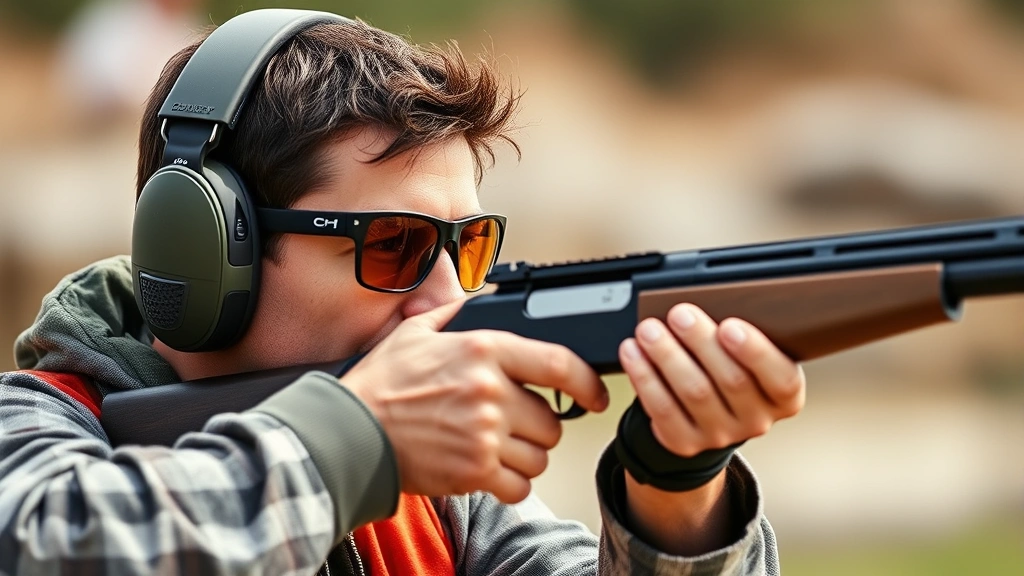
Shotgun and clay shooting benefits from glasses with excellent side coverage and bright, high-contrast lenses. Amber or yellow lenses enhance target visibility against sky backgrounds, and wraparound frames prevent clay fragments from entering from lateral angles. Photochromic lenses prove particularly valuable for clay shooting, where shooters move between shaded and brightly lit areas throughout competitions. Comfortable, secure frames are essential because shooting shotguns involves significant movement and quick target acquisition.
Handgun shooting and competition requires glasses that maintain stability during rapid movement and recoil. Secure, non-slip frames with adjustable temples ensure glasses remain in position during dynamic shooting scenarios. Clear lenses typically work best for handgun shooting, as they maximize light transmission for accurate sight picture acquisition. Lightweight frames reduce fatigue during extended training sessions, and designs that don’t interfere with holster draw or weapon presentation become important considerations.
Hunting applications demand glasses that adapt to changing outdoor lighting and maintain clarity during extended field use. Photochromic lenses excel in hunting contexts where shooters transition between dense forest and open clearings. Amber or copper lenses enhance contrast against natural backgrounds, improving target visibility and range estimation. Durable, weather-resistant frames that tolerate mud, rain, and rough field conditions are essential for serious hunters.
Tactical and military applications require glasses that integrate with advanced equipment systems including night vision devices, weapon-mounted optics, and communication headsets. Low-profile designs that don’t interfere with helmet mounting systems or tactical equipment become critical. Interchangeable lens systems allow rapid adaptation to different lighting conditions without removing glasses, and compatibility with prescription inserts accommodates shooters with vision correction requirements.
When selecting glasses for your specific discipline, consult with experienced shooters who compete or work in your chosen field. Their firsthand experience with equipment performance under realistic conditions provides invaluable guidance that extends beyond manufacturer specifications and marketing claims. Many shooting clubs and ranges offer loaner equipment that allows trying different glasses before committing to purchase.
FAQ
What makes shooting glasses different from regular safety glasses?
Shooting glasses incorporate impact-resistant polycarbonate lenses, wraparound protective coverage, and specialized coatings designed for powder residue and fragmentation hazards unique to shooting environments. Regular safety glasses may meet impact standards but lack the comprehensive side coverage and specialized features required for shooting applications. Additionally, shooting glasses prioritize optical clarity and minimize distortion because shooters must maintain precise sight picture and target visibility.
Can I wear prescription lenses in shooting glasses?
Yes, many quality shooting glasses accept prescription lens inserts or can be manufactured with custom vision correction integrated directly into the protective lenses. Options include clip-on prescription frames, insert systems, or direct prescription manufacturing through the eyewear manufacturer. Consult with your optometrist and the shooting glasses manufacturer to ensure proper vision correction while maintaining impact protection standards. Some specialized shooting glasses, like ESS Profile NVG, are specifically designed for prescription compatibility.
How often should I replace my shooting glasses?
Replace shooting glasses when lenses become scratched to the point where optical clarity is compromised, when frames develop cracks or lose structural integrity, or when coatings deteriorate and reduce functionality. Properly maintained glasses can last several years, but regular inspection ensures they continue providing adequate protection. If glasses have absorbed significant impact, replace them immediately even if visible damage isn’t apparent, as internal lens damage may not be visible but could compromise impact resistance.
Do photochromic lenses work indoors?
Photochromic lenses respond to ultraviolet light, which is filtered by most window glass and building materials. Therefore, photochromic lenses remain clear indoors and don’t provide the darkening effect that occurs outdoors. Shooters who split time between indoor and outdoor ranges should either accept that photochromic lenses won’t darken indoors or invest in multiple pairs of glasses optimized for different environments.
Are polarized lenses safe for shooting?
Polarized lenses reduce glare effectively but can interfere with electronic sights, digital displays, and some optical systems. If you use electronic optics, holographic sights, or digital range equipment, avoid polarized lenses. For traditional shooting without electronic components, polarized lenses provide excellent glare reduction, particularly beneficial for outdoor and water-based shooting environments. Test polarized lenses with your specific equipment before committing to purchase.
What’s the best lens color for outdoor shooting?
Amber, yellow, and copper lenses enhance contrast and depth perception, making them ideal for outdoor shooting where target visibility against natural backgrounds is critical. Gray lenses reduce overall brightness while maintaining color accuracy, suiting very bright conditions. Ultimately, the best choice depends on your specific environment and personal visual preferences. Consider trying multiple lens colors during practice sessions before selecting your primary pair.
How do I prevent my shooting glasses from fogging?
Quality anti-fog coatings and ventilation prevent fogging, but condensation can occur during rapid temperature changes or intense physical activity. Store glasses in cool environments, avoid breathing directly on lenses, and invest in products with proven anti-fog technology like those offered by Revision and Oakley. Some shooters apply anti-fog treatments to existing glasses, though permanent coatings applied during manufacturing typically outperform aftermarket solutions.


