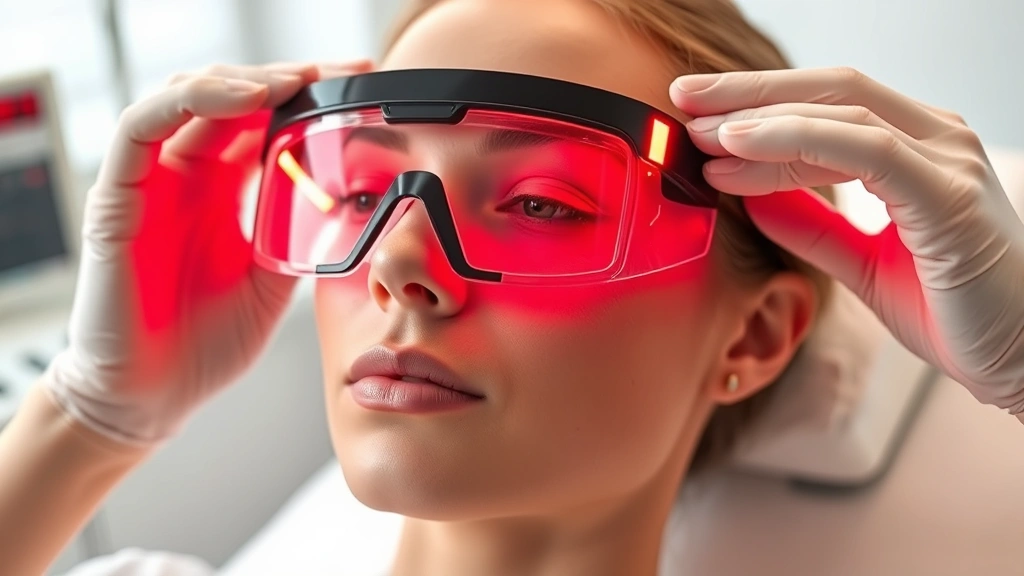
Red Light Therapy: Expert Eye Protection Tips for Safe Treatment
Red light therapy has gained significant popularity in recent years, with practitioners and wellness enthusiasts praising its potential benefits for skin health, muscle recovery, and cellular regeneration. However, as with any light-based treatment, protecting your eyes during red light therapy sessions is absolutely critical. Unlike ultraviolet radiation, red light and near-infrared wavelengths penetrate deeper into tissues, but improper exposure can still lead to retinal damage, eye strain, and long-term vision complications.
Understanding how to safeguard your vision while benefiting from red light therapy requires knowledge of protective equipment, proper usage protocols, and when to seek professional guidance. This comprehensive guide explores the best eye protection strategies recommended by ophthalmologists and wellness professionals to ensure your red light therapy experience remains both effective and safe.
Understanding Red Light Therapy Risks
Red light therapy utilizes wavelengths typically ranging from 600 to 1000 nanometers to stimulate cellular mitochondrial function and promote healing. While these wavelengths are considered safer than UV radiation, direct exposure to high-intensity red and near-infrared light can pose significant risks to ocular health. The primary concern involves phototoxicity—damage caused by excessive light exposure—which can affect the retina and underlying eye structures.
The retina, a delicate light-sensitive tissue at the back of the eye, is particularly vulnerable to intense light exposure. Extended or repeated direct exposure to concentrated red light sources can lead to photic retinopathy, a condition characterized by photoreceptor damage. Additionally, the cumulative effects of light exposure over time may contribute to age-related macular degeneration and other degenerative eye conditions.
Most commercial red light therapy devices operate at safe intensity levels when used according to manufacturer guidelines. However, professional-grade equipment and DIY setups using high-powered LEDs or laser arrays require careful eye protection. The risk increases significantly when:
- Devices operate at wavelengths in the near-infrared spectrum (700-1000 nm), which are invisible to the naked eye and thus harder to avoid instinctively
- Sessions involve direct facial exposure without proper spacing or diffusion
- Users fail to wear appropriate protective eyewear during treatments
- Equipment lacks proper safety certifications and power output documentation
- Exposure duration exceeds manufacturer-recommended session times
Types of Eye Protection for Red Light Therapy
Several categories of protective eyewear are available for red light therapy users, each with specific advantages and appropriate use cases. Selecting the right protection depends on your device’s wavelength specifications, intensity levels, and intended usage patterns.
Specialized Red Light Therapy Goggles
Purpose-designed red light therapy goggles represent the gold standard for eye protection. These specialized glasses feature optical coatings engineered to block red and near-infrared wavelengths while allowing visible light transmission for safety awareness. High-quality therapy goggles typically block 99% or more of wavelengths between 600-1100 nanometers. Professional-grade options provide superior optical clarity and durability compared to budget alternatives.
Laser Safety Glasses
Industrial laser safety eyewear, rated for specific wavelength ranges, offers robust protection for high-powered red light therapy systems. These glasses undergo rigorous testing per American National Standards Institute (ANSI) Z136.1 standards. When selecting laser safety glasses, ensure they’re rated for your device’s specific wavelength and power output. Look for glasses marked with the optical density (OD) rating, which indicates the level of light attenuation.
Amber and Orange-Tinted Protective Eyewear
Some practitioners use amber or orange-tinted glasses as a compromise solution. While these reduce blue light and some visible spectrum wavelengths, they provide incomplete protection against red and near-infrared radiation. These should only supplement more comprehensive protective measures and are not recommended as primary eye protection for direct device exposure.
Protective Face Shields and Barriers
Physical barriers that prevent direct light exposure offer an alternative or supplementary protection method. Polycarbonate face shields or enclosures around treatment areas can effectively block red light wavelengths. This approach works particularly well for stationary devices where the user maintains consistent distance from the light source.
Choosing Quality Protective Eyewear
Not all red light therapy eyewear provides equivalent protection. Several critical factors determine whether protective glasses will adequately safeguard your vision. Understanding these specifications helps you make informed purchasing decisions that prioritize your ocular health.
Optical Density Ratings
Optical density (OD) indicates how much light a lens blocks. An OD rating of 4 blocks 99.99% of light at the specified wavelength, while OD 3 blocks 99.9%. For red light therapy protection, glasses should have a minimum OD rating of 3 for the wavelength range your device emits. Always verify that the OD rating matches your device’s specific wavelengths—protection that works for 650 nm red light may not adequately block 980 nm near-infrared light.
Wavelength Specifications
Protective eyewear should be rated for the complete wavelength range of your therapy device. If your device operates at 600-1000 nm, purchase glasses explicitly rated for that full spectrum. Partial coverage leaves dangerous gaps where unfiltered light can reach your retina. Request technical documentation from manufacturers specifying exact wavelength blocking ranges.
Lens Clarity and Light Transmission
Quality protective eyewear should maintain reasonable optical clarity while blocking harmful wavelengths. Avoid glasses that appear excessively dark during normal light conditions, as excessive darkness can cause eye strain and reduce safety awareness. The best options balance effective blocking with practical visibility for safe device positioning and session monitoring.
Frame Durability and Fit
Protective glasses should fit securely without gaps around the edges where stray light could enter. Quality frames made from durable materials like polycarbonate resist warping and maintain protective integrity over extended use. Adjustable nose pieces and temple arms ensure proper fit for different face sizes and shapes.
Certification and Standards Compliance
Purchase eyewear that meets established safety standards. Recognized safety organizations and standards like ANSI Z136.1 for laser safety ensure products undergo rigorous testing. Look for certification markings and request compliance documentation from sellers. Avoid unmarked or uncertified products from unknown manufacturers.
Safe Usage Guidelines and Protocols
Even with proper eye protection, following established safety protocols maximizes your protection during red light therapy sessions. These guidelines represent best practices developed through clinical experience and safety research.
Pre-Treatment Assessment
Before beginning red light therapy, verify your equipment specifications and ensure protective eyewear matches your device’s wavelength output. If using professional equipment at wellness centers, confirm that facility staff have proper training and that protective equipment is available. Individuals with existing eye conditions—including macular degeneration, diabetic retinopathy, or recent eye surgery—should consult ophthalmologists before beginning therapy.
Proper Eyewear Application
Put on protective glasses before turning on your device and keep them on throughout the entire session. Ensure glasses fit snugly without gaps, and position them to cover your entire eye area. Never remove glasses during treatment “just for a moment.” Even brief direct exposure to concentrated red light can cause temporary photoreceptor disruption.
Device Distance and Positioning
Maintain manufacturer-recommended distances between your face and the light source. Closer distances increase retinal exposure risk, even with protective eyewear. Never position devices directly at eye level where light reflects directly into your eyes. Use adjustable mounts or positioning systems to maintain consistent, safe angles.
Session Duration Management
Follow manufacturer guidelines regarding session length. Typical recommendations range from 10-20 minutes daily for facial treatments. Longer sessions don’t necessarily provide better results and increase cumulative light exposure. Consider tracking your sessions to ensure you don’t exceed recommended weekly exposure totals.
Environmental Considerations
Treat red light therapy in a controlled environment where you can manage ambient lighting and reflections. Avoid using devices in bright sunlight or highly reflective environments where light bouncing off surfaces could increase exposure. Ensure adequate ventilation, as some high-powered devices generate heat during operation.
Common Eye Protection Mistakes
Many red light therapy users inadvertently compromise their eye safety through preventable mistakes. Recognizing these errors helps you avoid them and maintain proper protective practices.
Inadequate or Inappropriate Eyewear
The most common mistake involves using non-specialized protective glasses that don’t adequately block red and near-infrared wavelengths. Sunglasses, blue light blocking glasses, and general-purpose safety eyewear don’t provide sufficient protection for red light therapy. Only use eyewear specifically designed and rated for your device’s wavelength range.
Inconsistent Protection Use
Some users wear protective glasses during initial sessions but become complacent over time, assuming familiarity reduces risk. Consistent protection remains essential throughout your therapy journey. Retinal damage accumulates over time and may not produce immediately noticeable symptoms until significant harm occurs.
Ignoring Device Specifications
Users sometimes purchase generic red light therapy eyewear without verifying that protection matches their specific device’s wavelength output. A device operating at 980 nm requires different protection than one operating at 650 nm. Always cross-reference your equipment’s specifications with protective eyewear ratings.
Improper Eyewear Fit
Protective glasses with gaps around the edges or poor fit allow stray light to reach your eyes. Ensure glasses fit securely and cover your entire eye area. If standard sizes don’t fit properly, purchase adjustable options or seek professionally fitted protective eyewear from optical specialists.
Sharing Equipment Without Cleaning
When sharing protective eyewear between users, ensure proper cleaning between uses. Red light therapy devices and protective equipment can harbor bacteria, potentially causing eye infections. Use lens cleaning solutions designed for optical coatings and clean frames thoroughly.
Neglecting Professional Guidance
Users with pre-existing eye conditions or concerns sometimes skip professional consultation before beginning therapy. Eye health varies significantly between individuals, and certain conditions contraindicate red light therapy exposure. Always consult ophthalmologists if you have any concerns about therapy safety for your specific situation.
Professional Recommendations and Standards
Healthcare professionals and safety organizations provide evidence-based recommendations for red light therapy eye protection. Understanding these standards helps you make informed decisions aligned with professional best practices.
Clinical Research Findings
Peer-reviewed studies examining red light therapy safety consistently emphasize the importance of proper eye protection, particularly for high-intensity devices. Research from institutions like NIST provides technical guidelines for light-based medical devices. Most clinical protocols recommend protective eyewear for all red light therapy sessions involving wavelengths above 600 nm, regardless of intensity level.
Ophthalmological Guidelines
Professional ophthalmological organizations recommend that red light therapy users prioritize protective equipment rated for their specific device wavelengths. The American Academy of Ophthalmology advises patients to discuss red light therapy with eye care professionals before beginning treatment, particularly for individuals with existing retinal conditions.
Workplace Safety Standards
ANSI Z136.1 standards, primarily developed for laser safety, provide applicable guidelines for red light therapy devices that approach laser-like intensity levels. These standards establish optical density requirements, exposure limits, and protective equipment specifications. Facilities using professional-grade equipment should comply with these standards and maintain appropriate safety documentation.
Manufacturing Standards
FDA regulations for light-based medical devices establish safety requirements for manufactured red light therapy equipment. Reputable manufacturers include protective guidance, wavelength specifications, and safety warnings with their products. Devices meeting these standards provide safer starting points than unregulated alternatives.
Professional Facility Protocols
Legitimate wellness centers and medical spas using red light therapy maintain established safety protocols, including mandatory protective eyewear, staff training, and equipment maintenance schedules. When receiving professional red light therapy treatments, verify that facilities follow established safety standards and provide appropriate protective equipment.

FAQ
Can I use regular sunglasses for red light therapy eye protection?
No. Regular sunglasses primarily block ultraviolet radiation and visible light, but don’t adequately block red and near-infrared wavelengths that penetrate deeper into eye tissue. Specialized red light therapy eyewear with appropriate optical density ratings for your device’s specific wavelengths is essential for proper protection.
What’s the safest distance to maintain from red light therapy devices?
Follow your device manufacturer’s specific distance recommendations, which typically range from 6-12 inches for facial treatments. Closer distances increase light intensity at your eyes, even with protective eyewear. Never position devices directly at eye level, and maintain consistent distances throughout each session.
Are there any eye conditions that contraindicate red light therapy?
Individuals with macular degeneration, diabetic retinopathy, recent eye surgery, or other retinal conditions should consult ophthalmologists before beginning red light therapy. Some conditions may make eyes more vulnerable to light-based treatments. Professional medical guidance ensures therapy safety for your specific situation.
How often should I replace protective eyewear?
Quality protective glasses remain effective for several years with proper care. However, if lenses become scratched, cracked, or visibly damaged, replace them immediately. Damaged optical coatings compromise protective effectiveness. Additionally, if your device specifications change or you upgrade to higher-intensity equipment, verify your eyewear remains appropriate for the new wavelength range.
Can I wear contact lenses under red light therapy protective glasses?
Yes, contact lenses can be worn under protective glasses. However, ensure your protective eyewear fits comfortably over contact lenses without pressure or movement. Some users prefer glasses-style protective equipment that accommodates their prescription vision correction. Discuss contact lens use with your eye care provider if you have concerns about red light therapy safety.
What should I do if I experience eye discomfort during or after red light therapy?
Stop treatment immediately and remove protective eyewear. If discomfort persists beyond a few minutes, consult an ophthalmologist promptly. Describe your red light therapy device, session duration, and whether you wore protective equipment. Temporary mild eye strain is normal initially, but persistent pain, vision changes, or photophobia warrant professional evaluation.


