Best Bluetooth Hearing Protection for 2023: Expert Picks
Hearing protection has evolved dramatically over the past decade, and 2023 marks a pivotal year where technology meets safety in ways we never imagined. Modern Bluetooth hearing protection devices combine active noise cancellation, real-time sound monitoring, and wireless connectivity to create a comprehensive solution for professionals and enthusiasts alike. Whether you work in construction, manufacturing, or high-noise environments, or simply want to protect your hearing during recreational activities, understanding the latest innovations in hearing protection is crucial for long-term auditory health.
The intersection of cybersecurity and personal audio devices has become increasingly important as these smart devices collect and transmit biometric data. When evaluating the best Bluetooth hearing protection, you need to consider not only acoustic performance but also data privacy, secure connectivity, and protection against unauthorized access to your personal health information. This comprehensive guide examines the top contenders in the 2023 market while addressing the security implications of connected hearing protection devices.
Understanding Modern Hearing Protection Technology
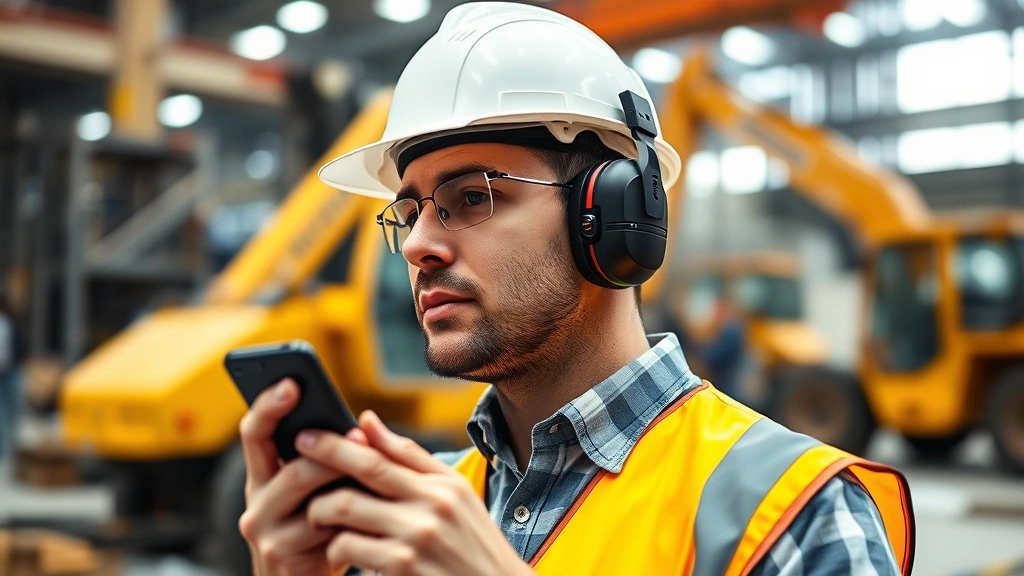
Bluetooth hearing protection devices represent a significant advancement in occupational safety and personal audio. Unlike traditional foam earplugs or passive earmuffs, modern smart hearing protection actively monitors ambient sound levels and adapts protection in real-time. This technology allows wearers to maintain situational awareness while protecting against sudden loud impulses that can cause permanent hearing damage.
The fundamental principle behind contemporary hearing protection involves measuring decibel levels and applying appropriate attenuation. Most professional-grade devices can distinguish between sustained noise and impulse noise, applying different protection strategies accordingly. This selective protection preserves the ability to hear conversations and important audio cues while blocking dangerous sound levels. The integration of Bluetooth connectivity enables these devices to connect with smartphones, radios, and other communication equipment, making them invaluable in team-based work environments.
When evaluating hearing protection options, you should understand the difference between Noise Reduction Rating (NRR) and real-world performance. NRR values represent laboratory measurements under ideal conditions, which often differ significantly from actual use scenarios. A device with an NRR of 30 dB might provide only 15-20 dB of protection in field conditions depending on fit, insertion depth, and user compliance.
Top Bluetooth Hearing Protection Devices for 2023
3M Peltor ComTac VI stands as an industry leader for tactical and occupational use. These communication headsets combine dual-microphone technology with Bluetooth connectivity, allowing users to amplify quiet sounds while suppressing loud impulses. The ComTac VI features 40-hour battery life on AA batteries and integrates seamlessly with military-grade communication systems. The device offers an NRR of 20 dB and includes multiple communication options for team coordination.
The Howard Leight Impact Sport Sound Amplification series provides affordable hearing protection without compromising functionality. These earmuffs feature ambient sound amplification that allows users to hear normal conversations while protecting against impulse noise. With Bluetooth connectivity available in select models, Impact Sport devices are popular among hunters, shooters, and outdoor enthusiasts. The sound amplification circuit activates instantly when loud noises occur, providing consistent protection across various environments.
For professional construction and industrial settings, the MSA Sordin Supreme Pro-X offers exceptional performance with integrated Bluetooth and dual-band radio connectivity. These Swedish-engineered devices provide 19 dB NRR with advanced sound processing that distinguishes between different noise types. The Supreme Pro-X includes a panoramic microphone array that provides spatial audio awareness, helping workers maintain better orientation in noisy environments while staying connected through wireless systems.
The Hellberg Secure Bluetooth line specifically addresses data security concerns in hearing protection. These devices incorporate encrypted Bluetooth connections and comply with GDPR and HIPAA standards for personal health data. This makes them particularly suitable for healthcare professionals and security-sensitive industries where audio and health information must remain confidential.
Consumer-focused options like Walker’s Razor Slim with Bluetooth offer compact form factors ideal for recreational shooters and outdoor workers. These lightweight devices provide excellent sound amplification with low-profile designs that work well under tactical helmets or hard hats. The Bluetooth integration enables streaming audio and hands-free communication while maintaining full hearing protection capabilities.
Security Considerations for Smart Hearing Devices
As hearing protection devices become increasingly connected, cybersecurity becomes a critical concern. According to CISA guidelines, any device collecting biometric or health data must implement robust security protocols. Bluetooth hearing protection devices transmit audio data, location information, and sometimes health metrics to connected devices, creating potential security vulnerabilities.
When selecting secure hearing protection, verify that devices use Bluetooth 5.0 or higher with AES-128 encryption. Older Bluetooth versions are susceptible to eavesdropping and man-in-the-middle attacks that could expose sensitive audio communications. Look for devices that support automatic pairing timeout, which disconnects the device from previously paired phones after a set period to prevent unauthorized access.
Many modern hearing protection devices collect usage data and sound exposure metrics for health tracking purposes. This data should never be transmitted to cloud servers without explicit user consent and encryption. Review the manufacturer’s privacy policy carefully before purchasing, as some companies sell anonymized hearing data to third parties for research purposes. The NIST guidelines for IoT security recommend that hearing device manufacturers implement regular security updates and provide transparent disclosure of data practices.
Firmware updates are critical for maintaining security in connected hearing devices. Devices that receive regular security patches can address newly discovered vulnerabilities before they’re exploited. Check whether your chosen device manufacturer provides automatic or manual firmware update mechanisms and has a track record of timely security patch releases. Devices that haven’t received updates in over a year may contain known security vulnerabilities.
Password protection and multi-factor authentication for associated mobile applications add additional security layers. Even if someone gains physical access to your hearing protection device, strong authentication prevents them from accessing paired smartphones or cloud-stored health data. Some premium models include biometric authentication features like fingerprint readers integrated into the charging case.
Comparing Passive vs. Active Noise Reduction
Passive hearing protection relies on physical barriers like foam or gel inserts to attenuate sound across all frequencies. These devices require proper insertion technique and consistent use to be effective. The advantage of passive protection is simplicity—no batteries, no electronics, and no security concerns. However, passive devices provide uniform attenuation regardless of noise type, which can prevent users from hearing important communication or warning signals.
Active noise reduction (ANR) uses microphones and speakers to generate inverse sound waves that cancel incoming noise. This technology excels at reducing low-frequency rumble from engines, HVAC systems, and traffic but is less effective against high-frequency impulse noise like gunshots or impact sounds. Hybrid approaches combine passive attenuation with active processing, offering comprehensive protection across the frequency spectrum.
For occupational use in construction or manufacturing, hybrid systems typically outperform passive-only protection because they adapt to changing noise conditions. Workers can adjust protection levels without removing the device, maintaining continuous hearing protection while preserving situational awareness. In contrast, passive devices require removal and reinsertion, creating unprotected gaps in hearing protection.
The psychological benefit of active hearing protection shouldn’t be overlooked. Devices that amplify quiet sounds and allow normal conversation reduce hearing fatigue and improve user compliance. Workers are more likely to consistently wear devices that don’t isolate them from their environment, leading to better long-term hearing health outcomes.
Battery Life and Durability Features
Battery performance directly impacts the practical utility of Bluetooth hearing protection devices. Most professional models use AA or AAA batteries for field replacements without requiring return to base for charging. A minimum of 20 hours of continuous operation is standard for occupational devices, with premium models offering 40+ hours. This battery capacity allows devices to operate through multiple work shifts without replacement.
Some newer models incorporate rechargeable lithium batteries with USB charging, providing convenience for office-based professionals who can charge devices overnight. However, rechargeable systems present challenges in remote or field environments where charging infrastructure may be unavailable. Consider your work environment when choosing between disposable and rechargeable battery options.
Durability ratings are essential for devices used in harsh environments. Look for IP67 or IP68 water resistance ratings if you work in wet conditions or around water sources. Many professional-grade hearing protection devices are rated for drops up to six feet on concrete and can withstand impacts without functional degradation. The materials used in construction should be impact-resistant polymers and reinforced headbands that maintain structural integrity after repeated use.
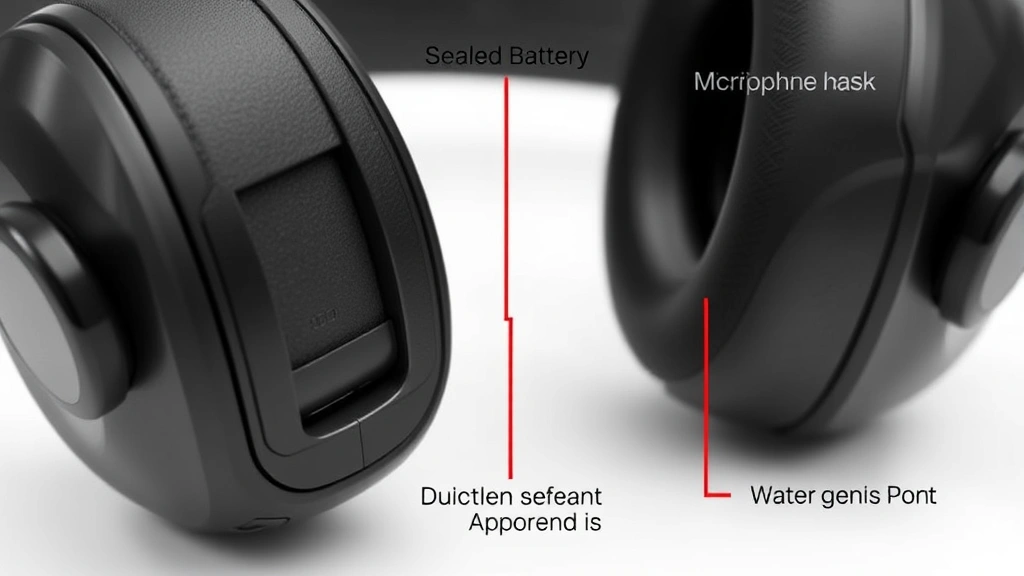
The connectors and battery compartments represent common failure points in hearing protection devices. Corrosion-resistant materials and sealed compartments prevent moisture and dust from damaging electronics. Some manufacturers offer lifetime warranty coverage for hearing protection devices, indicating confidence in durability and reliability.
Integration with Communication Systems
Modern hearing protection increasingly integrates with two-way radios, cell phones, and team communication platforms. This integration enables seamless coordination in team environments while maintaining hearing protection. Wireless connectivity for team communication allows supervisors to issue instructions and workers to report hazards without removing hearing protection or compromising safety.
Bluetooth connectivity standards vary between devices, with some offering proprietary connections to specific radio systems and others supporting universal Bluetooth profiles. Universal Bluetooth compatibility provides flexibility to use devices with multiple communication platforms, while proprietary systems often offer superior range and reliability in industrial environments with significant radio interference.
The best professional hearing protection devices for 2023 include auxiliary input options for non-Bluetooth audio sources. A 3.5mm jack or USB connection allows integration with legacy communication systems, ensuring backward compatibility with existing infrastructure. This flexibility is crucial for organizations with mixed equipment across multiple departments or job sites.
Hands-free operation through integrated microphones enables workers to communicate without manually holding communication devices. Noise-canceling microphones filter out background noise, ensuring clear transmission even in high-noise environments. This feature is particularly valuable for safety-critical communications where message clarity directly impacts worker protection.
FAQ
What NRR rating do I need for hearing protection?
The appropriate NRR depends on your noise environment. For brief exposure to noise above 90 dB, an NRR of 20-25 dB is typically sufficient. For sustained exposure to 100+ dB environments, you should use devices with NRR ratings of 25-30 dB. However, remember that real-world protection is often 50% lower than laboratory NRR values, so select devices rated higher than your minimum requirements.
Are Bluetooth hearing protection devices secure for confidential communications?
Devices using Bluetooth 5.0 with AES-128 encryption are reasonably secure for most applications. However, for truly sensitive communications, consider devices with military-grade encryption certified by organizations like NSA or compliance with specific government standards. Always verify that data transmission is encrypted end-to-end and that devices don’t store audio recordings without explicit consent.
How often should hearing protection batteries be replaced?
Battery replacement frequency depends on daily usage hours. For devices with 20-hour battery life used 8 hours daily, replace batteries approximately every 2-3 days. Many professionals keep spare batteries on-site to avoid service interruptions. Rechargeable models should be charged daily for consistent availability.
Can I wear hearing protection under a hard hat?
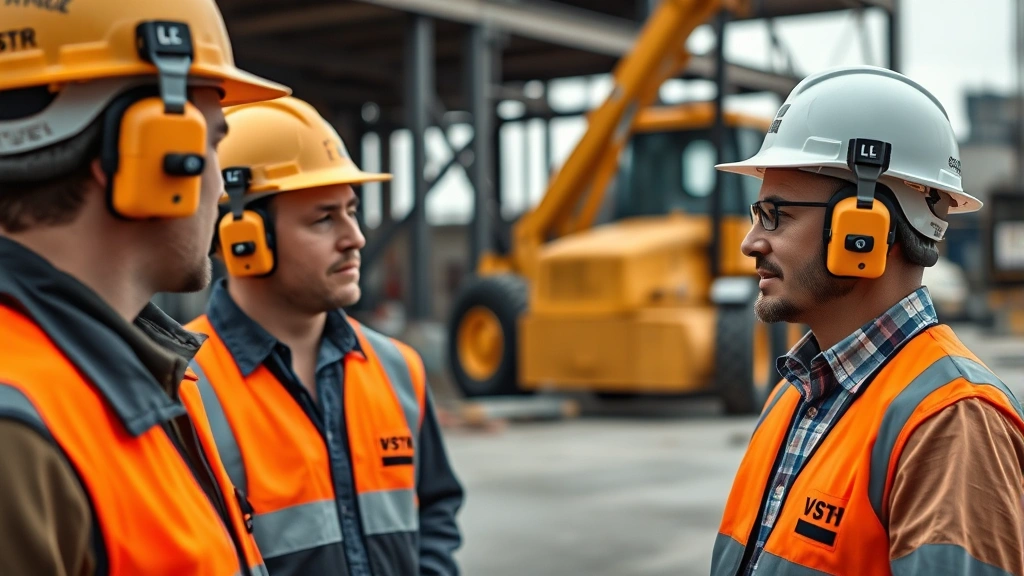
Yes, most Bluetooth hearing protection devices are designed for hard hat compatibility. Look for compact, low-profile models like the Walker’s Razor Slim or similar devices that fit under standard hard hats without creating pressure points. Ensure the headband adjustment accommodates the helmet without compromising the seal or protective fit.
What’s the difference between impulse noise and sustained noise protection?
Sustained noise refers to continuous sound above 85 dB, like machinery operation. Impulse noise involves sudden loud sounds like gunshots or impacts. Different protection strategies address each type—passive devices attenuate both equally, while active systems can reduce impulse noise more aggressively. For environments with both types, hybrid protection systems provide optimal coverage.
How do I ensure proper fit for hearing protection?
For earplug-style protection, insertion depth is critical—plugs should be inserted until they’re flush with the ear canal entrance. For earmuff-style protection, ensure the headband provides even pressure around the entire ear circumference and that the ear cup seals completely against your skin. Poor fit reduces protection by 50% or more, so take time during initial fitting to achieve proper seal.
Are there hearing protection options for people with hearing aids?
Yes, specialized hearing protection devices are available for hearing aid users. Some manufacturers produce custom-molded protection that accommodates hearing aid devices, while others offer amplification systems designed to work alongside hearing aids. Consult with your audiologist to identify compatible protection options for your specific hearing aid model.
What external resources can help me choose hearing protection?
The OSHA noise standards guide provides comprehensive information about occupational noise exposure limits and protection requirements. Additionally, hearing health organizations offer resources about noise-induced hearing loss prevention and best practices for hearing protection selection.


