
BB Cream SPF: Dermatologist Recommended Picks for Sun Protection
Finding the right BB cream with sun protection can transform your skincare routine while providing essential UV defense. BB creams have revolutionized the beauty industry by combining coverage, hydration, and sun protection in a single lightweight formula. Dermatologists increasingly recommend these multifunctional products for daily wear, especially for those seeking convenient skincare solutions without heavy makeup application.
The sun protection factor (SPF) in BB creams isn’t just a marketing gimmick—it’s a critical component of skin health. UV rays cause premature aging, dark spots, and skin cancer risk, making daily sunscreen application non-negotiable. BB creams bridge the gap between skincare and cosmetics, offering broad-spectrum protection (UVA and UVB) while evening out skin tone and providing hydration. This guide explores dermatologist-recommended BB creams that deliver real sun protection benefits.
Understanding BB Cream SPF Technology
BB creams represent a fusion of Korean beauty innovation and Western skincare science. The term “BB” originally stood for “Blemish Balm,” but modern formulations do far more than conceal imperfections. When combined with SPF protection, these products create a comprehensive daily skincare solution. Dermatologists appreciate BB creams because they encourage consistent sunscreen use—a major obstacle in skincare compliance.
The SPF rating indicates protection against UVB rays, while broad-spectrum formulas also protect against UVA rays. SPF 30 blocks approximately 97% of UVB rays, while SPF 50 blocks about 98%. The difference seems minimal numerically, but dermatologists recommend SPF 30 minimum for daily use and SPF 50+ for extended outdoor exposure. CDC sun protection guidelines emphasize that no sunscreen blocks 100% of UV rays, making reapplication crucial.
BB creams with SPF typically use physical or chemical UV filters. Physical blockers like zinc oxide and titanium dioxide sit on skin’s surface, reflecting UV rays. Chemical filters absorb UV radiation and convert it to heat. Dermatologists often recommend physical blockers for sensitive skin, though modern chemical filters have improved significantly. The best BB cream with sun protection combines both technologies for optimal defense.
Formulation matters significantly when evaluating BB cream efficacy. Higher SPF values require more active ingredients, which can affect texture and coverage. Quality BB creams maintain a lightweight feel while delivering adequate sun protection. Ingredients like niacinamide, hyaluronic acid, and peptides work synergistically with SPF to hydrate and protect skin simultaneously.
Top Dermatologist Recommended BB Creams
Neutrogena Ultra Sheer Dry-Touch Sunscreen BB Cream SPF 50+ consistently earns dermatologist approval for its lightweight formula and high SPF rating. This product uses avobenzone and octinoxate as chemical filters, providing broad-spectrum protection. The dry-touch technology prevents greasiness, making it suitable for combination and oily skin types. Its coverage ranges from light to medium, evening out skin tone without heavy makeup feel.
Clinique Even Better Makeup SPF 15 combines foundation and sun protection in a buildable formula. While SPF 15 falls below the dermatologist-recommended SPF 30 minimum, many dermatologists suggest layering this with a dedicated sunscreen for enhanced protection. The formula includes salicylic acid, beneficial for acne-prone skin, and provides medium coverage with natural finish.
Missha M Perfect Cover BB Cream SPF 42 PA+++ originated from Korean beauty innovation and has earned dermatologist recognition for its comprehensive formula. The PA rating (Protection Grade of UVA) ensures UVA protection, essential for preventing photoaging. This BB cream offers excellent coverage while maintaining a natural appearance. It contains marine collagen and hyaluronic acid for hydration benefits beyond sun protection.
L’Oréal True Match BB Cream SPF 30 delivers dermatologist-approved sun protection at an accessible price point. The formula adapts to various skin tones through a color-matching technology. It provides light-to-medium coverage and includes antioxidants to combat free radical damage from UV exposure. The silky texture makes it ideal for sensitive skin types.
Tarte Amazonian Clay BB Tinted Moisturizer SPF 20 caters to those prioritizing skincare benefits. While SPF 20 is below recommended minimums, the formula’s rich blend of clay, antioxidants, and botanical extracts appeals to dermatologists recommending layered sun protection approaches. The product offers light coverage with a dewy finish.
When selecting from these options, consider your skin type, coverage preferences, and sun exposure patterns. American Academy of Dermatology resources emphasize that the best sunscreen is one you’ll use consistently, making product selection based on personal preference crucial.
Dermatologists also recommend brands that undergo third-party testing and publish stability data. Skin Cancer Foundation certified products meet rigorous testing standards, providing additional assurance beyond marketing claims.
How to Choose the Right BB Cream with SPF
Selecting the optimal BB cream with sun protection requires understanding your specific skin needs and lifestyle factors. Dermatologists recommend considering skin type first—oily skin benefits from oil-free, mattifying formulas, while dry skin needs hydrating ingredients alongside SPF. Combination skin typically requires balanced formulations that don’t emphasize either extreme.
Coverage level significantly impacts daily usability. Those seeking minimal makeup appearance should select BB creams offering sheer-to-light coverage, while individuals with significant hyperpigmentation or blemishes may prefer medium-to-full coverage options. Remember that heavier coverage doesn’t automatically mean better sun protection—SPF rating remains the primary sun defense indicator.
Ingredient sensitivity requires careful attention. Common BB cream ingredients that trigger reactions include fragrance, parabens, and certain chemical UV filters. If you have sensitive skin, dermatologists recommend patch-testing new products on your inner arm before full-face application. Physical UV blockers like zinc oxide may be preferable if you’ve experienced reactions to chemical filters.
Budget considerations matter, but dermatologists emphasize that expensive doesn’t necessarily mean more effective. Mid-range and drugstore BB creams with adequate SPF ratings often perform comparably to luxury brands. The critical factor is consistent daily application—a moderately priced product you’ll use religiously outperforms an expensive one sitting unused in your bathroom drawer.
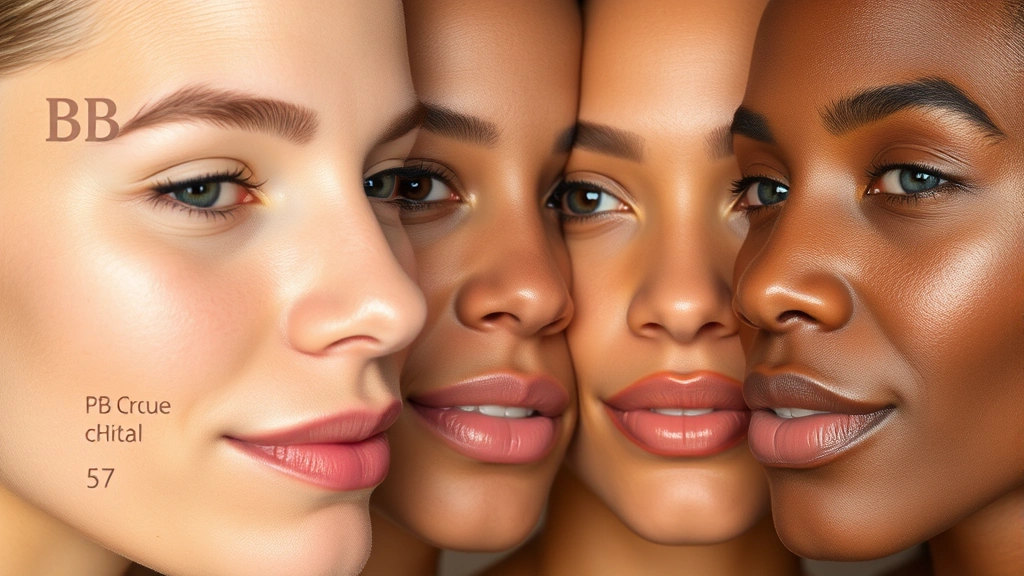
Undertone matching ensures natural appearance and encourages consistent use. BB creams come in various shades from fair to deep, with some brands offering undertone variations (warm, cool, neutral). Proper shade matching prevents the obvious makeup line that discourages some users from wearing products daily. Visit beauty counters for professional shade matching when possible.
Consider your typical sun exposure when selecting SPF levels. Those spending significant time outdoors should prioritize SPF 50+, while office workers with minimal sun exposure might find SPF 30 adequate when combined with other protective measures. However, dermatologists universally recommend SPF 30 minimum for all daily activities, including incidental sun exposure during commuting and errands.
Application Tips for Maximum Sun Protection
Proper application technique dramatically impacts BB cream effectiveness. Dermatologists emphasize that most people apply insufficient sunscreen—the recommended amount is one quarter teaspoon for facial application, roughly equivalent to a large pea-sized dollop. Many BB cream users apply far less, significantly reducing SPF protection levels.
Begin by applying moisturizer appropriate for your skin type, waiting 2-3 minutes for absorption before BB cream application. This base prevents the BB cream from settling into dry patches and ensures even coverage. Use a damp beauty sponge or brush to apply BB cream, blending thoroughly for seamless coverage. Sponge application often provides better product distribution than fingers alone.
Don’t forget often-missed areas including ears, the hairline, and the back of the neck. These regions receive significant UV exposure but are frequently overlooked in sunscreen application. Dermatologists recommend extending BB cream slightly beyond the jawline, ensuring no harsh demarcation line appears.
Reapplication remains critical for maintaining sun protection throughout the day. BB cream provides the stated SPF only when applied in adequate quantities and reapplied every two hours, or immediately after swimming or sweating. For those wearing makeup, reapplication becomes challenging. Dermatologists suggest carrying a BB cream compact or using powder sunscreen for touchups without disrupting makeup.
Layering strategies enhance protection when using lower-SPF BB creams. Apply a dedicated SPF 30+ sunscreen first, allow it to set for a few minutes, then apply BB cream for coverage. This approach provides optimal sun protection while maintaining the cosmetic benefits of BB cream. Some dermatologists specifically recommend this method for extended outdoor activities.
Environmental factors influence reapplication needs. Sand and water reflect UV rays, intensifying exposure at beaches. High-altitude locations receive stronger UV radiation. Reflective surfaces like snow, concrete, and glass increase UV exposure. Adjust application frequency and SPF strength based on these environmental considerations.

Common Myths About BB Cream SPF
Myth: BB cream SPF alone provides sufficient sun protection. Reality: While BB creams contain SPF, most people apply insufficient quantities for the labeled protection. Dermatologists recommend combining BB cream with a dedicated sunscreen or applying BB cream in the recommended one-quarter teaspoon amount—often impractical for coverage purposes. The combination approach ensures adequate protection.
Myth: Higher SPF means you don’t need reapplication. Reality: SPF protection diminishes with time, sweat, and friction. Even SPF 100 requires reapplication every two hours during outdoor activities. The SPF number doesn’t indicate duration of protection—only the level of protection during that period. Dermatologists emphasize that reapplication consistency matters more than initial SPF level.
Myth: BB creams replace moisturizers and sunscreen. Reality: While BB creams provide hydration and sun protection, they function best as part of a comprehensive skincare routine. Dermatologists recommend using a targeted moisturizer for your skin type, followed by sunscreen or BB cream, then makeup if desired. This layered approach addresses multiple skin concerns simultaneously.
Myth: All BB creams provide the same sun protection. Reality: SPF ratings vary significantly among BB cream brands and formulations. Some products claim SPF but haven’t undergone rigorous testing. Dermatologists recommend selecting BB creams from established brands with published stability data and third-party testing verification.
Myth: BB cream isn’t necessary if you stay indoors. Reality: UV rays penetrate windows, and incidental sun exposure during commuting and running errands accumulates significantly over time. Dermatologists recommend daily SPF application regardless of indoor/outdoor time split. The cumulative effect of unprotected sun exposure drives premature aging and skin cancer risk.
Myth: Darker skin tones don’t need SPF. Reality: While melanin provides some natural UV protection, all skin tones require sunscreen. People with darker skin experience higher rates of skin cancer mortality, partly because sun protection recommendations were historically overlooked for this population. Dermatologists emphasize that everyone benefits from consistent SPF use.
FAQ
What SPF level should I choose in a BB cream?
Dermatologists recommend minimum SPF 30 for daily use, with SPF 50+ preferred for extended outdoor activities. The difference between SPF 30 and 50 is relatively small (97% vs. 98% UVB protection), but higher SPF provides a safety margin if reapplication is missed or application is insufficient.
Can I use BB cream as my only sunscreen?
BB cream can serve as sunscreen if applied in the correct quantity (one-quarter teaspoon), but most people apply less for makeup purposes. Dermatologists recommend combining BB cream with a dedicated sunscreen for reliable protection, or applying BB cream in adequate amounts specifically for sun protection rather than coverage.
How often should I reapply BB cream with SPF?
Reapply every two hours during outdoor activities, or immediately after swimming, sweating, or towel drying. For indoor office workers, reapplication may be less critical, but dermatologists still recommend touch-ups every 3-4 hours if possible, especially if exposed to window light or working near reflective surfaces.
Is BB cream suitable for acne-prone skin?
Many BB creams work well for acne-prone skin, especially oil-free, non-comedogenic formulations. Look for products containing salicylic acid or niacinamide, which provide acne-fighting benefits alongside sun protection. Dermatologists recommend patch-testing first, as some BB cream ingredients may trigger breakouts in sensitive individuals.
Do BB creams provide UVA protection?
Look for “broad-spectrum” labels indicating both UVA and UVB protection. Check ingredient lists for UVA-protective filters like avobenzone, zinc oxide, or tiladiurn. Not all BB creams provide adequate UVA protection, making label verification essential. Dermatologists emphasize that UVA protection is crucial for preventing photoaging and skin damage.
Can men use BB cream with SPF?
Absolutely. BB creams provide sun protection and skincare benefits regardless of gender. Men often prefer the lightweight texture and minimal coverage of BB creams compared to traditional foundations. Dermatologists recommend sun protection for all individuals, making gender-neutral product selection appropriate.
How do I choose a BB cream shade?
Test shades in natural lighting, ideally on your jawline where you can compare to your neck. Many beauty retailers offer shade-matching services. If ordering online, select brands with generous return policies. Proper shade matching ensures natural appearance and encourages consistent daily use—critical for sun protection compliance.
Are expensive BB creams better than drugstore options?
Price doesn’t correlate directly with effectiveness. Many dermatologist-approved BB creams are available at drugstore prices. Focus on SPF rating, broad-spectrum protection, and ingredients rather than brand prestige. The best BB cream is one you’ll use consistently, regardless of price point.


