Protect Your Car: Automotive Cybersecurity Guide
Modern vehicles have transformed into sophisticated computers on wheels, equipped with hundreds of electronic control units, wireless connectivity, and advanced driver assistance systems. This digital evolution has brought unprecedented convenience and safety features, but it has also introduced significant cybersecurity vulnerabilities that drivers and manufacturers must address. Automotive cyber security is no longer a theoretical concern—it is a critical reality that affects millions of vehicle owners worldwide.
As vehicles become increasingly connected through cellular networks, Bluetooth, WiFi, and proprietary communication protocols, the attack surface for cybercriminals expands exponentially. From remote engine manipulation to GPS spoofing and data theft, the threats are diverse and evolving rapidly. Understanding these risks and implementing protective measures is essential for safeguarding both your vehicle and personal information.
This comprehensive guide explores the landscape of automotive cybersecurity, examining the vulnerabilities that exist in modern vehicles, the real-world threats that drivers face, and the practical steps you can take to protect your car from cyberattacks.
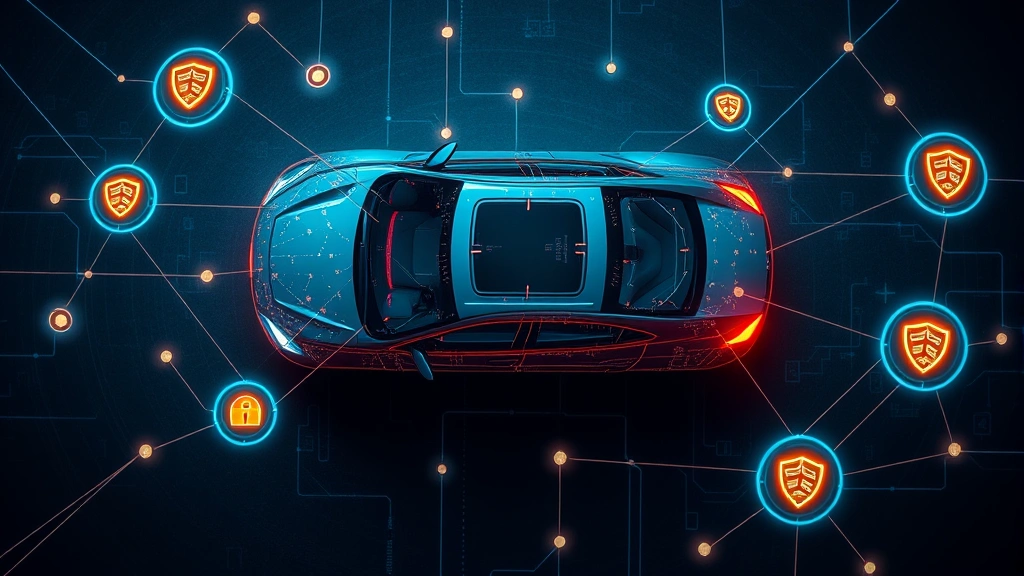
Understanding Automotive Cyber Threats
The automotive industry faces an unprecedented challenge as vehicles become increasingly autonomous and connected. Cybersecurity threats in automobiles range from relatively benign data privacy concerns to potentially life-threatening attacks that could compromise vehicle control systems. Threat actors include amateur hackers seeking notoriety, organized cybercriminals pursuing financial gain, nation-state actors with geopolitical motivations, and competitors engaged in industrial espionage.
The stakes are extraordinarily high. Unlike a compromised computer or smartphone, a hacked vehicle could result in loss of life. A successful attack on critical systems such as braking, steering, or acceleration could transform your car into a weapon. Additionally, the data collected by modern vehicles—including location history, driving patterns, and personal preferences—represents valuable information that cybercriminals can monetize or exploit for identity theft.
According to research from the Cybersecurity and Infrastructure Security Agency (CISA), automotive cybersecurity incidents have increased substantially over the past five years. The agency has issued multiple advisories regarding vulnerabilities in popular vehicle models from major manufacturers, highlighting the widespread nature of the problem.
How Vehicles Are Vulnerable to Cyberattacks
Modern vehicles contain sophisticated electronic architectures with multiple interconnected systems communicating through Controller Area Networks (CAN buses), Local Interconnect Networks (LIN), and FlexRay protocols. These systems were designed for functionality and efficiency rather than security, creating inherent vulnerabilities.
Legacy design philosophy: Many vehicles on the road today were designed in an era when cybersecurity was not a primary concern. The automotive industry prioritized reliability, cost-effectiveness, and performance over security measures. This legacy continues to affect vehicle security even as manufacturers begin implementing better protective measures in newer models.
Insufficient authentication mechanisms: Many vehicle systems lack robust authentication protocols. Components communicate with minimal verification, allowing attackers to inject malicious commands into vehicle networks. The absence of encryption in certain communication channels means that transmitted data can be intercepted and analyzed.
Limited update capabilities: Unlike smartphones and computers that receive regular security patches, many vehicles have no practical mechanism for updating software remotely. This leaves known vulnerabilities unpatched for years, even after manufacturers discover them. Some vehicle owners may never receive critical security updates during their vehicle’s lifespan.
Wireless connectivity expansion: The addition of cellular connectivity, WiFi, and Bluetooth creates multiple entry points for attackers. Infotainment systems, telematics units, and smartphone integration features all represent potential attack vectors. Many of these systems were developed by third-party suppliers with varying levels of security expertise.
Lack of network segmentation: In many vehicles, critical safety systems share the same network infrastructure as entertainment and convenience systems. This means that a compromise of the infotainment system could potentially provide access to engine control modules or braking systems.
Common Attack Vectors in Connected Cars
Understanding the specific methods that attackers use to compromise vehicles is essential for developing effective protection strategies. Several attack vectors have been documented by security researchers and automotive manufacturers.
OBD-II port attacks: The On-Board Diagnostic port, typically located beneath the steering wheel, provides direct access to vehicle networks. Any attacker with physical access to this port can connect diagnostic equipment and potentially reprogram vehicle systems. Malicious actors have demonstrated the ability to disable brakes, manipulate speedometers, and trigger false warning lights through OBD-II access.
Wireless network exploitation: Vehicles equipped with WiFi hotspots or cellular connectivity create wireless attack surfaces. Researchers have demonstrated successful attacks through compromised WiFi networks and cellular connections. Once connected to a vehicle’s network, attackers can potentially access and manipulate critical systems.
Infotainment system vulnerabilities: The entertainment and navigation systems in modern vehicles often run on operating systems similar to computers or smartphones. These systems frequently contain security flaws that attackers can exploit. A compromised infotainment system can serve as a pivot point for accessing other vehicle networks.
Bluetooth exploitation: Bluetooth connectivity in vehicles introduces additional risks. Researchers have identified vulnerabilities in Bluetooth implementations that could allow attackers to eavesdrop on communications or inject malicious commands. Some Bluetooth vulnerabilities affect multiple vehicle manufacturers simultaneously.
Smartphone integration attacks: Apple CarPlay and Android Auto integration creates potential vulnerabilities. Malicious applications installed on a connected smartphone could potentially exploit these integrations to access vehicle systems. Additionally, the pairing process itself may not adequately verify the legitimacy of connecting devices.
Telematics system compromise: Built-in cellular systems used for emergency services, remote diagnostics, and vehicle tracking can be exploited if not properly secured. Attackers have demonstrated the ability to intercept telematics communications and inject false commands.
Real-World Examples of Automotive Cyber Incidents
Several well-documented cases demonstrate the real-world impact of automotive cybersecurity vulnerabilities.
In 2015, security researchers demonstrated a complete remote takeover of a Jeep Cherokee, controlling steering, acceleration, and braking through the vehicle’s internet connection. This widely publicized demonstration prompted a massive recall and accelerated the automotive industry’s focus on cybersecurity. The incident revealed that critical safety systems were accessible from the infotainment network with minimal security protections.
Tesla vehicles have experienced multiple security incidents, including instances where researchers gained unauthorized access to vehicle controls through compromised mobile applications and network vulnerabilities. While Tesla has generally been responsive to security disclosures, these incidents highlight the ongoing challenges even among manufacturers with strong cybersecurity programs.
Hyundai and Kia vehicles have been targeted by ransomware attacks affecting keyless entry and ignition systems. Attackers exploited vulnerabilities in the manufacturers’ mobile applications and connected services, compromising thousands of vehicles. These incidents demonstrated that cybersecurity threats extend beyond luxury vehicles to mainstream manufacturers.
General Motors OnStar systems have been the subject of security research identifying potential vulnerabilities in the connected services platform. Researchers have shown the possibility of tracking vehicle locations and potentially manipulating certain vehicle functions through compromised communications.
Manufacturer Responsibilities and Standards
Recognizing the severity of automotive cybersecurity challenges, regulatory bodies and industry organizations have begun establishing standards and requirements for vehicle manufacturers.
SAE J3061 standard: The Society of Automotive Engineers developed the J3061 cybersecurity guideline, which provides a framework for addressing cybersecurity throughout the vehicle development lifecycle. This standard emphasizes threat modeling, secure design practices, and vulnerability management.
ISO/SAE 21434 standard: This international standard specifies cybersecurity processes for automotive development. It requires manufacturers to identify threats, assess risks, implement security measures, and maintain ongoing vulnerability management programs. The standard applies to all stages of vehicle development and operation.
NIST Cybersecurity Framework: The National Institute of Standards and Technology (NIST) Cybersecurity Framework provides guidance that automotive manufacturers are increasingly adopting. The framework emphasizes identification, protection, detection, response, and recovery capabilities.
Major vehicle manufacturers have established bug bounty programs and vulnerability disclosure processes, encouraging security researchers to identify and report flaws responsibly. These programs have become increasingly important for identifying vulnerabilities before they can be exploited in the wild.
Over-the-air update capability: Manufacturers are investing in secure over-the-air update systems that enable rapid deployment of security patches. This represents a significant shift from the previous era when security fixes were impractical to distribute at scale.
Practical Protection Strategies for Vehicle Owners
While manufacturers bear primary responsibility for vehicle security, vehicle owners can implement several practical measures to reduce their cybersecurity risk.
Keep software updated: Install all available software updates and security patches as soon as they are released. Many manufacturers now provide over-the-air updates that install automatically or can be installed through mobile applications. Check your vehicle’s infotainment system regularly for available updates.
Secure your mobile device: Since smartphones serve as connection points to vehicles, maintaining robust security on your mobile device is essential. Use strong passwords, enable biometric authentication, keep your operating system and applications updated, and only install applications from official app stores. Avoid jailbreaking or rooting your device, as this compromises security protections.
Protect your WiFi connection: If your vehicle has a WiFi hotspot feature, use a strong, unique password and change it regularly. Avoid connecting your vehicle to public WiFi networks, which may be compromised or monitored by attackers. Consider disabling WiFi on your vehicle if you do not actively use it.
Limit Bluetooth exposure: Only pair your vehicle with trusted devices, and unpair devices you no longer use. Disable Bluetooth when you are not actively using it. Be cautious about pairing your vehicle with unfamiliar devices, and avoid using public or shared vehicles’ Bluetooth systems when possible.
Secure your OBD-II port: If your vehicle has an easily accessible OBD-II port, consider using a protective cover or locking port adapter. This prevents unauthorized physical access to vehicle diagnostic interfaces. Some aftermarket security solutions provide monitoring and alerts for OBD-II port access.
Monitor your vehicle’s connectivity: Regularly review the connected devices and services associated with your vehicle. Check your manufacturer’s mobile application for active connections and disable services you are not using. Be aware of what data your vehicle is collecting and transmitting.
Use official manufacturer services: When seeking vehicle maintenance or repairs, use authorized dealerships and service centers. Third-party repair facilities may not follow manufacturer security protocols, potentially introducing vulnerabilities during service.
The Role of Software Updates and Patches
Software updates represent the primary mechanism through which manufacturers address identified cybersecurity vulnerabilities in vehicles. Understanding the importance of updates and how to manage them is crucial for vehicle owners.
Vulnerability discovery and disclosure: Security researchers, manufacturers, and threat intelligence services continuously identify vulnerabilities in vehicle systems. Responsible disclosure practices encourage researchers to report vulnerabilities to manufacturers privately, allowing time for patch development before public disclosure. Some researchers publish findings through CISA security advisories, which provide detailed information about vulnerabilities and available mitigations.
Patch development and testing: Once a vulnerability is identified, manufacturers must develop a fix, test it thoroughly to ensure it does not introduce new problems, and prepare it for distribution. This process takes time, sometimes months, during which vehicles remain vulnerable.
Update distribution challenges: Unlike personal computers, vehicles lack a universal update mechanism. Each manufacturer has developed proprietary update systems, and not all vehicles can receive over-the-air updates. Some vehicles require visits to dealerships for updates, creating barriers to patch deployment.
Update installation best practices: When updates are available, install them promptly. Ensure your vehicle is parked safely and has adequate battery charge or is plugged in while updates install. Do not interrupt the update process, as incomplete updates could render systems unstable. Allow sufficient time for the update to complete fully.
Legacy vehicle challenges: Owners of older vehicles face particular challenges, as manufacturers may no longer provide security updates for vehicles beyond a certain age. This creates a growing population of vehicles with unpatched vulnerabilities. In these cases, implementing other protective measures becomes even more important.
Future of Automotive Cybersecurity
The automotive industry is undergoing significant transformation to address cybersecurity challenges comprehensively. Several trends are shaping the future of vehicle security.
Autonomous vehicle security: As vehicles become increasingly autonomous, cybersecurity requirements intensify dramatically. Self-driving vehicles must be virtually impossible to compromise, as the consequences of failure could be catastrophic. This is driving significant investment in security architecture and validation methods.
Hardware security modules: Manufacturers are increasingly incorporating dedicated hardware security modules (HSMs) into vehicles. These specialized processors provide cryptographic functions and secure storage for sensitive data, making it much harder for attackers to compromise critical systems.
Zero-trust architecture: The automotive industry is adopting zero-trust security principles, where every component and communication is verified and authenticated. This represents a fundamental shift from the previous assumption that internal vehicle networks were inherently trustworthy.
Standardized cybersecurity requirements: Regulatory bodies worldwide are developing mandatory cybersecurity standards for vehicles. The European Union’s proposed regulations and similar initiatives in other regions will require manufacturers to meet minimum security standards or face penalties.
Industry collaboration: Vehicle manufacturers, suppliers, and security researchers are increasingly collaborating to address common threats. Industry-wide initiatives share threat intelligence and best practices, raising the overall security posture across the automotive ecosystem.
Consumer awareness initiatives: Manufacturers and industry organizations are investing in consumer education about automotive cybersecurity. As awareness grows, vehicle owners will be better equipped to make informed decisions about vehicle security and implement protective measures.
The convergence of these trends suggests that automotive cybersecurity will continue to improve, though vulnerabilities will inevitably persist. The key is maintaining vigilance, staying informed about emerging threats, and implementing available protective measures.
FAQ
What is the biggest cybersecurity threat to modern vehicles?
The biggest threat varies depending on vehicle type and usage, but compromised infotainment systems represent a significant risk because they often have network access to critical systems. For connected vehicles, compromised cellular or WiFi connections pose serious threats. For all vehicles, physical OBD-II port access remains a critical vulnerability that requires minimal technical skill to exploit.
Can my older vehicle be hacked?
Older vehicles with minimal electronic systems and no wireless connectivity are much harder to hack remotely. However, any vehicle with an OBD-II port can be compromised by someone with physical access. Vehicles with added aftermarket connectivity features (smartphone apps, GPS trackers, telematics devices) create new vulnerability vectors regardless of age.
Should I disable my vehicle’s connectivity features?
Disabling connectivity features reduces cybersecurity risk but eliminates beneficial services like emergency assistance, remote diagnostics, and navigation. A balanced approach is best: keep features you actively use, disable those you don’t, and ensure all software is current. Only disable features if the security benefits outweigh the loss of functionality for your specific situation.
How often should I update my vehicle’s software?
Install updates as soon as they become available. Security patches should be prioritized over feature updates. Most manufacturers release updates periodically, not continuously, so checking your manufacturer’s mobile app or vehicle infotainment system monthly is reasonable for ensuring you don’t miss critical updates.
What should I do if I suspect my vehicle has been hacked?
If you notice unusual behavior—unexpected warning lights, system malfunctions, or unexplained vehicle movement—immediately contact your vehicle manufacturer’s customer service and visit an authorized dealership. Do not ignore persistent anomalies. For critical safety issues, contact law enforcement and report the incident to CISA through their vulnerability disclosure process.
Are luxury vehicles more secure than mainstream vehicles?
Luxury vehicles often have more advanced technology and security features, but this also means more complex systems with larger attack surfaces. Security is not determined solely by price point—it depends on manufacturer commitment to security practices, investment in secure architecture, and responsiveness to vulnerabilities. Some mainstream manufacturers have demonstrated stronger security practices than luxury brands.


