Avoid Long Waits: Austin Airport Security Tips
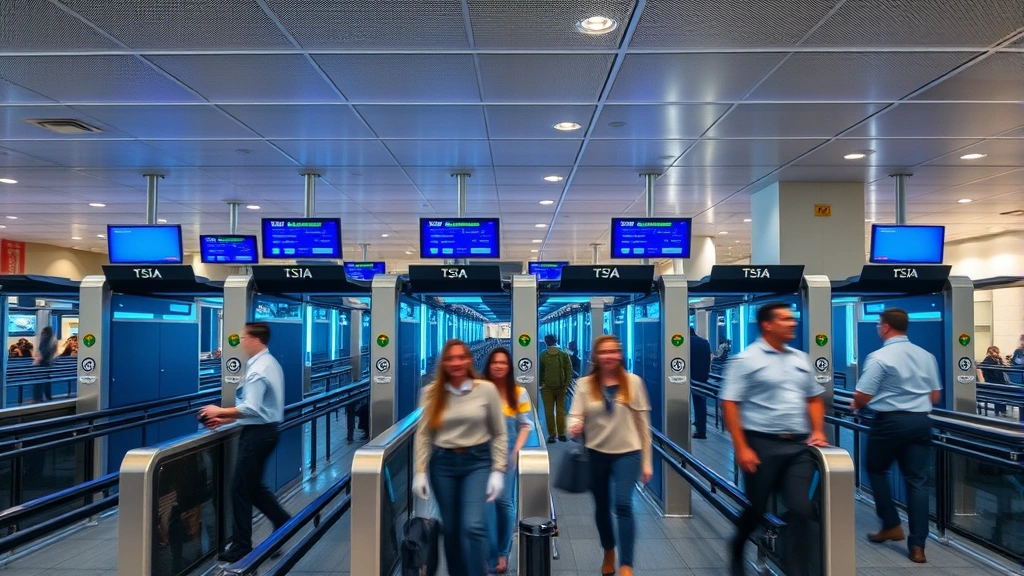
Austin-Bergstrom International Airport (AUS) serves millions of travelers annually, and security screening remains one of the most time-consuming aspects of air travel. Whether you’re a frequent flyer or an occasional traveler, understanding how to navigate Austin airport security wait times can significantly reduce stress and help you catch your flight comfortably. Long security lines don’t have to be inevitable—with proper preparation and knowledge of available programs, you can streamline your experience and spend less time in queues.
The key to avoiding extended waits at Austin airport security lies in preparation, timing, and leveraging available expedited screening options. TSA PreCheck, Real ID compliance, and strategic arrival planning can cut your security screening time from 20-30 minutes down to just 5-10 minutes. This comprehensive guide explores evidence-based strategies to minimize your time at security checkpoints while maintaining safety protocols that protect all travelers.
Understanding Austin Airport Security Wait Times
Austin-Bergstrom International Airport experiences variable security wait times depending on numerous factors including time of day, day of week, season, and special events happening in Austin. According to TSA official statistics, average wait times at major airports fluctuate between 15-45 minutes during peak periods. However, AUS typically experiences shorter waits than major hub airports like Dallas-Fort Worth or Houston.
The airport’s security infrastructure includes multiple checkpoint lanes designed to handle different traveler categories. Understanding how these lanes operate and which one suits your profile can shave significant time off your security experience. Peak travel periods at Austin airport generally occur during early morning hours (5:30-7:30 AM), late afternoon (3:00-5:00 PM), and evening hours before red-eye flights depart.
Security wait times also vary seasonally, with summer vacation periods, holiday travel seasons, and spring break creating predictable surge periods. By analyzing these patterns, you can strategically schedule your arrival time to avoid the worst congestion. The TSA publishes wait time data in real-time, allowing travelers to make informed decisions about when to arrive at the airport.
TSA PreCheck: Your Best Investment
TSA PreCheck represents the single most effective way to reduce Austin airport security wait times. This trusted traveler program costs $78-85 for five years and provides expedited screening through dedicated PreCheck lanes. Members enjoy several significant advantages that collectively save hours of travel time annually.
With TSA PreCheck enrollment, you can:
- Keep shoes, belts, and light jackets on during screening
- Leave laptops and liquids in your carry-on bag
- Use dedicated expedited security lanes with shorter queues
- Enjoy 5-10 minute average screening times instead of 20-30 minutes
- Receive a Known Traveler Number (KTN) to add to flight reservations
The TSA PreCheck application process involves an online application followed by an in-person appointment at an enrollment center. Austin has multiple enrollment locations including one at Austin-Bergstrom International Airport itself, making the process convenient for local residents. The investment pays for itself within 2-3 round-trip flights when considering time saved and reduced travel stress.
Frequent travelers should prioritize TSA PreCheck enrollment as a non-negotiable investment in travel efficiency. Business travelers, in particular, find the program invaluable for maintaining schedules and reducing airport-related delays. Many credit cards offer TSA PreCheck fee reimbursement, effectively making the program free for eligible cardholders.
Real ID Compliance Requirements
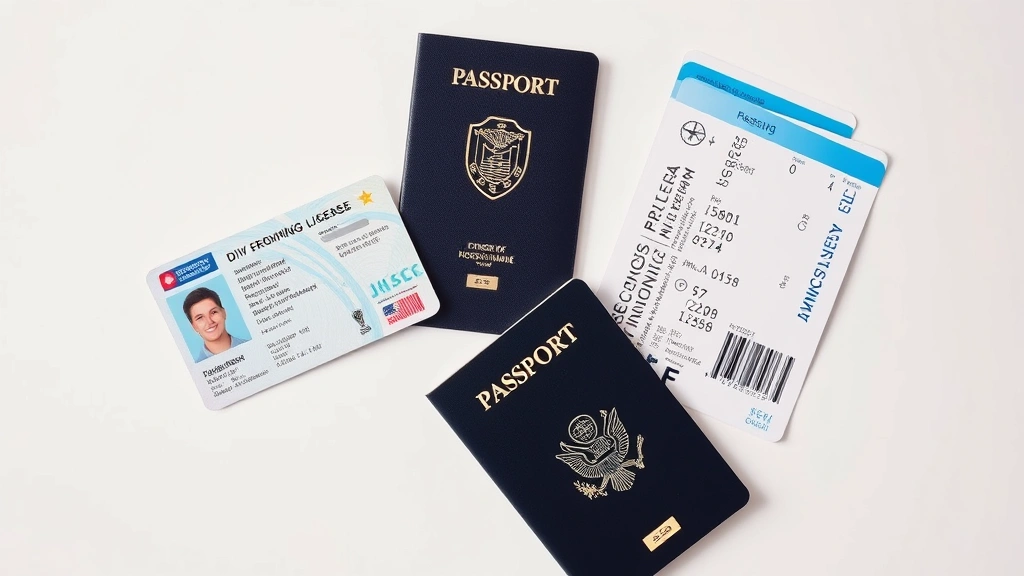
As of May 2025, all domestic air travelers must present Real ID compliant identification or a valid passport at security checkpoints. This federal requirement applies at Austin airport and affects every traveler regardless of TSA PreCheck status. Understanding Real ID compliance helps you avoid last-minute issues that could delay your security screening.
Real ID compliant identification includes:
- Enhanced driver’s licenses issued by Texas and other states
- U.S. passports and passport cards
- Military identification cards
- Permanent resident cards
- Trusted traveler program cards (Global Entry, SENTRI, NEXUS)
Texas driver’s licenses issued after October 2020 are Real ID compliant by default, featuring a gold star in the upper right corner. If your license lacks this star, you’ll need to visit a Texas Department of Public Safety office to obtain a compliant license. This process typically takes 1-2 weeks, so plan ahead if your current identification isn’t compliant.
Having proper identification ready at the security checkpoint eliminates delays caused by verification issues. Present your Real ID compliant identification along with your boarding pass at the checkpoint entrance to move through screening efficiently.
Strategic Timing and Arrival Planning
Arriving at Austin airport at the optimal time dramatically impacts your security wait experience. TSA recommends arriving 2 hours before domestic flights, but this varies based on expected wait times. During off-peak hours, 90 minutes may suffice, while peak travel periods might require 2.5-3 hours.
The busiest security screening periods at Austin airport occur:
- Monday-Friday mornings: 5:30-7:30 AM (business travelers)
- Friday afternoons: 3:00-5:00 PM (weekend getaway surge)
- Sunday evenings: 4:00-7:00 PM (return travel concentration)
- Holiday periods: 1-2 days before major holidays
- Special events: Austin City Limits Festival, South by Southwest (SXSW)
Strategic travelers schedule flights during off-peak hours when possible. Mid-week flights typically experience shorter waits than weekend travel. Early morning flights (5:00-6:00 AM) often have lighter security lines than 6:00-8:00 AM slots. Similarly, mid-afternoon departures (1:00-3:00 PM) frequently offer faster security screening than peak hours.
Using real-time wait time information allows you to adjust your arrival time accordingly. If you see wait times exceeding 30 minutes, arriving an extra 30 minutes early provides a buffer. Conversely, if wait times are minimal, you can optimize your airport arrival to minimize time spent in the terminal.
Mobile Apps and Real-Time Information
Technology provides powerful tools for monitoring Austin airport security wait times in real-time. The TSA Wait Times official website displays current and historical wait data for major airports including Austin-Bergstrom International. This information updates every few minutes, giving you accurate data for planning your airport arrival.
Useful mobile applications include:
- TSA Official App: Provides real-time wait times, PreCheck lane information, and security tips
- Airport-specific apps: Austin Airport’s official app displays terminal information and security updates
- Flight tracking apps: Apps like FlightAware integrate wait time data with your flight information
- Google Maps: Displays real-time congestion data at airport terminals
Setting up push notifications for your specific airport alerts you to significant wait time changes. If you notice wait times exceeding 30 minutes before departing for the airport, you can adjust your schedule accordingly. This data-driven approach eliminates guesswork and keeps you informed throughout your journey.
Packing Smart to Speed Through Security
How you pack your carry-on luggage directly impacts your security screening speed. TSA officers spend extra time examining bags that appear disorganized or contain items in unexpected locations. Strategic packing minimizes screening delays and keeps your belongings secure.
Optimal packing strategies include:
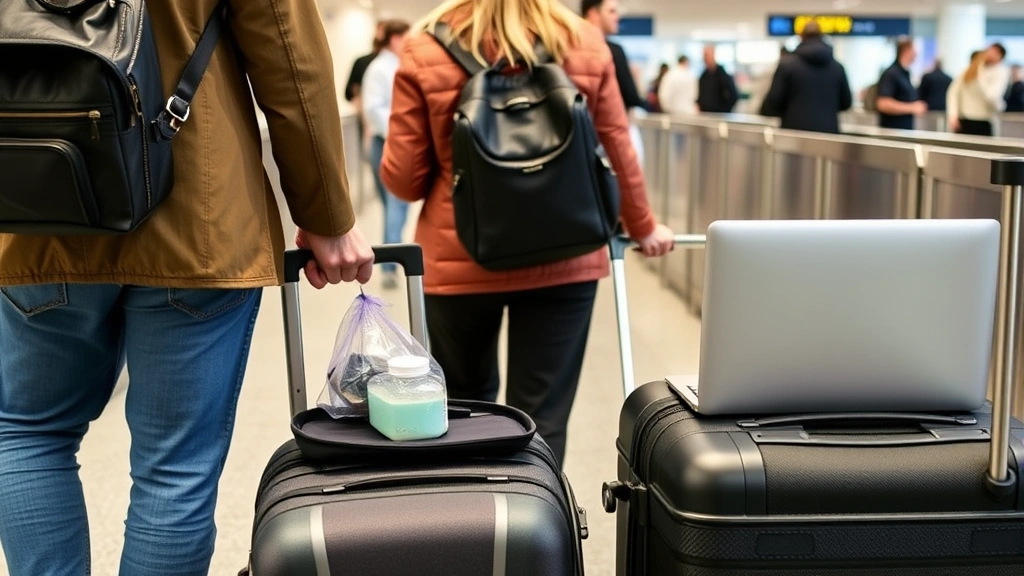
- Separate electronics: Place laptops, tablets, and large electronics in easily accessible bag sections
- Organize liquids: Use a clear quart-sized bag for toiletries, placing it where TSA can quickly access it
- Empty pockets: Remove all items from pockets before reaching the security scanner
- Wear appropriate clothing: Choose slip-on shoes and minimal metal accessories
- Minimize carry-on items: Travel with one bag instead of multiple items when possible
- Know prohibited items: Avoid bringing items that require additional screening or confiscation
TSA PreCheck members benefit from relaxed packing requirements, keeping electronics and liquids in bags during screening. However, all travelers should organize bags thoughtfully to expedite the screening process. A well-organized bag moves through security 5-10 minutes faster than a disorganized one.
Alternative Screening Lanes at AUS
Austin-Bergstrom International Airport offers multiple security checkpoint lanes designed for different traveler categories. Understanding which lanes best suit your status helps you choose the most efficient path through security.
Available screening lanes at Austin airport include:
- Standard lanes: For travelers without expedited screening credentials
- TSA PreCheck lanes: Dedicated expedited screening for PreCheck members
- Family lanes: Designed for travelers with children and families
- First Class/Premium lanes: For premium airline passengers
- Global Entry lanes: For Global Entry and other trusted traveler programs
Choosing the appropriate lane based on your traveler status and credentials ensures you access the fastest available screening option. TSA PreCheck members should always use dedicated PreCheck lanes rather than standard lanes, even if standard lines appear shorter. PreCheck lanes maintain consistent speed advantages throughout the day.
If you don’t have TSA PreCheck but are traveling with family, using family lanes can be more efficient than standard lanes. These lanes accommodate the additional time required for screening children and their belongings.
Peak Hours and Off-Peak Travel
Understanding Austin airport traffic patterns enables strategic flight scheduling that minimizes security wait times. Analyzing historical data reveals predictable patterns that savvy travelers leverage.
Seasonal and temporal patterns at Austin airport:
- Summer months (June-August): Consistently higher wait times due to vacation travel
- Winter holidays: December 20-January 2 experiences significant congestion
- Spring break: Mid-March through early April sees elevated wait times
- Weekday mornings: Business travel creates predictable early-morning surges
- Weekend travel: Friday-Sunday typically busier than Monday-Thursday
- SXSW festival: Mid-March experiences temporary surge from festival attendees
Business travelers should consider Tuesday through Thursday flights when possible, as these days experience lighter security loads than Monday and Friday. Leisure travelers benefit from flying on Tuesdays, Wednesdays, or early Saturday mornings when airport traffic is lightest.
Checking historical wait time data for your specific flight time and date helps predict expected screening durations. The TSA website provides this historical information, allowing you to make data-informed scheduling decisions.
FAQ
What is the average security wait time at Austin airport?
Average wait times at Austin-Bergstrom International Airport range from 10-20 minutes during off-peak hours to 25-40 minutes during peak travel periods. TSA PreCheck members typically experience 5-10 minute waits in dedicated lanes.
Can I skip the security line at Austin airport?
You cannot skip security screening entirely, but TSA PreCheck and other trusted traveler programs like Global Entry provide expedited lanes that significantly reduce wait times. Premium airline passengers may also access priority lanes.
Is TSA PreCheck worth it for occasional travelers?
TSA PreCheck costs $78-85 for five years, roughly $15-17 annually. If you take just 2-3 round-trip flights per year, the time savings justify the investment. Many credit cards offer TSA PreCheck fee reimbursement.
What documents do I need for security at Austin airport?
You need a Real ID compliant driver’s license or valid passport. Texas licenses issued after October 2020 are compliant by default (marked with a gold star). If your license lacks this mark, obtain a Real ID compliant license before travel.
When should I arrive at Austin airport for a domestic flight?
TSA recommends arriving 2 hours before domestic flights. However, during peak hours you might need 2.5 hours, while off-peak periods may require only 90 minutes. Check real-time wait times before departing home.
Are there any security programs faster than TSA PreCheck?
Global Entry includes TSA PreCheck benefits plus expedited customs screening for international travel. SENTRI and NEXUS offer similar benefits for specific border crossings. For domestic flights alone, TSA PreCheck is the primary expedited option.
How can I check Austin airport security wait times before arriving?
Visit the TSA Wait Times website, use the official TSA mobile app, or check the Austin airport’s website for real-time security queue information. These resources update every few minutes with current data.
What items should I avoid packing in carry-on luggage?
Avoid liquids over 3.4 ounces, sharp objects, tools, weapons, and electronics that require additional screening. Check the TSA “What Can I Bring?” tool for specific item regulations before packing.


