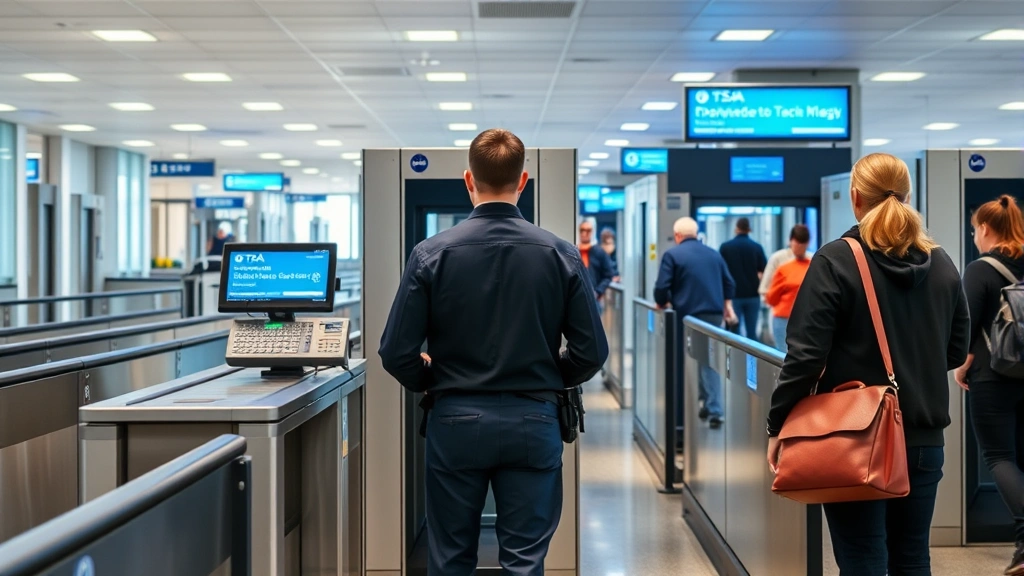
Is Atlanta Airport Security Safe? Expert Insights on TSA Screening & Wait Times
Hartsfield-Jackson Atlanta International Airport (ATL) stands as one of the world’s busiest aviation hubs, processing millions of passengers annually through its security checkpoints. The question of whether Atlanta airport security is truly safe—combined with concerns about atlanta airport security wait times—remains paramount for travelers, security professionals, and airport administrators alike. Understanding the multifaceted security infrastructure, threat landscape, and operational efficiency requires examining both the technological defenses and human factors that protect this critical transportation nexus.
Atlanta’s airport security operates under the Transportation Security Administration (TSA) framework, implementing layered security protocols designed to detect and prevent threats before they reach aircraft. However, the intersection of high passenger volume, evolving cyber threats, and physical security challenges creates a complex operational environment. This comprehensive analysis explores the current state of airport security at ATL, examining expert perspectives on vulnerability assessment, technology deployment, and the critical balance between security effectiveness and passenger experience.
Understanding TSA Security Framework at Atlanta Airport
The Transportation Security Administration implements a risk-based security model at Atlanta International Airport, utilizing multiple screening layers to identify potential threats. This framework includes behavioral detection officers, explosive trace detection systems, advanced imaging technology, and manual baggage screening. The TSA’s approach at ATL reflects national security standards while accounting for the airport’s unique position as a major domestic and international gateway.
Atlanta’s airport security operates under TSA PreCheck and CLEAR programs, which expedite screening for pre-approved travelers. These programs fundamentally alter the security landscape by allowing lower-risk passengers to proceed through expedited lanes, theoretically reducing overall wait times while maintaining security integrity. However, the effectiveness of risk-based screening depends heavily on accurate threat assessment algorithms and proper implementation by trained personnel.
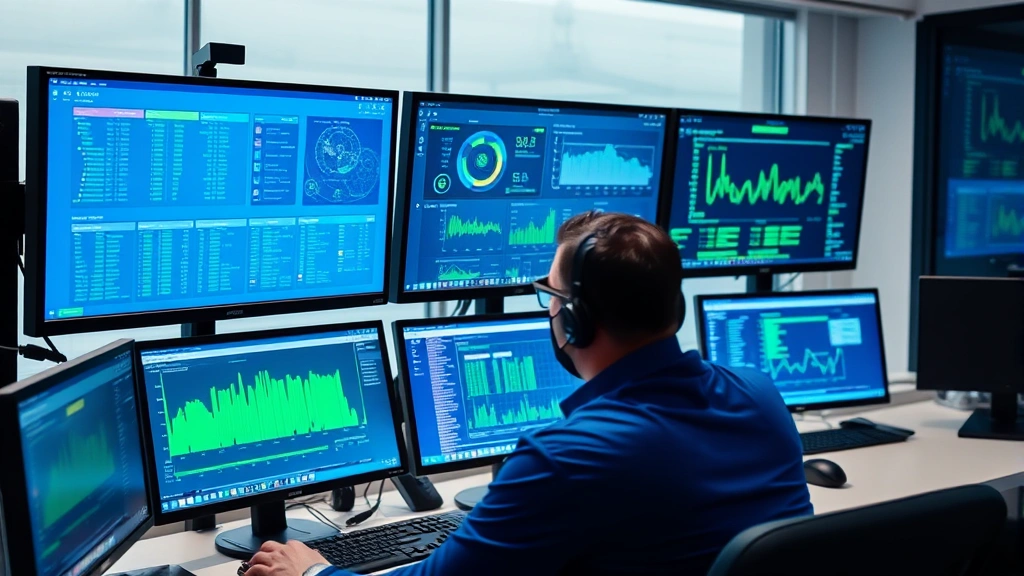
The TSA maintains dedicated security operations centers at ATL, staffed with trained officers who monitor screening checkpoints, baggage handling areas, and secured zones. These professionals receive continuous training on emerging threat patterns, suspicious behavior indicators, and proper equipment operation. The Transportation Security Administration provides standardized protocols, but local implementation variations can affect both security effectiveness and wait times.
Expert security analysts emphasize that the TSA’s layered approach creates redundancy—if one screening method fails, others should detect threats. This includes initial document verification, X-ray screening of carry-on luggage, metal detection or advanced imaging technology screening of passengers, and random secondary screening. Each layer serves a specific purpose in the threat detection ecosystem.
Current Wait Times and Operational Efficiency
Atlanta airport security wait times fluctuate significantly based on passenger volume, time of day, day of week, and seasonal variations. During peak travel periods—holidays, summer vacation, and business travel seasons—wait times can exceed 30-45 minutes at standard security checkpoints. The TSA publishes real-time wait time information for major airports, including ATL, helping travelers plan their arrival schedules.
The relationship between wait times and security effectiveness represents a critical challenge for airport security professionals. Longer queues can create security vulnerabilities by increasing passenger stress, potentially reducing officer attention span, and creating crowded conditions that complicate threat detection. Conversely, expedited screening processes must maintain rigorous threat assessment standards to prevent security degradation.
Atlanta’s airport authority has invested in infrastructure improvements designed to reduce atlanta airport security wait times without compromising safety. These include additional checkpoint lanes, improved traffic flow design, and technology investments that accelerate the screening process. The COVID-19 pandemic prompted significant operational changes, including enhanced sanitation protocols and modified staffing models that persist today.
TSA data reveals that PreCheck participants experience significantly shorter wait times—typically 5-10 minutes—compared to standard screening passengers. This incentive structure encourages enrollment in background-checked programs, which theoretically allows the agency to focus more intensive screening resources on passengers presenting higher risk profiles. However, critics argue this two-tier system may inadvertently create security blind spots.
Peak travel periods during morning hours (5:00 AM – 9:00 AM) and evening hours (4:00 PM – 8:00 PM) generate the longest wait times at ATL. Weekend travel, particularly Sunday evenings, also produces extended queues as leisure travelers return home. Understanding these patterns helps travelers strategize arrival times and choose appropriate security program enrollment.
Advanced Screening Technologies and Threat Detection
Atlanta International Airport deploys sophisticated screening technologies designed to detect explosives, prohibited items, and potential threats with minimal passenger delay. Advanced Imaging Technology (AIT) scanners use millimeter-wave radiation to penetrate clothing and detect concealed objects without physical contact. These systems have become standard throughout U.S. airports, though passenger privacy concerns persist.
Explosive trace detection equipment at Atlanta airport security checkpoints identifies minute chemical residues associated with conventional and advanced explosives. These systems require regular calibration and operator training to maintain effectiveness. The TSA conducts periodic testing using known explosive compounds to verify that equipment and personnel maintain detection capability.
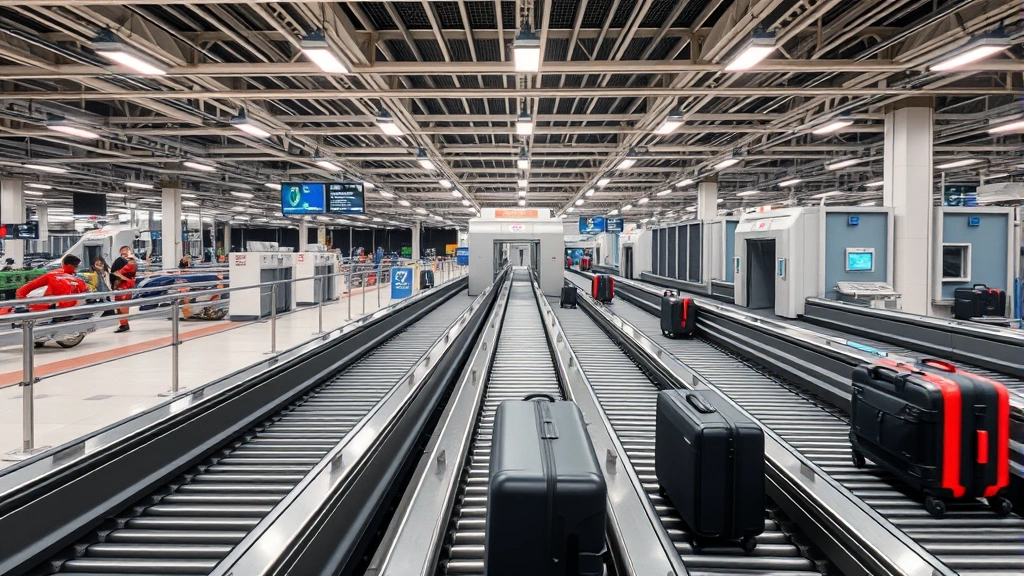
Baggage screening systems employ dual-energy X-ray technology that creates three-dimensional images of luggage contents, allowing officers to identify suspicious items for secondary inspection. These systems process baggage more rapidly than traditional single-energy X-rays while providing enhanced threat detection capabilities. Integration of artificial intelligence into baggage screening systems promises further efficiency improvements.
Biometric technology increasingly features in airport security operations, with facial recognition systems comparing passenger images against watchlists and travel documents. The TSA has expanded biometric screening at ATL, using these systems for identity verification and threat matching. However, privacy advocates raise concerns about data retention, accuracy rates, and potential misidentification risks.
Behavioral Detection Officers (BDOs) at Atlanta airport employ training in recognizing suspicious behavioral patterns that might indicate concealed weapons, explosives, or criminal intent. These officers observe passengers throughout the checkpoint environment, identifying individuals for secondary screening based on specific behavioral indicators. The effectiveness of behavioral screening remains debated within the security research community, with some studies questioning cost-effectiveness relative to conventional screening methods.
Cybersecurity Vulnerabilities in Airport Infrastructure
While physical security receives substantial attention, cybersecurity threats to airport infrastructure represent increasingly critical vulnerabilities. Atlanta airport operates interconnected systems managing passenger data, flight operations, baggage handling, security access controls, and facility management. These systems, if compromised, could facilitate physical security breaches or compromise passenger information.
The airport’s operational technology networks controlling baggage systems, door locks, surveillance cameras, and checkpoint equipment require robust cybersecurity protections. Vulnerabilities in these systems could allow unauthorized access to secured areas, disablement of screening equipment, or disruption of airport operations. Cybersecurity professionals emphasize that airport cyber protection requires continuous monitoring, regular security updates, and employee training on phishing and social engineering attacks.
Passenger data systems at ATL process sensitive information including names, dates of birth, passport numbers, and travel itineraries. Data breaches affecting these systems could expose millions of travelers to identity theft, surveillance, or targeted attacks. The airport must maintain compliance with TSA cybersecurity requirements, Payment Card Industry Data Security Standards (if processing payments), and general data protection regulations.
The Cybersecurity and Infrastructure Security Agency (CISA) classifies airports as critical infrastructure requiring elevated cybersecurity protection. CISA provides guidance, threat intelligence, and incident response support to airport operators managing cyber risks. ATL participates in information-sharing initiatives through transportation sector security organizations, receiving alerts about emerging cyber threats.
Third-party vendor risks present additional cybersecurity challenges for Atlanta airport. Contractors managing baggage systems, food service operations, cleaning services, and maintenance work access various airport networks and physical areas. Inadequate vendor security practices, weak password policies, or malware infections on contractor systems could create entry points for sophisticated cyber attackers.
The integration of Internet of Things (IoT) devices throughout modern airports—including surveillance cameras, access control systems, and environmental monitoring equipment—expands the potential attack surface. Each connected device represents a potential vulnerability if not properly secured, patched, and monitored. Security researchers have demonstrated the feasibility of compromising airport systems through insecure IoT devices.
Personnel Training and Security Protocols
The effectiveness of any airport security system depends fundamentally on the training, competence, and vigilance of security personnel. TSA officers at Atlanta airport receive initial training covering threat recognition, equipment operation, passenger handling, and emergency procedures. However, continuous training requirements, staff turnover, and fatigue management present ongoing challenges.
Security researchers have documented that screening effectiveness deteriorates with officer fatigue, particularly during extended shifts or high-stress periods. Atlanta airport’s operational demands—processing over 100,000 passengers daily—create sustained pressure on checkpoint personnel. Proper staffing levels, reasonable shift lengths, and fatigue management protocols directly impact security effectiveness.
The TSA implements recurrent training requirements ensuring officers maintain proficiency with screening equipment and threat recognition protocols. Red team testing, where undercover agents attempt to smuggle prohibited items through checkpoints, provides performance metrics and identifies training gaps. These tests have revealed variable detection rates, suggesting inconsistent training effectiveness or implementation across different shifts and checkpoints.
Airport security protocols at ATL must address numerous scenarios including suspicious baggage, threatening passenger behavior, medical emergencies, and coordinated security incidents. Regular drills and scenario-based training prepare personnel to respond effectively while maintaining operational continuity. However, the complexity of potential threat scenarios means no training program can address all contingencies.
Background investigation requirements for TSA officers include criminal history checks, employment verification, and financial history review. These screening processes identify individuals with security concerns, though they cannot predict future behavior or detect sophisticated infiltration attempts. Periodic reinvestigations help identify officers who may have developed security vulnerabilities through changed circumstances.
Passenger Data Protection and Privacy Concerns
Atlanta airport collects extensive passenger data through check-in processes, security screening, and boarding procedures. This information includes personally identifiable information, travel patterns, biometric data (fingerprints, facial images), and behavioral observations. Protecting this data from unauthorized access, breaches, and misuse represents a significant security responsibility.
The TSA’s passenger data systems interact with multiple government and private databases, including the No-Fly List, Selectee List, and watchlists maintained by law enforcement agencies. This integration enables rapid threat identification but also raises concerns about data accuracy, false positives, and inappropriate data sharing. Passengers incorrectly flagged by these systems face travel disruptions and difficulty removing their names from watchlists.
Biometric data collection at Atlanta airport—including fingerprint and facial recognition information—creates privacy concerns regarding data retention, sharing, and potential misuse. Federal regulations limit biometric data retention periods and restrict sharing with non-security agencies. However, data breaches or unauthorized access could expose this sensitive information to bad actors.
Third-party contractors handling passenger data at ATL—including airline staff, ground handlers, and security service providers—require security clearances and training on data protection requirements. Inadequate contractor oversight, employee negligence, or intentional insider threats can compromise passenger data security. The airport implements access controls limiting data exposure to employees with legitimate operational needs.
Transparency regarding data collection, retention, and usage remains limited for most passengers. The TSA publishes privacy impact assessments for major screening technologies, but many travelers remain unaware of the extent of data collection or how their information is used. Advocating for privacy-protective security measures requires balancing legitimate security needs against civil liberties concerns.
Future Security Enhancements and Innovations
Airport security continues evolving as threats develop and technology advances. Atlanta airport explores emerging technologies that promise enhanced threat detection with reduced passenger friction. These innovations include advanced artificial intelligence for baggage screening, autonomous security systems, and next-generation biometric technologies.
Artificial intelligence applications in airport security could improve threat detection accuracy while accelerating screening processes. Machine learning algorithms trained on extensive datasets of threatening and benign items could identify suspicious objects in baggage with greater precision than human operators. However, algorithmic bias, false positive rates, and the challenge of detecting novel threat types remain concerns.
The National Institute of Standards and Technology (NIST) provides guidance on security technology evaluation, helping airports assess emerging solutions. NIST standards for biometric accuracy, equipment reliability, and system integration inform procurement decisions. ATL consults these standards when evaluating new security technologies.
Contactless screening technologies gained prominence during the COVID-19 pandemic and continue development. These systems minimize physical contact between officers and passengers while maintaining threat detection capability. Touchless document scanning, facial recognition-based identity verification, and automated baggage handling reduce transmission vectors for infectious diseases while improving operational efficiency.
Integration of security systems with real-time threat intelligence improves situational awareness and response capabilities. Atlanta airport receives regular threat briefings from TSA, FBI, Department of Homeland Security, and private security intelligence providers. Rapid communication of emerging threats allows checkpoint personnel to heighten vigilance for specific threat patterns or individuals.
Community policing approaches at airport security involve building relationships between security personnel and passengers, encouraging reporting of suspicious activity, and fostering security-conscious culture. Passenger awareness campaigns educate travelers about prohibited items, security procedures, and how to report concerns. Engaged passengers represent an additional security layer, identifying threats officers might miss.
Future airport security likely incorporates predictive analytics and risk modeling, identifying high-risk travel patterns before passengers arrive at checkpoints. Integration of airline reservation data, passport information, and travel history allows for more sophisticated risk assessments. However, these approaches raise civil liberties concerns regarding profiling and discriminatory screening practices.
FAQ
What are typical atlanta airport security wait times?
Wait times at Atlanta airport vary significantly based on time of day, day of week, and season. Standard screening typically requires 15-30 minutes during off-peak hours and 30-45+ minutes during peak travel periods. TSA PreCheck members experience substantially shorter waits, typically 5-10 minutes. The TSA website provides real-time wait time estimates for ATL checkpoints, helping travelers plan accordingly.
Is Atlanta airport security effective at detecting threats?
The TSA’s layered security approach at Atlanta airport provides multiple threat detection opportunities. Advanced imaging technology, explosive trace detection, behavioral observation, and baggage screening create redundancy in the system. However, security effectiveness depends on proper equipment maintenance, officer training, and vigilant operations. Regular red team testing reveals detection rates around 70-80%, suggesting room for improvement.
How does TSA PreCheck affect wait times at Atlanta airport?
TSA PreCheck allows pre-approved, low-risk travelers to proceed through expedited screening lanes with minimal delays. Participants can keep shoes and light jackets on, retain laptops and liquids in carry-on bags, and proceed through dedicated checkpoint lanes. This program significantly reduces wait times for enrolled passengers while theoretically allowing more intensive screening of higher-risk travelers through standard lanes.
What cybersecurity threats affect Atlanta airport operations?
Atlanta airport faces cyber threats targeting operational technology networks, passenger data systems, and facility management infrastructure. Potential attacks include ransomware infections, data breaches, denial-of-service attacks, and physical security system compromises. The airport maintains cybersecurity protections aligned with CISA guidelines and TSA requirements, though emerging threats continually challenge defensive capabilities.
How is passenger data protected at Atlanta airport?
Atlanta airport implements access controls, encryption, and monitoring systems protecting passenger data. TSA regulations limit data retention periods and restrict sharing with non-security agencies. However, data breaches remain possible, and passenger awareness of data collection and usage remains limited. Passengers can request information about their data through Freedom of Information Act requests.
What items are prohibited through Atlanta airport security?
The TSA maintains a comprehensive prohibited items list including weapons, explosives, flammable materials, and certain tools. The TSA’s website and mobile app allow passengers to check item status before arriving at the airport. Prohibited items discovered during screening are confiscated, and passengers may face fines or legal consequences for attempting to transport dangerous items.
How can travelers minimize wait times at Atlanta airport?
Strategies to reduce wait times include enrolling in TSA PreCheck or CLEAR programs, arriving during off-peak hours, using mobile boarding passes, preparing documents and liquids in advance, and following checkpoint procedures. Checking real-time wait times before arriving helps travelers choose less-crowded checkpoints. Early arrival provides buffer time for unexpected delays.


