Atlanta Airport Security: Expert Time-Saving Tips for Hartsfield-Jackson International
Hartsfield-Jackson Atlanta International Airport (ATL) ranks among the world’s busiest aviation hubs, processing millions of passengers annually through its comprehensive security infrastructure. Understanding airport security protocols and implementing strategic timing approaches can significantly reduce wait times and streamline your travel experience. Whether you’re a frequent business traveler or occasional vacationer, mastering Atlanta airport security procedures ensures smoother departures and less pre-flight stress.
Security screening at ATL involves multiple checkpoints, identification verification, and baggage scanning procedures designed to protect all passengers. The airport maintains strict cybersecurity measures alongside physical security protocols, employing advanced threat detection systems and data protection frameworks. By familiarizing yourself with current Atlanta airport security times and preparation strategies, you can navigate the terminal efficiently while supporting the airport’s security mission.
Understanding ATL Security Checkpoint Operations
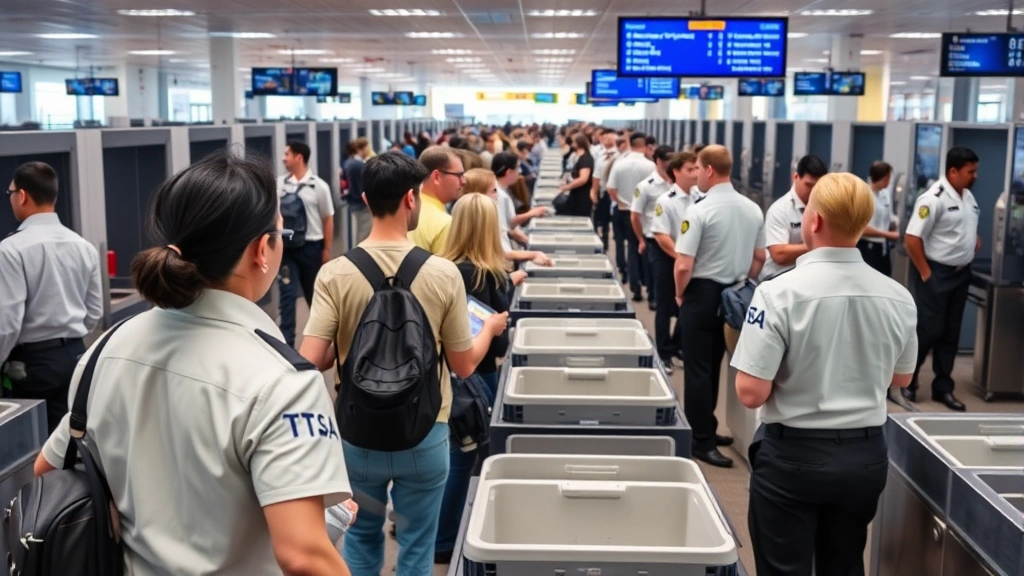
Hartsfield-Jackson Atlanta International Airport operates multiple security checkpoints across its terminals to accommodate the massive volume of daily travelers. The airport features checkpoints in the North and South terminals, each equipped with advanced screening equipment and staffed by Transportation Security Administration (TSA) personnel. Understanding checkpoint locations and their specific operational characteristics helps you select the most efficient screening route for your departure.
The primary security checkpoints at ATL include standard lanes for general passengers and dedicated lanes for program members enrolled in TSA PreCheck or CLEAR initiatives. Each checkpoint maintains separate queuing areas, and real-time staffing adjustments occur throughout the day based on flight schedules and passenger volume predictions. The airport coordinates with airlines to stagger boarding times, which directly influences security checkpoint congestion patterns.
Security screening procedures at ATL follow federal TSA guidelines while incorporating airport-specific operational standards. Passengers must present valid identification and boarding passes, remove shoes and belts, place laptops and liquids in bins, and proceed through advanced imaging technology (AIT) scanners or metal detectors. The entire screening process typically takes 5-15 minutes during standard conditions, though peak hours may extend wait times considerably.
Atlanta airport security times fluctuate based on multiple variables including flight schedules, day of week, time of year, and special events occurring in the city. The airport publishes historical wait time data and maintains live wait time displays throughout terminals. Understanding these operational patterns enables strategic planning for your airport arrival time and checkpoint selection.
Real-Time Wait Time Monitoring Systems
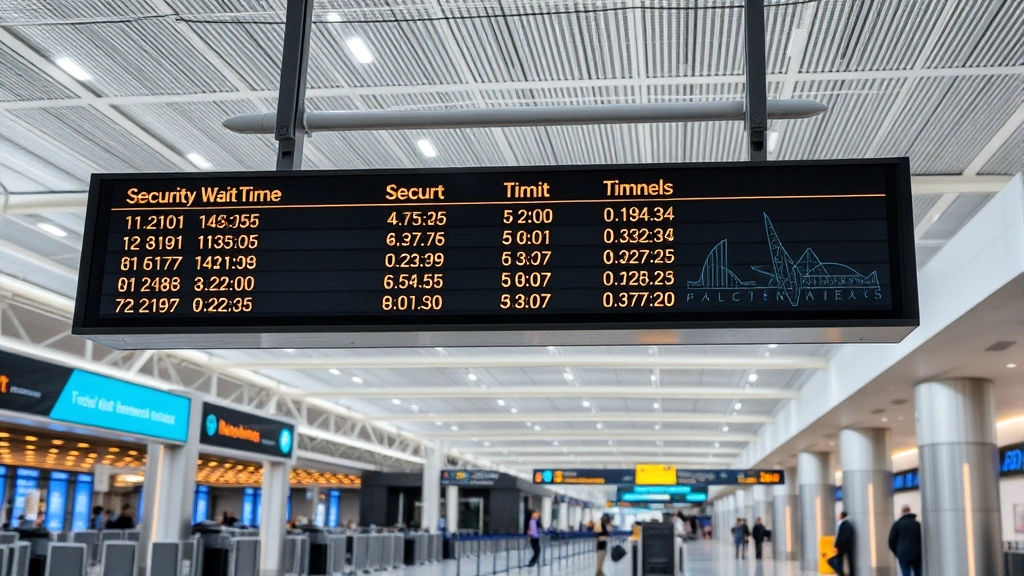
Hartsfield-Jackson Atlanta International Airport implements sophisticated wait time monitoring technology that provides passengers with accurate, up-to-the-minute security screening duration information. Digital displays positioned throughout the terminal show estimated wait times at each checkpoint, allowing travelers to make informed decisions about which security lane to utilize. This transparency-based approach reduces anxiety and enables passengers to optimize their pre-flight preparation strategy.
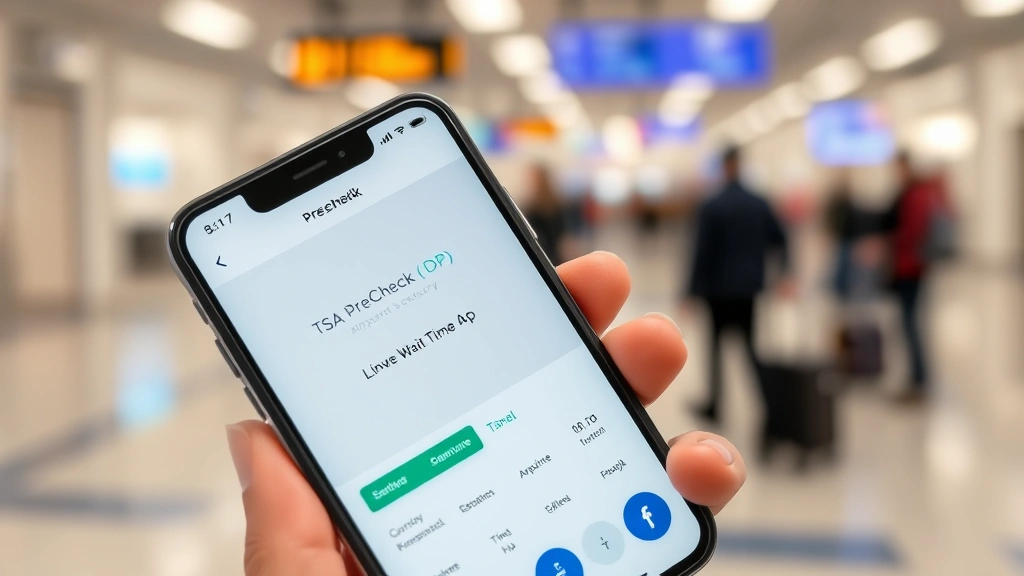
The airport’s wait time data integrates with mobile applications and online platforms, allowing passengers to check Atlanta airport security times before arriving at the terminal. The official ATL airport website features a live wait time widget that updates every few minutes, reflecting current conditions across all checkpoints. This digital accessibility means you can plan your departure timing with significantly greater accuracy than traditional estimates.
Beyond basic wait time displays, ATL’s system analyzes historical patterns to predict future congestion periods. The airport applies machine learning algorithms to identify trends across specific days, times, and seasons, enabling more accurate advance forecasting. Passengers can review historical wait time data to understand typical security screening durations for their planned travel date and time, informing their decision about airport arrival timing.
Third-party applications also track ATL security conditions, aggregating data from multiple sources to provide comprehensive wait time intelligence. Services like TSA’s official wait time information and airport-specific apps enable proactive monitoring. By checking these resources 30-60 minutes before your planned airport departure, you can adjust your travel schedule to avoid peak congestion periods.
TSA PreCheck and CLEAR Program Benefits
The Transportation Security Administration’s PreCheck program represents one of the most effective strategies for reducing Atlanta airport security times. TSA PreCheck enrolled members access dedicated security lanes featuring expedited screening procedures, including the ability to keep shoes, belts, and jackets on, laptops remaining in bags, and liquids staying in carry-on luggage. This streamlined process reduces individual screening time by 50-70%, making PreCheck particularly valuable for frequent Atlanta travelers.
Enrollment in TSA PreCheck requires background verification, fingerprinting, and a $78-85 fee covering five years of membership benefits. The application process includes an in-person appointment at a TSA PreCheck enrollment center, typically located in major airports or federal facilities. Given Atlanta’s status as a major aviation hub, multiple enrollment centers operate throughout the metropolitan area, making membership acquisition convenient for local travelers.
The CLEAR program provides an additional security acceleration option, utilizing biometric identification technology to bypass standard identity verification queues entirely. CLEAR members proceed directly to security screening equipment, eliminating wait times associated with document review and boarding pass scanning. At approximately $179 annually, CLEAR membership targets frequent travelers willing to invest in maximum security line efficiency.
Combining TSA PreCheck and CLEAR membership creates the fastest possible security screening experience at ATL. This dual-program approach allows members to use biometric authentication for queue jumping, then proceed through expedited PreCheck screening procedures. For business travelers managing multiple Atlanta airport trips monthly, this combination reduces cumulative security screening time by several hours annually.
The benefits extend beyond time savings—PreCheck and CLEAR members experience reduced stress, improved travel experience consistency, and enhanced flexibility in airport arrival timing. These programs particularly benefit parents traveling with children, elderly passengers, and travelers with mobility considerations, as expedited screening reduces physical strain and fatigue.
Peak Hours and Off-Peak Travel Strategies
Hartsfield-Jackson Atlanta International Airport experiences predictable security screening congestion patterns based on flight schedules, day of week, and season. Weekday mornings between 5:00 AM and 8:00 AM represent peak business travel periods, with security checkpoint wait times frequently exceeding 20-30 minutes. This early morning rush correlates with connecting flights and business travelers maximizing productivity by traveling during standard business hours.
Afternoon periods from 12:00 PM to 3:00 PM experience secondary congestion peaks, driven by lunch-hour departures and cross-country flight schedules. Evening hours from 4:00 PM to 7:00 PM see another surge corresponding with after-work business travel and leisure departure windows. Understanding these predictable patterns enables strategic scheduling—arriving during off-peak windows such as 9:00 AM to 11:00 AM or 10:00 PM to midnight significantly reduces security screening wait times.
Weekend travel patterns differ substantially from weekday congestion, with Saturday and Sunday mornings typically experiencing lighter security loads than weekday equivalents. However, holiday periods and summer vacation seasons dramatically alter these baseline patterns, creating unpredictable congestion surges. The airport publishes holiday travel advisories recommending earlier airport arrival times during peak travel seasons.
Seasonal factors substantially influence Atlanta airport security times throughout the year. Summer months (June-August) see increased leisure travel and family vacation departures, elevating baseline security screening durations. Holiday periods including Thanksgiving, Christmas, and New Year’s generate record passenger volumes and corresponding security checkpoint delays. Planning travel during shoulder seasons (April-May, September-October) minimizes security screening wait times while offering more flexible airport arrival timing.
Red-eye flights departing between 10:00 PM and 6:00 AM generally experience the shortest security lines, as fewer passengers utilize these overnight departure windows. Similarly, mid-week departures (Tuesday-Thursday) consistently show lower congestion than weekend travel. If your schedule permits flexibility, adjusting travel timing to these off-peak windows can reduce Atlanta airport security times by 50-75% compared to peak periods.
Pre-Screening Documentation Requirements
Proper documentation preparation significantly accelerates Atlanta airport security screening processes by preventing checkpoint delays caused by incomplete identification or missing travel documents. The TSA requires all passengers to present valid government-issued photo identification and boarding passes at security checkpoints. Acceptable identification includes passports, driver’s licenses, military identification cards, and other federally approved credentials.
International passengers traveling on non-US passports must ensure visa documentation and entry permits are properly organized and readily accessible. Security personnel may request visa information verification, particularly for travelers visiting the United States for the first time. Having these documents organized in a dedicated travel folder prevents fumbling through luggage and accelerates checkpoint processing.
Minors traveling without parents or guardians require specific documentation including birth certificates or parental consent letters, depending on the nature of the trip. Unaccompanied minors must follow additional verification procedures that require advance preparation. Reviewing TSA requirements for your specific travel party composition ensures all necessary documentation is prepared before arriving at the security checkpoint.
Known Traveler Numbers (KTN) provided through TSA PreCheck or airline frequent flyer programs should be included in all flight bookings to ensure PreCheck eligibility is reflected in your boarding pass. Without proper KTN association, you may miss PreCheck designation even with active membership, requiring document verification at standard security lanes. Confirming PreCheck status on your boarding pass during online check-in prevents this frustrating scenario.
Passengers with medical devices, prosthetics, or mobility assistance equipment should prepare documentation or explanatory letters from healthcare providers. While TSA personnel receive training in accommodating passengers with disabilities, advance notification prevents screening delays and ensures appropriate handling of medical equipment. This preparation particularly benefits passengers with pacemakers, joint replacements, or other devices that may trigger security equipment.
Mobile Apps and Digital Tools for Security Navigation
Multiple mobile applications provide comprehensive Atlanta airport security information and real-time wait time updates, enabling passengers to optimize their terminal navigation strategy. The official Hartsfield-Jackson ATL airport app features live security checkpoint wait times, terminal maps, dining and retail location information, and flight status updates. This dedicated application consolidates essential airport information into a single, easily accessible platform.
The TSA’s official mobile application provides security screening information applicable to all US airports, including detailed explanations of items allowed in carry-on and checked baggage. The app includes wait time estimates for major airports and interactive checklists helping passengers prepare for security screening. Using the TSA app alongside airport-specific applications provides comprehensive pre-flight preparation resources.
Mobile boarding passes accessed through airline apps or Apple Wallet/Google Pay eliminate the need to print physical boarding passes, streamlining checkpoint processing. Digital boarding passes display instantaneously when presented to security personnel, reducing verification time and enabling faster queue progression. Additionally, digital boarding passes prevent the common problem of misplaced printed documents.
Real-time flight tracking applications help passengers monitor departure delays or gate changes that may influence security checkpoint congestion. If your flight experiences delays, understanding this information allows you to adjust your airport arrival timing, potentially reducing unnecessary security line waiting. These applications also provide alerts about gate assignments, enabling efficient terminal navigation once you clear security.
Calendar integration features in mobile travel planning apps enable automatic reminders about optimal airport arrival times based on your specific flight and historical security data for that departure window. Setting these reminders prevents last-minute schedule miscalculations that could cause you to arrive during peak security periods.
Advanced Security Technology at ATL
Hartsfield-Jackson Atlanta International Airport employs cutting-edge security screening technology designed to accelerate passenger processing while maintaining rigorous threat detection standards. Advanced Imaging Technology (AIT) scanners provide rapid whole-body screening without requiring passengers to remove most clothing items, significantly expediting the screening process compared to traditional metal detectors. These systems generate detailed images enabling security personnel to identify potential threats quickly.
Computed Tomography (CT) scanners represent the newest generation of baggage screening technology, providing three-dimensional imaging of carry-on luggage contents. CT technology dramatically reduces the need for manual baggage searches, as security personnel can digitally examine item contents and spatial relationships with unprecedented clarity. This advancement substantially reduces carry-on baggage screening time, particularly for passengers with multiple items.
Automated Threat Recognition (ATR) systems analyze AIT scanner imagery using artificial intelligence algorithms to identify potential security threats. These systems reduce human error in threat detection while accelerating the screening process by automating initial image analysis. ATR technology enables security personnel to focus attention on flagged items requiring manual inspection, improving both efficiency and security effectiveness.
Biometric identification systems including facial recognition technology streamline identity verification processes at security checkpoints and boarding gates. These systems verify passenger identity instantaneously, eliminating manual document review delays. Facial recognition technology particularly benefits passengers with multiple middle names or recent legal name changes that sometimes cause document verification complications.
Baggage handling automation systems coordinate with security screening to process checked luggage efficiently throughout the airport’s vast infrastructure. These systems track baggage from check-in through aircraft loading, reducing manual handling requirements and associated delays. Integrated baggage systems enable faster security screening by automating downstream baggage processing.
Cybersecurity Considerations for Airport Travel
While navigating Atlanta airport security, passengers should implement personal cybersecurity practices protecting sensitive data from interception or unauthorized access. Airport terminal networks, including public WiFi connectivity, present potential security vulnerabilities enabling unauthorized access to personal information. Using virtual private networks (VPNs) encrypts internet traffic, protecting passwords, financial information, and personal data from interception across airport networks.
Mobile device security becomes particularly critical at airports where travelers access financial accounts, email, and sensitive personal information across potentially compromised networks. Ensuring your smartphone or laptop has current security updates, strong password protection, and enabled firewall features prevents unauthorized access. Disabling Bluetooth and location services during airport travel reduces the attack surface available to malicious actors.
Baggage tracking and security considerations extend beyond physical inspection to include digital security of luggage-mounted tracking devices. Bluetooth-enabled AirTags and similar devices should be configured with privacy settings preventing unauthorized location access. Understanding how your baggage tracking devices communicate helps protect location privacy throughout your airport experience.
Credential protection becomes essential when presenting identification and boarding passes at security checkpoints. While TSA personnel are authorized to review these documents, passengers should be cautious about sharing additional personal information beyond what security screening requires. Protecting your passport number, Social Security number, and other sensitive identifiers reduces identity theft risks.
The TSA and airport security personnel never request passwords, financial information, or sensitive personal data beyond what’s necessary for identity verification and threat assessment. Be cautious of social engineering attempts at security checkpoints or throughout the airport terminal. Reporting suspicious requests for personal information to TSA personnel or airport security helps maintain airport safety and protects fellow travelers.
According to the Cybersecurity and Infrastructure Security Agency (CISA), critical infrastructure including airports face ongoing cybersecurity threats requiring vigilant protection. The agency provides resources for understanding infrastructure security and personal cybersecurity practices applicable to airport environments. Familiarizing yourself with CISA’s cybersecurity tips enhances your overall travel security awareness.
Airport IT infrastructure protects passenger data through encryption, access controls, and security monitoring systems. Understanding that airport networks employ sophisticated cybersecurity measures provides confidence that your information receives appropriate protection during airport operations. However, personal responsibility for device security remains essential, as individual devices represent the most vulnerable point in airport cybersecurity ecosystems.
International travelers should be aware that different countries maintain varying cybersecurity standards and data protection regulations. Understanding destination country privacy laws and cybersecurity requirements helps protect sensitive information throughout your journey. The National Institute of Standards and Technology (NIST) provides comprehensive cybersecurity frameworks applicable to travel security considerations.
FAQ
What are current Atlanta airport security times?
Atlanta airport security times vary based on time of day, day of week, and season. Peak morning hours (5:00-8:00 AM) typically see 20-30 minute wait times, while off-peak periods may experience 5-10 minute screening durations. Check real-time wait time displays on the ATL airport website or mobile app for current conditions at your planned departure time.
How early should I arrive for domestic flights at ATL?
The TSA recommends arriving 2 hours before domestic flight departures. However, during peak travel periods or holiday seasons, arriving 2.5-3 hours early ensures adequate time for parking, check-in, and security screening. TSA PreCheck or CLEAR members can often arrive 60-90 minutes before departure.
Does TSA PreCheck work at Atlanta airport?
Yes, TSA PreCheck is fully available at all Hartsfield-Jackson Atlanta International Airport security checkpoints. PreCheck members access dedicated expedited screening lanes available during all operating hours. PreCheck enrollment requires a background check and $78-85 fee for five-year membership.
Can I check Atlanta airport security times online?
Yes, the official ATL airport website features live security checkpoint wait time information updated every few minutes. The TSA website also provides wait time estimates for major airports. Mobile apps including the official ATL app and TSA app provide convenient access to this real-time information.
What documentation do I need for Atlanta airport security?
All passengers require valid government-issued photo identification and boarding passes. International travelers must present valid passports and any required visa documentation. Minors may require additional documentation depending on travel circumstances. Organize these documents before reaching the security checkpoint.
What items can I carry through Atlanta airport security?
TSA rules permit laptops, tablets, and electronics in carry-on bags. Liquids, gels, and creams must be in containers of 3.4 ounces or smaller, placed in a single quart-sized plastic bag. Shoes, belts, and jackets may be removed during screening. Check the TSA website for comprehensive prohibited items lists.
Is CLEAR worth the cost at Atlanta airport?
CLEAR membership ($179 annually) provides significant value for frequent ATL travelers by eliminating security line wait times through biometric authentication. Business travelers making multiple Atlanta trips monthly often recover CLEAR costs through time savings within the first few trips. Casual travelers may find TSA PreCheck alone more cost-effective.


