Are Arm Sleeves Effective? A Dermatologist’s Guide to Sun Protection
Arm sleeves have become increasingly popular as a sun protection solution, particularly among athletes, outdoor enthusiasts, and individuals concerned about skin health. But do they actually work? This comprehensive guide examines the effectiveness of arm sleeves for UV protection, explores the science behind them, and provides expert dermatological insights to help you make informed decisions about your sun safety strategy.
The question of whether arm sleeves effectively protect your skin from harmful ultraviolet radiation is more nuanced than a simple yes or no. While they offer genuine protective benefits, their effectiveness depends on several factors including fabric composition, fit, UPF rating, and proper usage. Understanding these variables will help you determine whether arm sleeves are the right choice for your lifestyle and skin protection needs.
How Arm Sleeves Work for Sun Protection
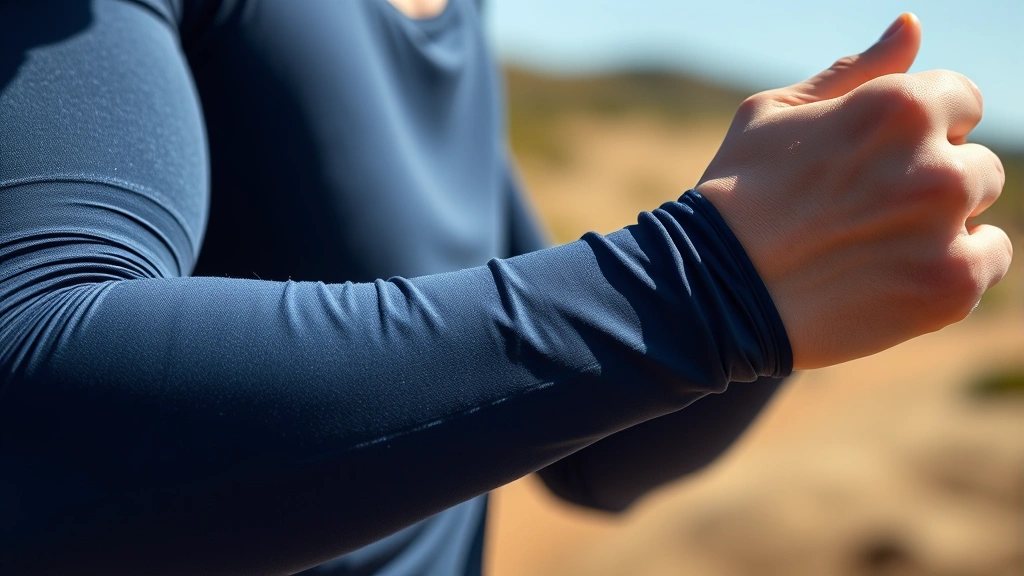
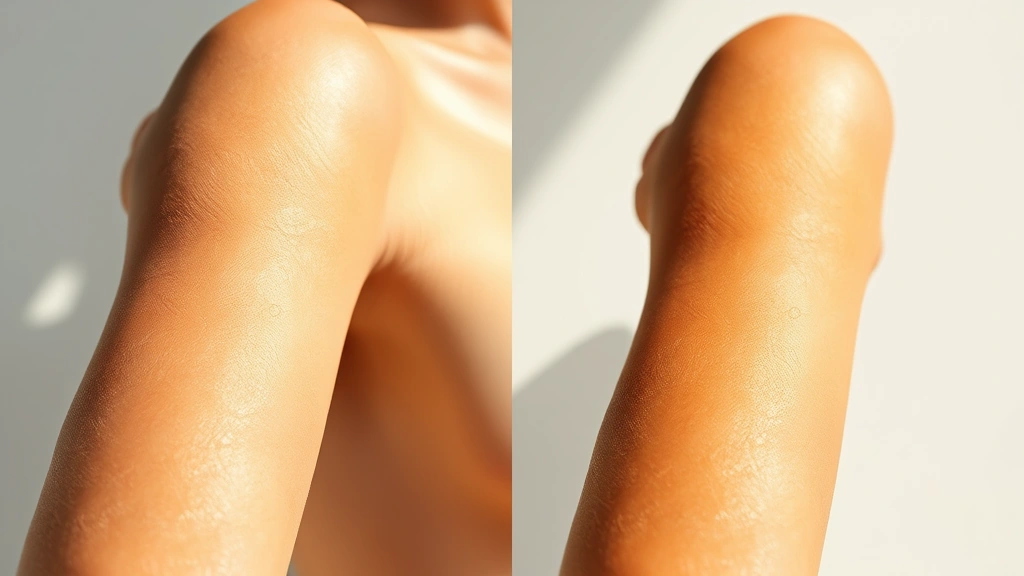
Arm sleeves function as a physical barrier between your skin and the sun’s ultraviolet radiation. Unlike sunscreen, which absorbs or reflects UV rays through chemical or mineral compounds, arm sleeves provide mechanical protection by blocking direct sun exposure. The effectiveness of this protection relies on the sleeve’s ability to absorb, scatter, or reflect UV radiation before it reaches your skin.
The protective mechanism works through several processes. Tightly woven fabrics create a dense barrier that UV rays cannot easily penetrate. Some specialized fabrics incorporate reflective materials or UV-absorbing compounds that enhance protection beyond what simple fabric weave alone can provide. The thickness and color of the material also play significant roles—darker colors absorb more UV radiation, while lighter colors may reflect some rays, though darker options generally offer superior protection.
When properly fitted and worn correctly, arm sleeves can block 95-98% of UVA and UVB rays, depending on their UPF rating. This makes them comparable to or better than many sunscreen products, with the added advantage of not requiring reapplication throughout the day. However, gaps at the wrists, shoulders, and sleeve edges can compromise overall protection, which is why proper fit and coverage are essential considerations.
Understanding UPF Ratings and Standards
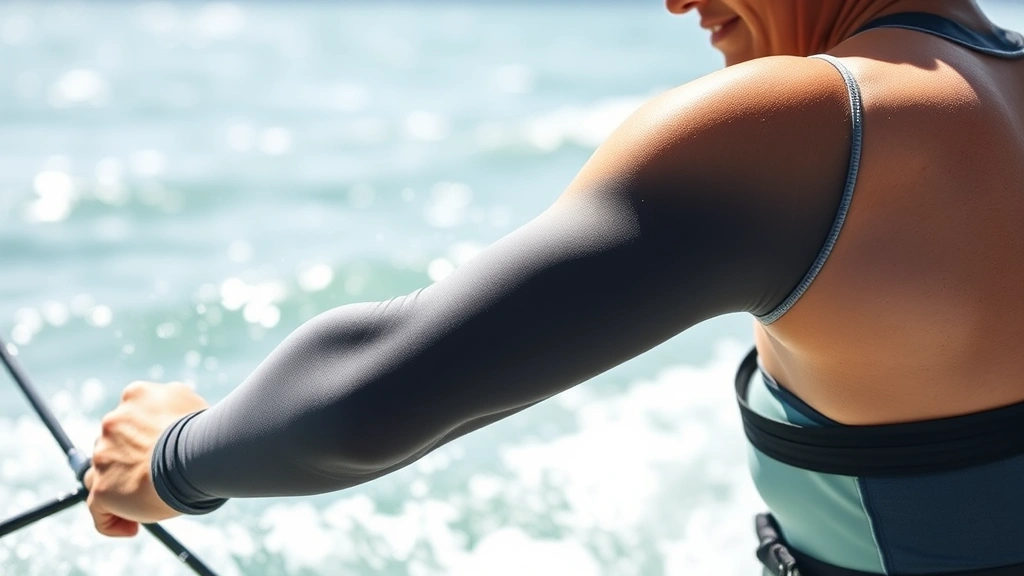
UPF (Ultraviolet Protection Factor) ratings indicate how effectively a fabric blocks ultraviolet radiation. The rating system ranges from UPF 15 to UPF 50+, with higher numbers providing greater protection. A UPF 50 fabric allows only 1/50th of the sun’s UV rays to penetrate, while UPF 15 allows 1/15th through. To qualify as “sun protective,” garments must have a minimum UPF rating of 15.
According to CDC guidelines on skin cancer prevention, UPF 50+ garments are recommended for optimal protection during extended outdoor activities. The difference between UPF 50 and UPF 50+ is minimal—both block approximately 98% of UV radiation—but the plus designation indicates the highest available protection level.
It’s important to understand that UPF ratings are standardized through rigorous testing procedures. The Skin Cancer Foundation and international standards organizations establish these criteria to ensure consistency and reliability across manufacturers. When selecting arm sleeves, look for products that clearly display their UPF rating and verify that they meet recognized standards such as ASTM F1958 or AS/NZS 4399.
The durability of UPF protection matters significantly. Washing, stretching, and sun exposure can gradually diminish a fabric’s protective capabilities. Most manufacturers recommend that arm sleeves maintain their UPF rating for approximately 50 washes, though premium options may retain effectiveness longer. Always check care instructions to maximize the longevity of your sun protective gear.
Fabric Types and Their Protective Properties
Different fabric compositions offer varying levels of sun protection. Understanding these options helps you choose arm sleeves that best suit your needs and activities. The most effective sun-protective fabrics share characteristics like tight weaves, moisture-wicking properties, and durability in outdoor conditions.
Polyester blends are among the most popular choices for arm sleeves due to their excellent UV-blocking capabilities and quick-drying properties. Polyester naturally reflects some UV radiation and can be engineered with additional UV-absorbing compounds. These fabrics typically offer UPF 50+ protection and resist degradation from chlorine and saltwater exposure.
Nylon fabrics provide another reliable option, particularly for water sports applications. Nylon’s tight weave structure effectively blocks UV rays, and it’s lightweight and comfortable for extended wear. Many competitive swim and water sports sleeves utilize nylon because of its durability in wet environments.
Merino wool offers natural UV protection while maintaining excellent breathability and temperature regulation. This premium option appeals to athletes who prioritize comfort during intense physical activity. Merino wool naturally contains UV-absorbing compounds, making it an inherently protective material without requiring chemical treatments.
Specialty fabrics with embedded minerals incorporate zinc oxide or titanium dioxide into the weave structure, enhancing UV protection beyond standard polyester. These advanced materials can achieve UPF ratings of 50+ and often provide superior moisture management for active users.
The color of your arm sleeves significantly impacts their protective effectiveness. Black and dark navy fabrics absorb more UV radiation than lighter colors, making them more protective. However, lighter colors may feel more comfortable in extremely hot conditions, though they sacrifice some protective capability. A compromise option involves medium-tone colors that balance protection with comfort.
Comparing Arm Sleeves to Other Protection Methods
When evaluating whether arm sleeves are effective, it’s helpful to compare them with other sun protection strategies. Each method offers distinct advantages and disadvantages depending on your lifestyle and preferences.
Sunscreen provides broad coverage but requires consistent reapplication every two hours, or immediately after swimming or sweating. Water-resistant formulations help, but they still demand more maintenance than arm sleeves. Research shows that many people apply insufficient quantities or miss coverage areas, reducing effectiveness. The American Academy of Dermatology recommends combining multiple protection methods, suggesting that arm sleeves complement rather than replace sunscreen.
Hats and wide-brimmed sun protection effectively shield the face, neck, and scalp but don’t protect the arms. Many dermatologists recommend combining arm sleeves with hats for comprehensive protection during outdoor activities.
Seeking shade remains the most effective UV avoidance strategy, but it’s impractical for athletes and outdoor workers. Arm sleeves allow you to remain active in sunlight while still receiving substantial protection.
UV-blocking sunglasses protect your eyes and surrounding skin but don’t cover exposed arm areas. Again, combining multiple methods provides the most comprehensive protection.
Arm sleeves offer several advantages over these alternatives: they provide consistent, reapplication-free protection; they don’t wash off or degrade throughout the day; and they work effectively for extended outdoor periods. However, they don’t protect areas like the face and neck, which is why dermatologists typically recommend a multi-method approach to sun safety.
Dermatologist Recommendations and Best Practices
Dermatologists generally recognize arm sleeves as an effective and valuable component of a comprehensive sun protection strategy. The key to maximizing their benefits involves understanding how to use them properly and integrating them with other protective measures.
Proper fit is essential for maximum effectiveness. Sleeves that are too loose create gaps where UV rays can penetrate around the edges. Conversely, overly tight sleeves restrict movement and can cause discomfort during physical activity. The ideal fit should be snug but comfortable, allowing full range of motion without bunching or sliding.
Coverage matters significantly. Sleeves that extend from the wrist to the shoulder provide optimal protection. Some designs include thumb holes or extended hand coverage, which protects additional vulnerable areas. However, gaps at the wrist and shoulder junction can compromise overall protection, particularly if the sleeves shift during activity.
Consistency in usage is crucial. Arm sleeves only protect when worn. Many people forget to put them on or remove them during outdoor activities, inadvertently exposing their skin to harmful radiation. Making them part of your regular outdoor routine increases their protective benefits.
Combining protection methods remains the gold standard according to dermatological consensus. Using arm sleeves alongside broad-spectrum sunscreen (SPF 30 or higher), wearing protective hats, and seeking shade during peak UV hours (10 AM to 4 PM) provides the most comprehensive protection.
Regular replacement maintains protective effectiveness. After approximately 50 washes, the UPF rating of most arm sleeves begins to decline. Replacing them periodically ensures you continue receiving optimal protection.
Common Misconceptions About Arm Sleeves
Several myths and misunderstandings surround arm sleeve effectiveness. Clarifying these misconceptions helps you make informed decisions about your sun protection strategy.
Misconception: Any tight clothing provides adequate UV protection. Reality: Not all fabrics offer the same UV-blocking capability. Regular cotton t-shirts, for example, typically only provide UPF 5-15 protection. Specialized sun-protective fabrics are engineered specifically to block UV radiation and provide significantly better protection than standard clothing.
Misconception: Arm sleeves eliminate the need for sunscreen. Reality: While arm sleeves provide excellent protection for covered areas, they don’t protect your face, neck, hands, or other exposed skin. Leading health organizations recommend using arm sleeves as part of a comprehensive protection strategy that includes sunscreen and other methods.
Misconception: Darker sleeves are always better than lighter ones. Reality: While dark colors do absorb more UV radiation, premium light-colored sun-protective fabrics can still achieve UPF 50+ ratings. If you’re concerned about heat absorption, lighter-colored sleeves with quality UV-blocking fabrics may be preferable, though dark options offer slightly better protection.
Misconception: Arm sleeves are only necessary at the beach. Reality: UV radiation penetrates clouds and reflects off surfaces like concrete and water. Outdoor workers, athletes, and anyone spending extended time outside benefits from arm sleeve protection regardless of location or weather conditions.
Misconception: Once you buy arm sleeves, you never need to replace them. Reality: UV protection degrades with washing and sun exposure. Regular replacement maintains consistent protection levels. Most manufacturers recommend replacement every 1-2 years for frequent users.
Understanding the truth behind these common myths helps you develop a realistic and effective sun protection routine. Arm sleeves are genuinely effective tools when used properly as part of a comprehensive approach to skin health and UV protection.
FAQ
What UPF rating should I look for in arm sleeves?
Dermatologists recommend selecting arm sleeves with a UPF rating of 50+. This rating blocks approximately 98% of UVA and UVB radiation, providing optimal protection for extended outdoor activities. While UPF 15-30 offers some protection, UPF 50+ represents the highest available protection level and is ideal for athletes and outdoor enthusiasts.
Can arm sleeves prevent skin cancer?
While arm sleeves significantly reduce UV exposure to covered areas, they should be viewed as one component of a comprehensive cancer prevention strategy. Combined with sunscreen, protective hats, and shade-seeking behavior, they substantially reduce skin cancer risk. However, no single protection method provides 100% prevention.
Are arm sleeves suitable for all skin types?
Yes, arm sleeves benefit all skin types, though individuals with fair skin or family histories of skin cancer gain particular advantage from their consistent protection. People with darker skin tones still require UV protection, as they remain susceptible to skin cancer and photoaging, though at lower rates than fair-skinned individuals.
How do I know if my arm sleeves are still protective?
Check the manufacturer’s care instructions regarding UPF durability. Most sleeves maintain their rating for approximately 50 washes. After this point, the fabric’s protective capability gradually diminishes. If you use sleeves frequently, plan to replace them annually or biennially.
Can I wear arm sleeves year-round?
Yes, UV radiation exists year-round, even during winter months and cloudy days. However, winter UV exposure is typically lower, so year-round use depends on your lifestyle and outdoor activity level. Athletes and outdoor workers may benefit from consistent use, while others might reserve them for warmer months and peak sun exposure periods.
Do arm sleeves work for water sports?
Absolutely. Many arm sleeves are specifically designed for water sports and maintain their UPF rating even when wet. Look for products labeled as swim or water-sports sleeves, typically made from polyester or nylon blends that dry quickly and resist chlorine or saltwater degradation.


