Arc Fault Protection: Essential Safety Measures Guide
Arc faults represent one of the most dangerous yet often overlooked electrical hazards in residential and commercial buildings. These dangerous electrical arcs can ignite fires within walls, behind appliances, and in concealed spaces where they remain undetected until catastrophic damage occurs. Understanding arc fault protection is not merely a technical consideration—it is a critical safety imperative that can mean the difference between a functioning electrical system and a devastating property fire.
The National Fire Protection Association estimates that electrical and lighting equipment are involved in thousands of home fires annually, with arc faults being a significant contributing factor. Modern arc fault circuit interrupter (AFCI) technology has revolutionized electrical safety by detecting dangerous arcing conditions and interrupting power before fires develop. This comprehensive guide explores the mechanisms, types, installation requirements, and best practices for arc fault protection in contemporary electrical systems.
Understanding Arc Faults and Their Dangers
An arc fault occurs when electrical current deviates from its intended path and jumps across a gap in a conductor, creating a dangerous electrical arc. This phenomenon generates extreme temperatures—often exceeding 10,000 degrees Fahrenheit—capable of igniting nearby combustible materials instantaneously. Unlike traditional short circuits that trigger conventional circuit breakers, arc faults may draw relatively low current levels, allowing them to persist undetected by standard protection devices.
Arc faults typically develop in three primary scenarios: when insulation on wires becomes damaged or degraded, when connections loosen over time due to vibration or thermal cycling, and when conductors are inadvertently nicked or punctured during construction or renovation. The insidious nature of arc faults lies in their ability to smolder within walls for extended periods before igniting surrounding materials. This delayed ignition characteristic means that fires originating from arc faults often go unnoticed until they reach dangerous proportions.
The consequences of unprotected arc faults extend beyond immediate fire risk. Property damage from arc fault fires frequently results in total loss of structures, endangers occupant lives, and creates liability concerns for property owners and electrical contractors. Insurance companies increasingly recognize arc fault protection as a fundamental safety requirement, making it essential for maintaining adequate coverage.
Types of Arc Faults and Detection Methods
Electrical engineers and safety professionals categorize arc faults into distinct types, each presenting unique detection challenges. Parallel arc faults occur between two conductors at the same potential, typically resulting from insulation breakdown between neutral and hot conductors. Series arc faults develop within a single conductor path, often caused by loose connections or damaged wire insulation that creates resistance and arcing.
Ground arc faults represent another critical category, occurring between a conductor and ground or between a conductor and a grounded surface. These faults can develop in wet environments, areas with moisture intrusion, or locations where wiring has been compromised. Branch circuit protection addresses arc faults occurring throughout general-use circuits, while outlet circuit protection focuses on individual receptacles and connected loads.
Modern detection technology employs sophisticated algorithms that analyze electrical waveforms in real-time. These systems measure harmonic content, frequency variations, and current ripple patterns characteristic of arcing conditions. By comparing incoming signals against established baseline parameters, detection circuits identify anomalies indicating arc fault development within milliseconds, enabling rapid circuit interruption before dangerous conditions escalate.
AFCI Technology and How It Works
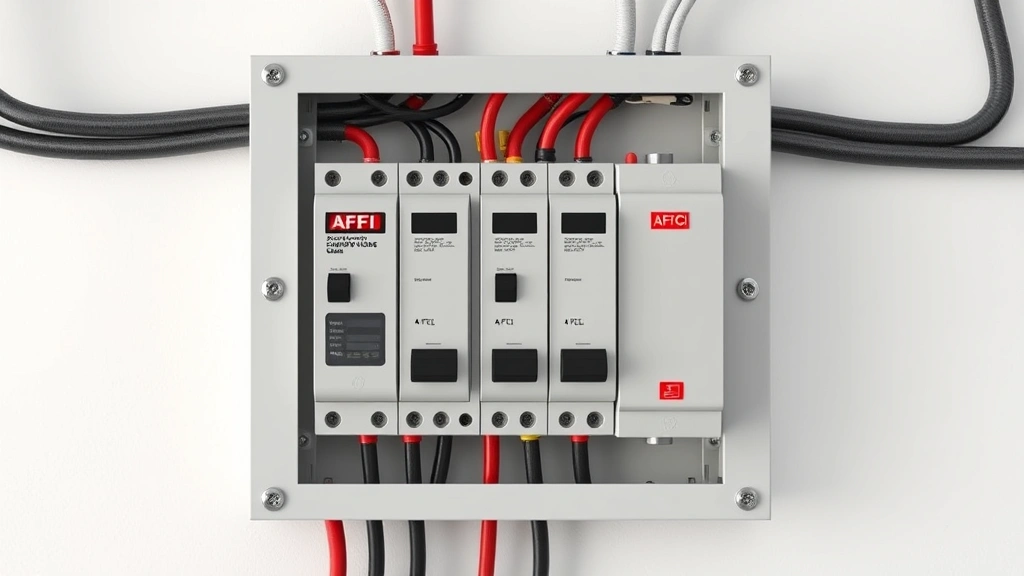
Arc Fault Circuit Interrupter (AFCI) devices represent the cornerstone of modern arc fault protection strategies. These intelligent protective devices continuously monitor electrical circuits for arcing signatures while distinguishing between normal electrical activity and dangerous fault conditions. The sophistication of AFCI technology lies in its ability to ignore transient events while responding decisively to sustained arc fault patterns.
AFCI devices operate through a combination of hardware and software components working in concert. The hardware section includes current transformers that convert circuit currents into measurable signals, processing electronics that analyze these signals against established fault signatures, and relay mechanisms that interrupt power when dangerous conditions are detected. The software algorithms employ machine learning principles to continuously refine detection accuracy while minimizing false trips that interrupt legitimate electrical operations.
When an AFCI detects an arc fault signature, it triggers a solenoid-driven disconnect mechanism that physically separates the circuit breaker contacts within microseconds. This rapid interruption prevents arc energy from accumulating to levels capable of igniting surrounding materials. Modern AFCI devices incorporate manual test buttons and indicator lights, allowing users to verify proper operation and identify when devices require replacement.
The evolution from first-generation AFCIs to contemporary models has dramatically improved nuisance trip prevention. Early AFCI devices sometimes interrupted power during normal operations involving high-inrush current appliances, leading to user frustration and occasional disconnection of protection devices. Today’s AFCIs employ advanced waveform analysis that distinguishes between normal inrush currents and dangerous arcing patterns with exceptional accuracy.
Installation and Code Requirements
The National Electrical Code (NEC) mandates arc fault protection for specific circuit types and locations within buildings. Current requirements specify AFCI protection for all branch circuits supplying outlets in kitchen countertops, bathrooms, bedrooms, living areas, and other habitable spaces. The scope of required protection has expanded significantly over recent code cycles, reflecting growing recognition of arc fault hazards throughout residential and commercial structures.
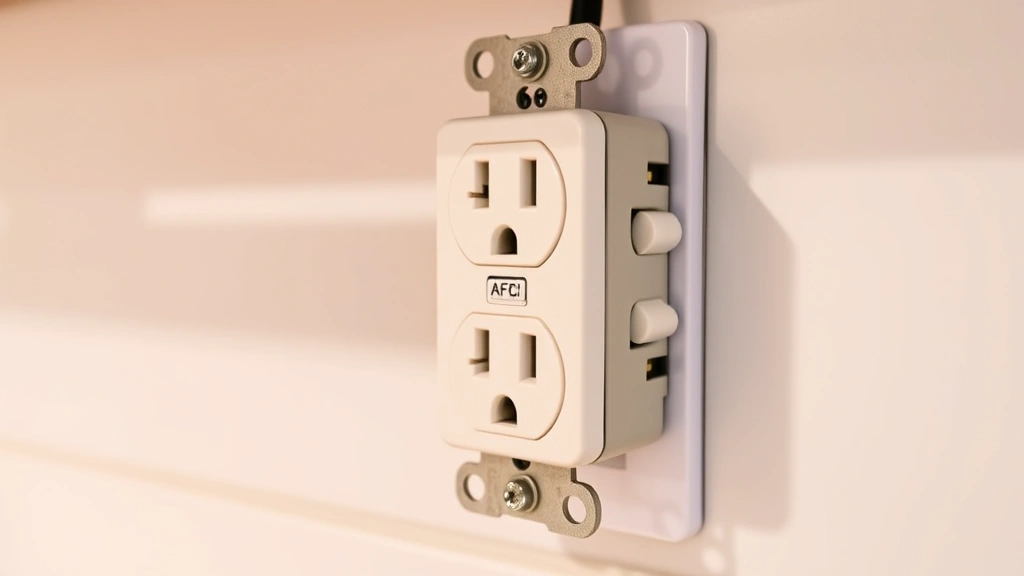
Proper AFCI installation requires understanding three distinct protection methodologies. Combination AFCI breakers replace standard circuit breakers and protect the entire circuit and all connected outlets. Branch circuit AFCI outlets protect outlets downstream from the installation point while leaving upstream circuits unprotected. Dual-function AFCI/GFCI devices combine arc fault and ground fault protection in single units, optimizing space utilization in electrical panels.
Installation professionals must carefully evaluate circuit configurations to determine appropriate protection strategies. Circuits supplying permanently installed appliances, dedicated equipment, or specialized loads may require different protection approaches than general-use circuits. Understanding load characteristics, expected current patterns, and potential arcing signatures enables technicians to select optimal protection configurations.
Building code compliance verification involves inspecting AFCI device installation locations, confirming proper wiring connections, and verifying that protection extends to all required outlets and circuits. Inspection authorities increasingly focus on arc fault protection compliance during building permits and final inspections, making proper installation essential for project approval.
Maintenance and Testing Protocols
Effective arc fault protection requires ongoing maintenance and periodic testing to ensure devices remain operational. Monthly manual testing using the test button on AFCI devices verifies that mechanisms respond appropriately and that circuits disconnect when faults are simulated. Users should document test results and replace any devices that fail to interrupt power when tested.
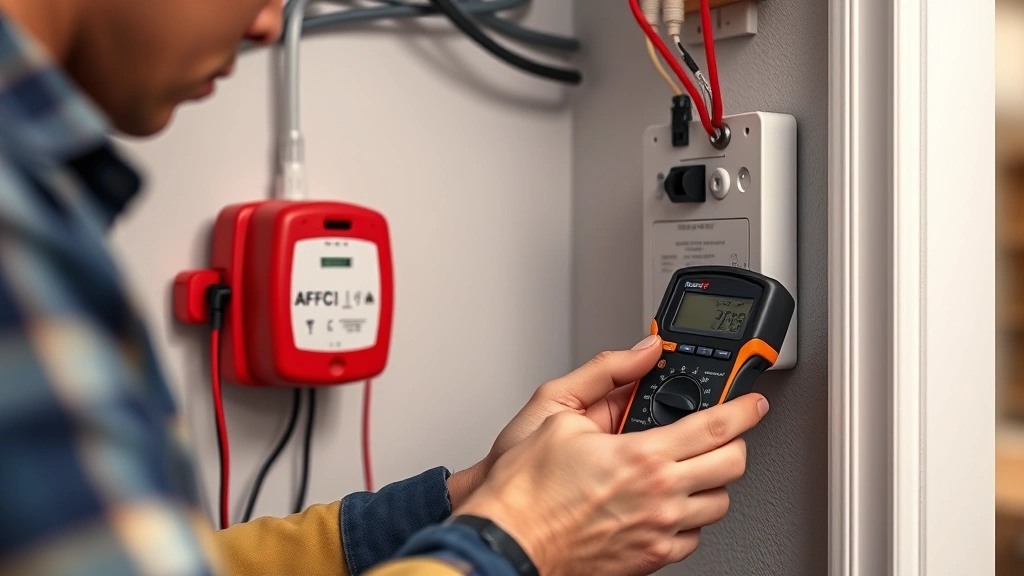
Annual professional inspections provide comprehensive evaluation of arc fault protection systems. Qualified electricians employ specialized test equipment to verify AFCI response times, confirm proper wiring configurations, and identify devices approaching end-of-life. These inspections often reveal installation errors, degraded connections, or environmental factors that compromise protection effectiveness.
Environmental monitoring helps identify conditions that accelerate AFCI degradation. Excessive heat, moisture, vibration, or electromagnetic interference can reduce device lifespan and compromise detection accuracy. Facilities in challenging environments benefit from more frequent testing intervals and preventive device replacement on extended schedules.
Documentation of testing activities creates valuable records for insurance purposes and liability protection. Maintaining logs of test dates, results, and any corrective actions taken demonstrates commitment to electrical safety and provides evidence of responsible system management. These records prove particularly valuable in situations where arc fault-related incidents require investigation.
Common Challenges and Solutions
Despite arc fault protection’s critical importance, several implementation challenges persist in real-world electrical systems. Nuisance tripping remains a primary concern, particularly with circuits supplying devices that generate high inrush currents or harmonic content. Modern AFCI algorithms have substantially reduced false trip incidents, but certain load combinations continue to present challenges.
Addressing nuisance trips involves systematic troubleshooting to identify problematic loads and circuit configurations. Isolating circuits, testing individual appliances, and consulting with manufacturers often reveals specific incompatibilities. In some cases, upgrading to newer AFCI technology or implementing alternative protection strategies provides resolution.
Compatibility issues between AFCI devices and certain equipment occasionally arise, particularly with variable frequency drives, LED lighting systems, and medical equipment. Manufacturers provide compatibility guidance, and electrical professionals can reference technical documentation to identify potential conflicts before installation problems develop.
Retrofit applications in existing buildings present logistical and budgetary challenges. Installing comprehensive arc fault protection in older structures may require substantial electrical system modifications, panel upgrades, or circuit reconfiguration. Prioritizing protection for highest-risk areas while planning phased implementation helps manage costs while improving safety incrementally.
Future Innovations in Arc Fault Protection
Emerging technologies promise to enhance arc fault detection capabilities and expand protection to previously challenging applications. Advanced signal processing utilizing artificial intelligence and machine learning enables increasingly sophisticated arcing signature recognition while improving nuisance trip immunity. These systems learn from millions of electrical signatures, continuously refining detection algorithms.
Integration with smart home systems and building management platforms enables remote monitoring of arc fault device status, automated testing protocols, and predictive maintenance capabilities. Cloud-based analytics identify patterns suggesting imminent device failure, enabling proactive replacement before protection is compromised.
Development of distributed arc fault protection systems that monitor electrical distribution at multiple points throughout buildings promises comprehensive coverage of complex electrical networks. These systems employ networked sensors and centralized analysis to detect arc faults in locations where traditional point-of-load protection proves impractical.
Research into arc fault mitigation techniques beyond traditional circuit interruption explores rapid energy dissipation methods and arc quenching technologies. These innovations may enable faster fault clearance and reduced energy release during arc fault events, further minimizing fire risk.
Standardization efforts across international markets aim to harmonize arc fault protection requirements and establish global best practices. As electrical safety awareness expands worldwide, consistent protection standards and testing methodologies will facilitate technology adoption and improve overall electrical system safety.
FAQ
What is the difference between AFCI and GFCI protection?
While both provide critical electrical safety functions, AFCIs and GFCIs address different hazards. Ground Fault Circuit Interrupters (GFCIs) protect against ground faults where current flows to ground through unintended paths, typically occurring in wet environments. AFCIs detect arcing conditions that can ignite fires. Modern dual-function devices combine both protections, offering comprehensive safety in applications requiring both capabilities.
How often should AFCI devices be tested?
Manufacturers recommend monthly testing using the device’s built-in test button. Professional inspections should occur annually or more frequently in challenging environments. Testing verifies that mechanisms respond properly and that circuits interrupt power as designed. Any device failing to trip during testing should be replaced immediately.
Can AFCI devices be installed in older homes without electrical panel upgrades?
AFCI retrofit installation in older homes depends on panel capacity and circuit configuration. Branch circuit AFCI outlets can protect downstream circuits without panel modifications, though this approach leaves upstream portions unprotected. For comprehensive protection, panel upgrades may be necessary. Consulting with licensed electricians helps determine feasible approaches for specific installations.
Why do some AFCI devices trip frequently?
Nuisance tripping typically results from incompatibility between AFCI detection algorithms and specific loads generating high inrush currents or harmonic content. Troubleshooting involves isolating problematic appliances, testing with different AFCI brands, or upgrading to newer technology. Manufacturers provide compatibility guidance for common appliances.
Are AFCI devices required in commercial buildings?
Arc fault protection requirements extend to many commercial applications, particularly in areas with fire risk or where electrical systems resemble residential configurations. Commercial electrical codes increasingly mandate AFCIs for general-use circuits in office spaces, retail environments, and other occupancies. Specific requirements vary by jurisdiction and building classification.


