
Is Your Data Secure? American Security LLC Insights on Modern Cybersecurity Threats
In an increasingly digital world, data security has become one of the most critical concerns for individuals and organizations alike. Every day, thousands of cyberattacks target businesses of all sizes, compromising sensitive information and disrupting operations. American Security LLC stands at the forefront of cybersecurity solutions, helping organizations understand and mitigate the evolving threat landscape. This comprehensive guide explores the fundamental question: is your data truly secure?
Data breaches have become disturbingly common, with recent reports showing that organizations experience an average breach every 11 seconds. The consequences extend far beyond financial loss—they include reputational damage, regulatory fines, and loss of customer trust. Understanding the current security landscape and implementing robust protection measures has never been more important. Whether you’re an individual concerned about personal data or a business protecting customer information, this guide provides actionable insights into securing your digital assets.
Understanding the Current Data Security Landscape
The digital threat environment has transformed dramatically over the past decade. Cybercriminals have become increasingly sophisticated, employing advanced techniques to penetrate organizational defenses. According to CISA (Cybersecurity and Infrastructure Security Agency), the threat landscape continues to evolve with nation-state actors, organized cybercrime rings, and individual threat actors all targeting valuable data.
Organizations face unprecedented pressure to protect vast amounts of data while maintaining operational efficiency. The challenge intensifies when considering that data exists in multiple locations—cloud servers, on-premises systems, mobile devices, and remote work environments. American Security LLC recognizes that a comprehensive security strategy must address all these vectors simultaneously.
The financial impact of data breaches cannot be overstated. The average cost of a data breach now exceeds $4.45 million globally, according to industry research. Beyond direct costs, organizations face indirect expenses including regulatory fines, notification costs, and long-term reputation damage. This reality underscores why investing in robust security measures isn’t optional—it’s essential for business survival.
Understanding your organization’s current security posture is the first step toward improvement. This involves conducting thorough assessments of existing systems, identifying vulnerabilities, and evaluating whether current protections align with industry standards and regulatory requirements. Many organizations discover significant gaps when they perform this critical analysis, which is why professional guidance from firms like American Security LLC proves invaluable.
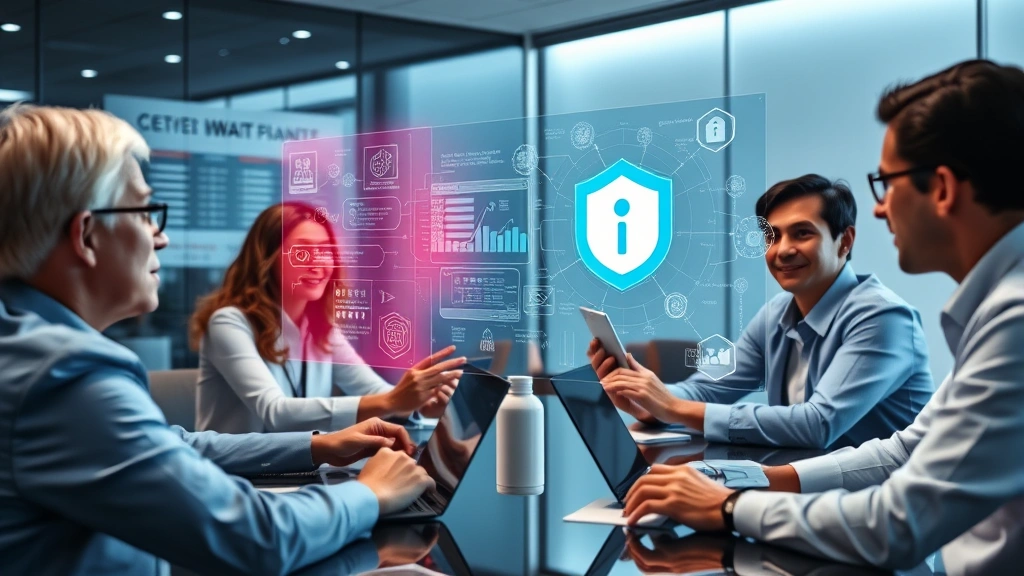
Common Cybersecurity Threats and Vulnerabilities
Modern organizations face a diverse array of cybersecurity threats, each presenting unique challenges and requiring specific countermeasures. Understanding these threats is fundamental to developing an effective security strategy.
Ransomware Attacks remain among the most damaging threats facing organizations today. These malicious programs encrypt critical data and demand payment for decryption keys. Ransomware has evolved significantly, with attackers now employing double-extortion tactics—threatening to publicly release stolen data if ransom demands aren’t met. Healthcare facilities, government agencies, and large corporations have all fallen victim to devastating ransomware campaigns.
Phishing and Social Engineering exploit human psychology rather than technical vulnerabilities. Attackers craft convincing emails or messages that trick employees into revealing credentials, downloading malware, or transferring funds. These attacks succeed because they target the organization’s most unpredictable element—people. Even well-trained employees can fall victim to sophisticated phishing campaigns that leverage recent company information or impersonate trusted contacts.
Zero-Day Vulnerabilities represent a particularly insidious threat. These are previously unknown security flaws that attackers exploit before developers have opportunity to create patches. Organizations cannot defend against zero-day exploits through traditional means, making defense-in-depth strategies essential. According to NIST (National Institute of Standards and Technology), a comprehensive security framework helps mitigate zero-day risks.
Insider Threats originate from within organizations, making them particularly difficult to detect. Disgruntled employees, contractors with excessive access, or compromised accounts can cause significant damage. These threats range from accidental data exposure to intentional theft of intellectual property or customer information.
Supply Chain Attacks target vulnerabilities in third-party software or services that organizations depend upon. By compromising a software vendor or service provider, attackers gain access to multiple organizations simultaneously. Recent high-profile supply chain attacks have demonstrated how this approach can affect thousands of businesses across industries.
How American Security LLC Approaches Data Protection
American Security LLC employs a comprehensive, multi-layered approach to data protection that addresses the full spectrum of cybersecurity challenges. Their methodology combines technical solutions with strategic planning and ongoing monitoring to ensure organizations maintain robust security postures.
The foundation of American Security LLC’s approach involves conducting thorough security assessments. These evaluations examine existing infrastructure, identify vulnerabilities, and assess compliance with relevant regulations and industry standards. By understanding each organization’s unique environment, American Security LLC develops customized solutions rather than applying one-size-fits-all approaches.
Implementation of defense-in-depth strategies ensures that if one security layer fails, others remain operational. This might include firewalls, intrusion detection systems, endpoint protection, data loss prevention tools, and security information and event management (SIEM) platforms. Each layer serves specific purposes while contributing to overall security resilience.
American Security LLC emphasizes the importance of continuous monitoring and threat intelligence. Rather than waiting for breaches to occur, proactive monitoring identifies suspicious activities in real-time, enabling rapid response before significant damage occurs. This approach leverages advanced analytics and machine learning to detect patterns indicative of compromise.
For organizations seeking comprehensive information about digital media and technology strategies, resources like the ScreenVibe Daily Blog offer valuable insights into technology trends that may impact security considerations in entertainment and media sectors.
Essential Security Measures for Organizations
Implementing effective security measures requires attention to both technical controls and organizational policies. Organizations should prioritize the following fundamental security practices:
Access Control and Identity Management forms the cornerstone of data protection. Implementing the principle of least privilege ensures employees access only the data and systems necessary for their roles. Multi-factor authentication (MFA) adds critical protection by requiring multiple verification methods before granting access, making compromised credentials alone insufficient for unauthorized access.
Data Encryption protects information both in transit and at rest. Encryption renders data unreadable to unauthorized parties, even if they successfully breach storage systems or intercept network communications. Organizations should implement strong encryption standards and maintain secure key management practices.
Regular Software Updates and Patch Management address known vulnerabilities before attackers can exploit them. Many breaches exploit vulnerabilities with available patches, indicating organizations failed to apply updates promptly. Establishing automated patch management processes ensures critical security updates deploy quickly across all systems.
Network Segmentation divides networks into isolated segments, limiting lateral movement if attackers breach initial defenses. This architectural approach prevents attackers from accessing sensitive systems even after compromising less critical assets.
Backup and Disaster Recovery Planning ensures organizations can restore operations even after successful attacks. Regular backups stored offline or in separate environments protect against ransomware that might encrypt primary systems. Testing recovery procedures regularly ensures they function when needed most.
Endpoint Protection secures individual devices including laptops, desktops, and mobile devices. Modern endpoint protection solutions use behavioral analysis and machine learning to detect and prevent malware execution, protecting against both known and emerging threats.
Employee Training and Security Awareness
Technology alone cannot secure organizations against all threats. Human factors play crucial roles in security, making employee training and awareness essential components of comprehensive security programs.
Regular security awareness training educates employees about common threats and appropriate responses. Employees who understand phishing tactics, social engineering techniques, and password security practices become more effective security allies. When employees recognize suspicious emails or activities, they can report them quickly, enabling rapid response before damage occurs.
Simulated phishing campaigns help organizations identify employees who need additional training. By sending fake phishing emails and tracking who clicks suspicious links or downloads attachments, organizations can target training efforts toward those most vulnerable to these attacks. This approach proves more effective than generic training that doesn’t address individual weaknesses.
Creating a security-conscious culture where employees feel comfortable reporting suspicious activities without fear of punishment encourages participation. Many breaches go undetected initially because employees hesitate to report unusual activities. Organizations that foster open communication about security concerns often detect compromises much earlier.
Clear policies regarding acceptable use of company systems, password management, and data handling establish expectations for employee behavior. Policies should address remote work security, personal device usage, and procedures for handling sensitive information. Regular policy updates ensure guidance remains current with evolving threats.
Compliance and Regulatory Requirements
Organizations across industries face regulatory requirements mandating specific security measures and data protection practices. Understanding and implementing these requirements protects organizations from legal liability while establishing minimum security standards.
GDPR (General Data Protection Regulation) applies to organizations handling personal data of European Union residents, regardless of where the organization operates. GDPR requirements include data protection impact assessments, breach notification within 72 hours, and appointment of data protection officers for certain organizations. Non-compliance can result in fines up to 4% of global annual revenue.
HIPAA (Health Insurance Portability and Accountability Act) governs protection of healthcare information in the United States. Healthcare organizations and their business associates must implement administrative, physical, and technical safeguards protecting patient data. Violations can result in substantial fines and criminal penalties.
PCI DSS (Payment Card Industry Data Security Standard) applies to organizations processing credit card payments. Compliance requires implementing specific security controls, regular security assessments, and maintaining detailed audit logs. Non-compliance can result in fines and loss of ability to process payments.
SOC 2 (Service Organization Control) compliance demonstrates that service providers implement appropriate controls over systems affecting customer data security and privacy. SOC 2 audits examine five trust service criteria: security, availability, processing integrity, confidentiality, and privacy.
Organizations should conduct regular compliance assessments to identify gaps between current practices and regulatory requirements. Many breaches occur in organizations that failed to implement required security controls, making compliance audits valuable security investments.
Incident Response and Recovery Planning
Despite comprehensive security measures, organizations must assume that breaches will eventually occur. Effective incident response and recovery planning minimizes damage when incidents happen.
Incident response plans should document procedures for detecting, responding to, and recovering from security incidents. Plans should identify incident response team members, establish communication protocols, and define escalation procedures. Regular testing ensures team members understand their responsibilities and procedures function as intended.
Rapid detection of security incidents significantly reduces breach impact. Organizations should implement continuous monitoring systems that alert security teams to suspicious activities. Detection timeframes have decreased significantly as organizations improve monitoring, but many breaches still go undetected for extended periods.
Containment procedures should aim to limit attacker access and prevent further data exfiltration. This might involve isolating affected systems, resetting compromised credentials, or implementing emergency network restrictions. Quick containment decisions can mean the difference between minor incidents and catastrophic breaches.
Post-incident investigation determines what happened, how attackers gained access, and what data was compromised. Thorough investigation findings inform improvements to prevent recurrence. Organizations should preserve forensic evidence and consider engaging external experts to conduct objective investigations.
Communication with stakeholders during and after incidents requires careful planning. Regulatory requirements often mandate notifying affected individuals and regulatory authorities of breaches. Transparent communication helps maintain stakeholder trust and demonstrates appropriate incident handling.
For those interested in comprehensive digital media strategies and technology trends, resources like best movies on Netflix and best movie review sites offer insights into digital content distribution—an area with unique security considerations for protecting intellectual property and user data.
Frequently Asked Questions
What is the most common cause of data breaches?
Human error remains the leading cause of data breaches, accounting for a significant percentage of incidents. This includes misconfigured cloud storage, accidental data exposure, and falling victim to phishing attacks. While technical vulnerabilities matter, organizations often underestimate how frequently employees cause breaches through unintentional actions.
How often should organizations conduct security assessments?
Organizations should conduct comprehensive security assessments at least annually, with more frequent assessments for high-risk environments. Following significant organizational changes, technology implementations, or after security incidents, additional assessments help ensure security remains adequate. Continuous vulnerability scanning between formal assessments identifies emerging issues quickly.
What should organizations do immediately after discovering a breach?
Organizations should immediately activate incident response procedures, isolate affected systems to prevent further compromise, and engage incident response experts if internal capabilities prove insufficient. Simultaneously, organizations should begin preserving forensic evidence, documenting the timeline of discovery, and preparing for regulatory notifications. Speed matters significantly in limiting breach impact.
How can small organizations implement effective security with limited budgets?
Small organizations should prioritize fundamental security measures including strong access controls, regular software updates, employee training, and automated backups. Cloud-based security solutions often provide enterprise-grade protection at costs affordable for smaller organizations. Focusing on high-impact, low-cost measures yields significant security improvements.
What role does threat intelligence play in cybersecurity?
Threat intelligence provides information about current and emerging threats, enabling organizations to focus security efforts on the most relevant risks. Intelligence regarding threat actor tactics, recently discovered vulnerabilities, and active campaigns helps organizations prioritize security investments and implement timely countermeasures. Organizations can access threat intelligence through commercial providers, information sharing organizations, and government agencies like CISA.
How does American Security LLC stay current with evolving threats?
American Security LLC maintains current threat knowledge through continuous monitoring of threat intelligence feeds, participation in security communities, and analysis of emerging attack patterns. This enables American Security LLC to update recommendations and solutions as threats evolve, ensuring clients receive protection against current attack methods rather than outdated threats.
What is zero-trust security architecture?
Zero-trust architecture assumes all network traffic and users represent potential threats, requiring verification before granting access. Rather than trusting users or systems within network perimeters, zero-trust verifies every access request regardless of origin. This approach significantly limits attacker lateral movement even after initial compromise. According to NIST guidelines on zero-trust architecture, this model represents the future of secure network design.
How should organizations approach cloud security?
Cloud security requires understanding shared responsibility models where cloud providers secure infrastructure while customers secure their data and configurations. Organizations should implement strong access controls, encrypt sensitive data, regularly audit cloud configurations, and monitor for unauthorized access. Cloud security differs from on-premises security, requiring specific knowledge and tools designed for cloud environments.
What emerging cybersecurity threats should organizations monitor?
Artificial intelligence-powered attacks represent an emerging threat, enabling attackers to automate attack development and evasion of security controls. Quantum computing poses long-term risks to current encryption methods, prompting organizations to prepare for post-quantum cryptography. Supply chain attacks continue evolving as attackers recognize the leverage gained by compromising service providers. Organizations should monitor threat intelligence sources for information about these emerging threats.


