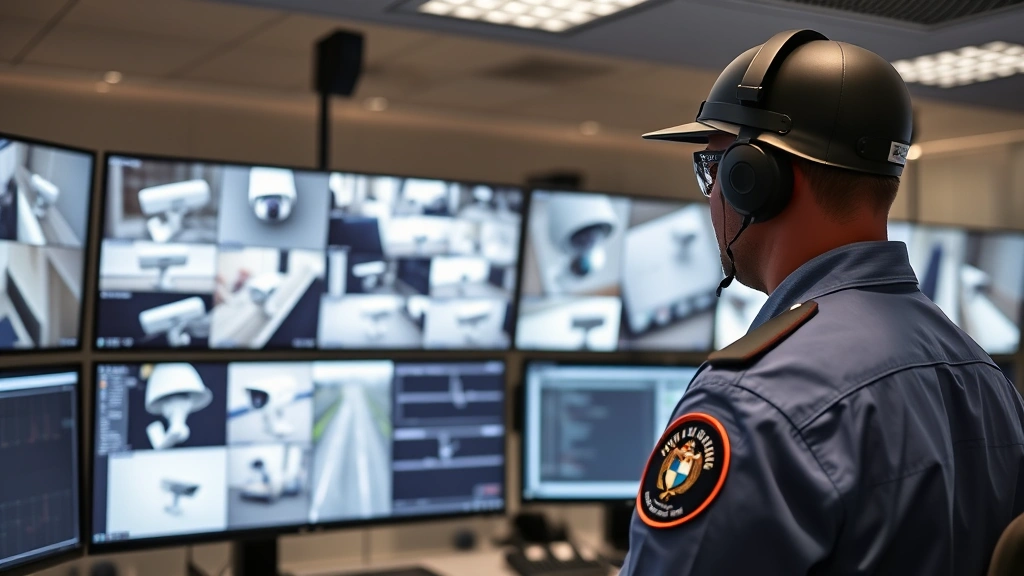
Best American Security Cameras? Expert Picks Inside
When it comes to protecting your home or business, choosing the right security camera system is one of the most critical decisions you’ll make. American-made security cameras offer distinct advantages: domestic manufacturing standards, local customer support, compliance with U.S. data protection regulations, and supply chain reliability. Unlike imported alternatives, domestically produced cameras undergo rigorous testing aligned with American security protocols and cybersecurity standards.
The security camera market has evolved dramatically over the past decade. Modern American manufacturers now produce advanced surveillance systems that rival international competitors while maintaining strict quality controls and data privacy protections. Whether you’re concerned about residential break-ins, commercial theft, or comprehensive property monitoring, understanding the landscape of American-manufactured security cameras is essential for making an informed investment in your safety infrastructure.
This comprehensive guide explores the top American-made security camera options, their technical specifications, cybersecurity features, and real-world applications. We’ll examine what makes domestic manufacturers stand out, evaluate their strengths against international competitors, and help you identify the best solution for your specific security needs.
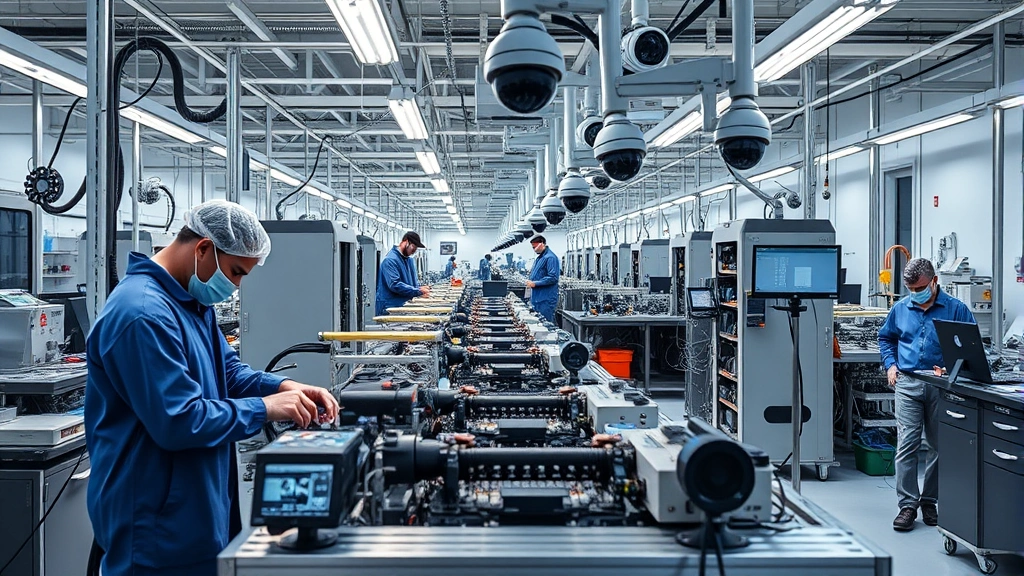
Why Choose American-Made Security Cameras
Selecting American-made security cameras provides several compelling advantages over imported alternatives. Domestic manufacturers must comply with stringent CISA cybersecurity guidelines and adhere to strict manufacturing standards established by American regulatory bodies. This means your security investment benefits from enhanced data protection protocols and regular security audits.
American manufacturers typically offer superior customer service, with support teams operating in your time zone and familiar with local infrastructure requirements. Warranty claims, technical assistance, and system updates are handled more efficiently when the manufacturer operates domestically. Additionally, American-made cameras often feature firmware that aligns with NIST cybersecurity frameworks, ensuring your surveillance system meets federal security standards.
Supply chain transparency represents another significant advantage. American manufacturers maintain clearer documentation of component sourcing, manufacturing processes, and quality control measures. This transparency is crucial for organizations handling sensitive data or operating in regulated industries. Furthermore, domestic production reduces shipping times and environmental impact while supporting local economies and employment.
The cybersecurity posture of American-manufactured cameras typically includes:
- Regular security updates deployed directly to users without intermediaries
- Encrypted data transmission meeting U.S. Federal Information Processing Standards (FIPS)
- Local storage options reducing dependence on cloud infrastructure
- Compliance documentation for HIPAA, GDPR, and other regulatory frameworks
- Vulnerability disclosure programs ensuring rapid response to security threats
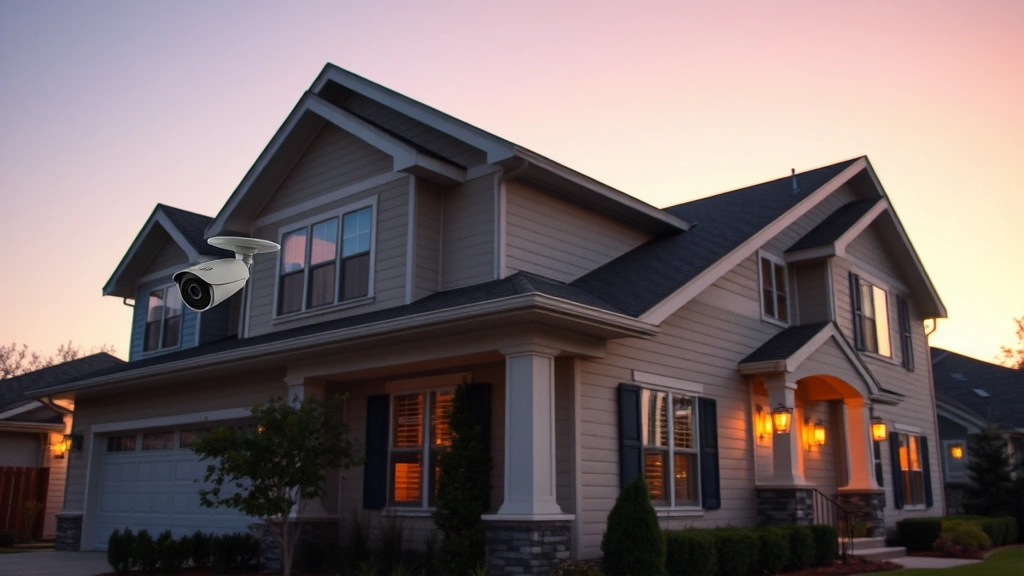
Top American Security Camera Manufacturers
The American security camera market features several established manufacturers with decades of industry experience. These companies have invested heavily in research and development, creating innovative solutions that address evolving security threats while maintaining the highest manufacturing standards.
Hikvision USA operates as a subsidiary of the global leader, producing cameras domestically for the North American market. Their American facilities manufacture advanced surveillance equipment featuring AI-powered analytics, thermal imaging capabilities, and enterprise-grade encryption. The company maintains CISA compliance certifications and regular security assessments.
Axis Communications manufactures premium network cameras in the United States, focusing on high-resolution imaging and intelligent video analysis. Their American production lines emphasize cybersecurity integration, offering cameras with built-in intrusion detection and secure boot mechanisms. Axis cameras are frequently deployed in critical infrastructure, healthcare facilities, and government installations.
Uniview Technologies has expanded American manufacturing capabilities, producing mid-range and professional-grade cameras. Their domestic operations include quality assurance laboratories that test each unit for cybersecurity vulnerabilities before shipping. The company emphasizes interoperability with existing security systems and supports NIST-compliant security protocols.
Dahua Technology USA operates American manufacturing facilities producing surveillance cameras for residential, commercial, and industrial applications. Their domestically produced models feature edge computing capabilities, reducing bandwidth requirements and improving response times for security alerts.
Hanwha Vision maintains American production operations focused on premium surveillance solutions. The company specializes in thermal and infrared cameras, serving defense contractors, law enforcement agencies, and critical infrastructure operators.
Key Features and Technical Specifications
Modern American-made security cameras incorporate sophisticated technologies that significantly enhance surveillance capabilities and threat detection. Understanding these features helps you select systems aligned with your specific security requirements.
Resolution and Image Quality represents the foundation of effective surveillance. Contemporary American-manufactured cameras offer resolutions ranging from 2MP (megapixel) for basic monitoring to 12MP or higher for detailed identification. 4K resolution cameras provide exceptional clarity for facial recognition, license plate capture, and forensic analysis. Higher resolution directly correlates with the ability to identify threats and capture actionable intelligence.
Low-Light and Night Vision Performance determines camera effectiveness during evening hours and in dimly lit environments. American manufacturers employ advanced sensor technology, including:
- Enhanced infrared (IR) LED arrays with adjustable intensity
- Starlight sensors requiring minimal ambient light for color imaging
- Thermal imaging capabilities detecting heat signatures through obscured environments
- Wide dynamic range (WDR) processing balancing bright and dark areas simultaneously
Artificial Intelligence Integration has become standard in American-made cameras. AI-powered analytics provide:
- Real-time facial recognition with accuracy rates exceeding 99%
- Behavior analysis detecting suspicious patterns or loitering
- Vehicle classification and license plate recognition
- Intrusion detection triggering immediate alerts
- Crowd density monitoring for safety compliance
Network Connectivity and Bandwidth Optimization ensure cameras function efficiently within existing infrastructure. American manufacturers design cameras supporting multiple connectivity options:
- Power over Ethernet (PoE) simplifying installation
- Adaptive bitrate streaming reducing bandwidth consumption
- Dual-stream technology enabling simultaneous high-resolution recording and live viewing
- 5G and Wi-Fi 6 compatibility for future-proof deployments
Field of View and Lens Options allow customization for specific monitoring scenarios. American manufacturers offer:
Cybersecurity and Data Privacy Considerations
Security cameras represent potential entry points for cyberattacks if not properly secured. American manufacturers prioritize cybersecurity integration, implementing protections that exceed industry standards. This focus on security camera cybersecurity measures distinguishes domestic products from less-secure alternatives.
Encryption standards form the cornerstone of camera security. American-made cameras employ:
- AES-256 encryption for data transmission and storage
- TLS 1.3 protocols securing all network communications
- Certificate-based authentication preventing unauthorized access
- Secure boot mechanisms protecting firmware integrity
Firmware update mechanisms require careful consideration. American manufacturers maintain dedicated servers for firmware distribution, implementing cryptographic signatures ensuring only legitimate updates install. Regular security patches address newly discovered vulnerabilities, with manufacturers often providing updates for five to ten years after product release.
Access control systems determine who can view camera feeds and modify settings. Enterprise-grade American cameras include:
- Role-based access control (RBAC) limiting user permissions
- Multi-factor authentication requiring passwords plus secondary verification
- Audit logging recording all access attempts and configuration changes
- Integration with enterprise directory systems (Active Directory, LDAP)
Data privacy compliance ensures camera systems respect user rights and regulatory requirements. American manufacturers design systems supporting:
- GDPR compliance with data deletion and consent management features
- HIPAA requirements for healthcare facility deployments
- FERPA standards protecting educational institution data
- State privacy laws including California Consumer Privacy Act (CCPA) provisions
Cloud storage security presents unique considerations. American manufacturers offering cloud services implement:
- Redundant data centers with geographic separation
- Automatic encryption before data transmission
- Disaster recovery procedures ensuring business continuity
- Regular third-party security audits and penetration testing
Installation and Integration Options
Successful security camera deployment requires proper installation and seamless integration with existing security infrastructure. American manufacturers provide comprehensive installation support and flexible integration capabilities.
Professional Installation Services ensure cameras are positioned optimally and configured securely. American manufacturers maintain networks of certified installers who:
- Conduct site surveys identifying optimal camera placement
- Design network architecture supporting reliable operation
- Configure cybersecurity settings according to best practices
- Integrate cameras with existing access control and alarm systems
- Provide staff training on system operation and maintenance
Network Integration determines how cameras communicate with recording and management systems. American manufacturers support:
- ONVIF (Open Network Video Interface Forum) standards enabling multi-vendor compatibility
- RTSP (Real Time Streaming Protocol) for reliable video transmission
- MQTT (Message Queuing Telemetry Transport) for IoT integration
- REST APIs enabling custom application development
Video Management Software (VMS) serves as the central hub for camera control and footage management. Leading American manufacturers provide VMS platforms featuring:
- Centralized management of hundreds or thousands of cameras
- Intelligent search capabilities using AI-powered analytics
- Customizable dashboard displays and alert configurations
- Mobile applications enabling remote monitoring from smartphones
- Advanced reporting tools for compliance documentation
Integration with other security systems creates comprehensive protection ecosystems. American-made cameras work seamlessly with:
- Access control systems triggering alerts when unauthorized entry occurs
- Alarm systems correlating camera events with sensor triggers
- Intercom systems enabling two-way communication with visitors
- Lighting control systems automatically illuminating areas during incidents
- Emergency response systems alerting authorities with video evidence
Comparing Residential vs Commercial Systems
Residential and commercial security camera systems serve different purposes and operate under distinct constraints. Understanding these differences helps select appropriate solutions for your environment.
Residential Security Cameras prioritize ease of use, aesthetic integration, and cost-effectiveness. Typical residential deployments include:
- 2-4 camera systems covering entry points and valuable areas
- Wireless connectivity reducing installation complexity
- Cloud-based storage enabling mobile access without dedicated servers
- Simplified interfaces requiring minimal technical expertise
- Lower resolution requirements (1080p to 2K) reducing storage needs
American manufacturers produce residential cameras balancing security effectiveness with residential aesthetics. Dome cameras blend seamlessly with interior design, while bullet cameras provide discrete exterior monitoring. Battery-powered wireless options eliminate wiring requirements, though hardwired PoE systems offer superior reliability.
Commercial Security Cameras demand higher performance, greater reliability, and comprehensive management capabilities. Commercial deployments typically feature:
- 8-64+ camera systems monitoring sprawling facilities
- High-resolution imaging (4K to 12MP) enabling forensic analysis
- Redundant recording systems ensuring footage preservation during outages
- Advanced analytics detecting unusual behavior or security threats
- Enterprise-grade management platforms supporting complex workflows
Commercial systems require robust cybersecurity measures, as surveillance networks represent critical infrastructure. American manufacturers design commercial cameras with:
- Hardened operating systems resistant to exploitation
- Network segmentation isolating cameras from sensitive systems
- Intrusion detection systems identifying suspicious access attempts
- Backup power supplies maintaining operation during electrical failures
- Redundant network connections ensuring continuous monitoring
Scalability represents a crucial difference. Commercial systems must accommodate expansion as facilities grow or security requirements evolve. American manufacturers design modular systems allowing easy addition of cameras without system redesign.
Cost Analysis and ROI
Security camera investments require careful financial analysis balancing upfront costs against long-term security benefits and operational savings. American-made systems typically command premium pricing reflecting superior quality, cybersecurity features, and customer support.
Initial System Costs vary significantly based on system complexity:
- Basic residential systems: $300-$800 for 2-4 cameras with cloud storage
- Mid-range residential systems: $800-$2,000 including local recording and advanced features
- Small commercial systems: $2,000-$8,000 for 8-16 camera deployments
- Enterprise systems: $10,000-$100,000+ for comprehensive facility monitoring
Installation and Integration Costs often exceed equipment expenses:
- Professional installation: $50-$200 per camera depending on complexity
- Network infrastructure upgrades: $500-$5,000 for cable runs and PoE switches
- VMS software licensing: $100-$500 per year depending on camera count
- Integration with existing systems: Variable based on complexity
Operational Expenses include ongoing maintenance and service:
- Cloud storage subscriptions: $5-$50 per camera monthly
- Firmware updates and technical support: Typically included in quality products
- Replacement parts and maintenance: $200-$1,000 annually for mid-size systems
- Staff training: One-time expense of $500-$2,000
Return on Investment Calculations demonstrate long-term value. Security cameras reduce losses through:
- Theft prevention: Average retail theft loss reduction of 25-50%
- Insurance premium reductions: 5-15% discounts for monitored premises
- Liability protection: Documented evidence reducing legal exposure
- Employee accountability: Reduced internal theft and misconduct
- Operational efficiency: Behavior analysis improving workplace safety
American-made systems typically achieve ROI within 2-4 years through combined loss prevention and insurance savings. Residential systems often break even within 5-7 years, while commercial deployments frequently achieve ROI within 2-3 years.
FAQ
Are American-made security cameras truly manufactured domestically?
Most major American security camera manufacturers operate domestic production facilities, though some components may be sourced internationally. Reputable companies maintain transparent supply chain documentation and clearly identify manufacturing locations. Look for products labeled “Made in USA” or “Assembled in the USA,” understanding the distinctions in manufacturing practices.
What cybersecurity threats do security cameras face?
Security cameras face multiple threats including unauthorized access, firmware exploitation, denial-of-service attacks, and man-in-the-middle interception. American manufacturers address these through encryption, regular security updates, and intrusion detection systems. Implementing network segmentation and strong authentication significantly enhances protection.
How often do security cameras require firmware updates?
Reputable American manufacturers release firmware updates quarterly to annually, with emergency patches deployed within days of discovering critical vulnerabilities. Automated update mechanisms ensure systems remain protected without manual intervention. Establishing update policies ensures timely deployment of security patches.
Can residential security cameras integrate with smart home systems?
Yes, many American-made residential cameras integrate with popular smart home platforms including Amazon Alexa, Google Home, and Apple HomeKit. Integration enables voice control, automated alerts, and coordinated responses with other smart devices. Verify compatibility before purchasing to ensure seamless integration.
What storage options are available for security footage?
American manufacturers support multiple storage options including local network-attached storage (NAS), dedicated DVR/NVR systems, cloud services, or hybrid approaches combining local and cloud storage. Local storage provides privacy and reliability, while cloud services offer accessibility and disaster recovery. Hybrid approaches balance these advantages.
How do I ensure my security camera system remains secure over time?
Maintain security through regular firmware updates, strong password policies, network segmentation, regular access audits, and periodic security assessments. Implement role-based access control limiting user permissions, enable multi-factor authentication, and monitor system logs for suspicious activity. Consider engaging professional security consultants for comprehensive assessments.
What warranty and support do American manufacturers typically provide?
Quality American manufacturers typically offer 3-5 year warranties covering hardware defects, with many providing extended warranty options. Technical support is usually included during the warranty period, with extended support plans available for continued assistance. Verify support availability in your region before purchasing.


